
Introduction — The Quiet Philosophy Behind Japanese Beauty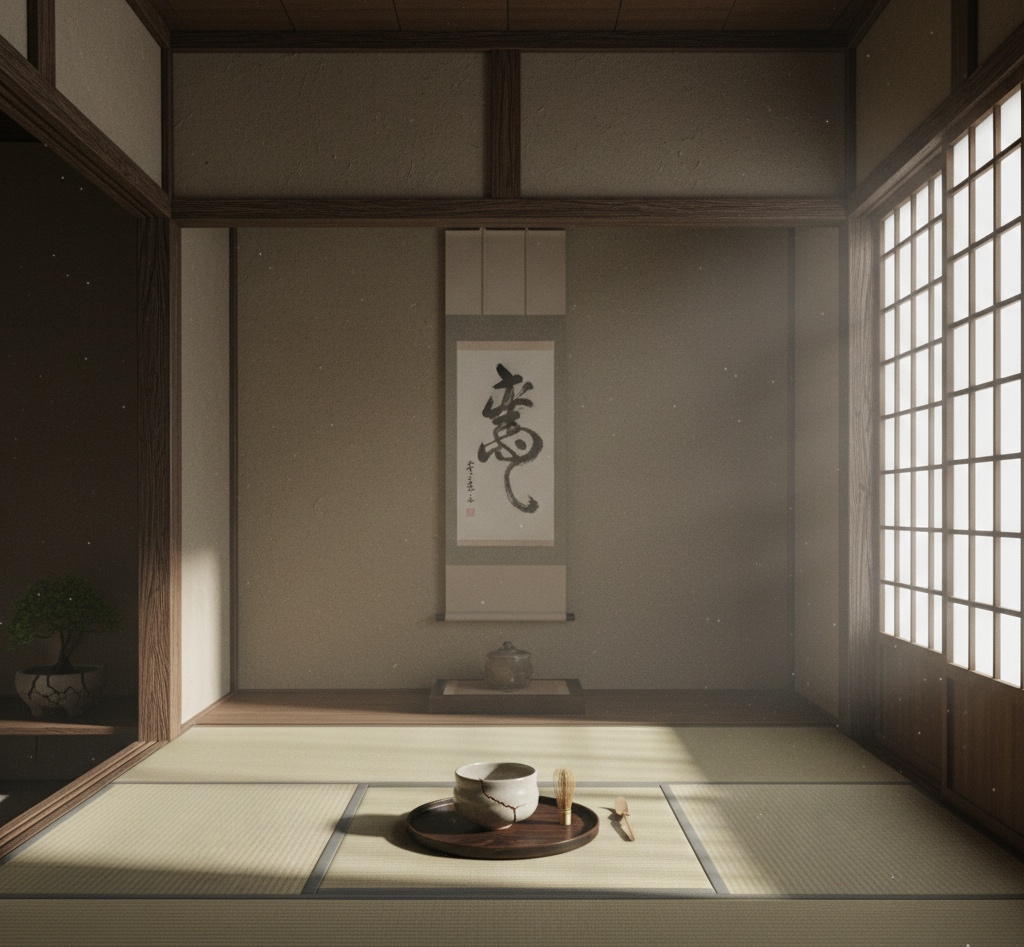
At the heart of Japanese aesthetics lies wabi-sabi — a worldview born from Zen Buddhism.
It teaches that true beauty is found not in perfection, but in impermanence (mujō), emptiness (kū), and quiet simplicity.
Zen Buddhism views art and life as processes of letting go.
Rather than adding more, we remove what is unnecessary until only the essence remains — a discipline that reveals the beauty of stillness.
Through this lens, chipped teacups, fading ink, or a silent garden are not signs of decay but expressions of truth.
👉 Related reading:
Impermanence (無常) — Finding Beauty in Change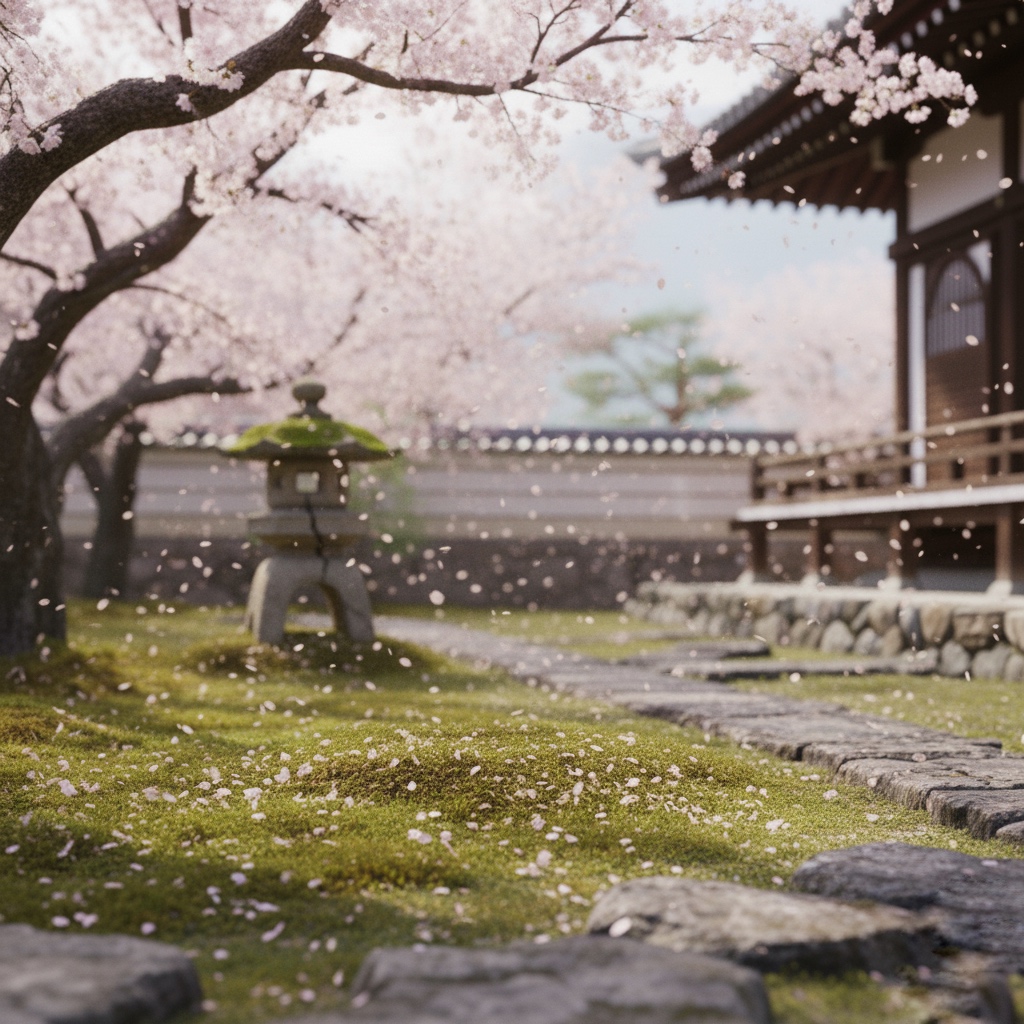
Nothing in this world remains the same.
Zen calls this shogyō mujō — the truth that all things are in flux.
The falling cherry blossom, the crack in a tea bowl, or the passing of a season remind us that beauty exists because it fades.
In Zen practice, every moment is both an ending and a beginning.
To cling to permanence brings suffering; to embrace change brings peace.
When we bow, meditate, or sip tea mindfully, we meet the world as it is — not as we wish it to be.
“Each moment is the entire universe.” — Dōgen Zenji
Emptiness (空) — The Power of Space and Silence
In the Heart Sutra, we read: “Form is emptiness; emptiness is form.”
This principle — kū — teaches that nothing exists in isolation.
Every sound depends on silence, every figure on space, every self on others.
The Japanese appreciation of ma — the interval, the pause — arises from this Zen insight.
In architecture, calligraphy, and garden design, silence is not absence but presence.
It gives meaning to what surrounds it.
To create space in one’s mind is the same:
when we empty ourselves of noise and ego, we become open to connection — a living expression of engi, interdependence.
Simplicity (簡素) — Less as Enlightenment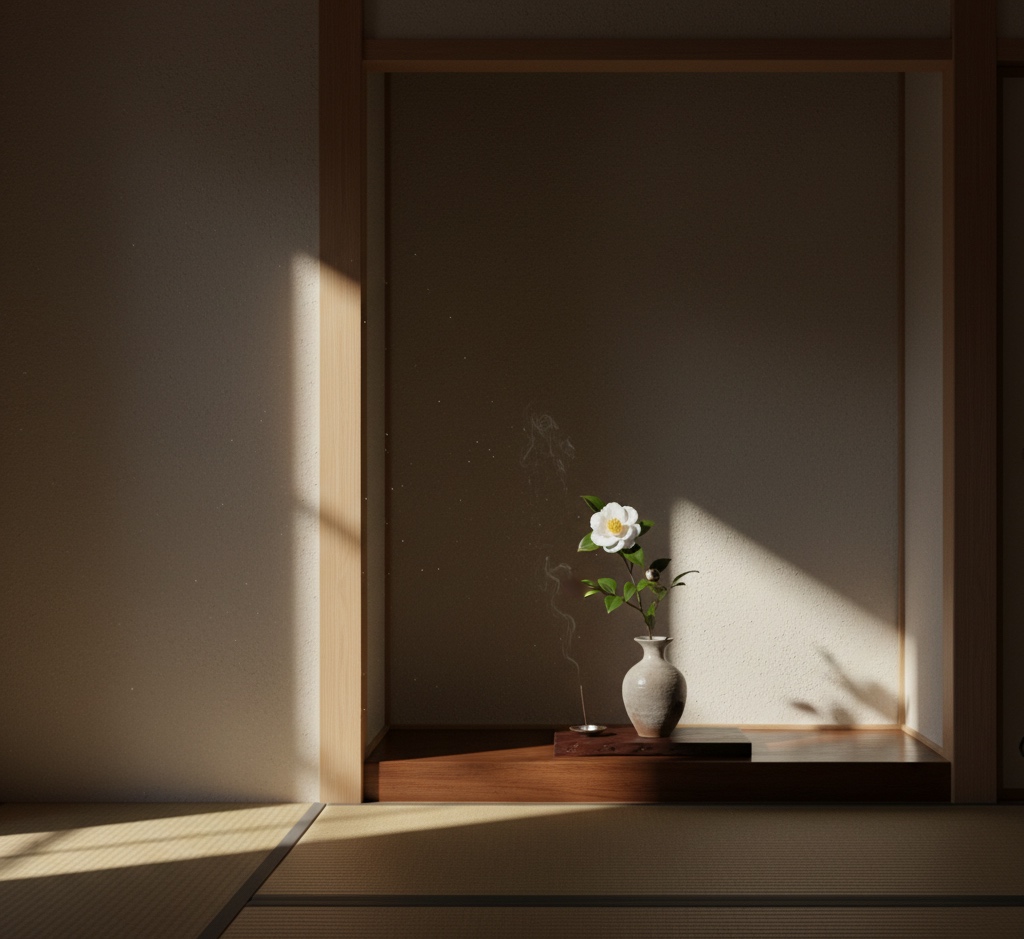
Zen Buddhism values simplicity not as minimalism, but as truth revealed through subtraction.
Less is not more — less reveals truth.
The Zen saying hōgejaku (“let it go”) captures this practice.
By releasing attachment and pride, we uncover clarity.
When the mind quiets, even the smallest act — sweeping a floor, serving tea, arranging flowers — becomes complete.
In shōjin ryōri (Zen cuisine), flavor comes from restraint: light, seasonal, and humble.
As the teaching of chisoku reminds us — to know sufficiency is wealth.
When we stop chasing excess, we rediscover gratitude in the simplest meal, the cleanest breath.
Living Wabi-Sabi — Zen in Everyday Life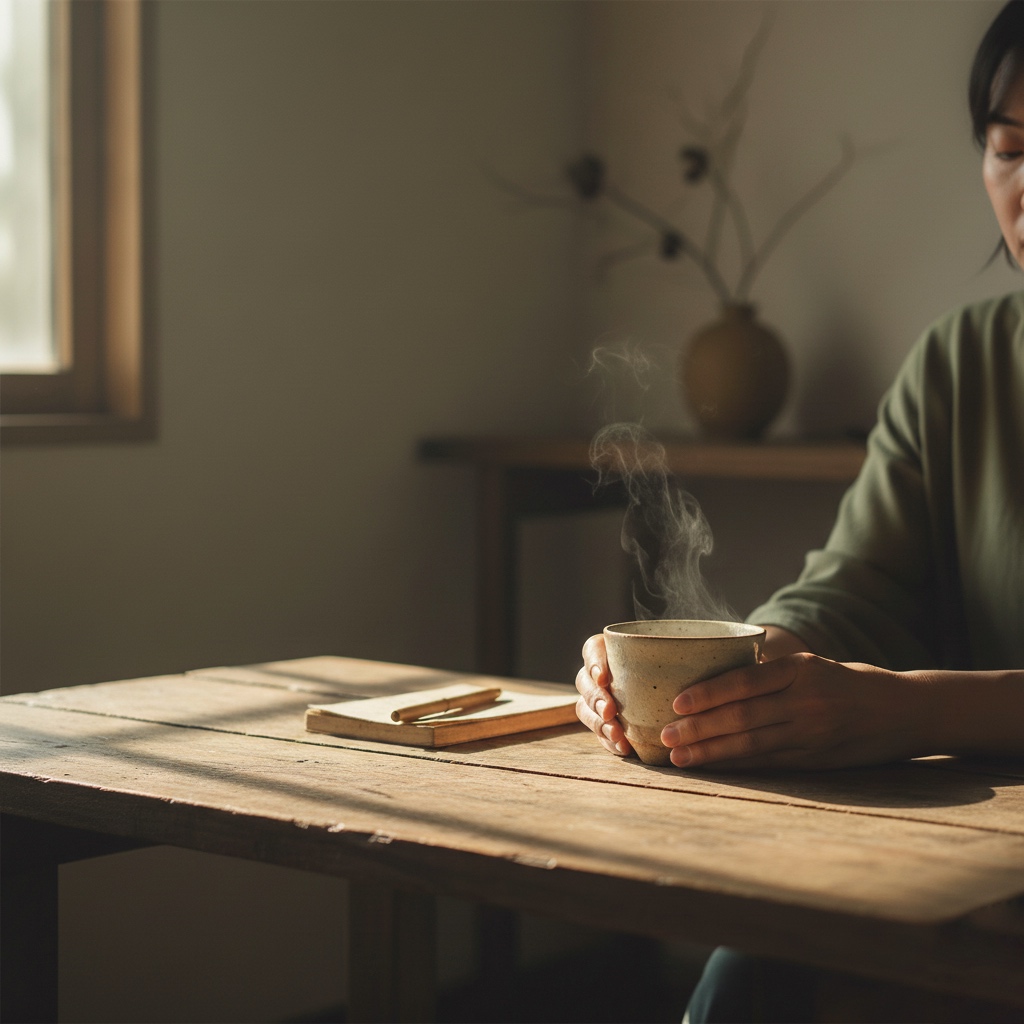
Zen is not a temple-only practice — it is daily life itself.
Sitting, walking, eating, and speaking can all become meditation when done with awareness.
In an age of constant stimulation, wabi-sabi invites us to pause and notice:
the morning light across a wooden table, the warmth of tea in the hands, the presence of someone beside us.
By accepting imperfection, we find contentment in what already is.
Zen calls this hōgejaku — “release what you hold.”
When we let go of comparison and control, the world softens.
True simplicity is not the absence of things, but the fullness of enough.
👉 Related reading:
Experience the Spirit — Zen Buddhism at Koun-in Temple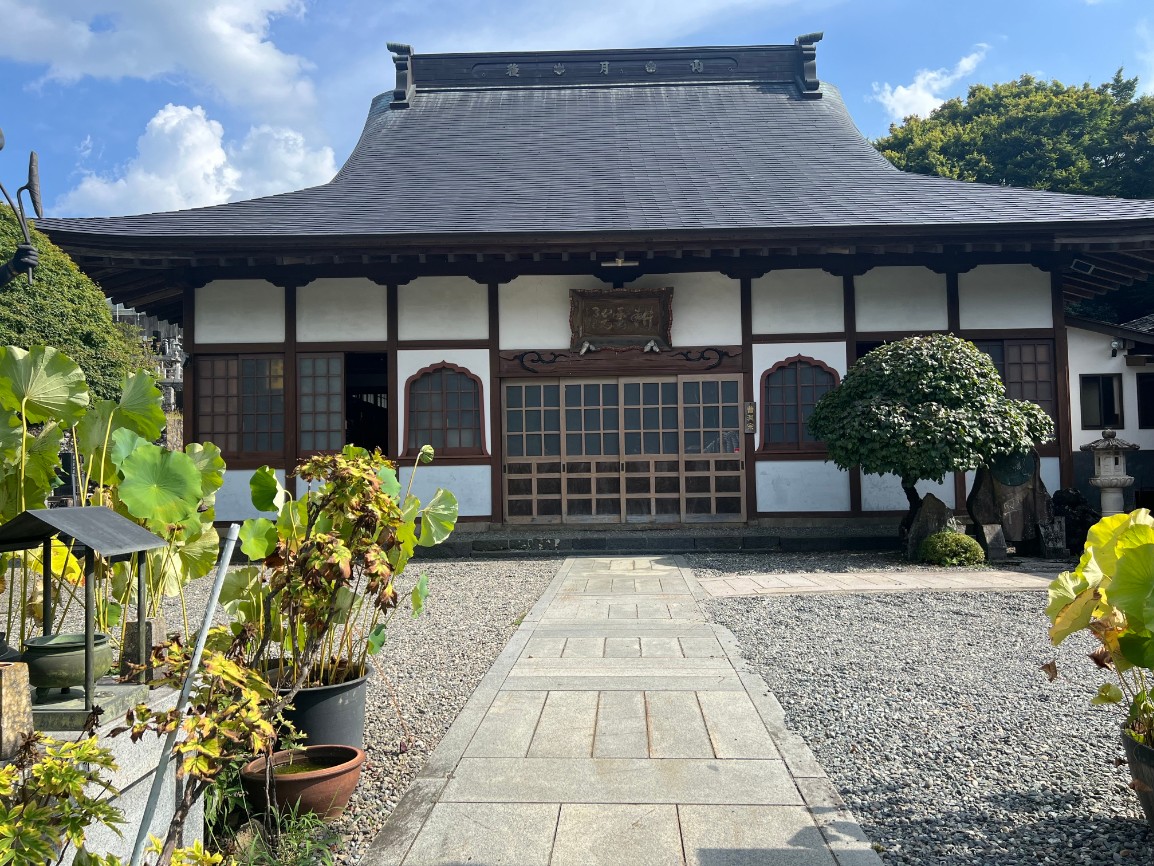
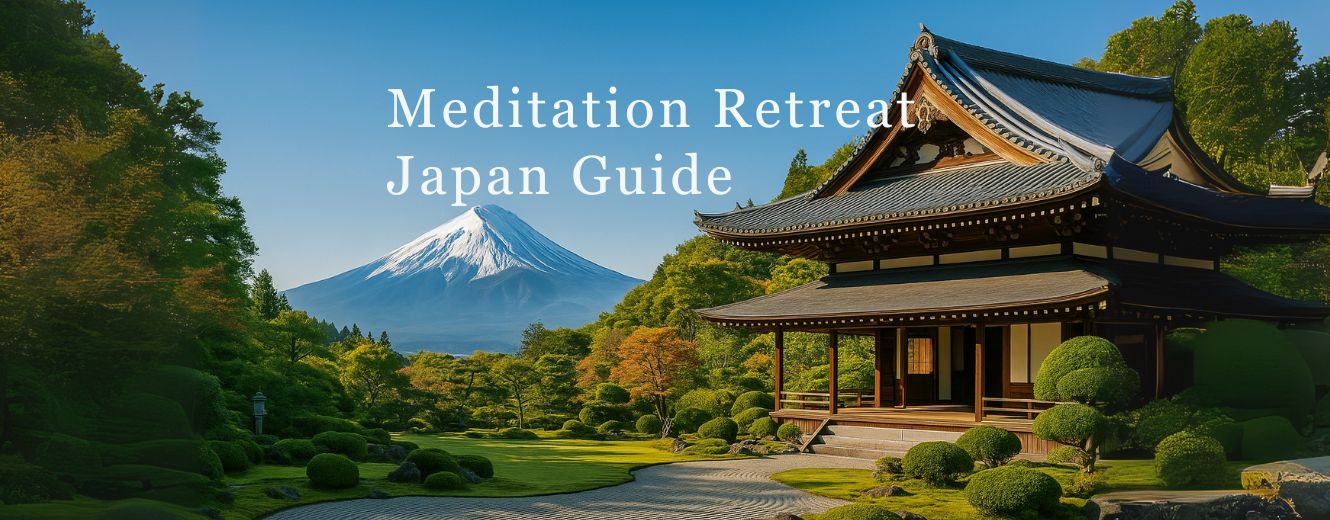
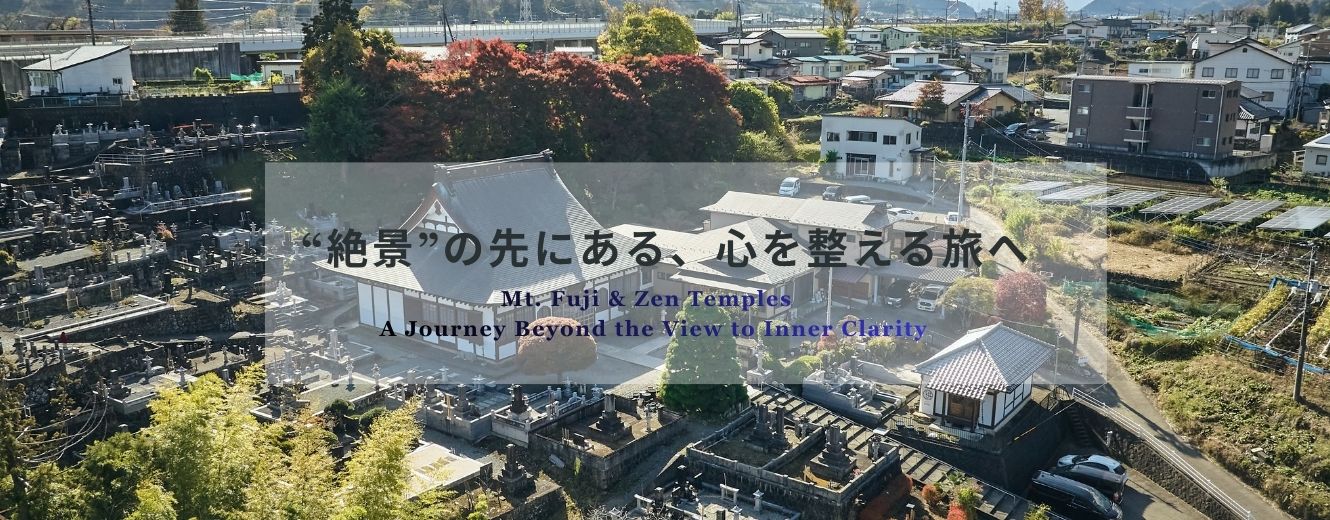
Nestled among cedar forests at the foot of Mt. Fuji, Koun-in Temple has practiced Soto Zen for over six centuries.
Here, wabi-sabi is not theory — it is lived.
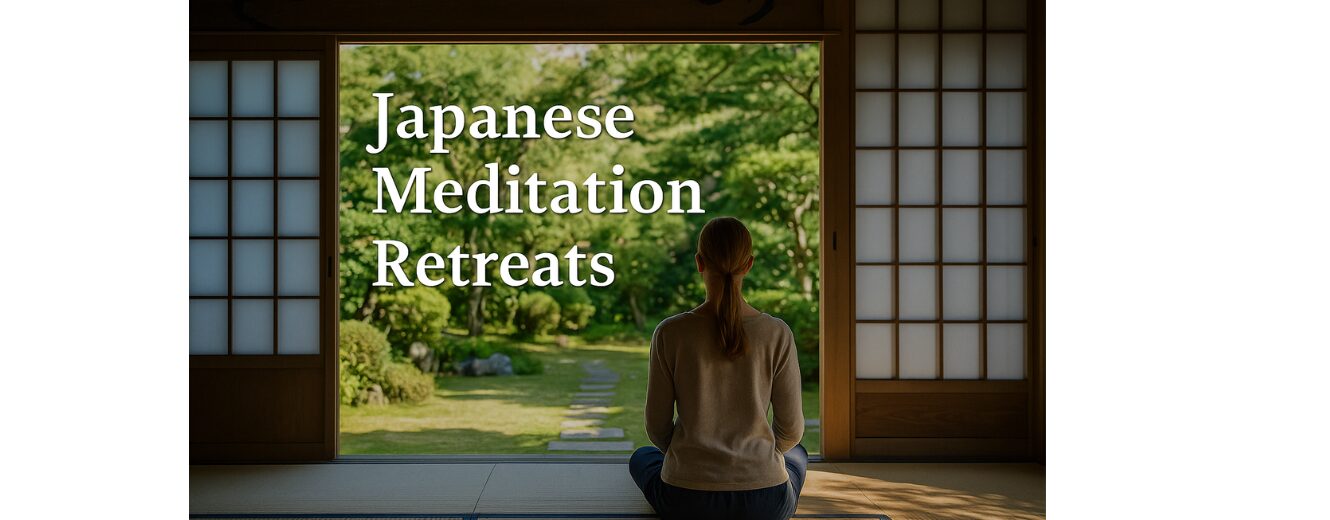
Visitors are invited to slow down, breathe deeply, and experience stillness through authentic Zen training.
A Living Example — Mindfulness Training in Japan
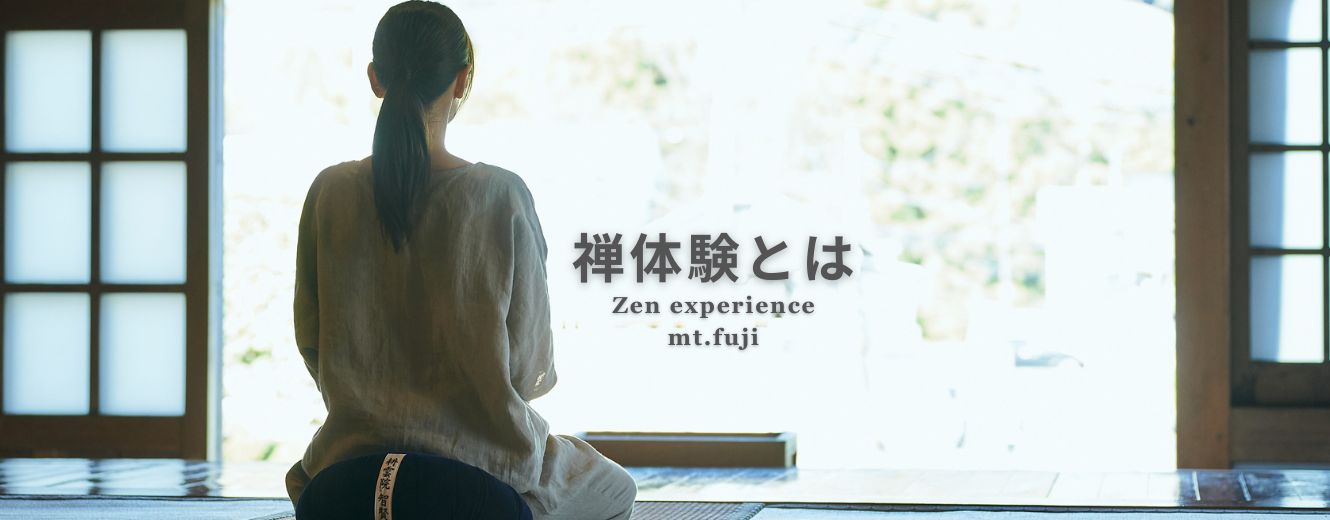
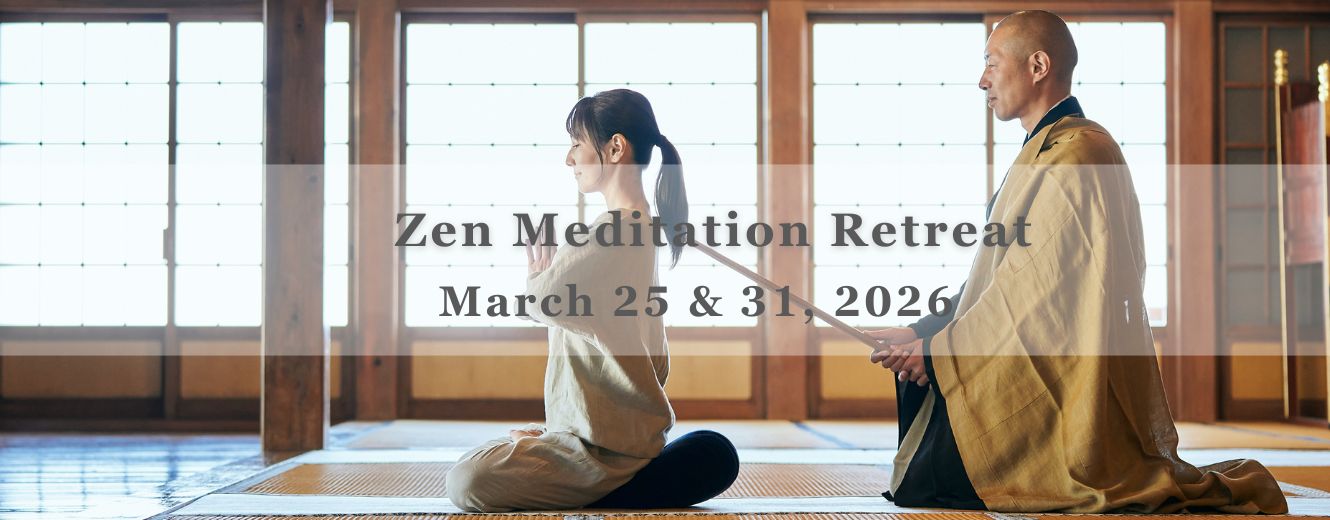
Those who wish to experience this discipline of calm can join the Zen Retreat at Koun-in Temple in Tsuru City, Yamanashi — just 90 minutes from Tokyo.
Program Highlights
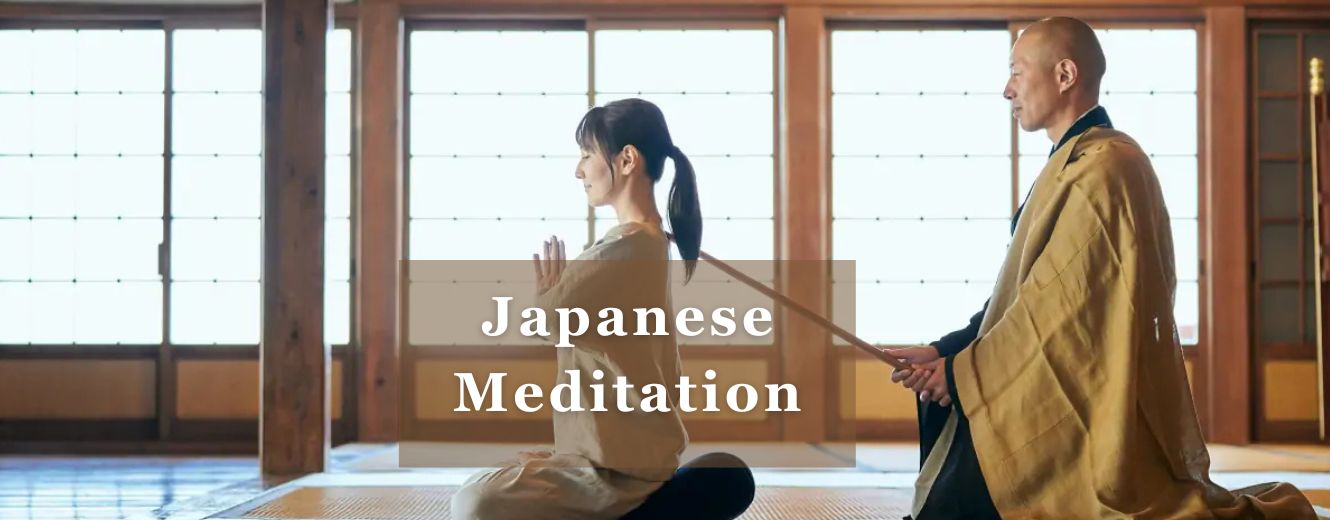
- 🧘 Zazen Meditation — short guided sessions in English
- 🪶 Sutra Copying (Shakyo) — patience and precision in ink
- 🧹 Mindful Actions (Samu) — awareness through simple temple work
- 🌿 Shojin Ryori (Zen Cuisine) — plant-based gratitude meals
🕓 3 – 4 hours 💰 ¥10,000 – 15,000 📍 Tsuru City, Yamanashi (90 min from Tokyo)
👉 Visit Koun-in Temple Zen Retreat
Voices from Participants — Zen Retreat Experiences in Japan
“The meditation retreat in Japan was the highlight of my trip. Sitting quietly near Mt. Fuji gave me peace I’d never felt before.”
“More than sightseeing — it felt like stepping into the living spirit of Japanese culture.”
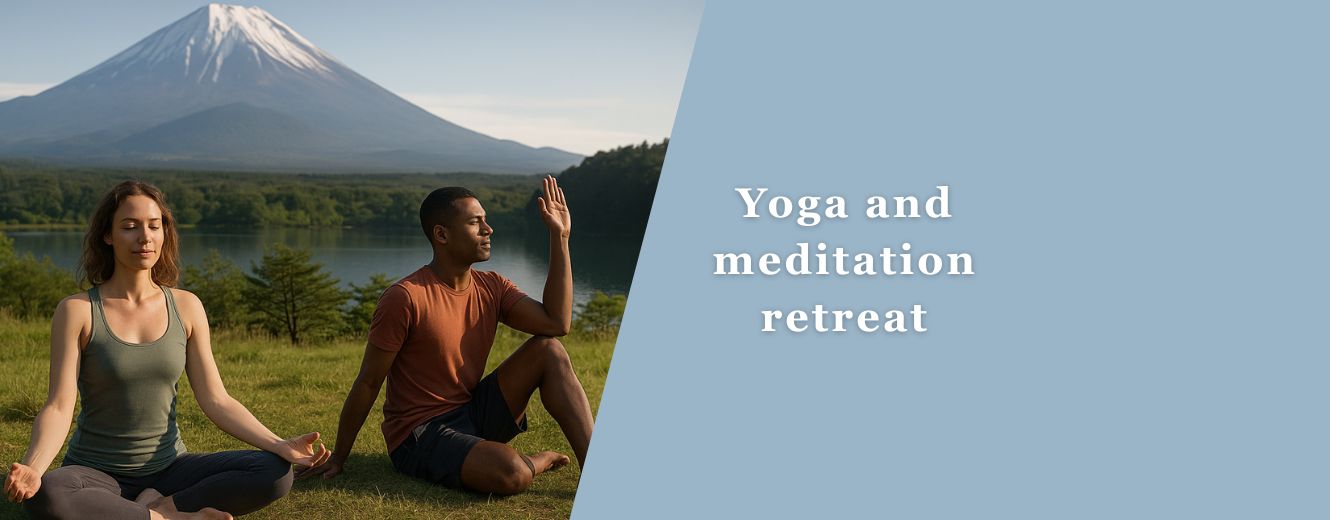
“The combination of yoga and zazen was unforgettable. It helped me experience mindfulness in a new way.”
“We joined as a couple, and sutra copying and temple food made the retreat uniquely Japanese.”
“As a senior traveler, I felt supported. Yoga prepared my body, and meditation renewed my energy.”
“As a yoga practitioner, the blend of movement and stillness in an authentic Zen setting was powerful.”
👉 Related reading:
A Personal Note — From Rev. Chiken Kawaguchi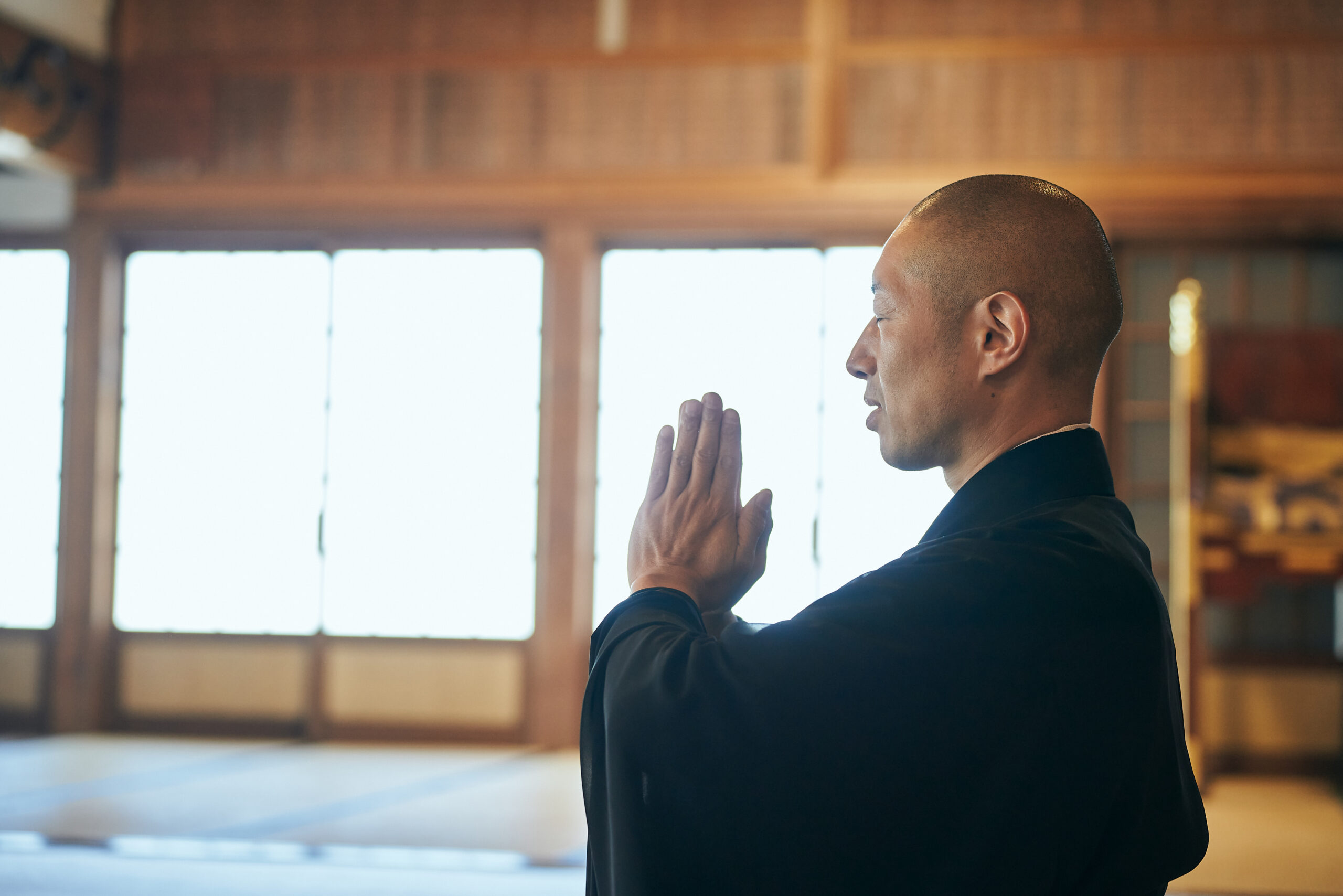
“For years I lived in constant motion — chasing growth, deadlines, achievement.
Like many professionals, I believed peace would come after success.
But true calm begins before success — in the discipline of stillness itself.”
At Eiheiji, the head temple of Soto Zen, I learned that discipline isn’t restriction — it’s alignment.
Each bow, each breath, each repetition reveals where the mind has wandered, and how to return.
“Practice is not preparation for life — it is life itself.”
You don’t need to leave your job or family to begin.
Five mindful minutes a day can become your temple.
Each pause and breath trains awareness — not escape, but engagement.
Wherever you are — office, home, or travel — begin there.
Don’t wait for calm. Train it.
👉 Join Online Zazen from Japan — Experience Corporate Mindfulness at Its Roots
Conclusion — Wabi-Sabi as a Way of Being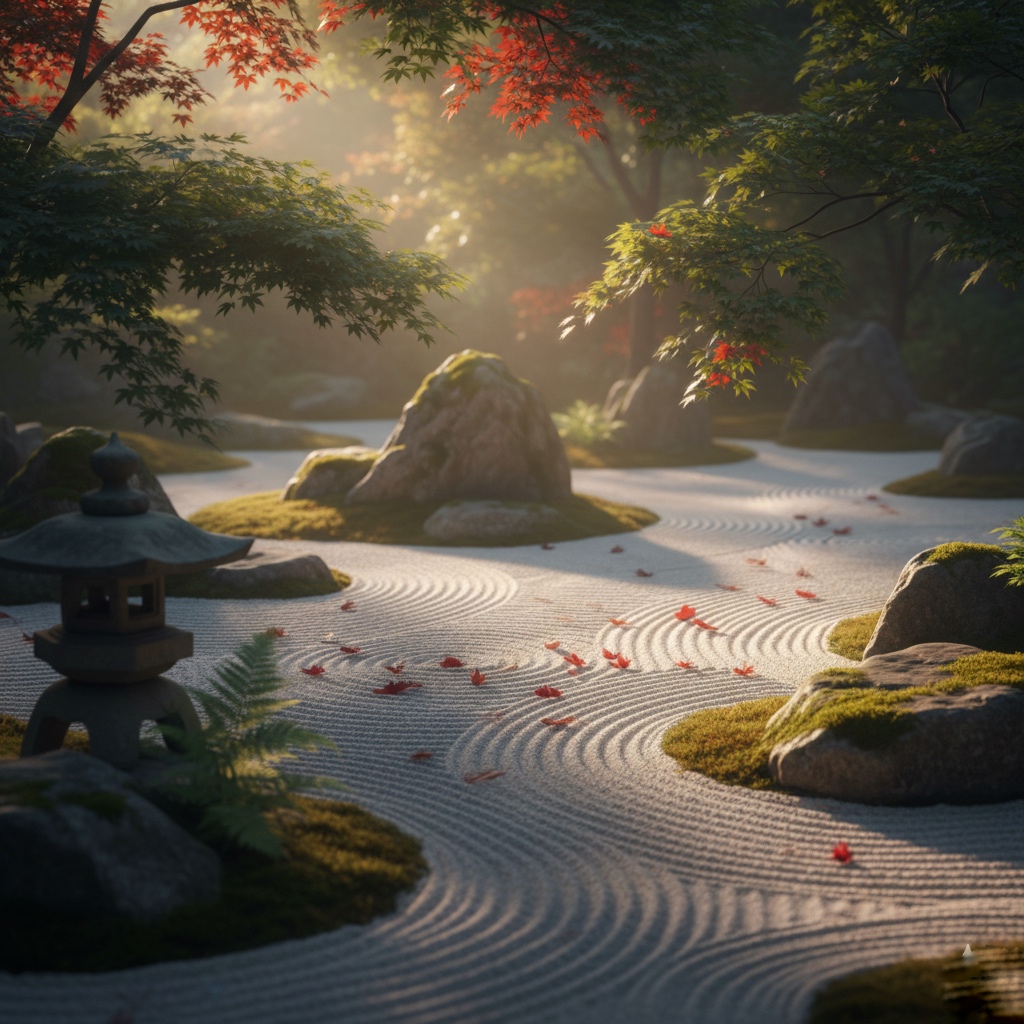
Zen Buddhism teaches that beauty and truth arise from awareness, not from perfection.
Wabi-sabi is that awareness in form — the art of embracing impermanence and living gently within it.
When we breathe with intention, eat with gratitude, or listen without judgment, we are already practicing Zen.
It is not something distant or exotic; it is the quiet wisdom of being fully here.
“To see the world in a single moment — that is Zen.”