
Introduction — The Zen View of Art

In a world that moves faster every day, Zen Buddhism invites us to pause.
It teaches that beauty is not decoration but a mirror of the mind.
When the mind is still, everything reveals its original form.
Zen art expresses this stillness through brush, bowl, and stone.
Each practice—calligraphy, the tea ceremony, and Zen gardens—translates inner awareness into form.
They are not performances to impress but disciplines that return us to presence.
In Buddhism this is called shōgyō mujō — impermanence — and engi — interdependence.
Through art, Zen shows that form and emptiness, silence and sound, self and world, are never separate.
👉 Related reading:
Calligraphy — The Brush as Mindfulness
Every stroke of the brush is a breath made visible.
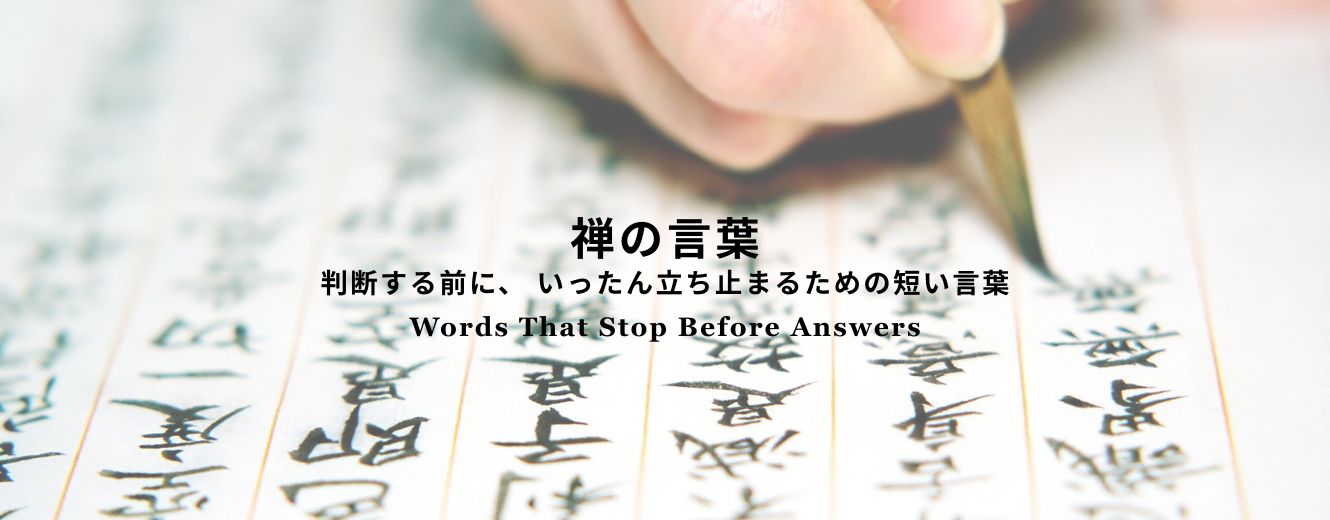
In Zen calligraphy (shodō), writing is meditation in motion — a practice of presence rather than perfection.
The ink deepens where thought dissolves; it falters where ego returns.
As Dōgen Zenji taught, “When you truly do one thing, the entire universe is contained within that act.”
Each character becomes a record of mind meeting the moment.
Through repetition, the calligrapher learns mushin — “no mind.”
It is not emptiness but fullness — awareness without interference.
👉 Related reading:
Tea Ceremony — Harmony in Every Gesture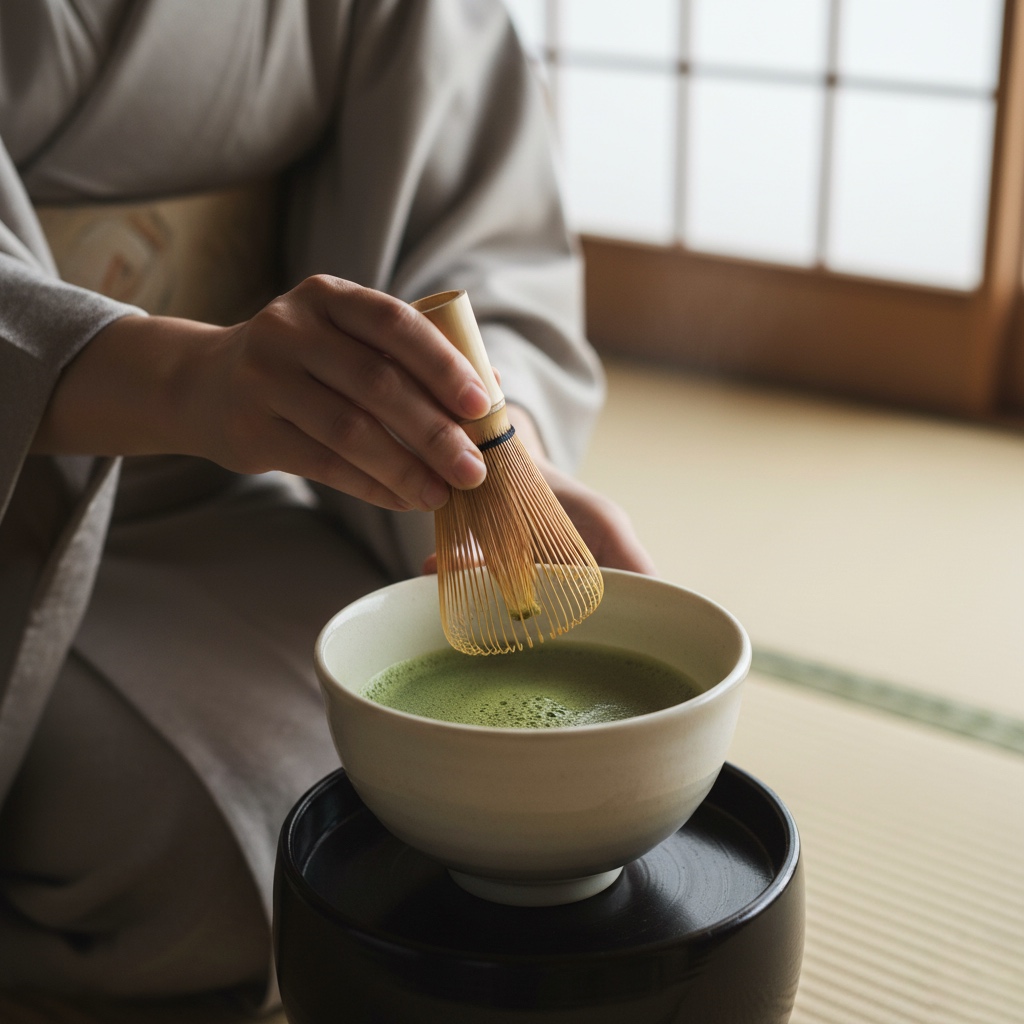
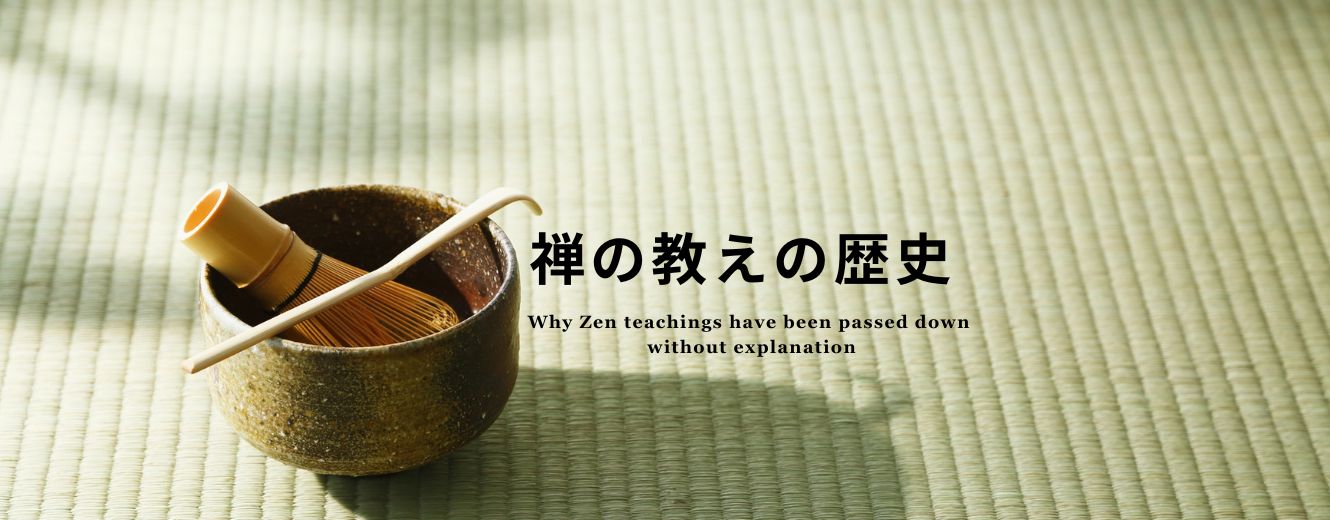
In the Japanese tea ceremony (chanoyu), simplicity becomes sacred.
Each gesture — folding the cloth, whisking the tea — embodies wa-kei-sei-jaku:
Harmony, Respect, Purity, and Tranquility.
Zen transformed the act of serving tea into a ritual of awareness.
Every meeting is ichigo ichie — “one time, one encounter.”
When host and guest share the same breath, hierarchy dissolves; gratitude remains.
The discipline of form (kata) frees the heart.
Through repetition of precise movements, spontaneity arises within structure — the paradox at the center of Zen Buddhism itself.
👉 Related reading:
Zen Gardens — Landscapes of Silence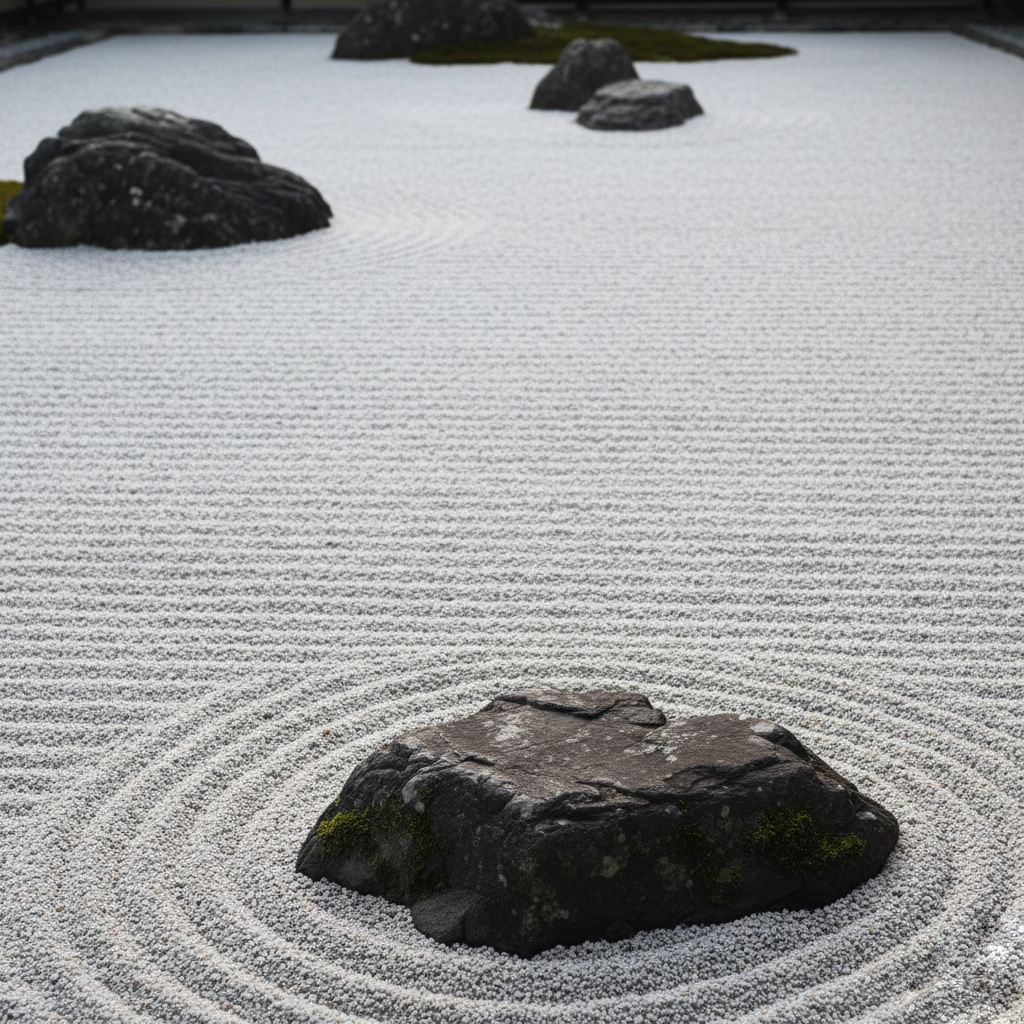
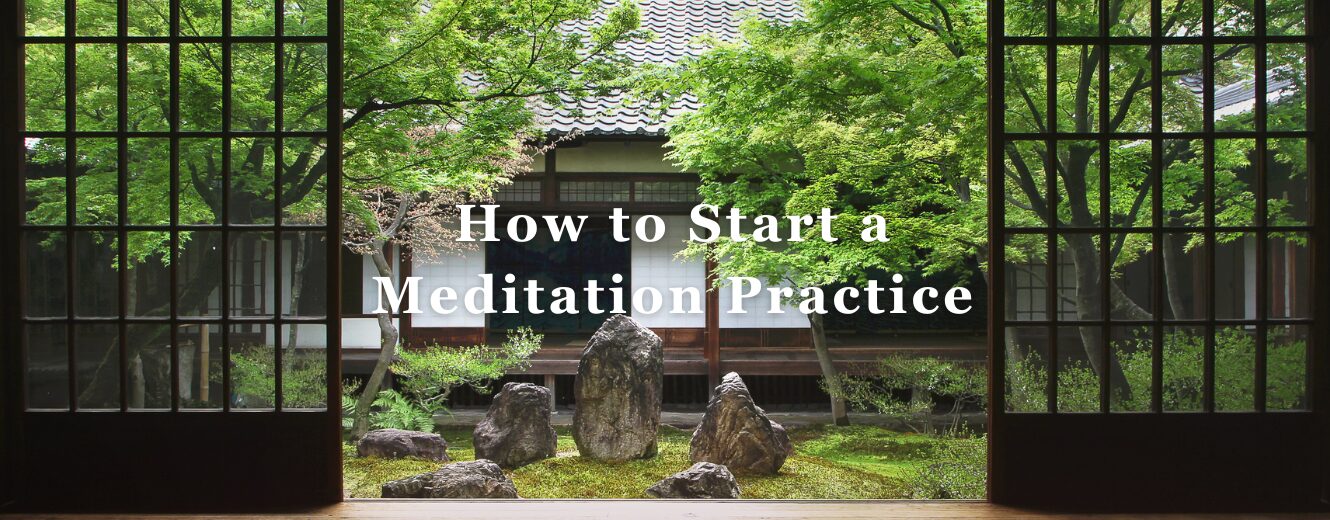
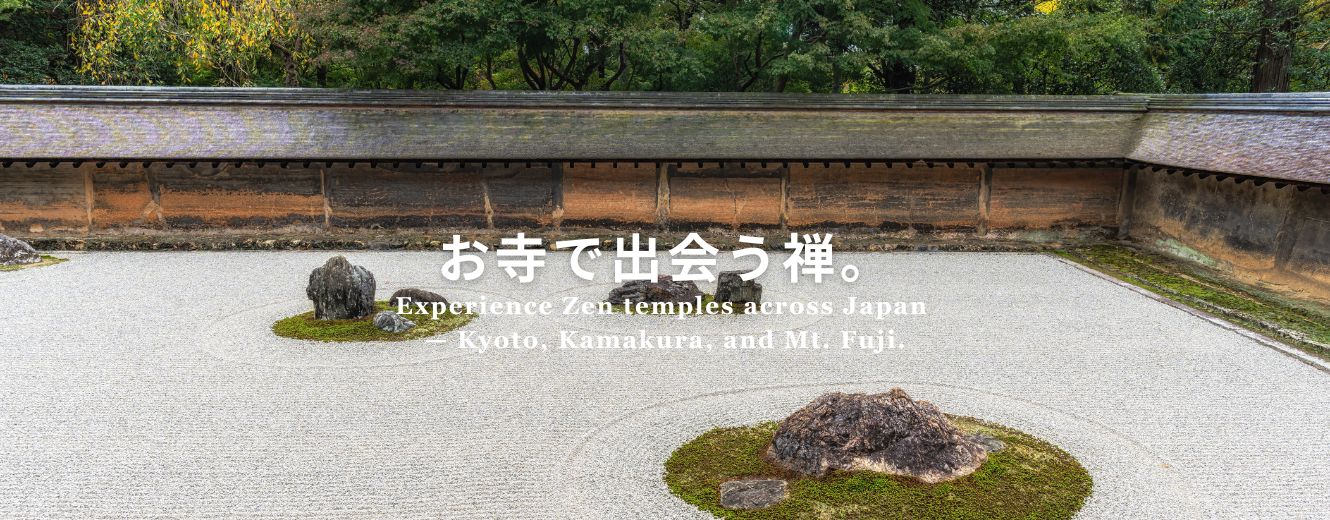
A Zen garden (karesansui) speaks without words.
Raked gravel becomes rippling water; stones rise like islands of thought.
Between them lies ma — the meaningful silence that shapes the whole.
These landscapes embody the Buddhist truth of kū — emptiness.
Nothing exists alone; each stone depends on the space around it.
As the saying goes, “The eye horizontal, the nose vertical.”
Reality is simple, unhidden, and always before us.
To gaze upon a Zen garden is to see how subtraction reveals essence.
By removing excess — desire, noise, ego — we uncover quiet infinity.
👉 Related reading:
Conclusion — Art as Meditation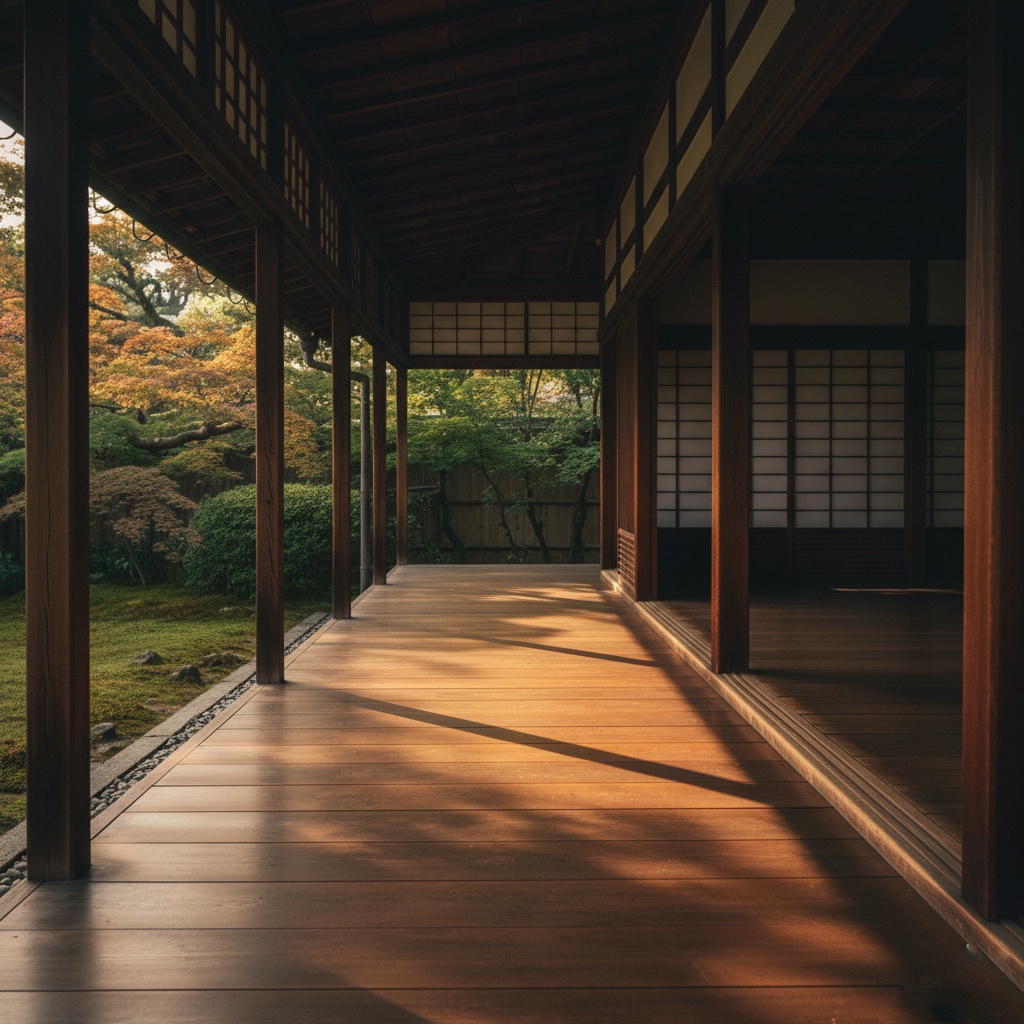
Zen Buddhism teaches that art is not something to look at; it is something to live.
To sweep the garden, to write a character, to pour tea — each act can be a gate to awakening.
“Ordinary mind is the Way.” — Zen saying
Beauty in Zen is born when body and mind move as one.
Through the discipline of stillness, we rediscover gratitude, simplicity, and freedom from striving.
A Living Example — Mindfulness Training in Japan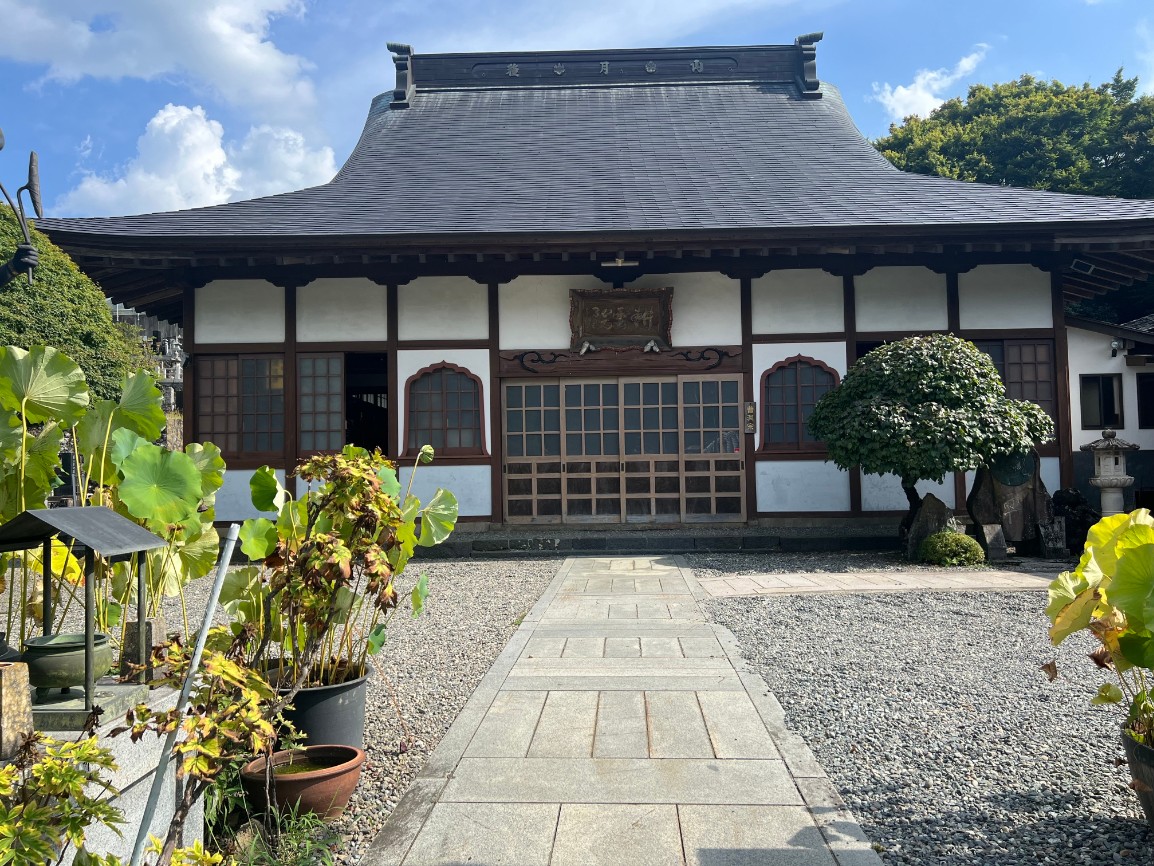
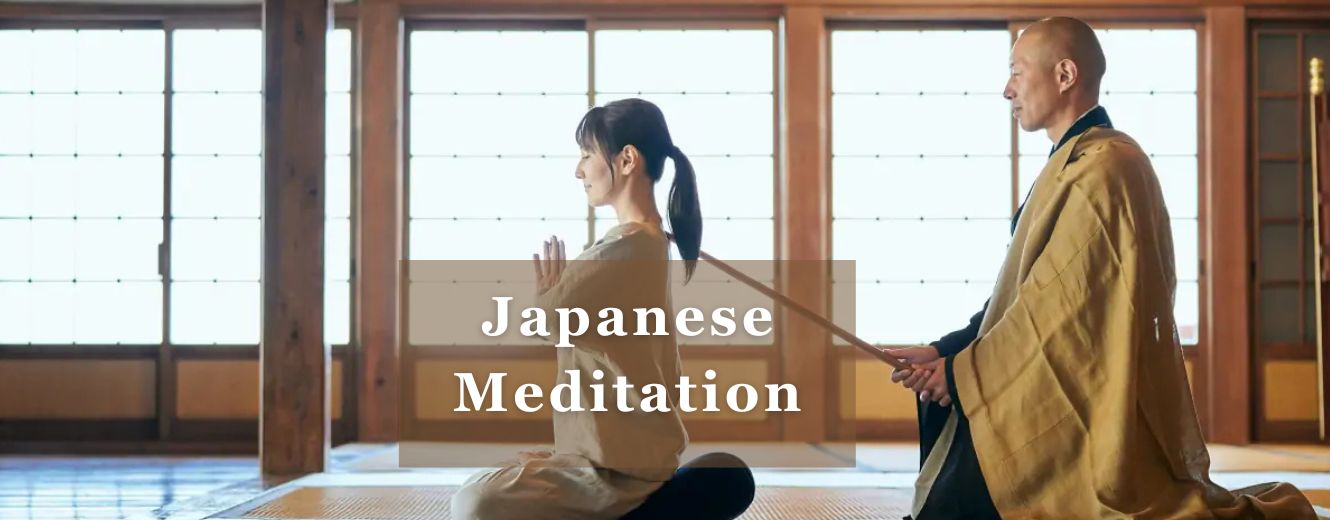
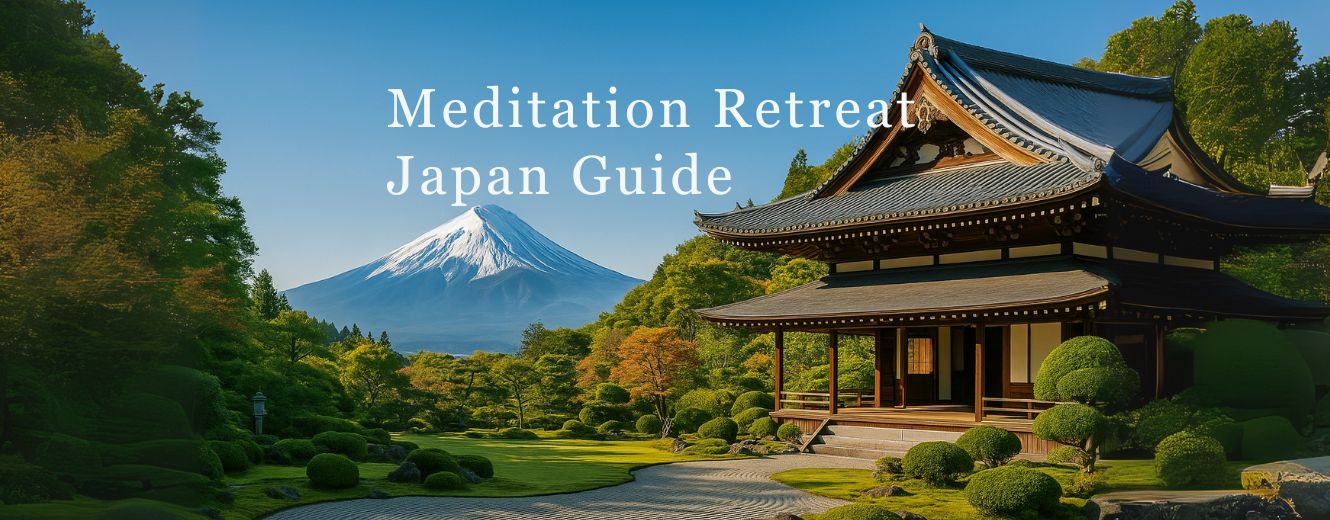
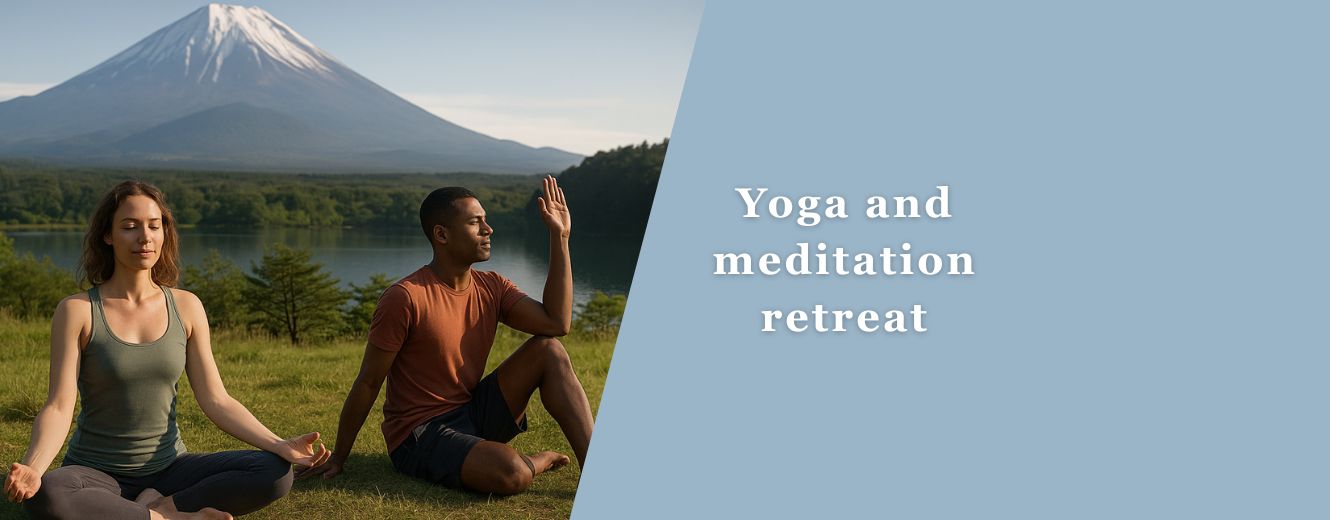
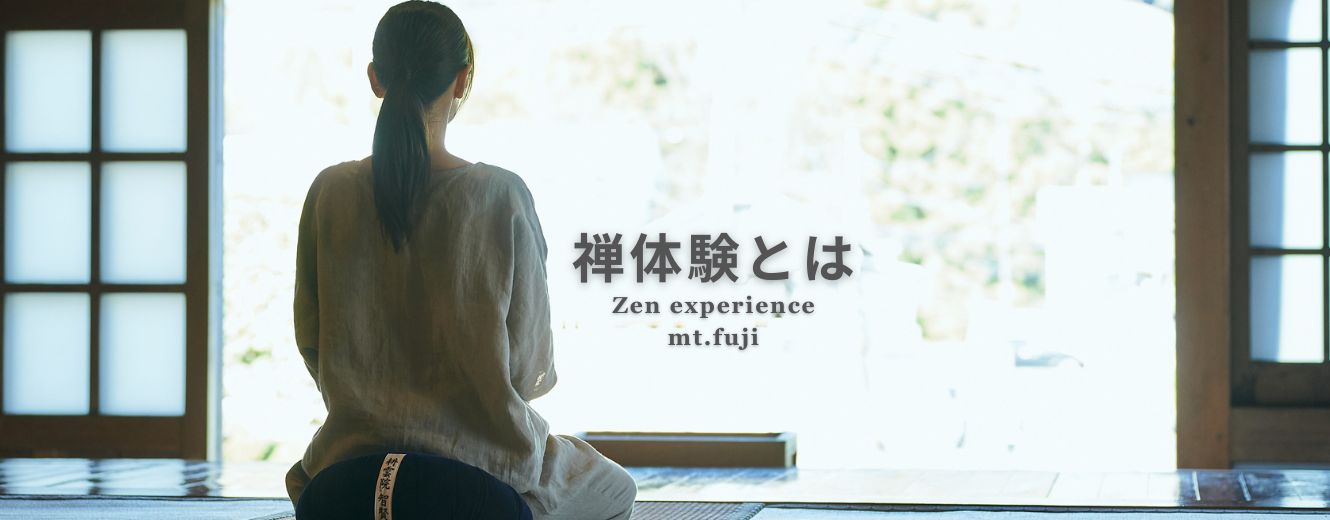
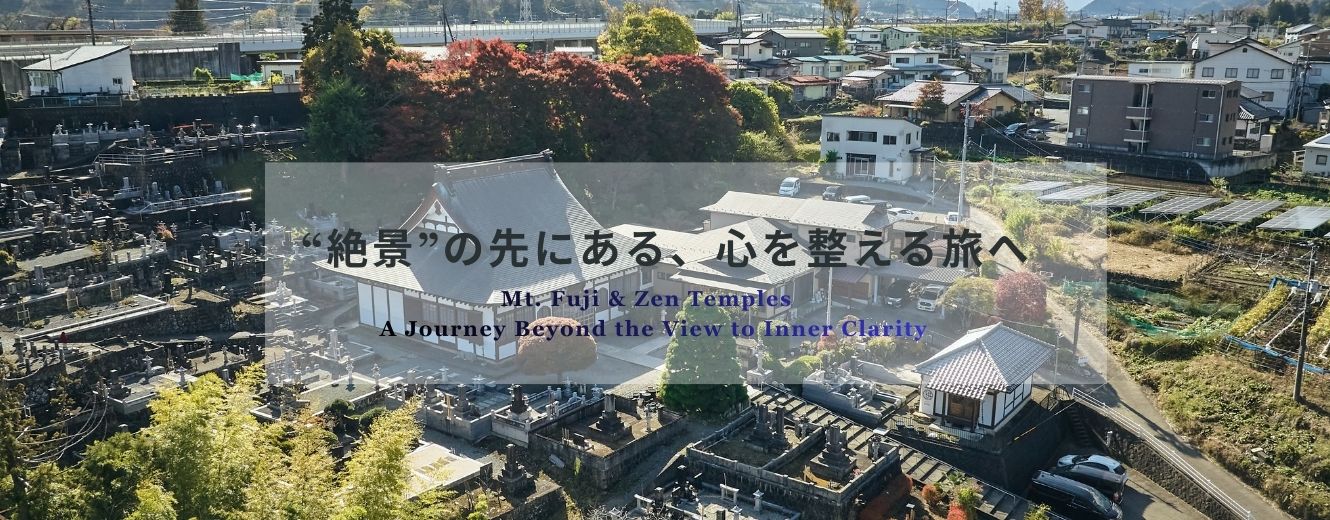
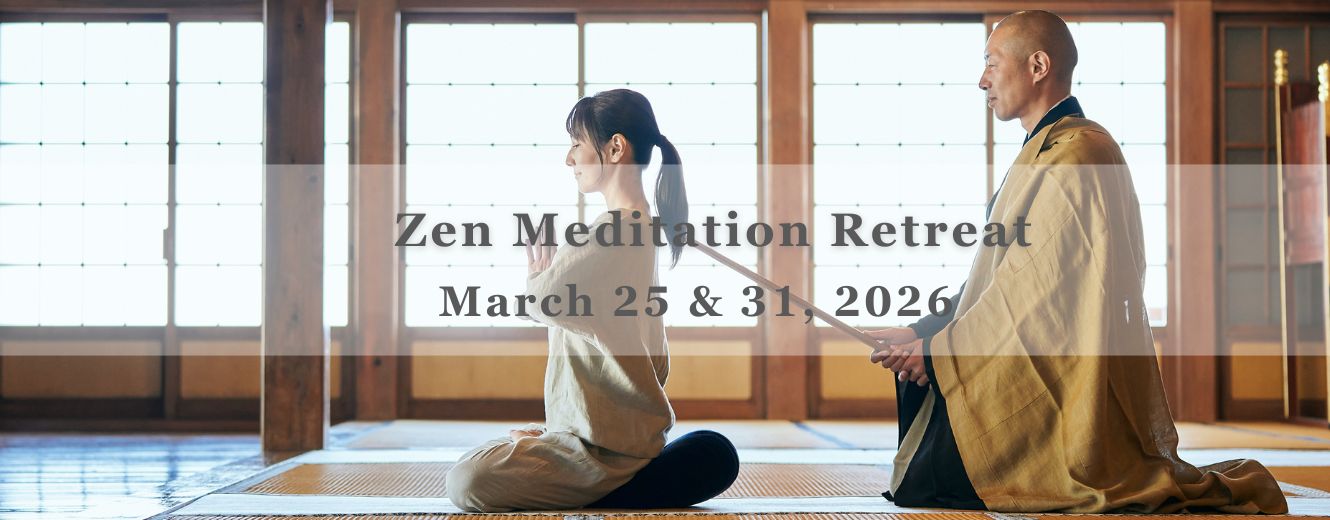
Those who wish to experience this discipline of stillnesscan join the Zen Retreat at Koun-in Temple,a Sōtō Zen monastery at the foot of Mt. Fuji.
Program Highlights
- Zazen Meditation — short guided sessions in English
- Sutra Copying (Shakyo) — patience and precision in ink
- Mindful Actions (Samu) — awareness through simple work
- Shojin Ryori (Zen Cuisine) — plant-based gratitude meals
🕓 3 – 4 hours 💰 ¥10,000 – 15,000 📍 Tsuru City, Yamanashi (90 min from Tokyo)
Voices from Participants — Zen Retreat Experiences in Japan
“The meditation retreat in Japan was the highlight of my trip. Sitting quietly near Mt. Fuji gave me peace I’d never felt before.”
“More than sightseeing — it felt like stepping into the living spirit of Japanese culture.”
“The combination of yoga and zazen was unforgettable. It helped me experience mindfulness in a new way.”
“We joined as a couple, and sutra copying and temple food made the retreat uniquely Japanese.”
“As a senior traveler, I felt supported. Yoga prepared my body, and meditation renewed my energy.”
“As a yoga practitioner, the blend of movement and stillness in an authentic Zen setting was powerful.”
👉 Related reading:
A Personal Note — From Rev. Chiken Kawaguchi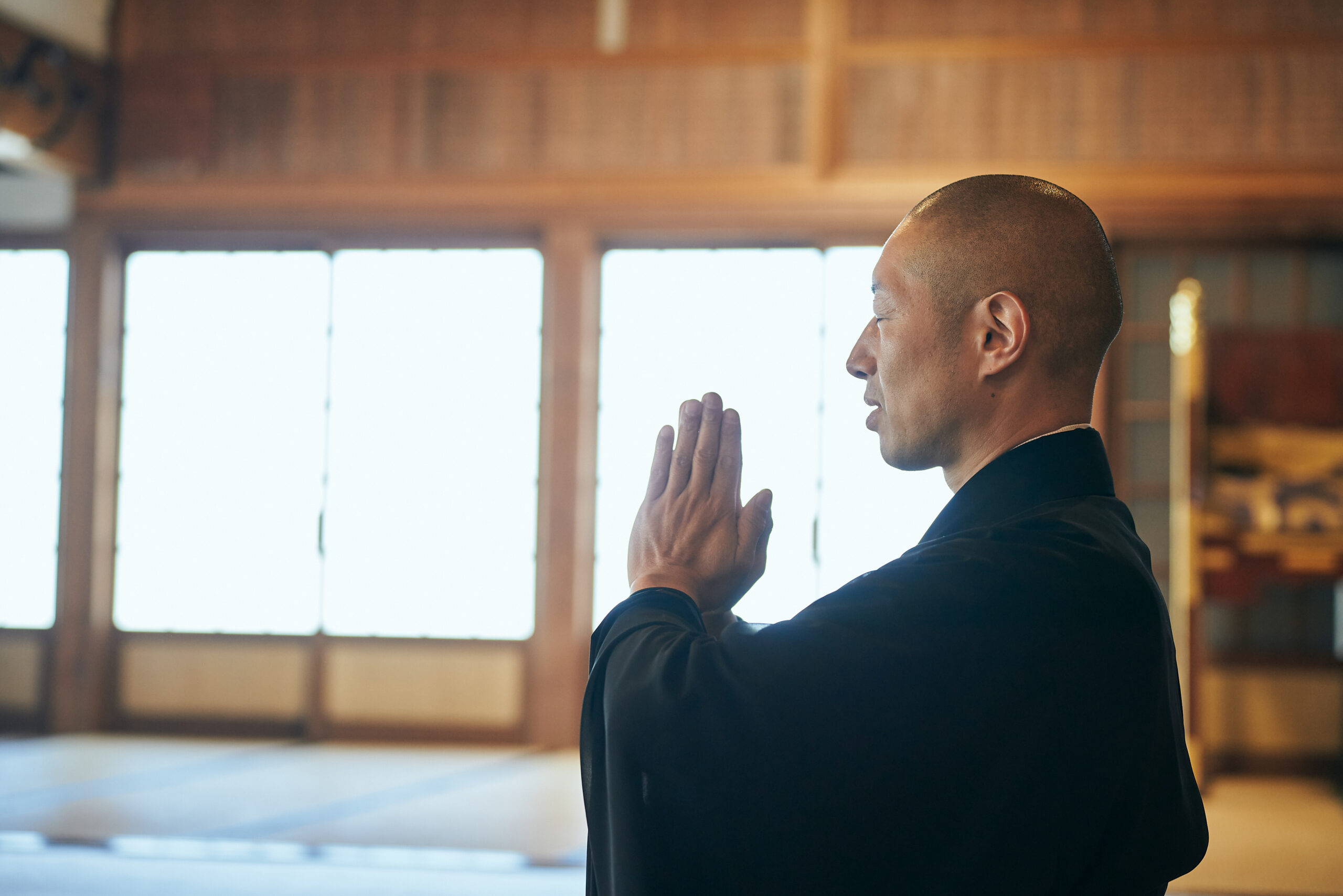
“For years I lived in constant motion — chasing growth, deadlines, achievement.
Like many professionals, I believed peace would come after success.
But true calm begins before success — in the discipline of stillness itself.”
At Eiheiji, the head temple of Sōtō Zen, I learned that discipline isn’t restriction; it’s alignment.
Each bow, each breath, each repetition revealed where my mind had wandered — and how to return.
“Practice is not preparation for life — it is life itself.”
You don’t need to leave your job or family to begin.
Five mindful minutes a day can become your temple.
Each pause and breath trains awareness — not escape, but engagement.
Wherever you are — office, home, or travel — begin there.
Don’t wait for calm. Train it.
👉 Join Online Zazen from Japan — Experience Corporate Mindfulness at Its Roots