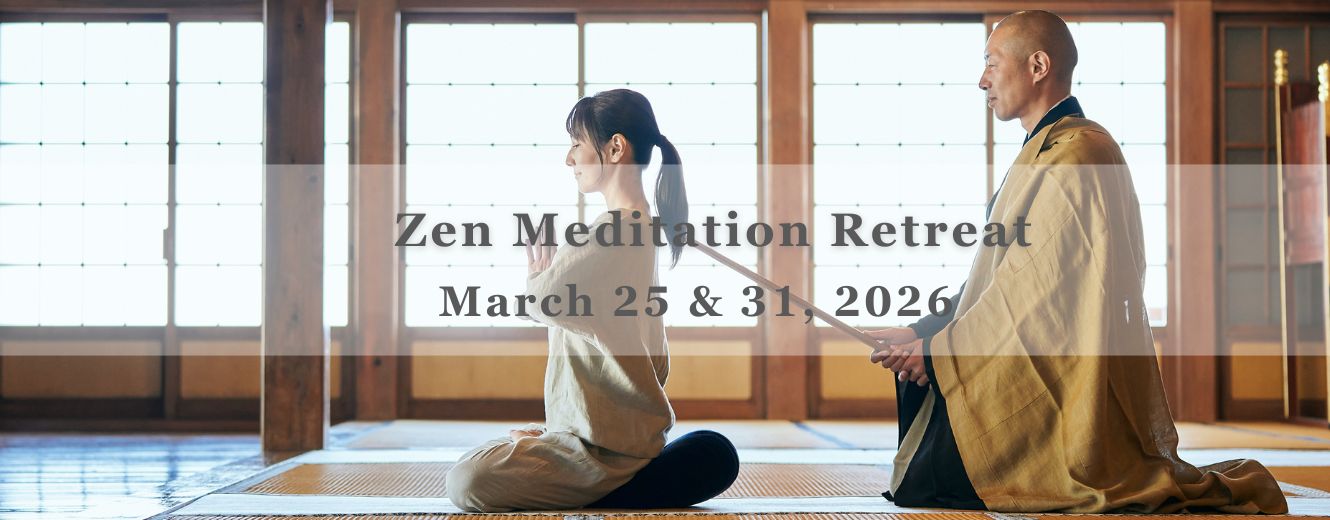

When You Stop, the World Becomes Quiet
In our busy lives, we are always moving toward “what’s next.”
Another message, another task, another plan.
But true peace doesn’t arrive after you’ve achieved enough.
It appears when you pause.
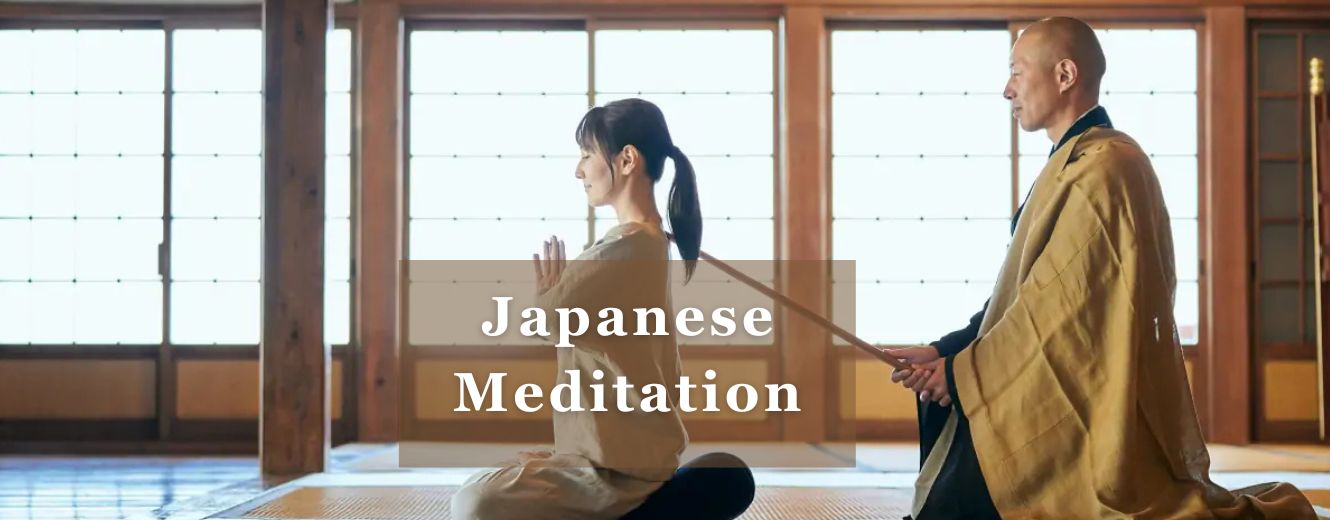
In Zen, this pause has a name — Zazen.
To sit quietly, without trying to fix or improve anything,
and to let the heart remember its natural rhythm —
this is the essence of Zen meditation.
“When you sit, just sit.” — Dōgen Zenji
Zazen is not a relaxation technique or a method to master.
It is the art of returning to your true home —
the stillness that has never left you.
👉 Related reading: What Is Zen Buddhism?
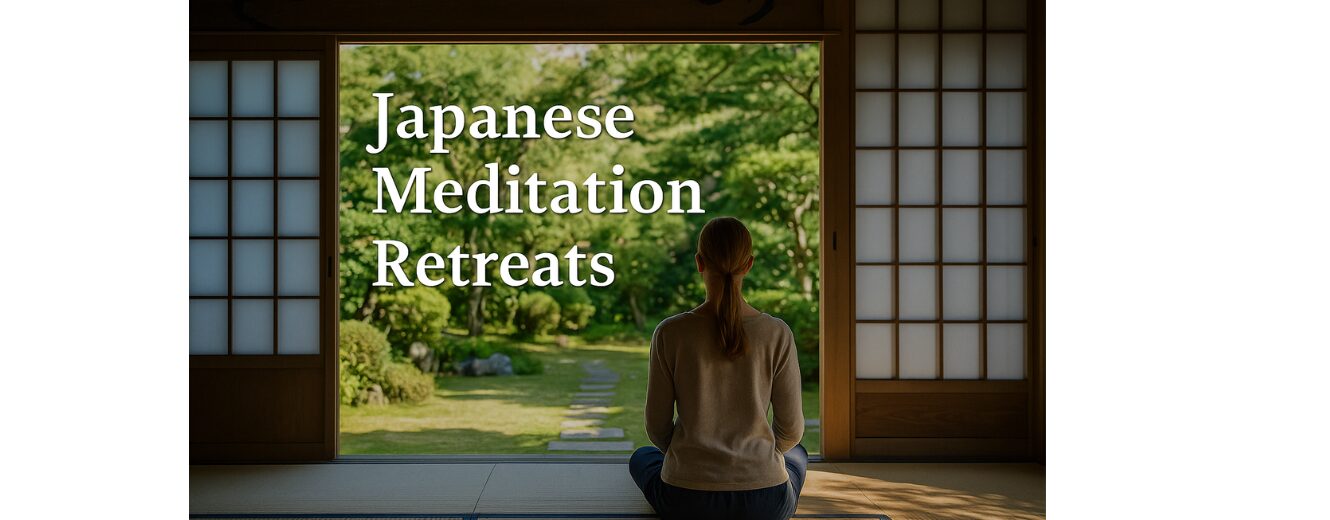
👉 Explore: Meditation Retreats in Japan
The Three Harmonies — Body, Breath, and Mind
Zen teaches that sitting begins not with effort, but with alignment —
what Dōgen called the “Three Harmonies”:
- Chōshin(調身)– Align the body
- Chōsoku(調息)– Align the breath
- Chōshin(調心)– Align the mind
When these three become one, you don’t “create peace” — you uncover it.
1. Aligning the Body — Sitting Straight, Sitting True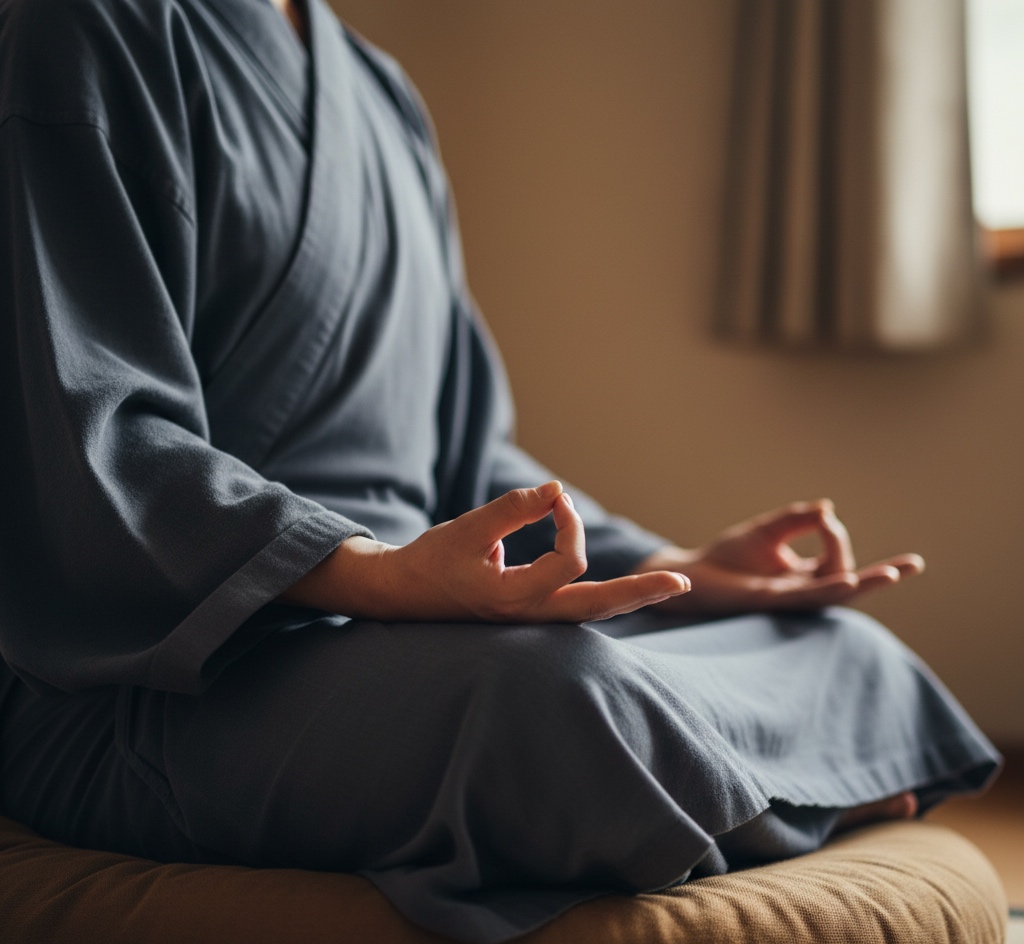
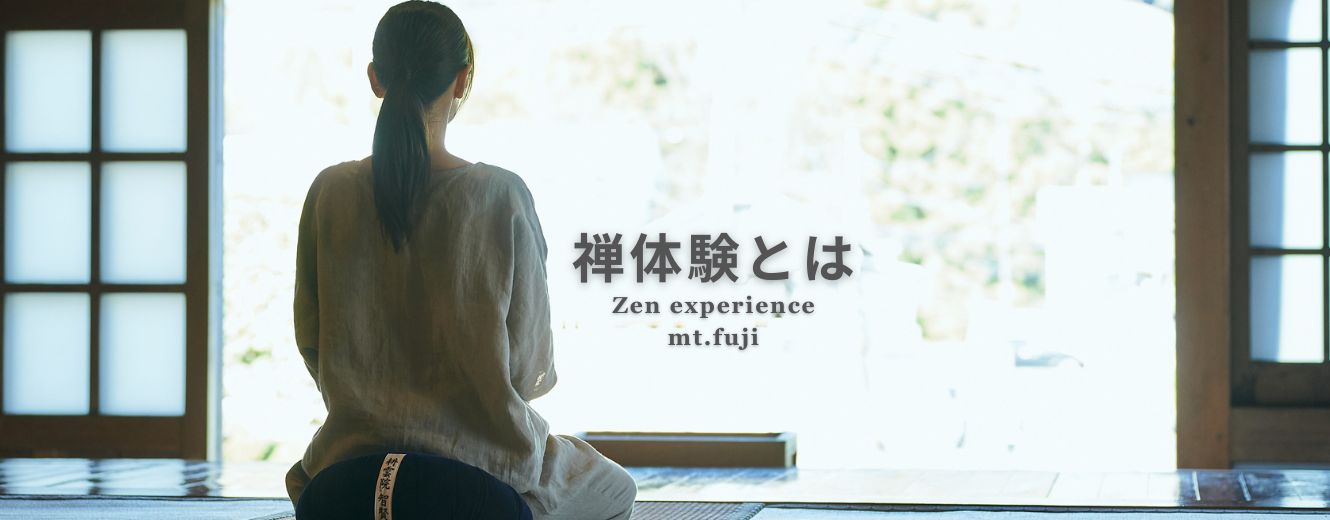
Place a zafu (round cushion) beneath you.
Sit with your spine upright, yet relaxed —
as if a thread from the crown of your head connects you to the sky.
Your hands rest in your lap, forming the Cosmic Mudra,
thumbs gently touching, creating an oval of calm.
“When the body sits upright, the heart naturally follows.”
This posture isn’t about perfection.
It’s about presence — the dignity of simply being here.
2. Aligning the Breath — Letting Go of Control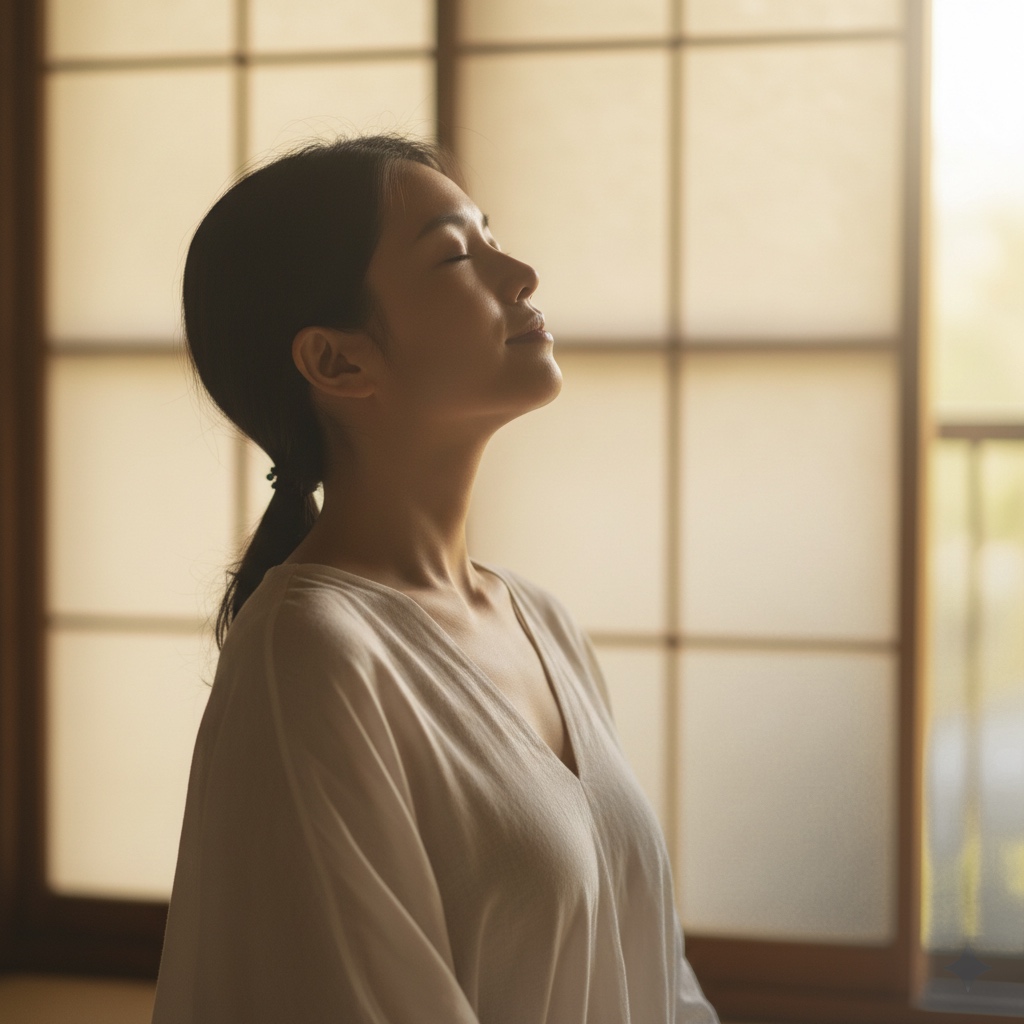
Breathe through the nose, softly.
Don’t control the rhythm — listen to it.
The breath is not something you “do”; it’s something that happens through you.
If thoughts come, let them drift like clouds across the sky.
If the body aches, bow to the pain.
“When your legs hurt, they’re teaching you awareness.”
Gradually, the line between breath and awareness fades.
Only this living moment remains.
👉 Learn more:Mindfulness Practice
3. Aligning the Mind — Seeing Without Judging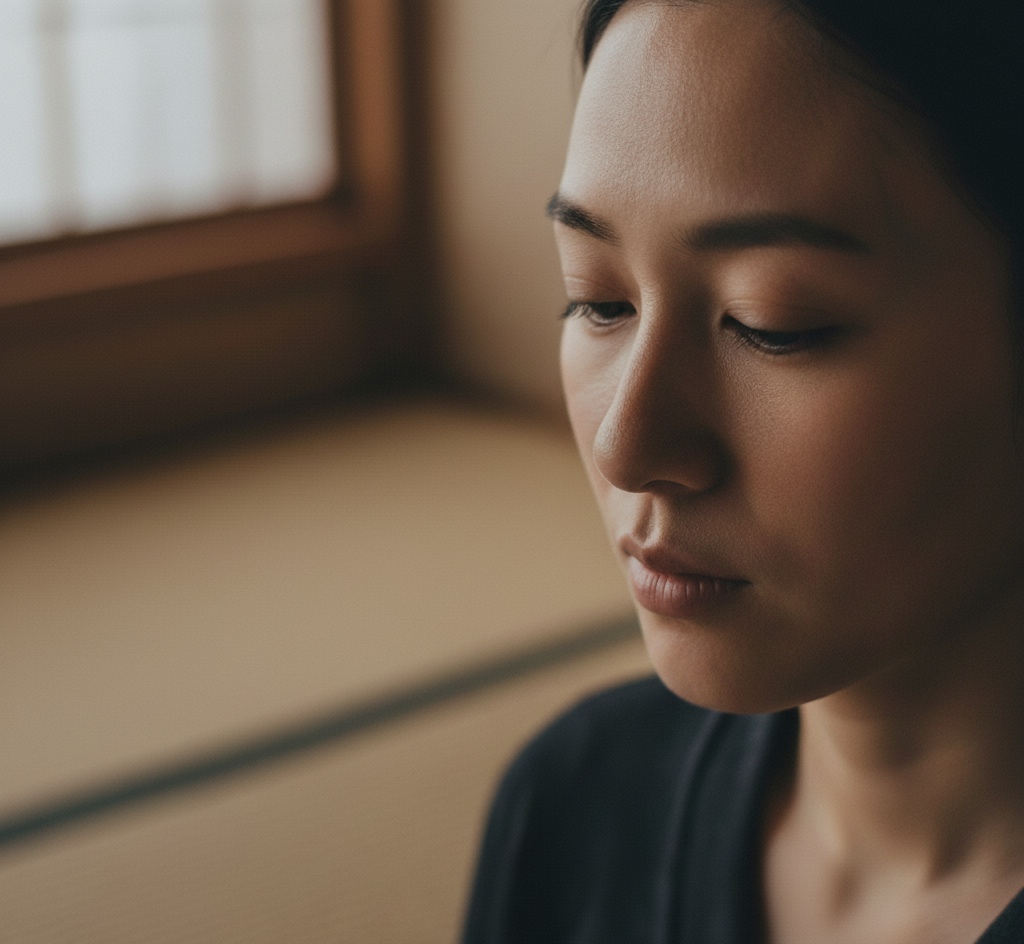
In Zazen, thoughts are not enemies.
You don’t have to silence the mind — you simply learn to see it clearly.
When a memory or worry arises, notice it.
Then return — gently, without resistance.
This returning, again and again, is the true rhythm of meditation.
Zen calls this shikan taza (只管打坐) — “just sitting.”
Not sitting to become peaceful, but sitting as peace itself.
The Pain and the Stillness — Learning from Discomfort
Pain, restlessness, or boredom often appear during meditation.
But they are not barriers — they are mirrors.
Each sensation is a quiet teacher.
The stillness of Zazen is not a void.
It’s a space that holds everything — even discomfort, even doubt.
When you stop resisting them, you begin to see them transform.
“The clouds of thought don’t block the sky. They reveal it.”
Beyond the Cushion — Zazen in Daily Life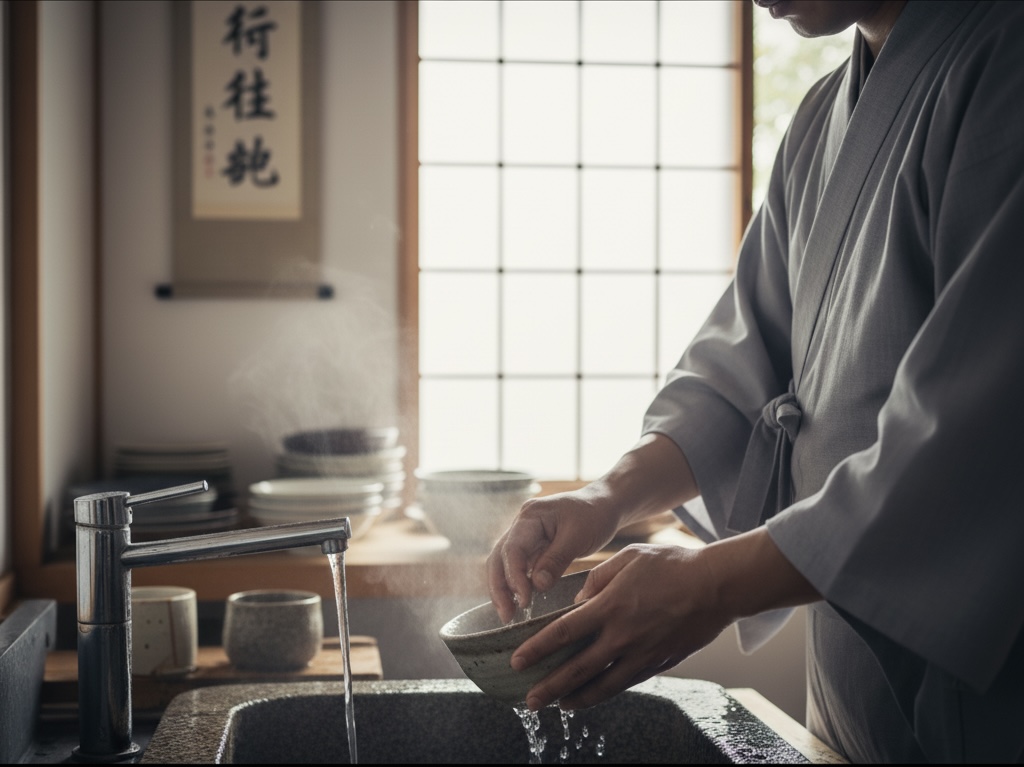
Zazen doesn’t end when the bell rings.
It continues when you walk, clean, cook, or sip tea.
This is Gyōjūzaga (行住坐臥) — standing, walking, sitting, and resting as one seamless meditation.
To sweep the floor is to sweep the mind.
To wash a dish is to wash away distraction.
Even a single breath of awareness becomes a quiet revolution.
“Even washing dishes can be Zazen when done with full attention.”
👉 See also: Japanese Meditation — The Spirit of Zen
Returning to the Quiet Home Within — Koun-in Temple Zen Retreat
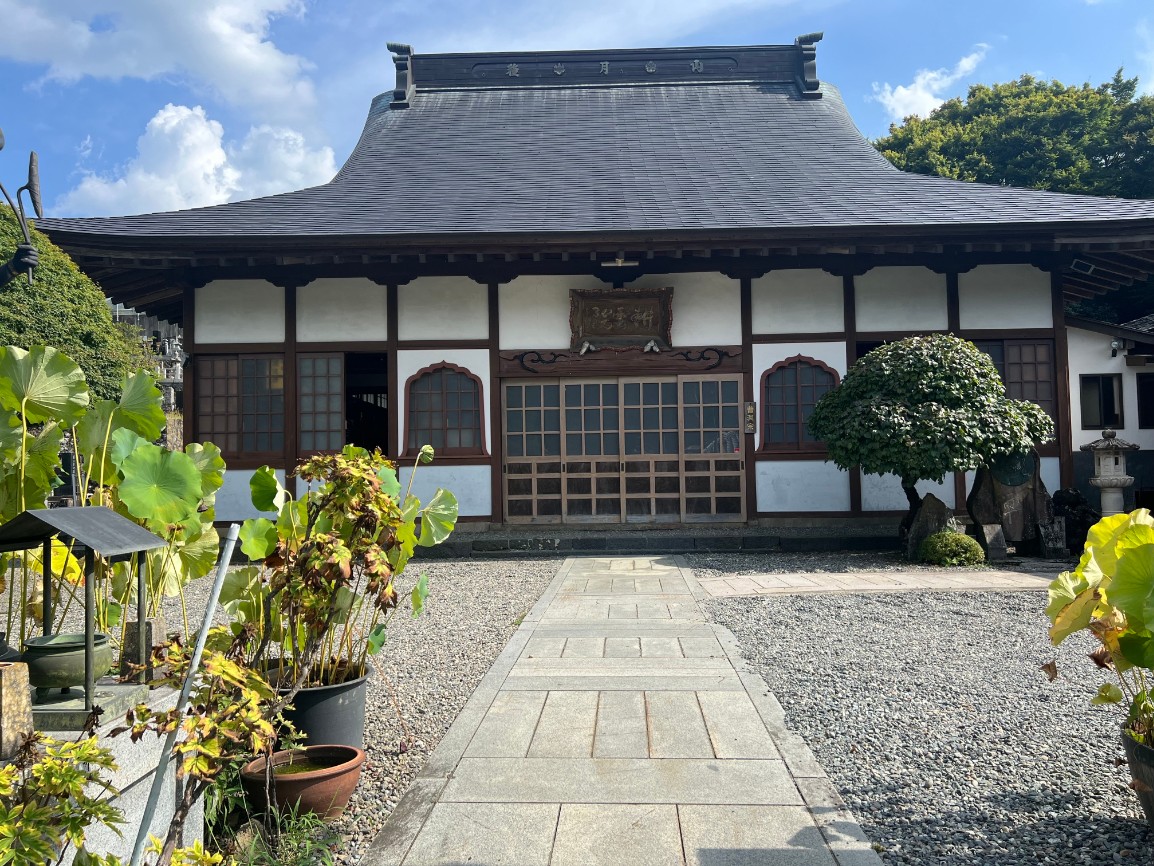
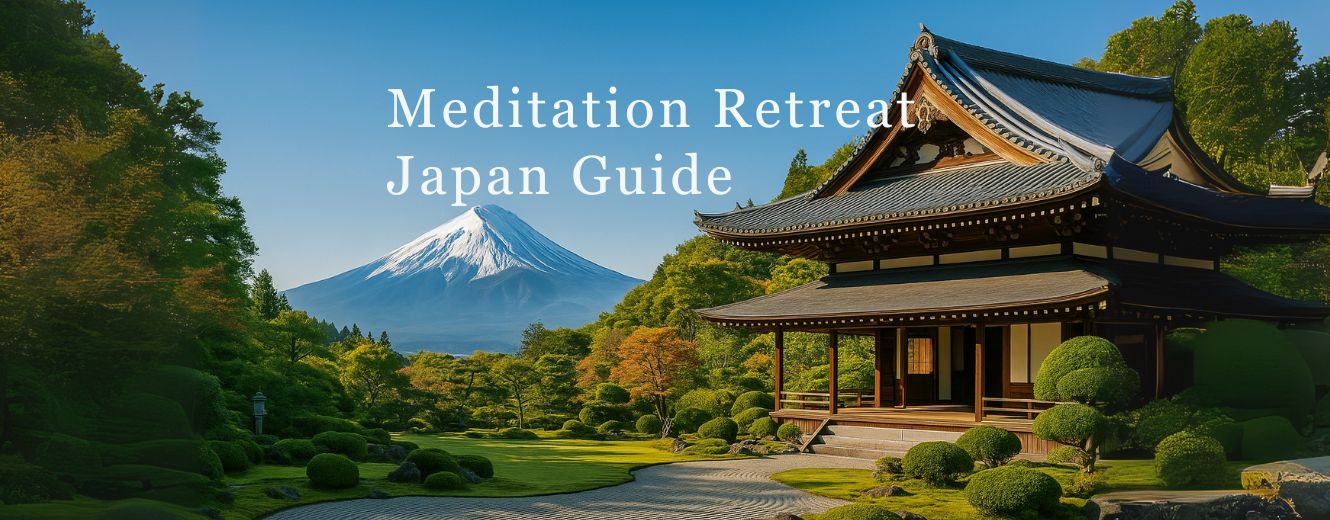
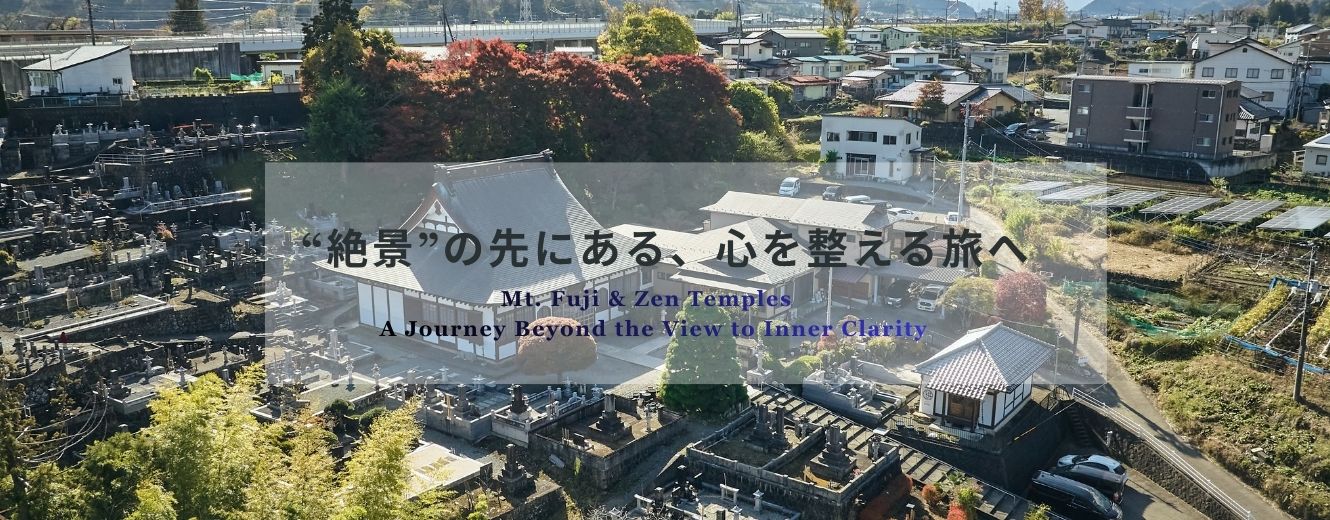
Nestled in the forests of Yamanashi, Koun-in Temple offers a peaceful setting for authentic Zen practice —
both onsite and online, guided by Vice Abbot Rev. Chiken Kawaguchi.
Through sitting, walking, and mindful eating, we learn to listen again.
Through cleaning, cooking, and simple acts, we rediscover presence in everyday life.
Zen teaches:
“To study the Way is to study the self; to study the self is to forget the self.”
This is not self-erasure — it is liberation.
It is remembering that what we seek has never been absent.
“A spiritual retreat is not an escape, but a return.”
Experience at Koun-in Temple:
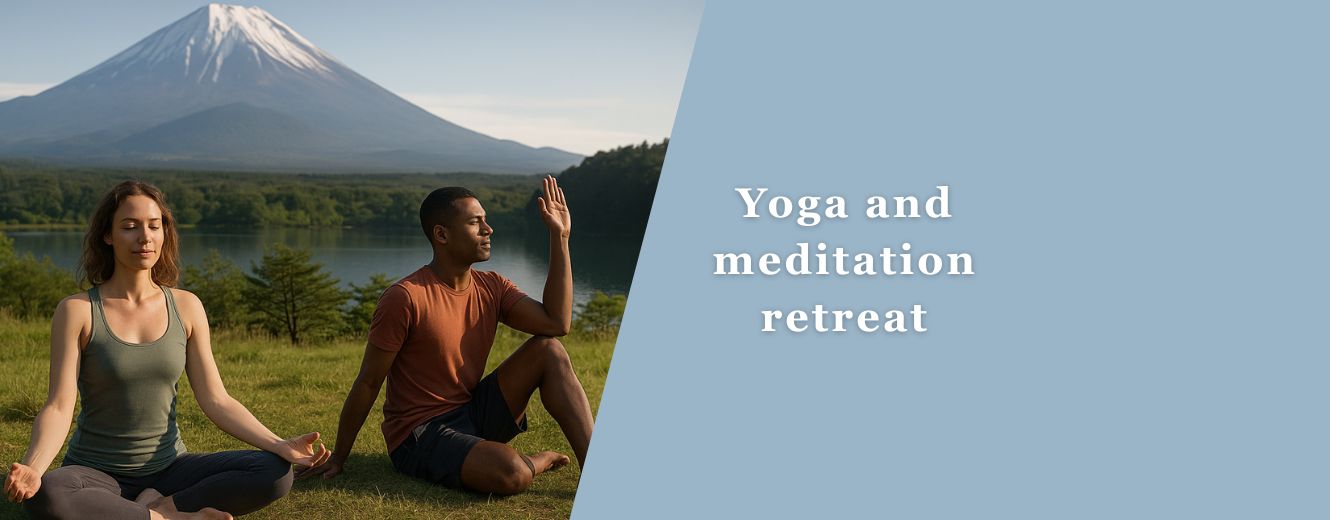
- Location: Tsuru City, Yamanashi, near Mt. Fuji
- Duration: 3–4 hours (ideal for travelers)
- Activities: meditation, sutra copying, tea, nature walks, temple meals
- Guidance: English-friendly, for beginners and experienced meditators alike
Voices from Participants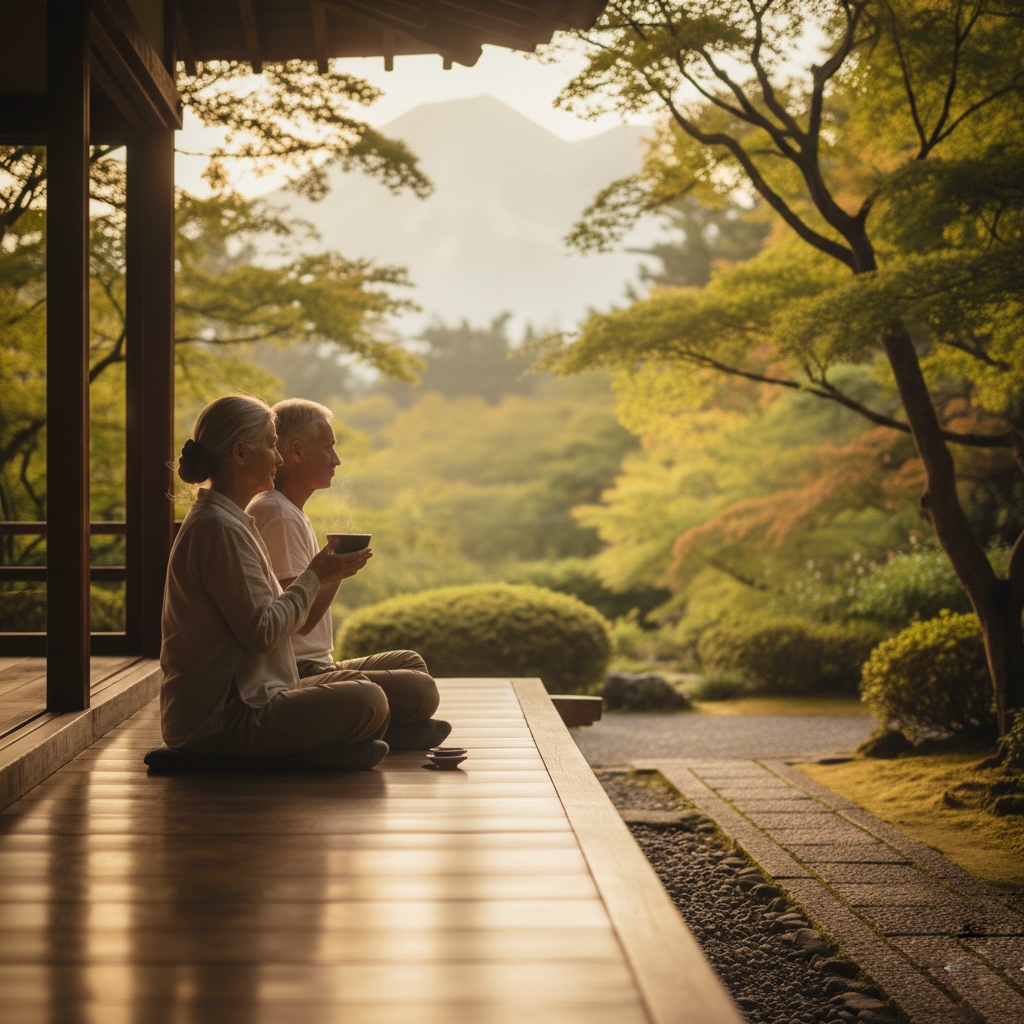
“The meditation retreat in Japan was the highlight of my trip. Sitting quietly near Mt. Fuji gave me peace I’d never felt before.”
“More than sightseeing — it felt like stepping into the living spirit of Japanese culture.”
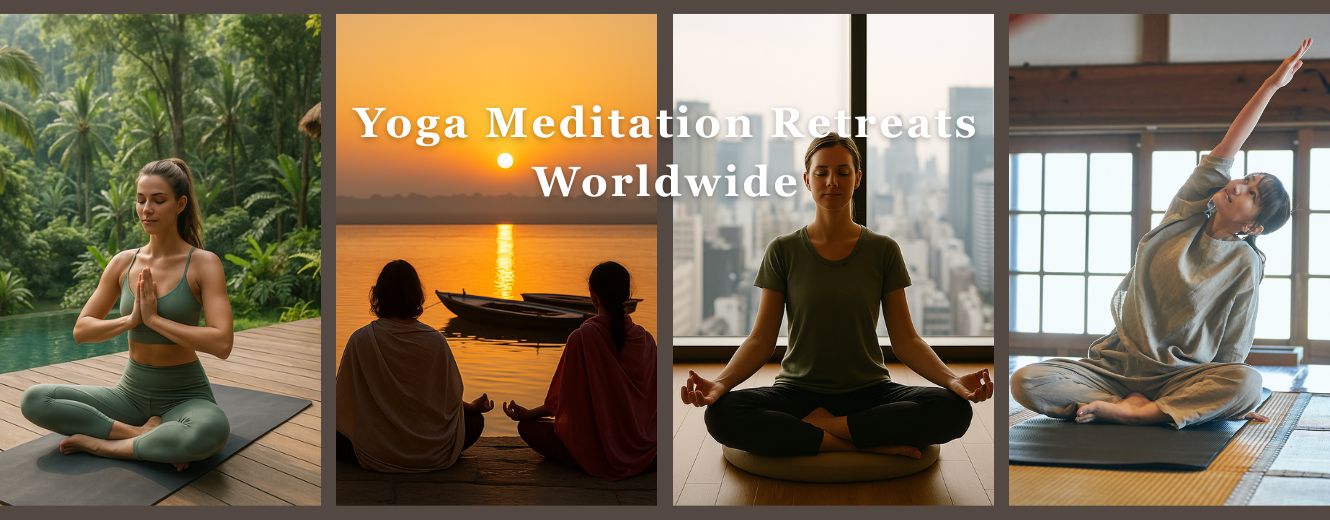
“The combination of yoga and Zazen was unforgettable. It helped me experience mindfulness in a new way.”
“We joined as a couple, and sutra copying and temple food made the retreat uniquely Japanese.”
“As a senior traveler, I felt supported. Yoga prepared my body, and meditation gave me renewed energy.”
“As a yoga practitioner, the blend of movement and stillness in an authentic Zen setting was powerful.”
A Message from Rev. Chiken Kawaguchi — Vice Abbot of Koun-in Temple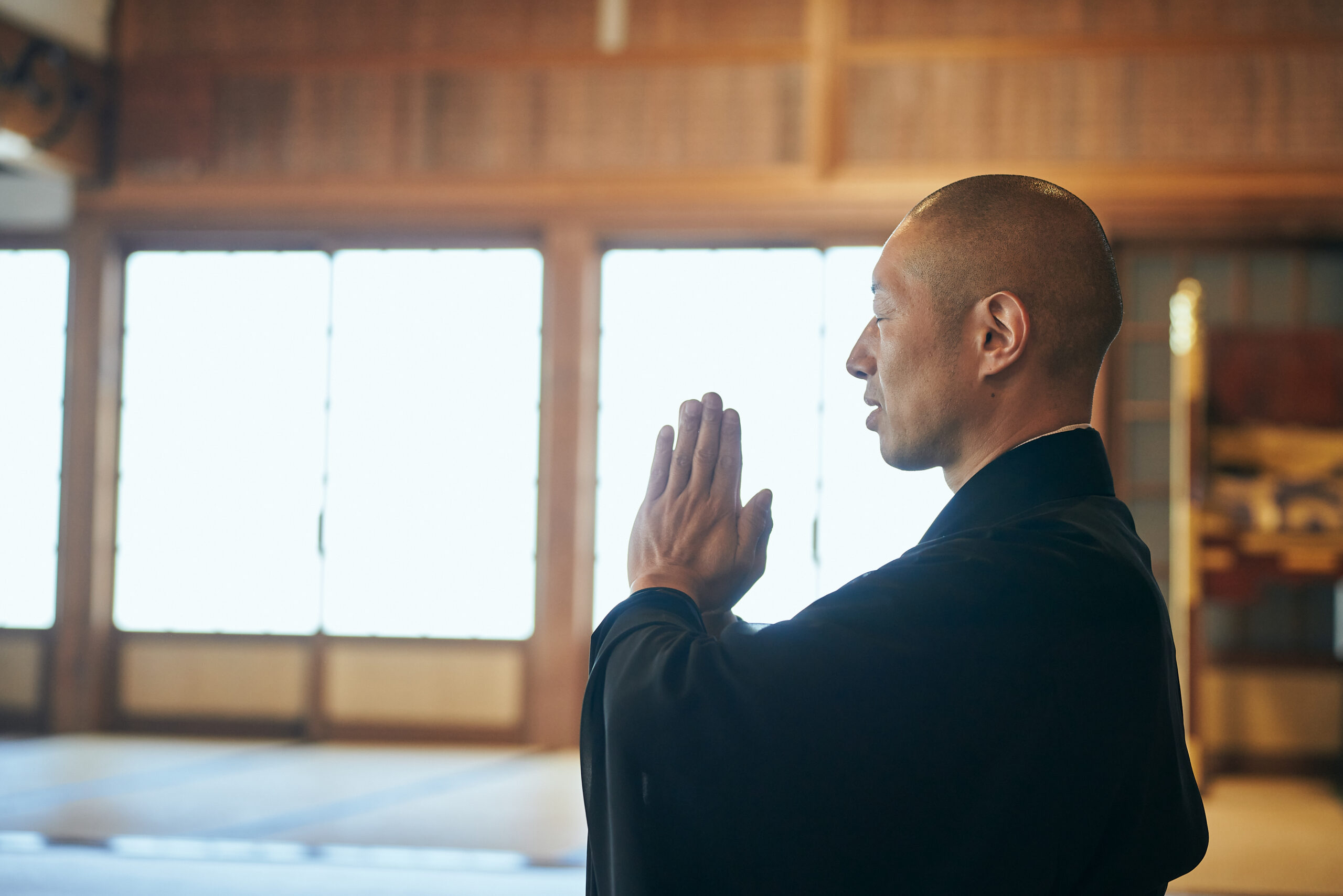
“For many years, I believed peace would come after success —
once I had done enough, worked enough, proved enough.
Like a fish that never stops swimming, I was afraid to pause.
But through Zen, I discovered something gentle and profound:
peace doesn’t come after effort — it appears when we pause.
At Eiheiji, I learned that discipline is not harshness but harmony —
aligning body, breath, and mind (Chōshin, Chōsoku, Chōshin).
In that rhythm, I realized:
‘The act of sitting itself is enlightenment.’
Zen is not confined to the meditation hall.
It lives in Gyōjūzaga — standing, walking, sitting, lying down.
Even five quiet minutes can become a temple of peace.
Dōgen Zenji said, ‘Do not let time pass in vain.’
The right moment to begin is not tomorrow — it is now.”
👉 Join Online Zazen from Japan
FAQ — About Buddhist Retreats in Japan
Can I join alone?
Yes. Many participants come solo, seeking quiet time for themselves. Beginners are warmly supported.
How long is the program?
About 3–4 hours — easy to fit into a travel schedule.
Is English guidance available?
Yes. Simple English guidance is provided.
Is Shojin Ryori (temple cuisine) included?
It depends on the plan. The meal option lets you experience mindful eating.
Do I need to bring anything?
No. Comfortable clothing is enough; all materials are provided.
How do I book?
Please make an advance reservation through our contact form.
Early booking is recommended, especially on weekends and holidays.
Conclusion — The Stillness Has Always Been Here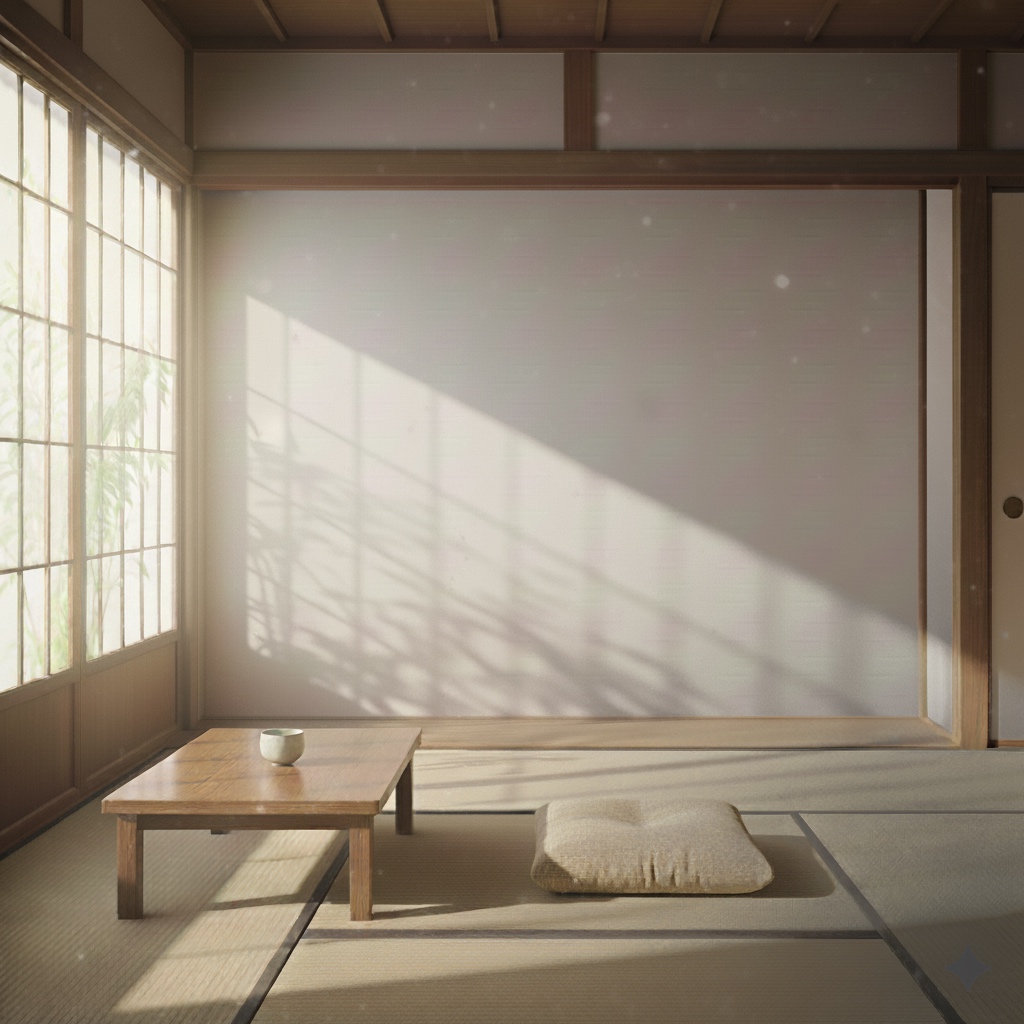
In Zazen, we do not find a new self —
we remember the self that was never lost.
Peace is not achieved; it is uncovered.
And once you experience it, even for a breath,
you realize it was always waiting — quietly — inside you.
“You don’t find peace. You remember it.”