
Why So Many People Seek a Spiritual Retreat — The Search for Inner Transformation
Modern life moves fast — always connected, always changing.
Emails, deadlines, and endless notifications blur the line between work and self. Even after success, many whisper:
“Something essential is missing.”
In a world overflowing with information, few moments remain to face ourselves.
We chase external goals, comparing constantly, and lose touch with the quiet center inside.
That’s why more people today turn toward spiritual retreats — not to escape life, but to return to it, fully awake.
It isn’t luxury or escapism; it’s a conscious act of coming back to one’s essence.
What a Spiritual Retreat in Japan Really Means — Beyond Relaxation and Meditation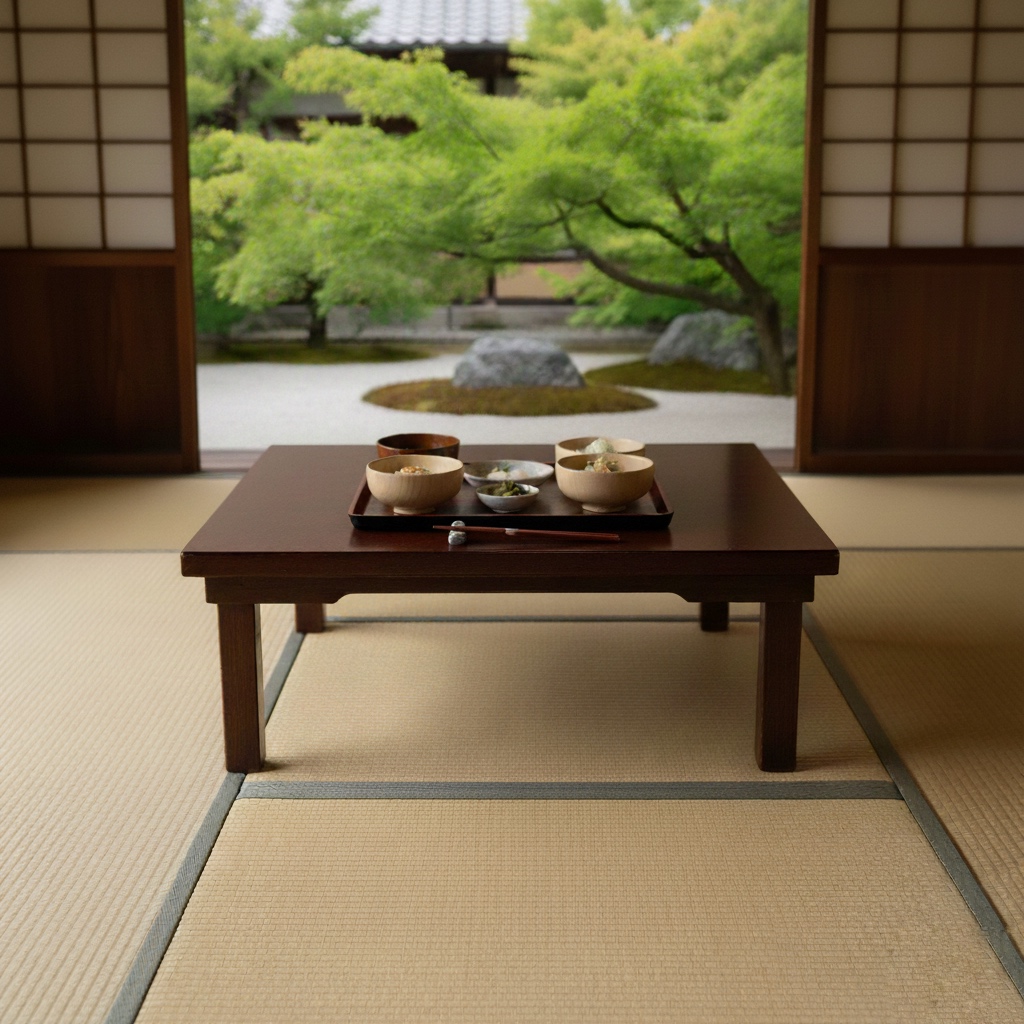
Religion-Free Spirituality and the Middle Way
A spiritual retreat goes deeper than relaxation.
Just as shojin ryori (Zen vegetarian cuisine) values subtle simplicity rather than indulgence, a true retreat values essence over comfort.
It is a journey of spiritual transformation — a return to balance between abundance and austerity, between effort and ease.
Rooted in the Middle Way of Buddhism, it is neither denial nor indulgence, but the discovery of genuine well-being (heijō-shin).
Zen Roots: Gratitude, Impermanence, and Interconnection
Unlike meditation retreats that focus mainly on calming the mind, a spiritual retreat is meaning-driven:
it asks, “Why am I alive? What is my guiding principle?”
This is not bound to any religion.
It’s a religion-free spirituality — an experience of the sacred that arises through gratitude, impermanence, and interconnection (engi).
Such awareness is the beginning of spiritual awakening.
👉 To understand the roots of Zen, see ourZen Buddhism Temples in Japanarticle.
Why People Choose a Spiritual Retreat — Healing, Stress Relief, and Spiritual Awakening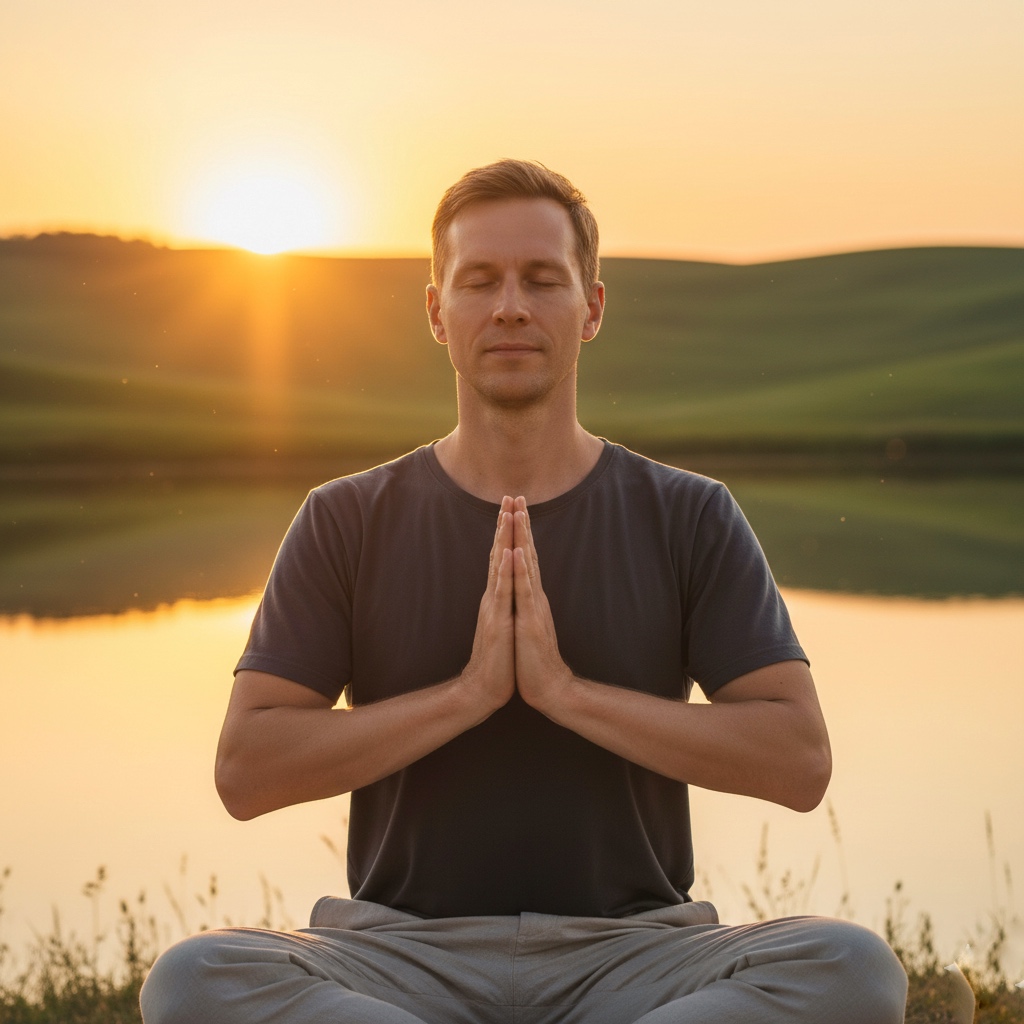
Life Transitions and Emotional Healing
Behind most searches for “spiritual retreat” lies a turning point in life — transitions, loss, burnout — moments when clarity dissolves. People often carry silent questions:
“I need to reconnect with myself.”
“I want to feel alive again.”
From Burnout to Awareness — Returning to Yourself
A retreat becomes the mirror where we face not only our pain but also our shared humanity.
It reminds us: everyone wishes to be understood, respected, and loved.
The goal is not to escape life but to return with new vision —
“It’s not about escaping life, but returning to it with new clarity.”
Many join for healing, stress relief, or spiritual growth.
Through silence and mindful presence, they rediscover a sense of being supported — not alone, but connected through countless unseen bonds (go-en).
What Happens During a Zen Spiritual Retreat
Typical Experiences and Practices
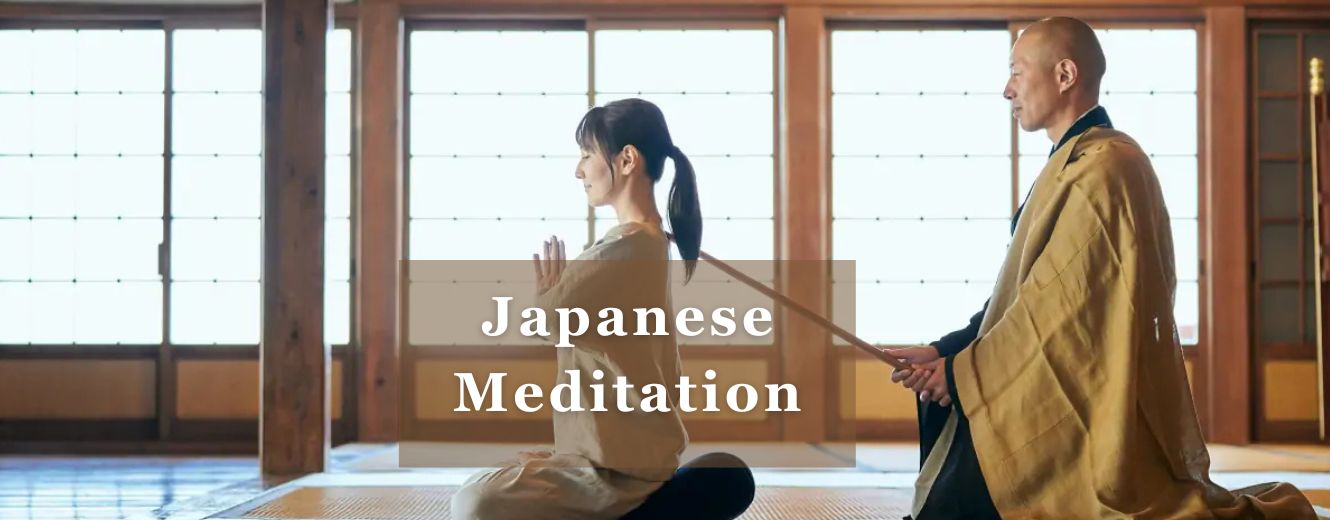
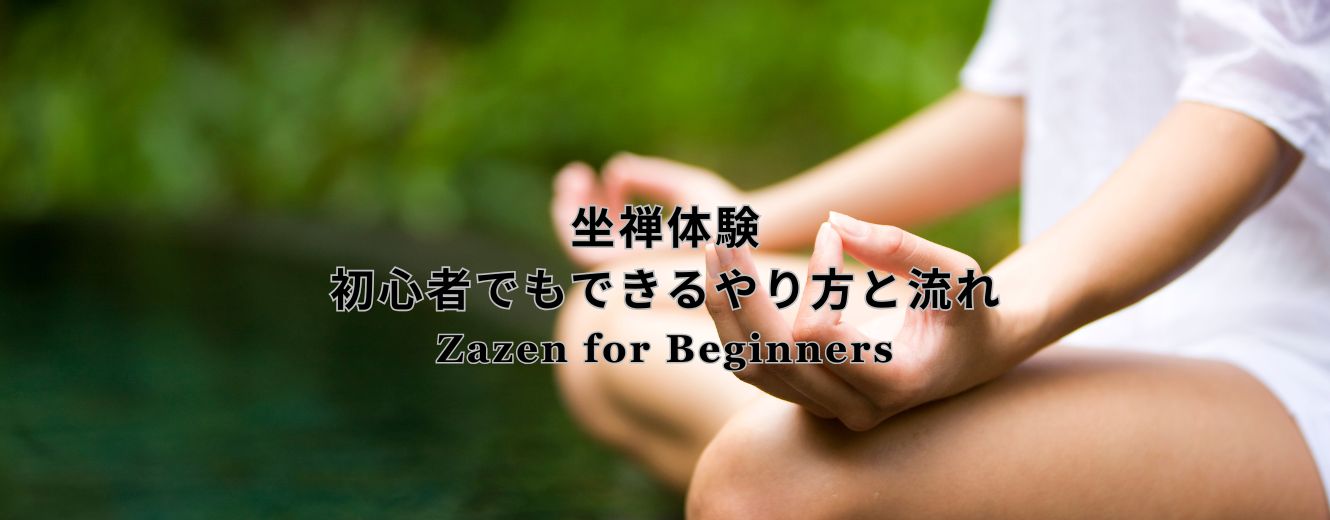
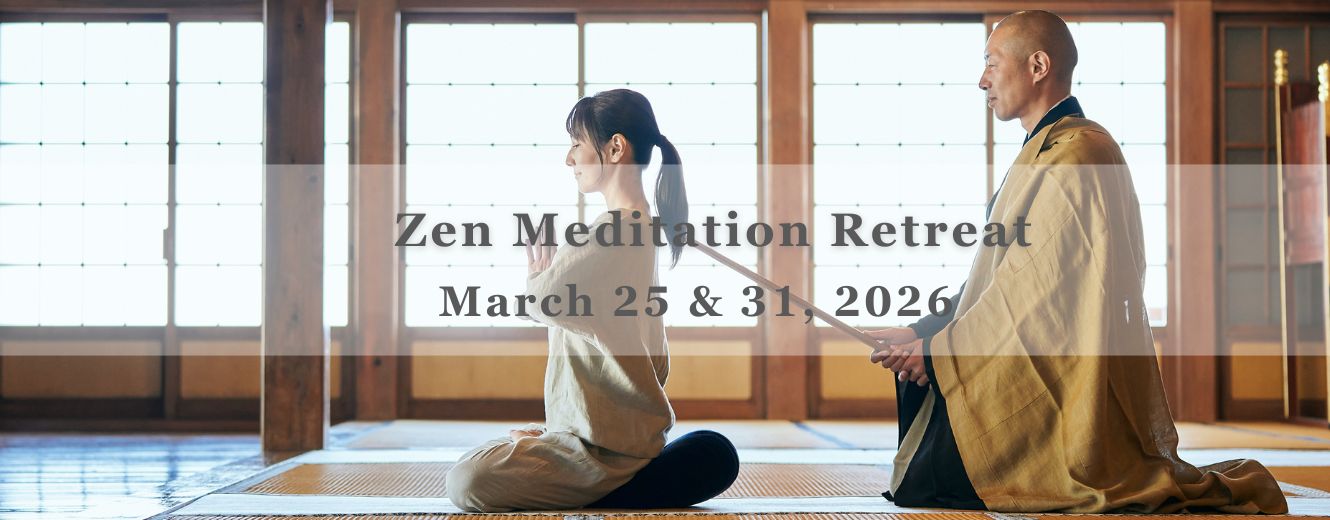
- Zazen (meditation): sitting quietly, aligning body and breath.
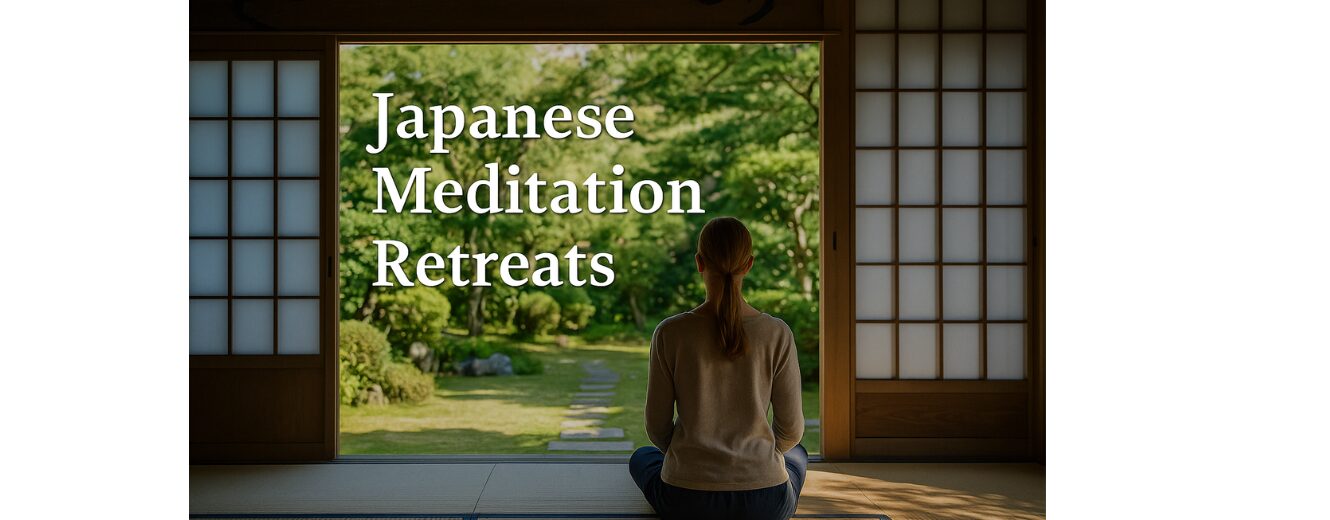
- Nature walks: feeling wind, water, and sound without commentary.
- Silent periods: training awareness to pause before reaction.
- Group practice (Dōgyō Dōshū): sharing silence with others, releasing isolation.
At first comes restlessness; then quiet; then reflection; finally — clarity.
Anxiety → Silence → Insight → Peace
In silence, we practice what Zen Master Dōgen taught: before speaking in anger, look within three times — ask if your words benefit both self and others (jiri-rita).
A retreat is that “one breath before action” extended into days.
“Real transformation often begins in silence.”
Best Spiritual Retreat Destinations in Japan — From Kyoto to Mt. Fuji
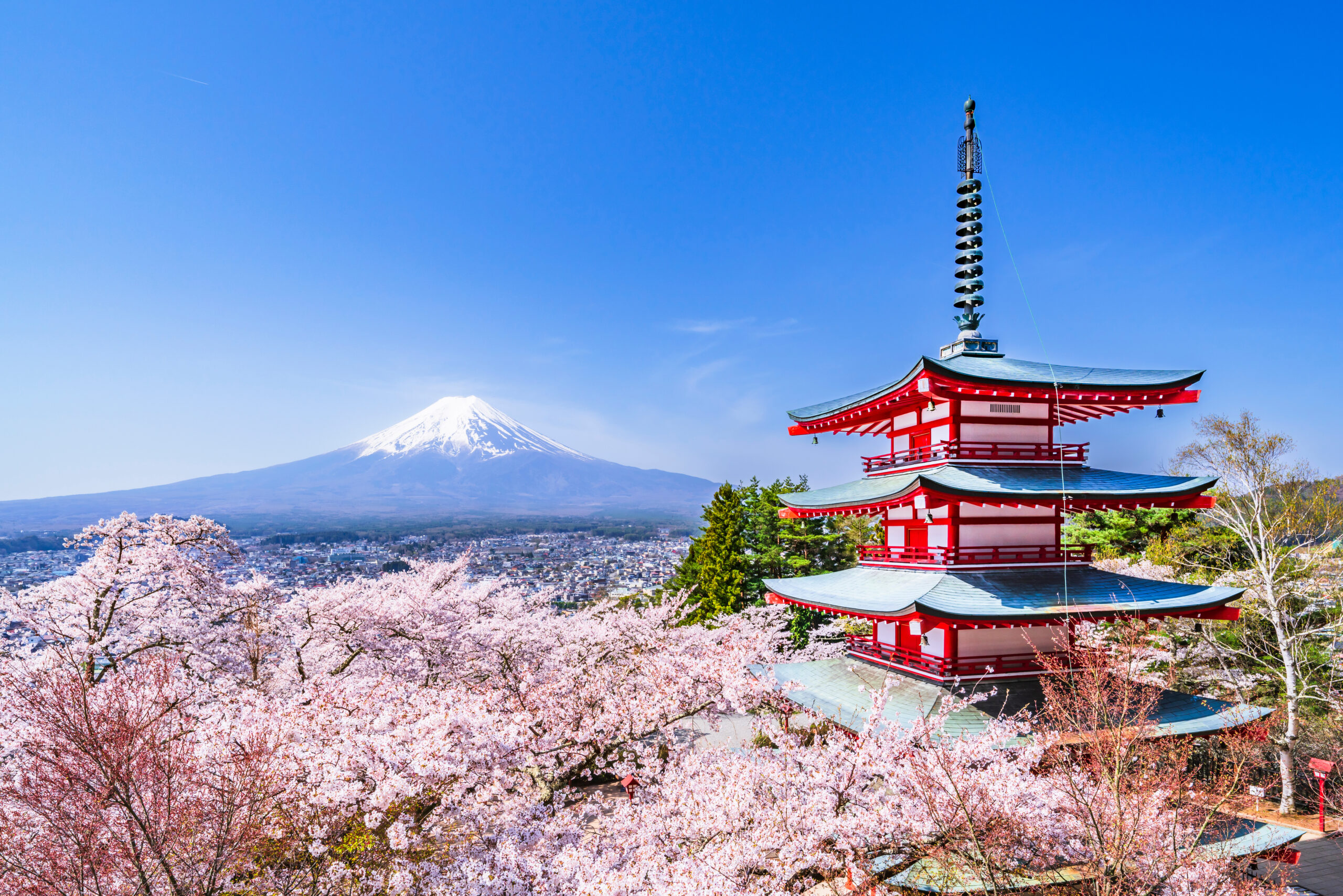
Top Spiritual Regions in Japan
- Nara — cradle of Japanese Buddhism, home to ancient scripture chanting.
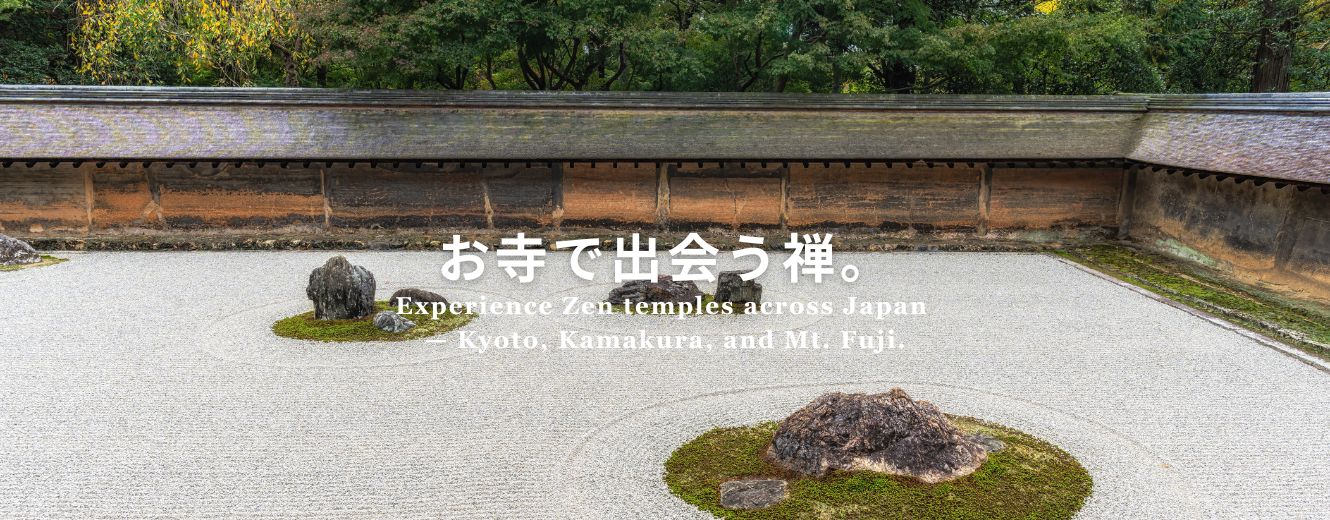
- Uji (Kyoto) — where Dōgen founded his first Zazen temple.
- Eiheiji (Fukui) — rigorous training monastery for mind and manners.
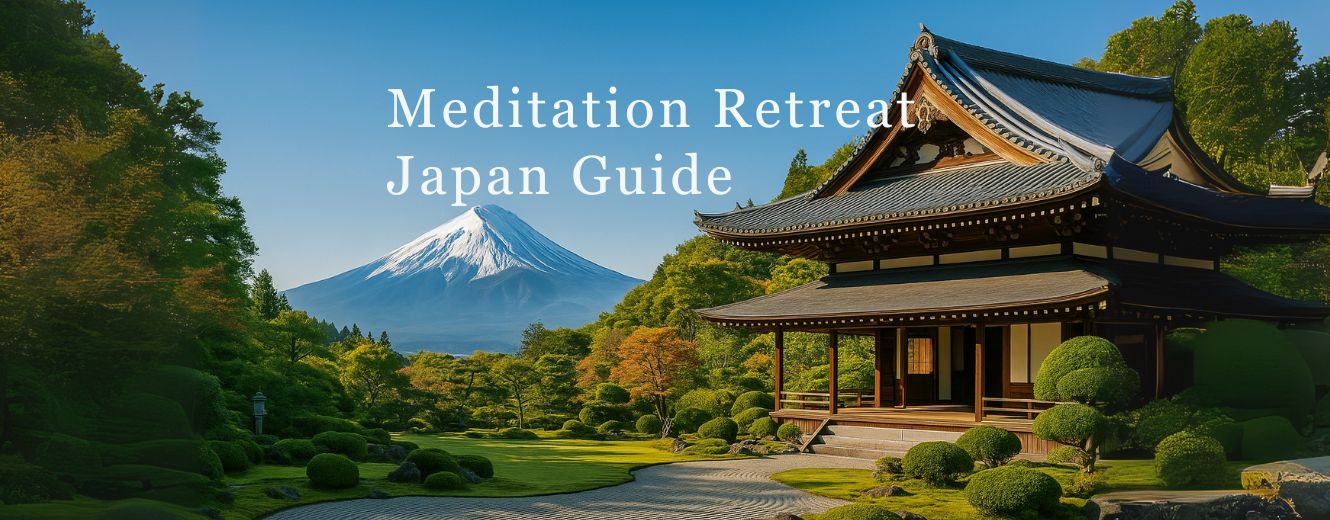
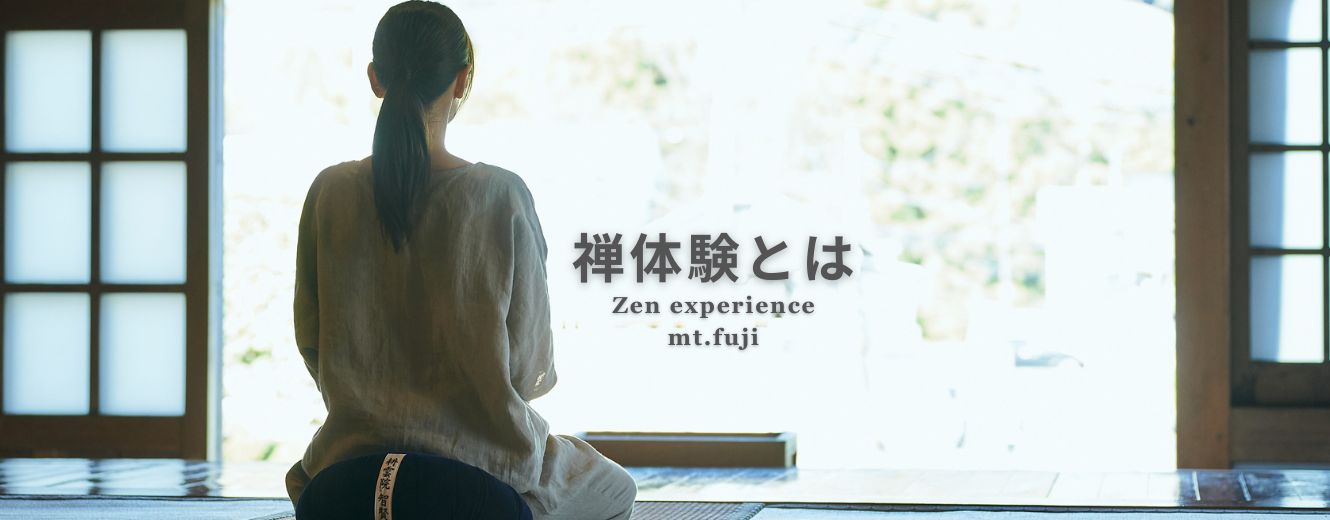
- Mt. Fuji Area — where nature and stillness meet in perfect balance.
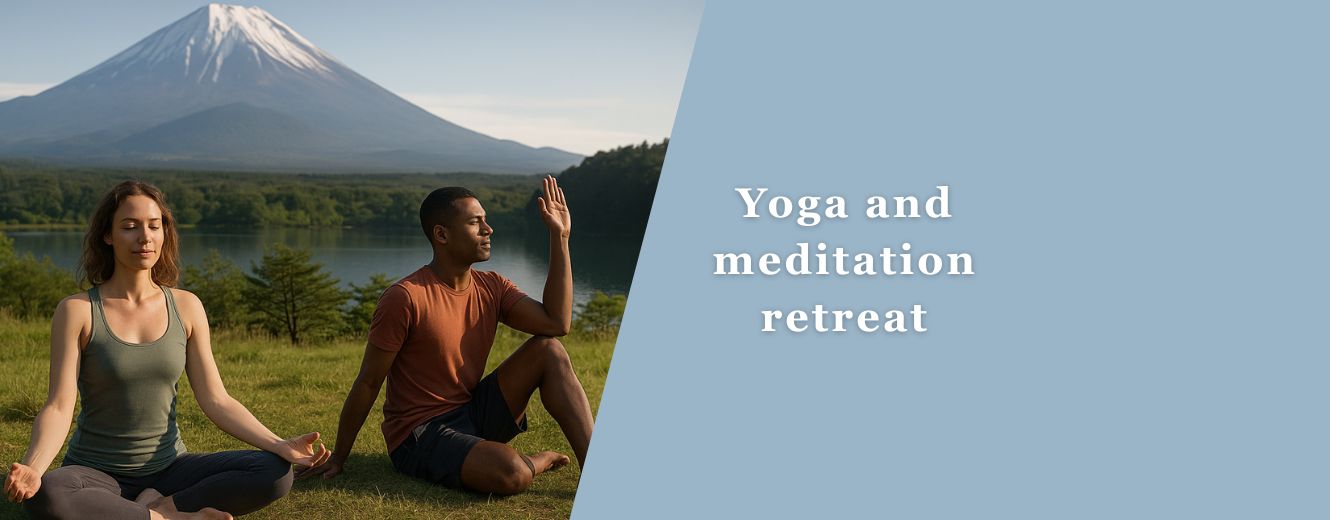
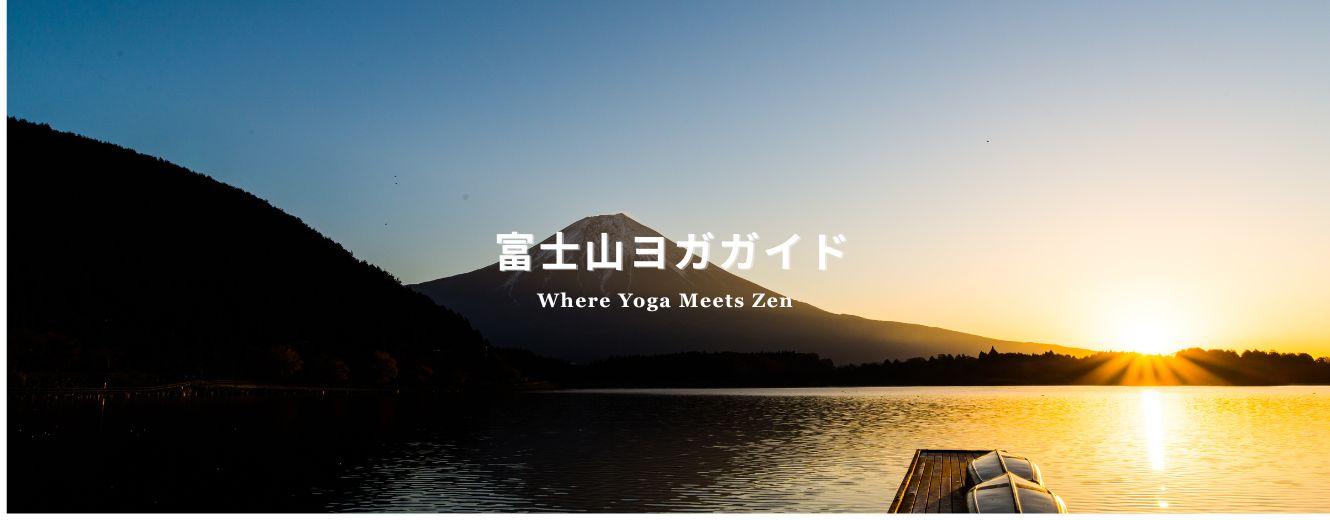
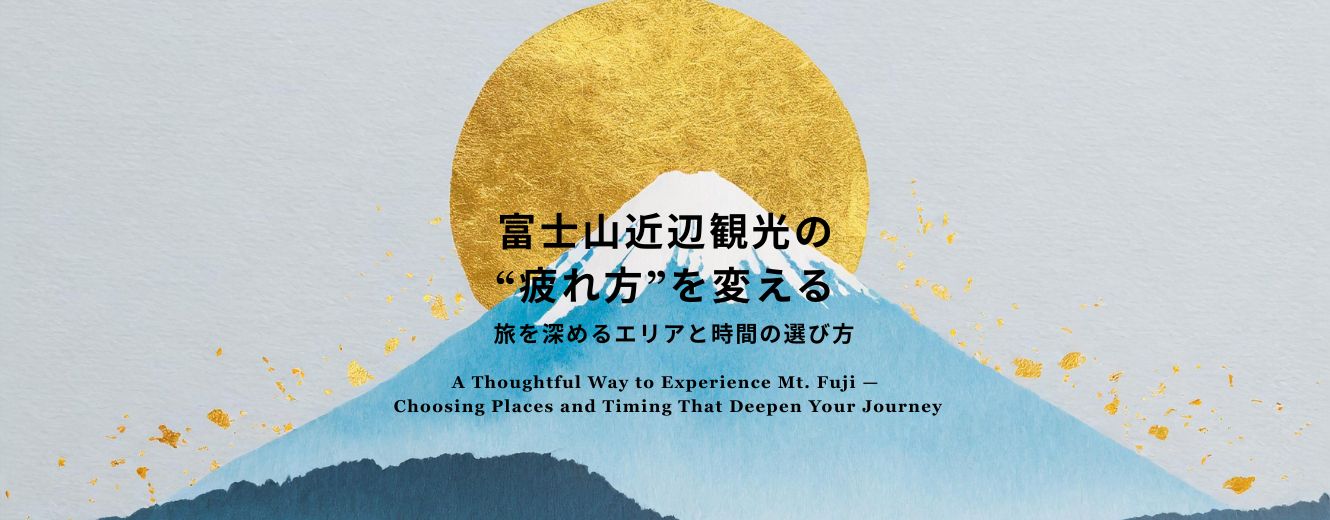
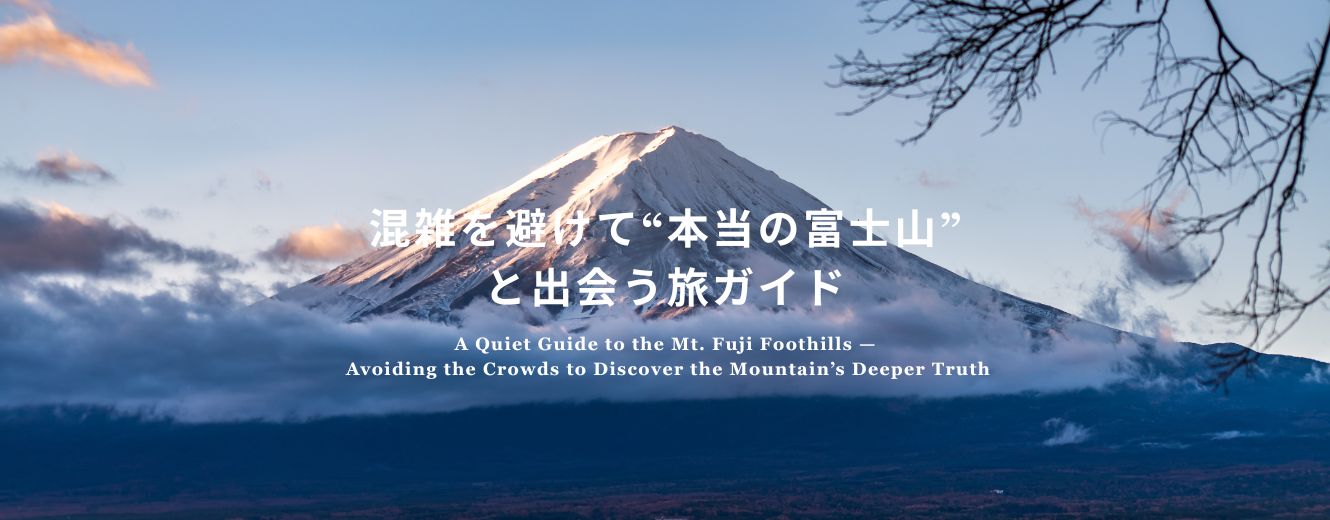
Among them, Mt. Fuji stands as a timeless symbol — its reflection of snow and sky inviting us to see our own.
Finding a place that truly resonates with your heart is the first step.
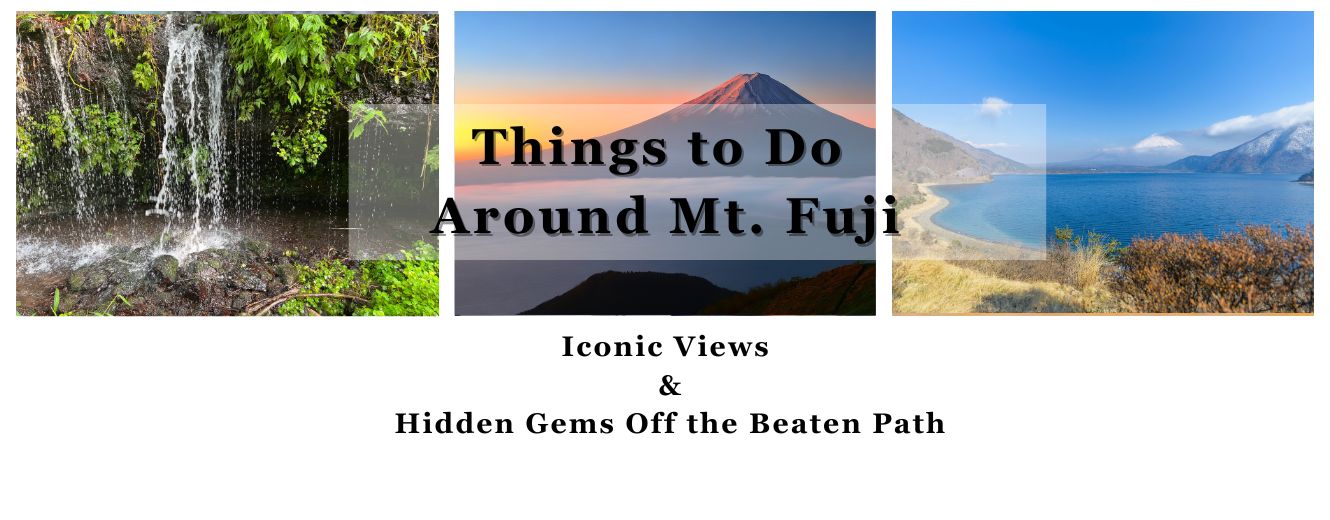
👉 Explore nearby sacred sites in our Things to Do Around Mt. Fuji guide.
The Zen Approach to Spiritual Retreat in Japan — Stillness at Mt. Fuji
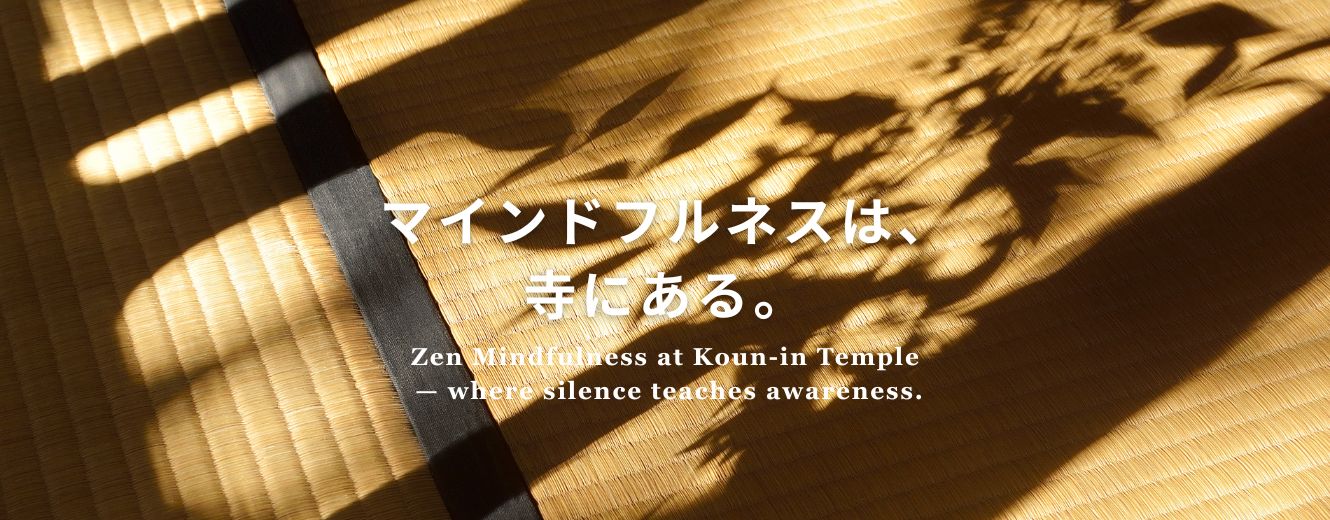
Koun-in Temple Zen Retreat (耕雲院)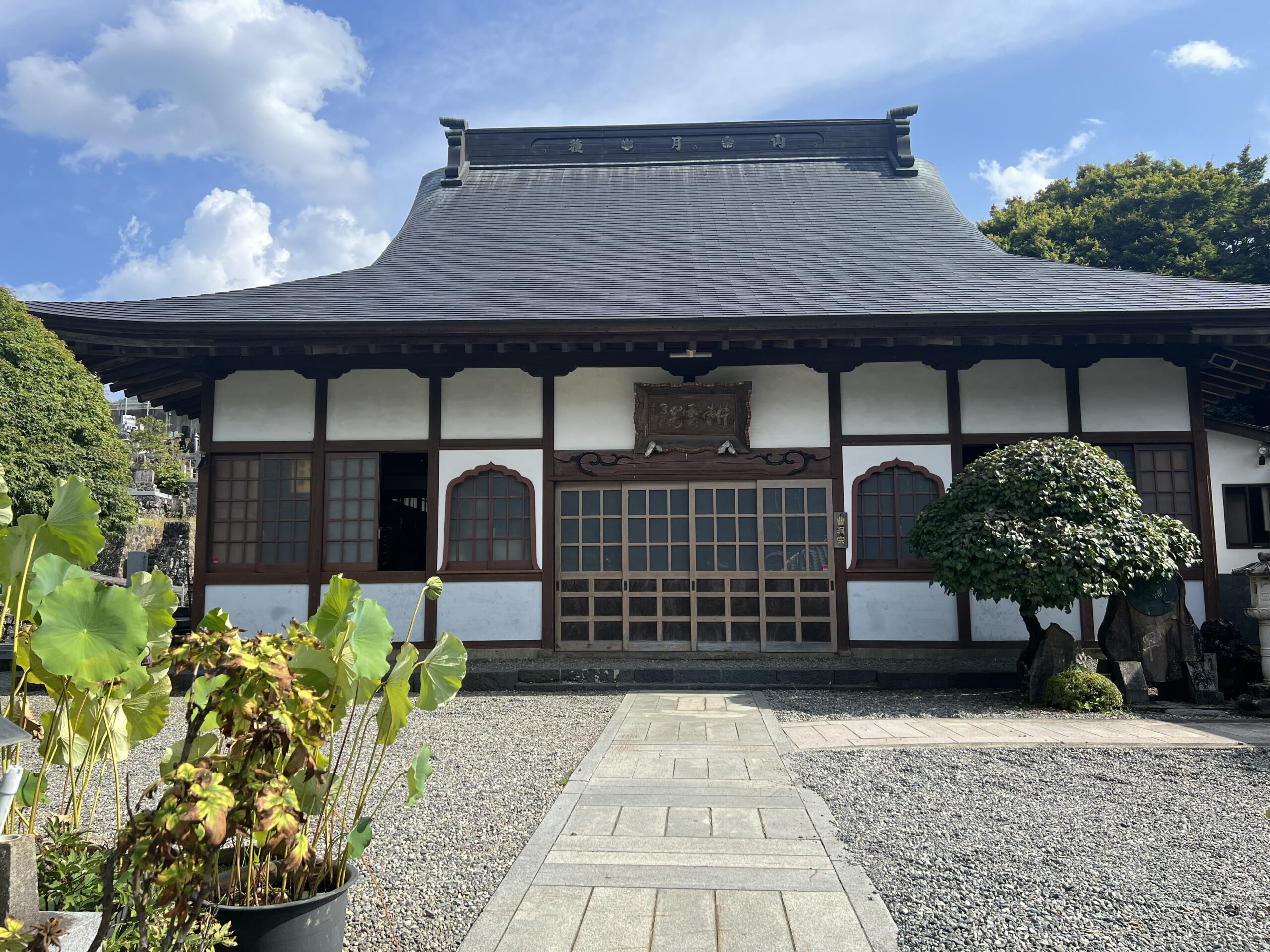
In Japan, spirituality lives not in words but in silence, gesture, and breath.
The Zen path teaches that awakening arises through direct experience — not theories.
“When the mind is still, the moon reflects clearly on the water.
” A Zen retreat allows participants to live this teaching — to taste the stillness that cannot be spoken.
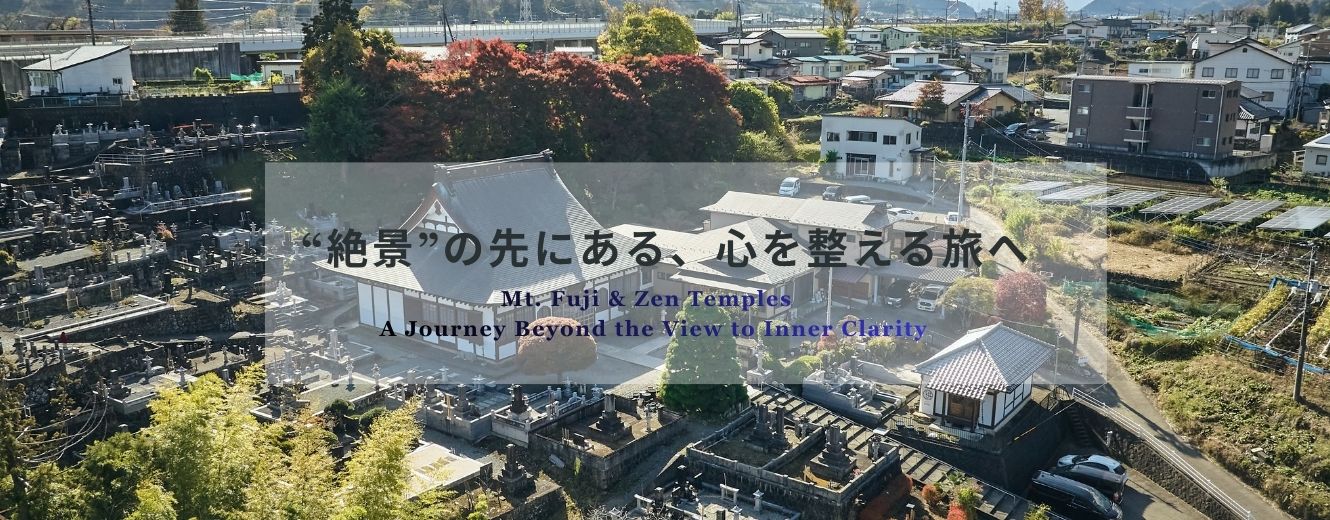
Among the temples preserving this practice stands Koun-in Temple, at the foot of Mt. Fuji.
Program Highlights
- Incense & mindful actions — using fragrance to shift from daily life into calm presence
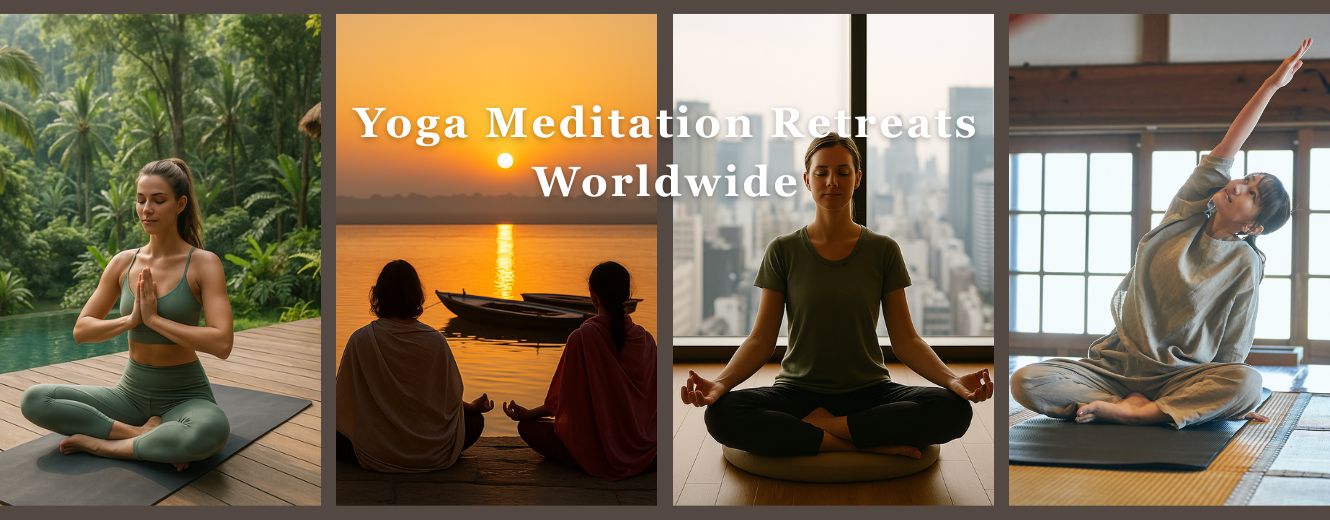
- Yoga — gentle movements like Sun Salutations to prepare body and mind
- Zazen meditation (EN) — short guided sittings in English for beginners
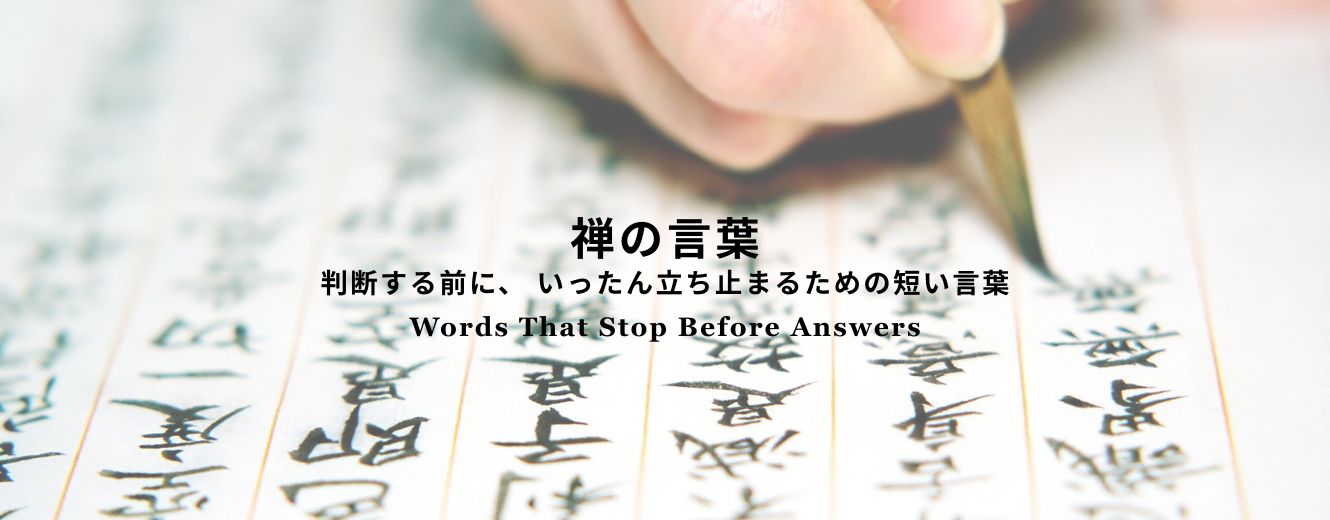
- Sutra copying (Shakyo) — tracing the Heart Sutra to cultivate focus and compassion
- Shojin Ryori — seasonal plant-based meals, vegan and Halal friendly
Duration: 3–4 hours
Fee: ¥10,000–15,000
Location: Tsuru City, Yamanashi — 90 min from Tokyo / near Mt. Fuji
What You May Discover — The Real Transformation
After a spiritual retreat, you don’t return as someone new.
You return as yourself — fully present, fully alive.
“Maybe what you’ve been searching for is not far away — it’s within, waiting in silence.”
A Personal Note from Rev. Chiken Kawaguchi, Vice Abbot of Koun-in Temple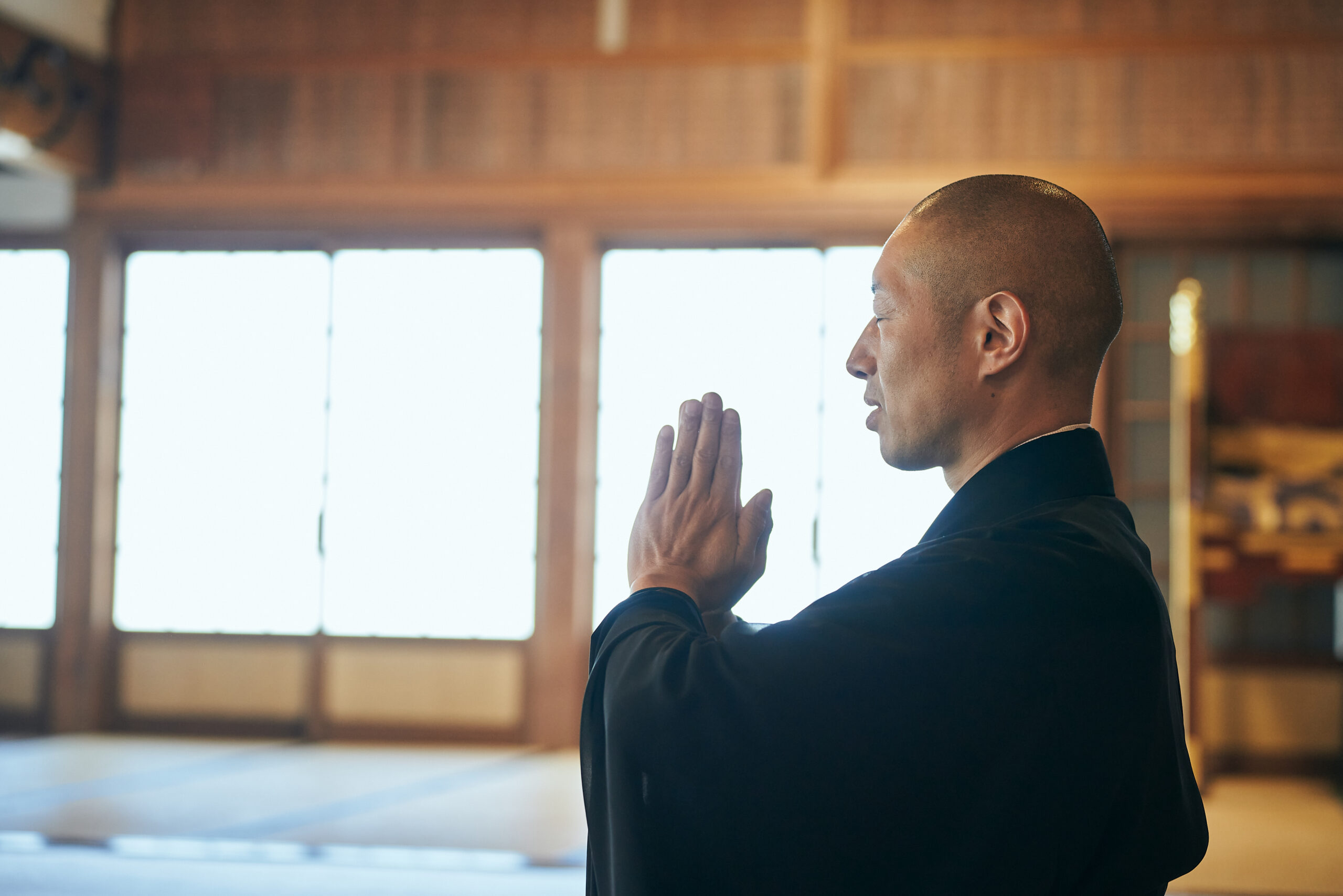
Hello — I’m Rev. Chiken Kawaguchi, Vice Abbot of Koun-in Temple,
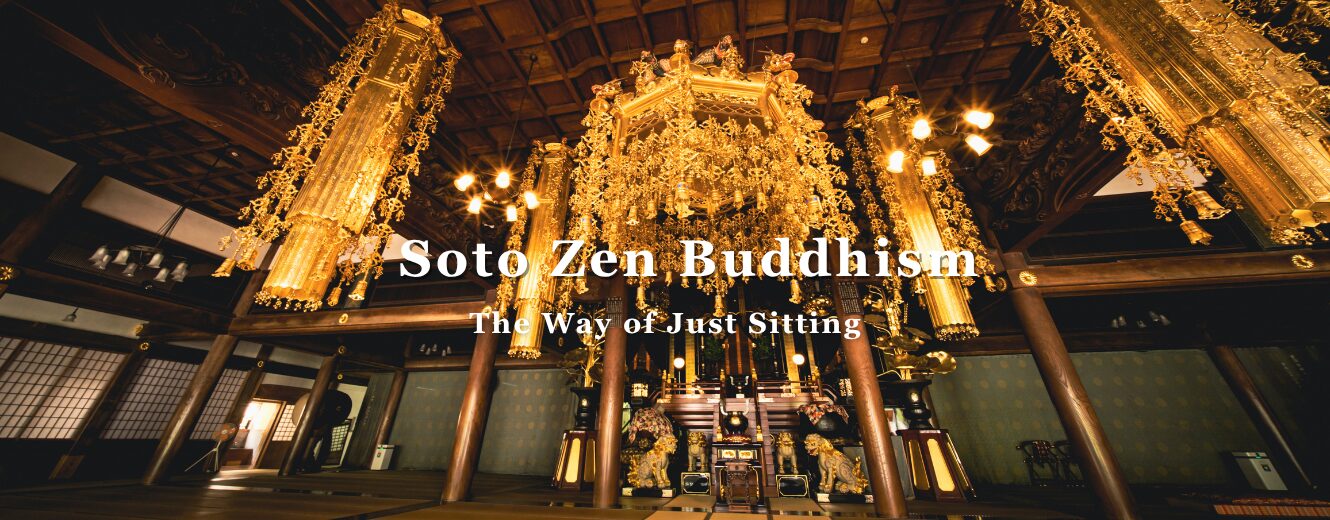
a Sōtō Zen monastery located in Tsuru City, Yamanashi, about 90 minutes from Tokyo and near Mt. Fuji.
Before I took vows, I lived a completely different life.
Surfing, music, fashion, nightlife — I loved freedom, movement, and stimulation.
Outwardly, I looked successful and full of energy.
But inside, I was constantly restless, chasing a sense of fulfillment that never lasted.
Through that experience, I realized something simple yet profound:
“Peace doesn’t come from adding more — it comes from subtracting.”
Fewer noises. Fewer comparisons. Less rushing.
When we stop grasping, the heart naturally becomes still.
Eventually, I entered Eiheiji, the head temple of Sōtō Zen,
and spent years training under strict discipline.
Through zazen (sitting meditation) and shojin ryori (Zen cuisine),
I discovered that peace is not comfort — it’s the ability to accept each moment as it is.
Cooking, cleaning, walking — every act became practice.
The more I learned to let go, the more I began to feel alive again.
Now, through Zen retreats, online meditation, and community programs,
I share this way of living with others — not as doctrine, but as daily practice.
“You don’t need to be a monk to find stillness.
You just need a space to breathe — and a place to come home to.”
FAQ — About Spiritual Retreats in Japan
Can I join alone?
Yes. Many participants come solo, seeking quiet time for themselves. Beginners are warmly supported.
How long is the program?
About 3–4 hours — easy to fit into a travel schedule.
Is English guidance available?
Yes. Simple English guidance is provided.
Is shojin ryori included?
It depends on the plan. Choosing the meal option allows you to experience mindful eating.
Do I need to bring anything?
No. Comfortable clothing is enough — all materials are provided.
How do I book?
Please make an advance reservation through our contact form. Early booking is recommended, especially during weekends and holiday seasons.
Inner Stillness Awaits — Begin Your Spiritual Journey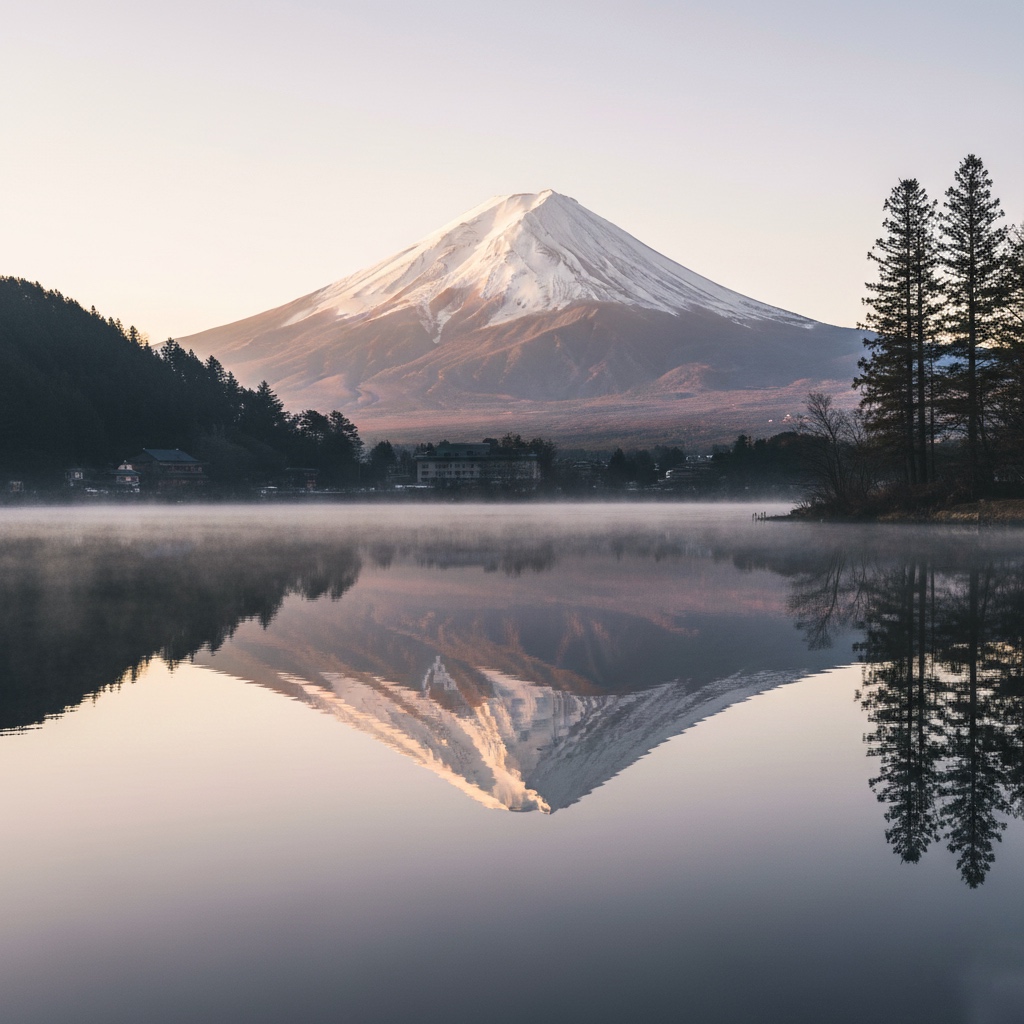
You don’t have to travel far to begin a spiritual retreat.
The journey starts the moment you pause — to breathe, to notice, to simply be.
Whether you sit beneath the cedar trees of Mt. Fuji or on the floor of your own living room, stillness is already within you.
At Koun-in Temple, we simply create the space — a place where you can remember what has been quiet inside you all along.
“Peace isn’t found elsewhere. It unfolds the moment you stop searching.”