1. What Is Soto Zen Buddhism — When Practice Itself Is Enlightenment
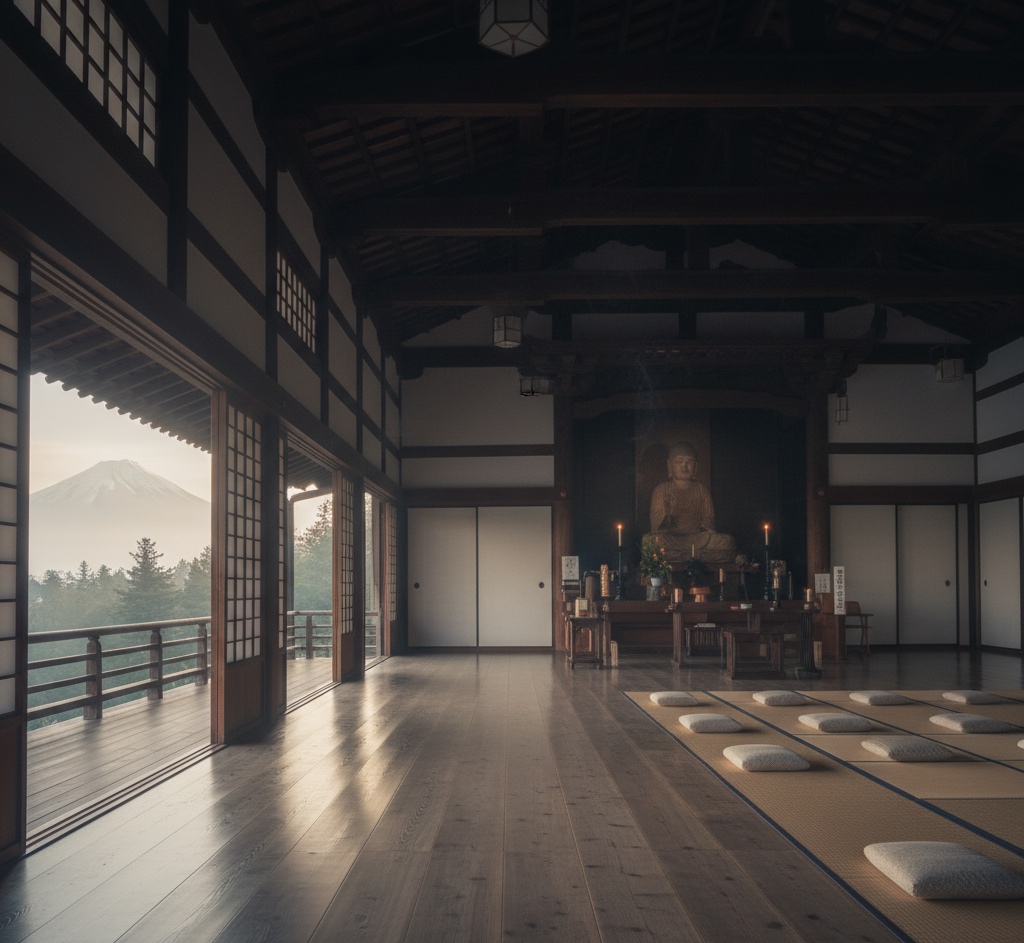
Soto Zen teaches not that we practice to reach enlightenment,but that practice itself is enlightenment.
Thirteenth-century Zen Master Dōgen brought this insight from China to Japan—not as a philosophy to learn but as a form of living.
To align body, breath, and mind—again and again—is to return home.
“Zazen is not a method to calm the mind;
it is seeing the world as it is when the mind is calm.”
Soto Zen is a path of release, not addition—
not a search outward, but a return to the stillness that never left.
👉 If you want to experience how stillness becomes practice, see our guide:Buddhist Retreats — Where Stillness Becomes Practice
2. The Heart of Dōgen — Practice and Realization Are One
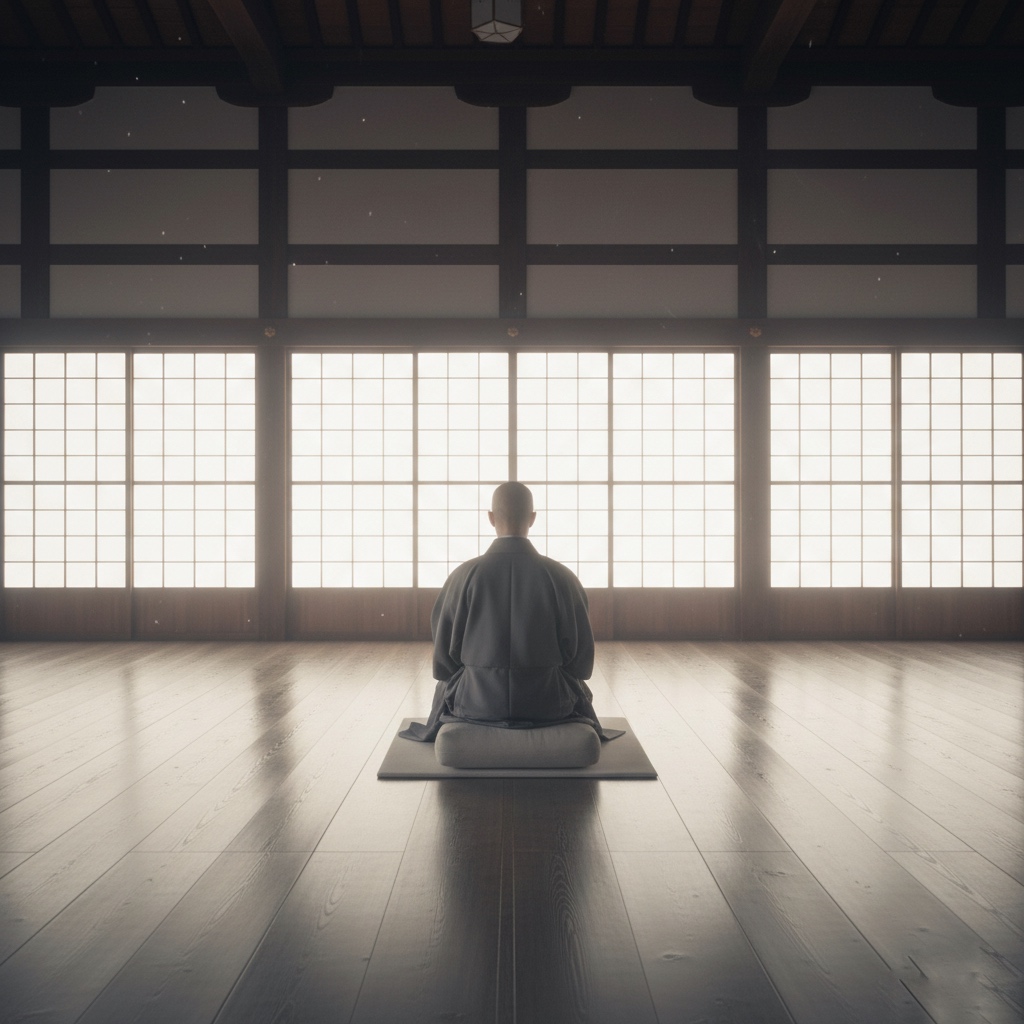
Dōgen wrote:
“To study the Way is to study the self.
To study the self is to forget the self.”
In zazen we stop measuring the world with the yardstick of “me.”
As the breath settles, thought loosens its grip,
and what remains is the world as it is.
When asked what he brought back from China, Dōgen answered:
“Eyes are horizontal, nose is vertical.”
Truth was never hidden—it has always been here.
When we stop clinging, the ordinary shines.
👉 Explore how Zen discipline transforms leadership focus:Mindfulness Training for Leaders — Build Focus and Clarity at Work
3. Shikantaza — The Courage to Just Sit
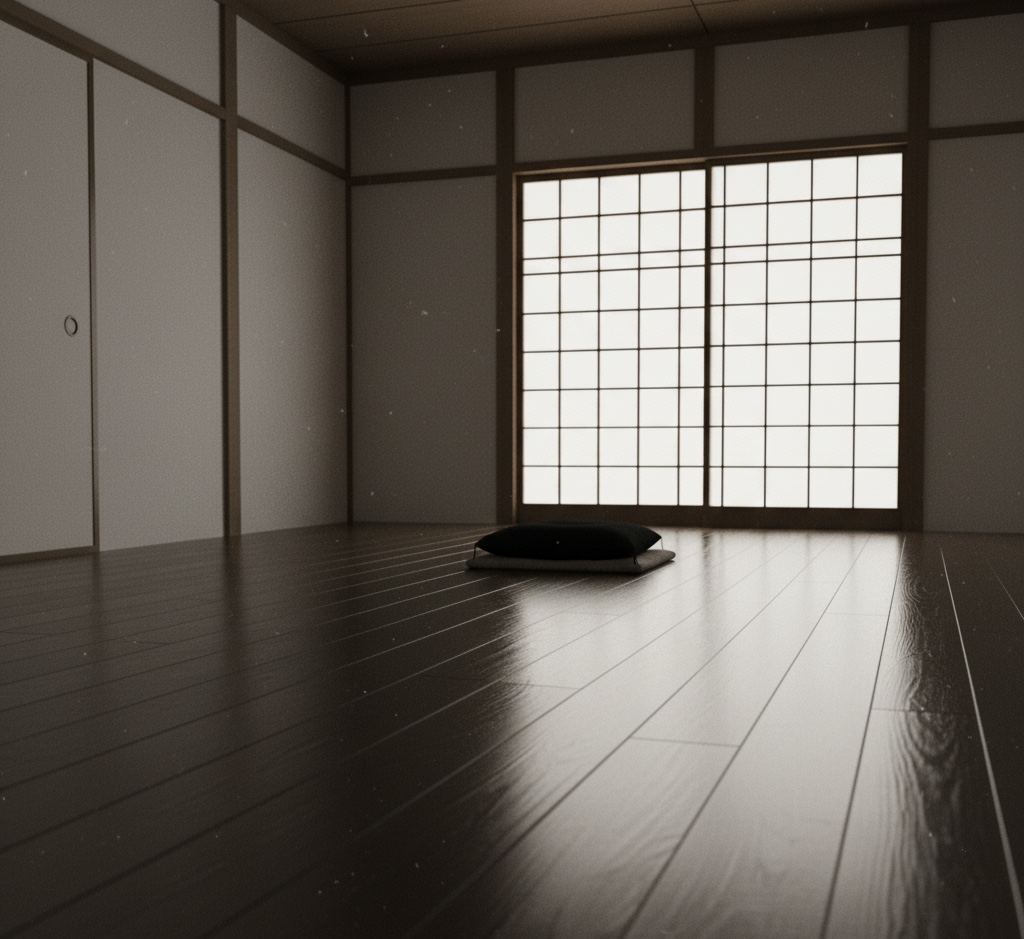
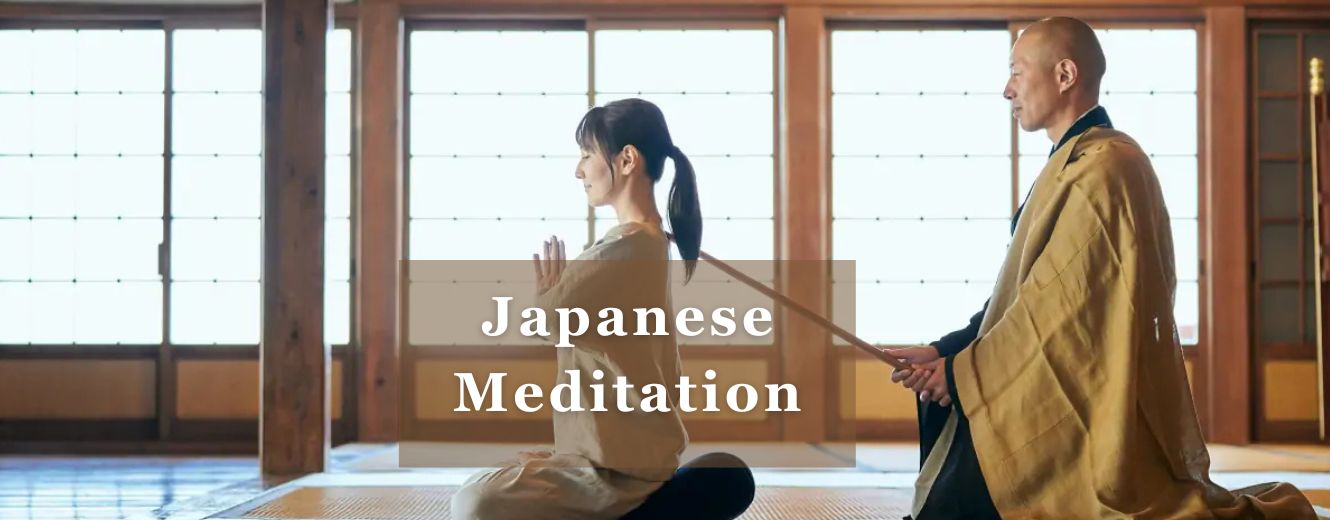
Shikantaza means “just sitting.”
Not meditating for peace, but realizing peace was never missing.
Thoughts rise and fall; emotions come and go.
Do not fight them—simply witness them.
This gentle awareness is the heart of Soto Zen.
“To know sufficiency is to be at peace.”
In a culture obsessed with results, Zen invites us to rediscover the process.
To act wholeheartedly, without grasping for outcome—
that act itself is enlightenment.
4. Everyday Life as Practice
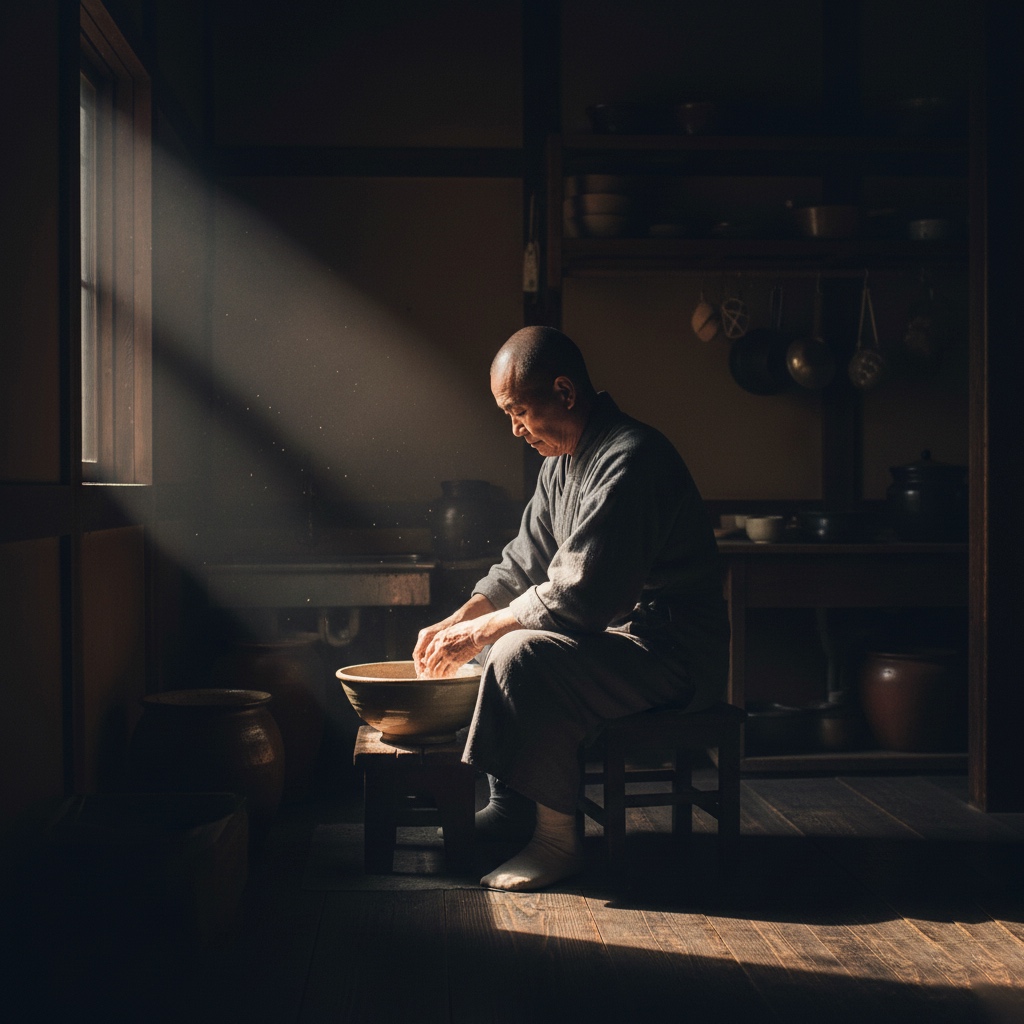
Practice does not end when you stand up from the cushion.
Standing, walking, eating, working — all are Zen.
Dōgen once met an elderly cook drying mushrooms under the sun.
He asked why he did not let younger monks do it.
The old monk replied,
“Because this is my practice, not theirs.”
Avoiding difficulty is avoiding growth.
“When you wash rice, wash your mind.”
It is not what you do but how you do it that reveals the Way.
Attention turns the ordinary into sacred ground.
5. Simplicity and Depth — Freedom from Excess
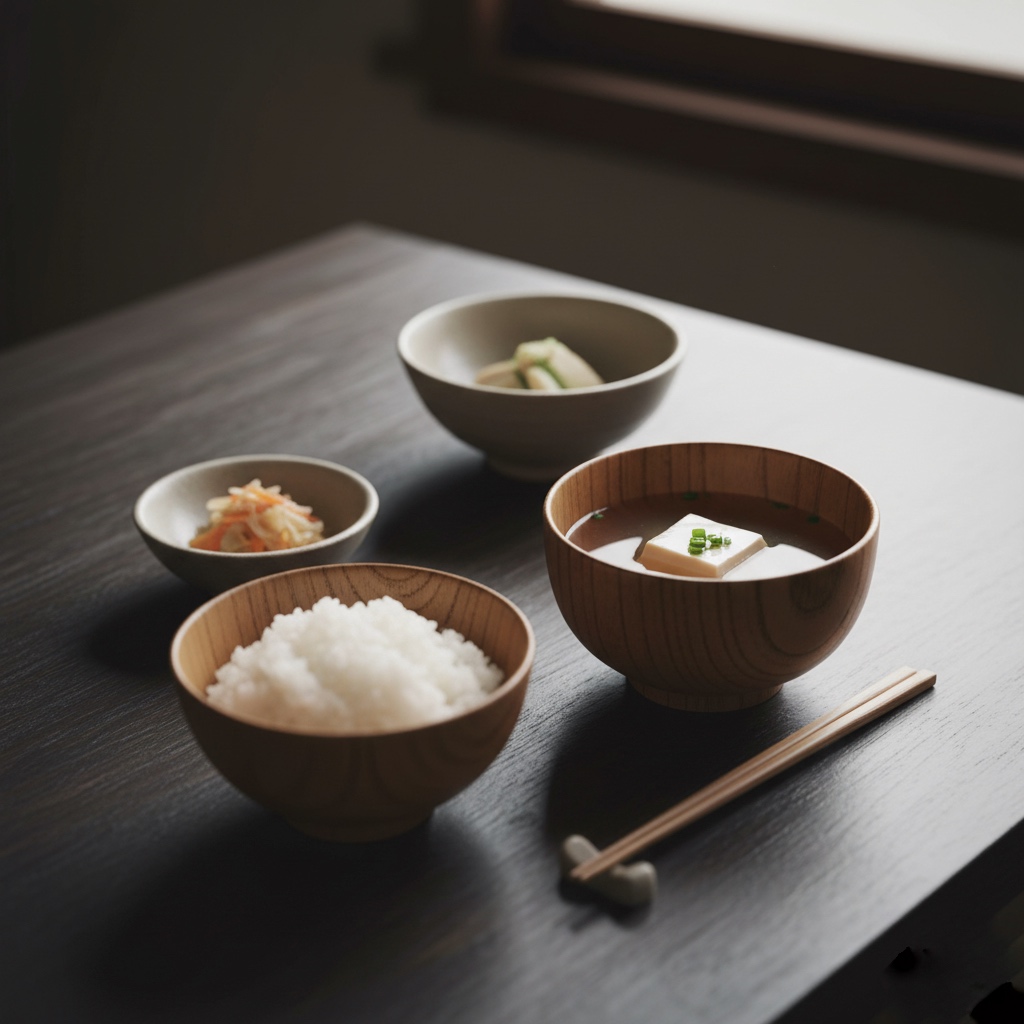
To live Dōgen’s teaching today is to live deeply yet quietly.
“Those who know sufficiency are rich in spirit,
even if they own little.”
Simplicity is not poverty; it is freedom from excess.
This spirit is captured in Tanmi (淡味) — the “light taste.”
Water, plain rice, quiet air — these unadorned flavors hold the essence of gratitude.
To taste such plainness is to see how abundant the ordinary already is.
6. The Art of Letting Go

A central teaching of Zen is Hōge-jaku (放下着) — “let go.”
Letting go is not losing; it is returning.
The more we grasp, the less we hold.
When we open our hands, the world returns to them.
To release is to trust life as it is.
7. Why Soto Zen Still Matters Today

We live in a world of speed and comparison.
Everything is measured, but few feel whole.
Soto Zen asks: “When will you stop?”
True stillness does not follow success — it makes success possible.
“In a world that measures everything,
Soto Zen reminds us how to simply be.”
8. A Place of Quiet — Koun-in Temple, Foot of Mt. Fuji
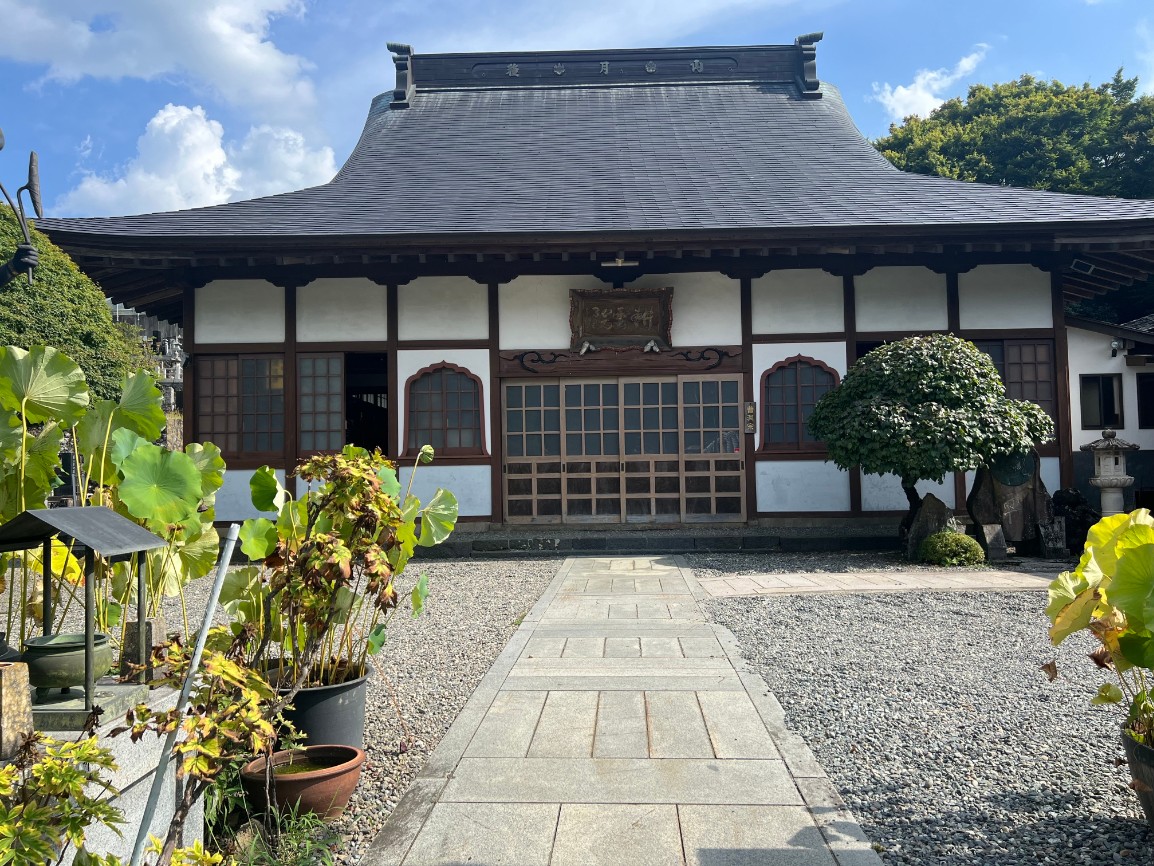
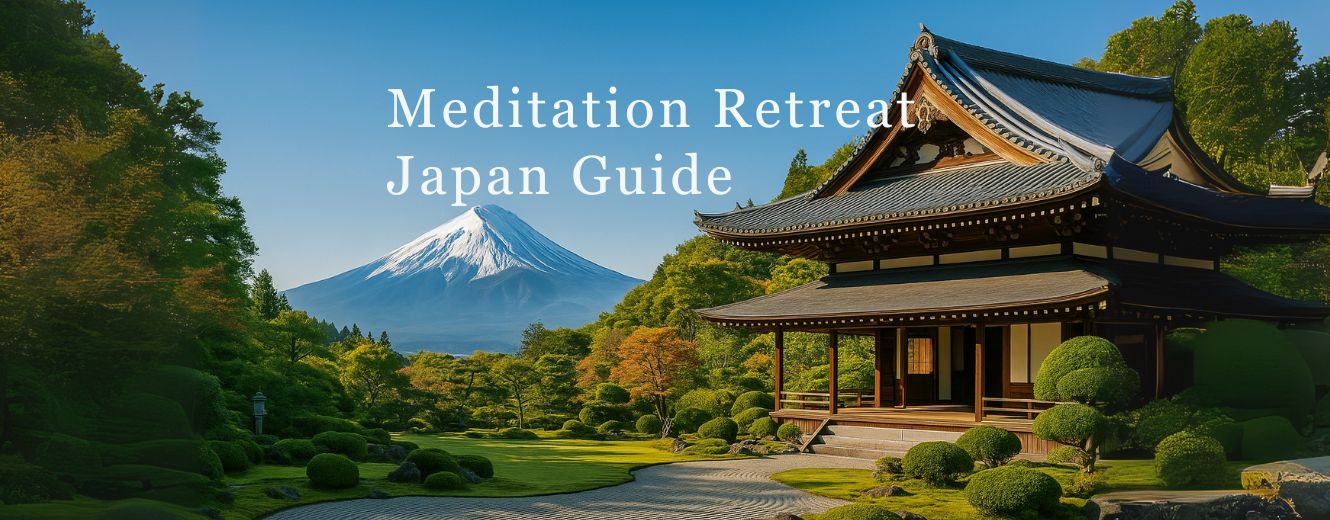
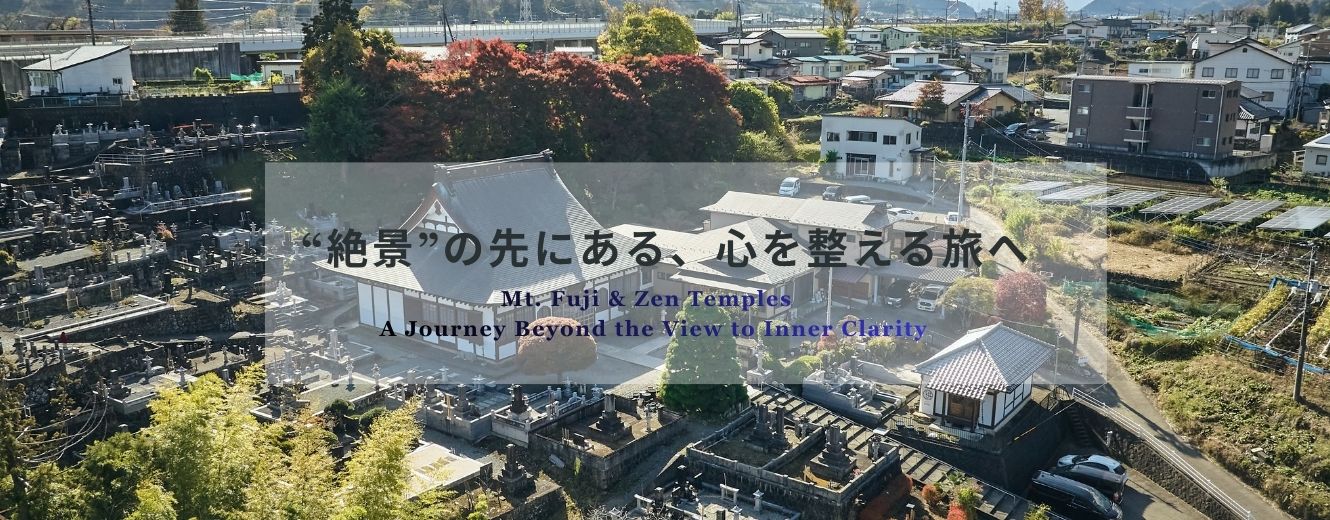
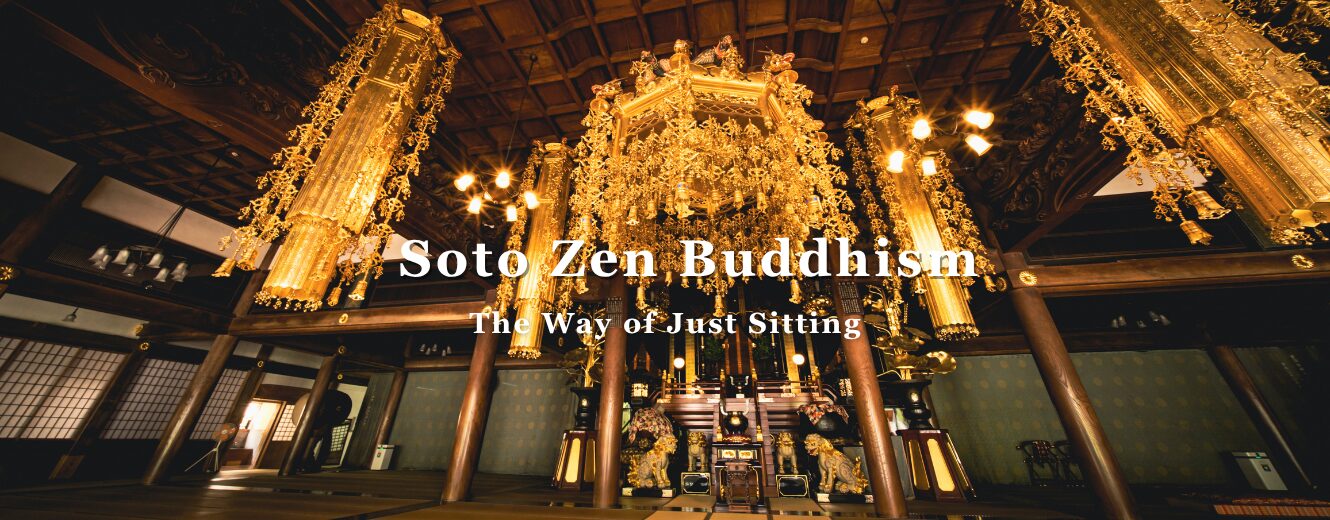
Nestled among the cedar forests of Yamanashi Prefecture stands Koun-in Temple —a place where sound and silence coexist.
When the temple bell rings, the mountain answers once,and even the wind seems to bow.
Here, Zen is not explained — it is felt.
Stillness takes form in the way monks move, in how rice is washed,in how breath meets morning light.
“Where you stop seeking, stillness begins.”
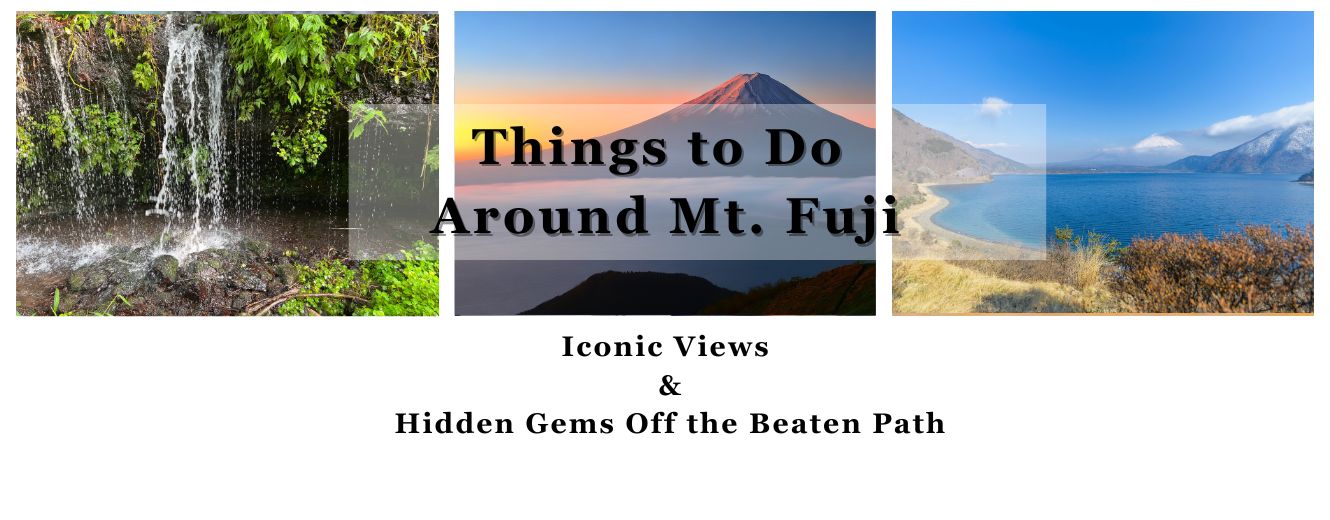
👉 While visiting Koun-in Temple, explore nearby cultural and nature experiences:Things to Do Around Mt. Fuji
9. A Living Example — Mindfulness Training in Japan
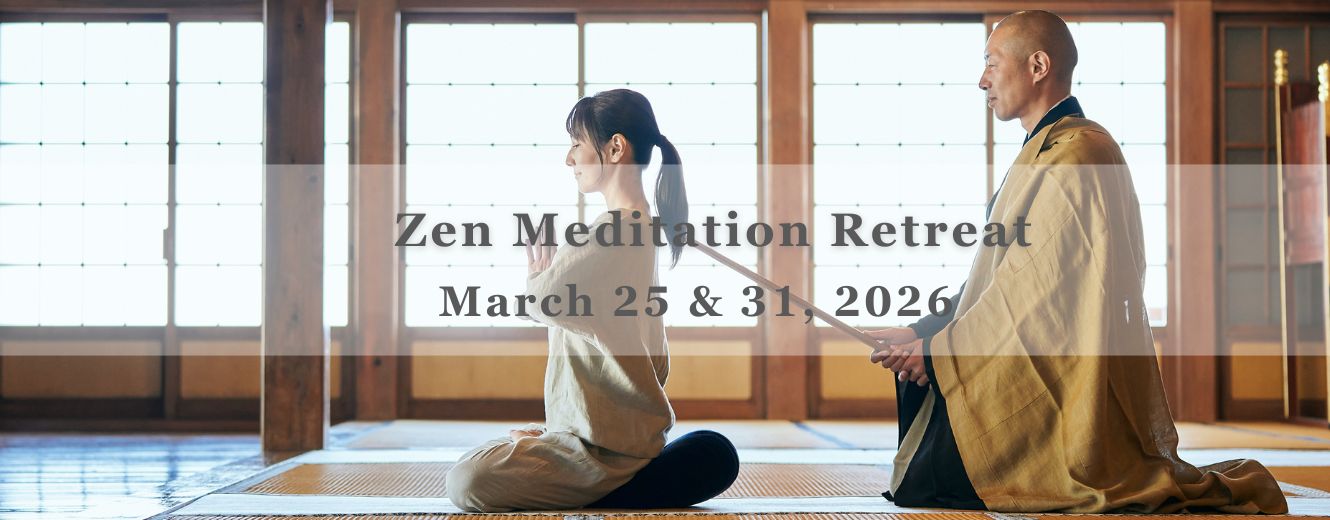
Those who wish to experience this discipline of stillness can join the Zen Retreat at Koun-in Temple,a Sōtō Zen monastery at the foot of Mt. Fuji.
Program Highlights
- Zazen Meditation — short guided sessions in English
- Sutra Copying (Shakyo) — training patience and precision
- Mindful Actions — awareness embodied through simple work
- Shojin Ryori (Zen Cuisine) — plant-based meals rooted in gratitude
🕓 3–4 hours 💰 ¥10,000–15,000 📍 Tsuru City, Yamanashi — 90 min from Tokyo
👉Visit Koun-in Temple Zen Retreat
10. Voices from Participants — Zen Retreat Experiences in Japan
“The meditation retreat in Japan was the highlight of my trip. Sitting quietly near Mt. Fuji gave me peace I’d never felt before.”
“More than sightseeing — it felt like stepping into the living spirit of Japanese culture.”
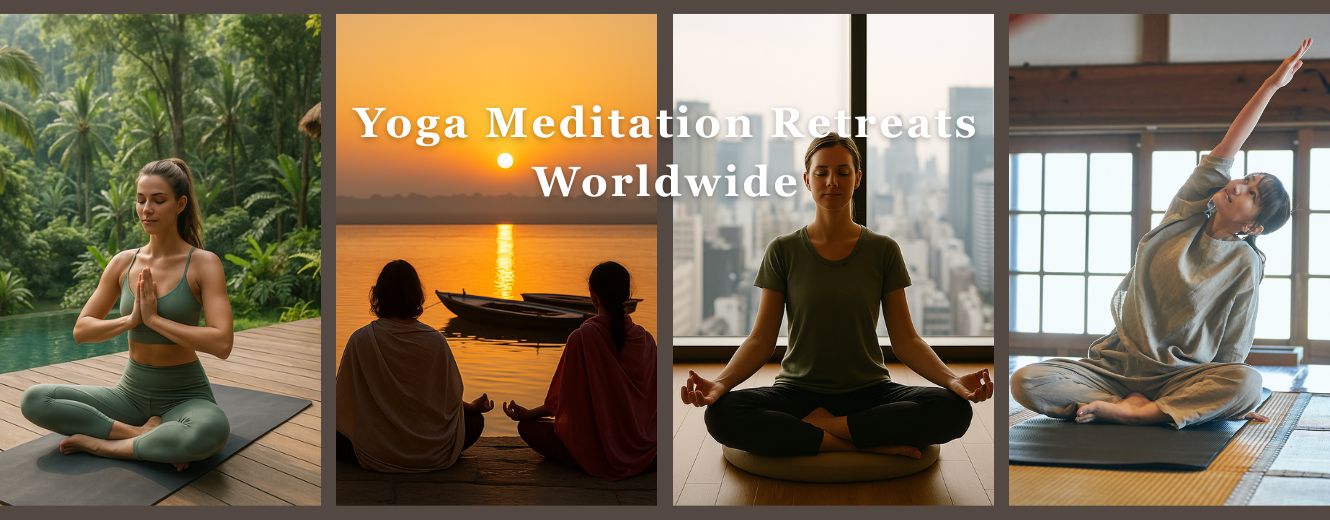
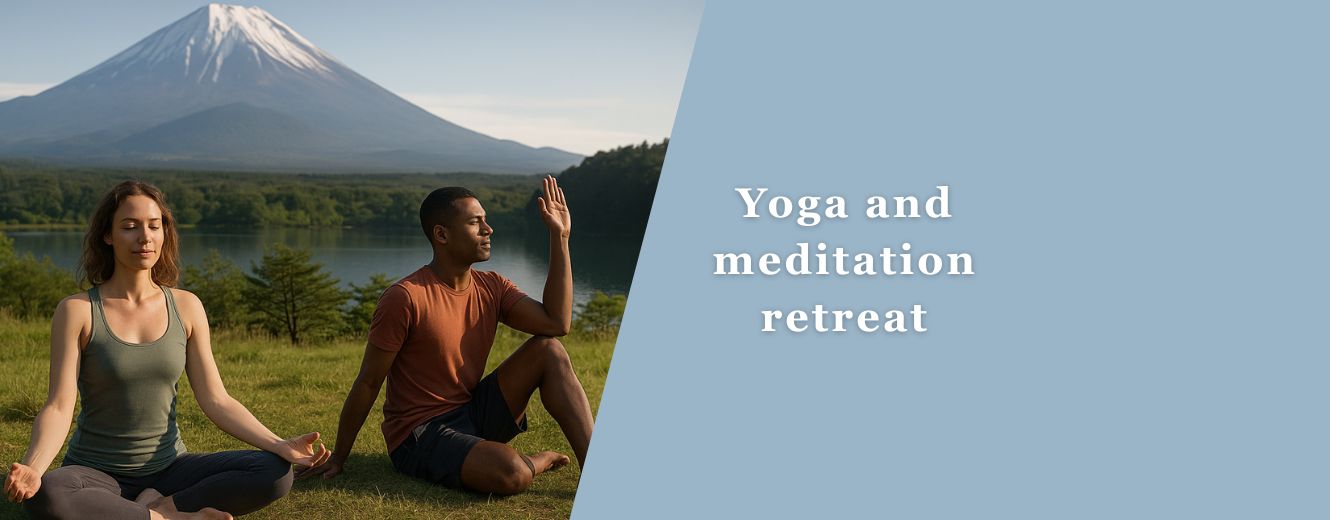
“The combination of yoga and zazen was unforgettable. It helped me experience mindfulness in a new way.”
“We joined as a couple, and sutra copying and temple food made the retreat uniquely Japanese.”
“As a senior traveler, I felt supported. Yoga prepared my body, and meditation gave me renewed energy.”
“As a yoga practitioner, the blend of movement and stillness in an authentic Zen setting was powerful.”
11. A Personal Note — From Rev. Chiken Kawaguchi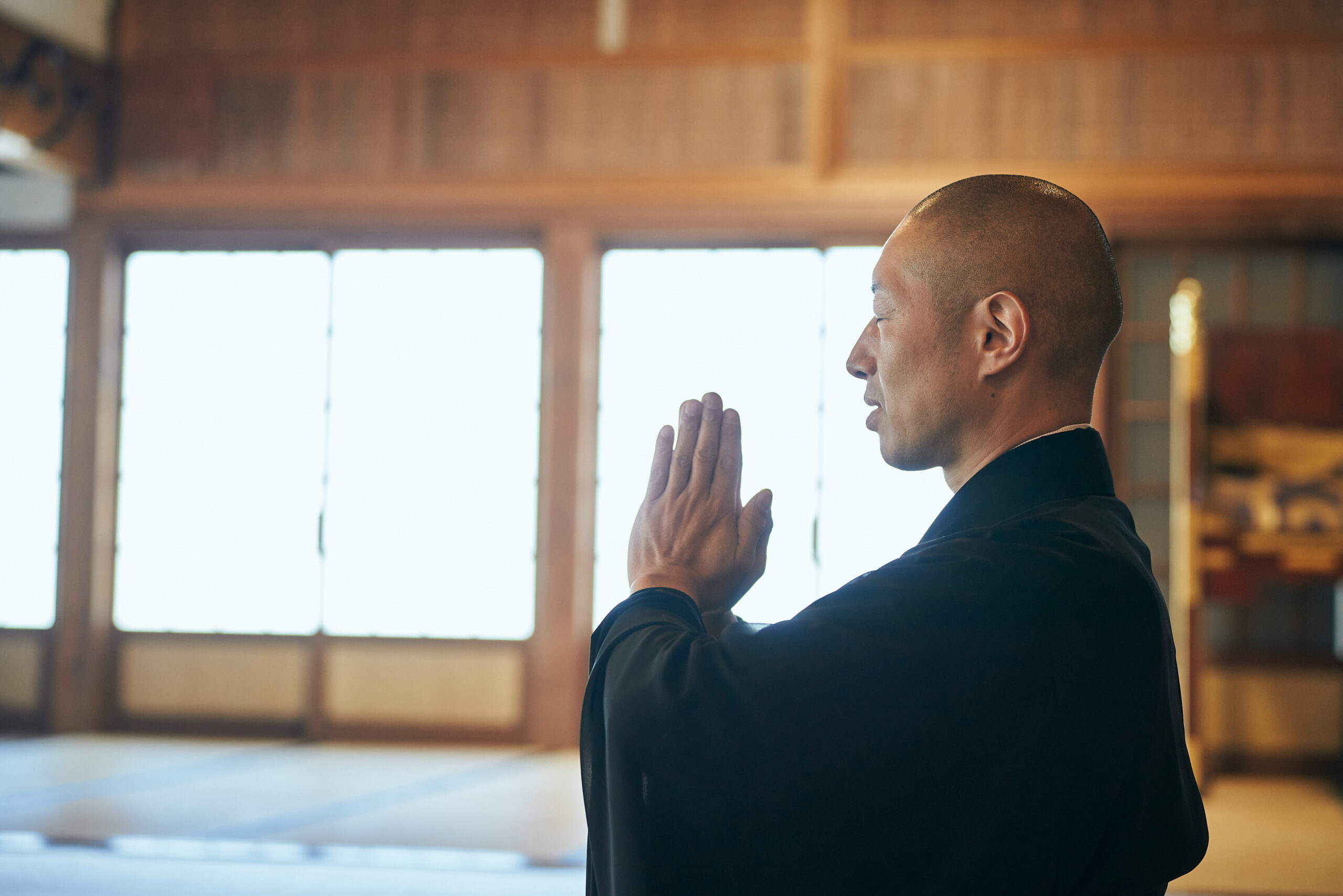
For years I lived in constant motion — chasing growth, deadlines, achievement.
Like many professionals, I believed peace would come after success.
But true calm begins before success — in the discipline of stillness itself.
At Eiheiji, the head temple of Sōtō Zen, I learned that discipline isn’t restriction; it’s alignment.
Each bow, each breath, each repetition revealed where my mind had wandered — and how to return.
“Practice is not preparation for life — it is life itself.”
You don’t need to leave your company or family to begin.
Five mindful minutes a day can become your temple.
Each time you pause and breathe, you’re training awareness — not escape, but engagement.
Wherever you are — office, home, or travel — begin there.
Don’t wait for calm. Train it.
👉Join Online Zazen from Japan — Experience Corporate Mindfulness at Its Roots
12. Conclusion — The Stillness That Remains

The world will keep moving — screens will flash, meetings will fill the calendar, and the mind will chase what’s next.
But somewhere between two breaths, you may remember this:
Stillness is not the absence of movement.It is the space that allows everything to move in harmony.
To sit is to remember that alignment.
To breathe is to return home.
In Soto Zen, there is no finish line — only this moment, endlessly renewed.
The discipline is not to escape life, but to meet it fully, without armor.
“The bell rings, and silence answers.”
That echo — between sound and stillness — is where the practice continues.
And if you listen closely, you may realize:you have already begun.