Meditation Retreat Japan Guide|Zen, Wellness & Temple Experiences
Why Choose a Meditation Retreat in Japan?
Across the world, wellness tourism is on the rise. More and more travelers are seeking not only sightseeing but also moments to restore balance to body and mind. Here in Japan, I often hear visitors say, “I want to find a quiet moment to reset, even during my trip.” That is why meditation retreats in Japan have become such an attractive option.
From my experience guiding zazen, I feel that many travelers are not necessarily looking for strict training, but rather a short Zen retreat in Japan woven gently into their journey—a modern way of practicing “small Zen moments.”
Relaxation and Healing — Meditation Retreats in Japan
For many visitors, the first attraction of a meditation retreat in Japan is the balance of relaxation and healing. These retreats can take many forms: onsen wellness programs, forest mindfulness, or a short Zen retreat Tokyo for busy travelers.
Onsen Meditation Retreats in Japan
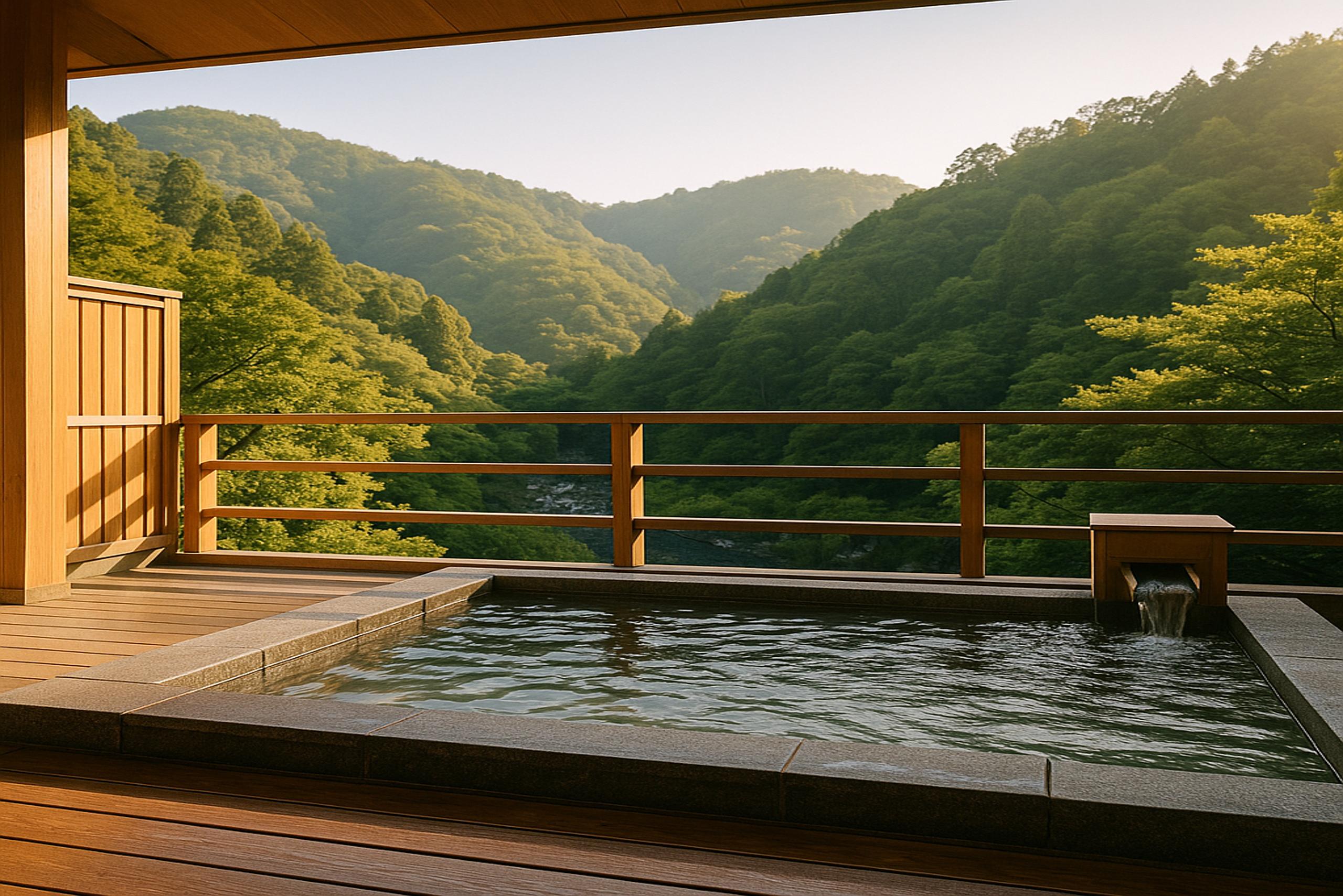
In Hakone and Izu, retreat inns and hotels offer programs that combine zazen or yoga with hot springs. In Hokkaido, Kusatsu, and Setouchi, resort hotels provide meditation rooms or unique programs pairing bathing and mindfulness. These are often marketed as Japan wellness retreats, combining body care and meditation.
Forest Meditation Retreats in Japan
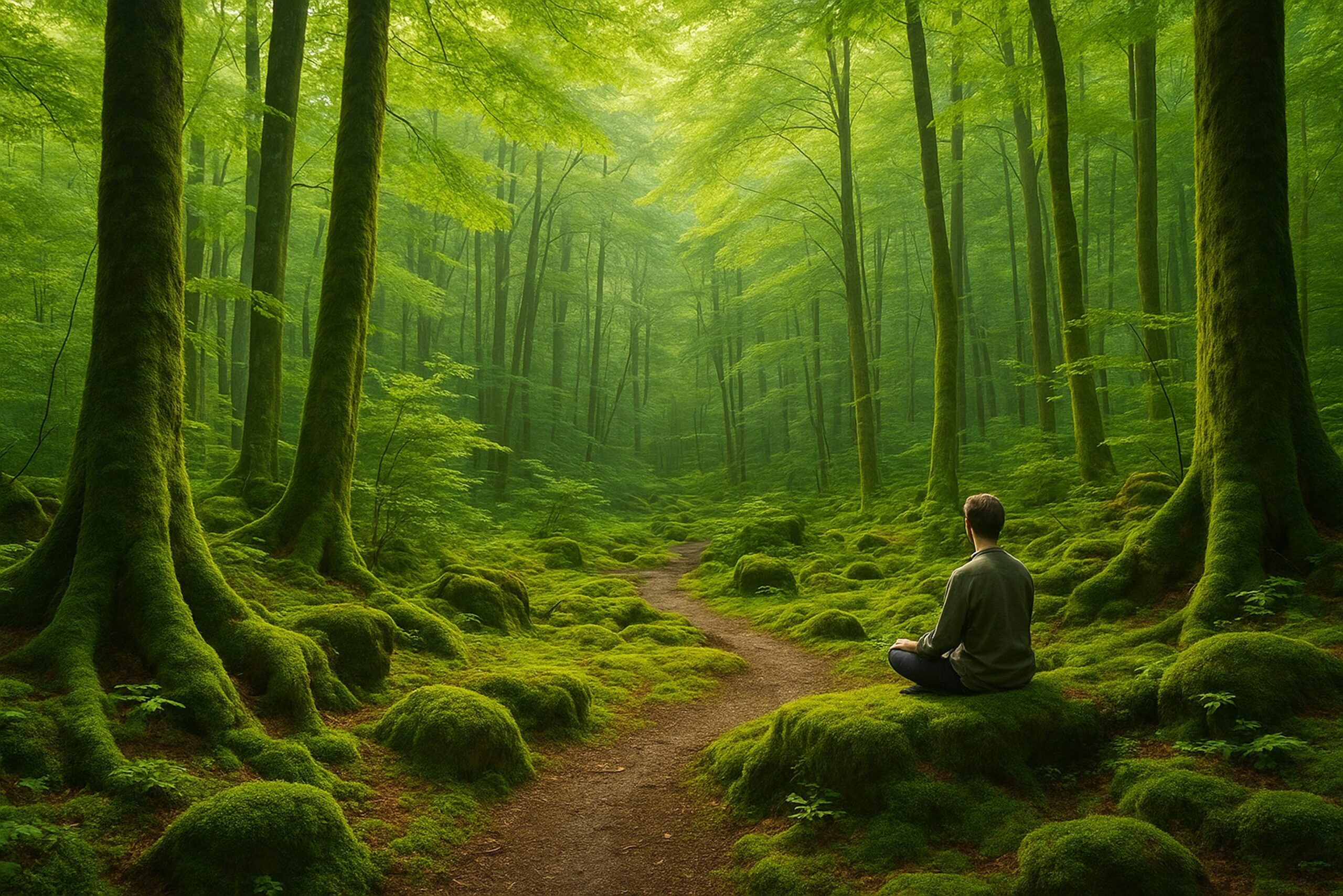
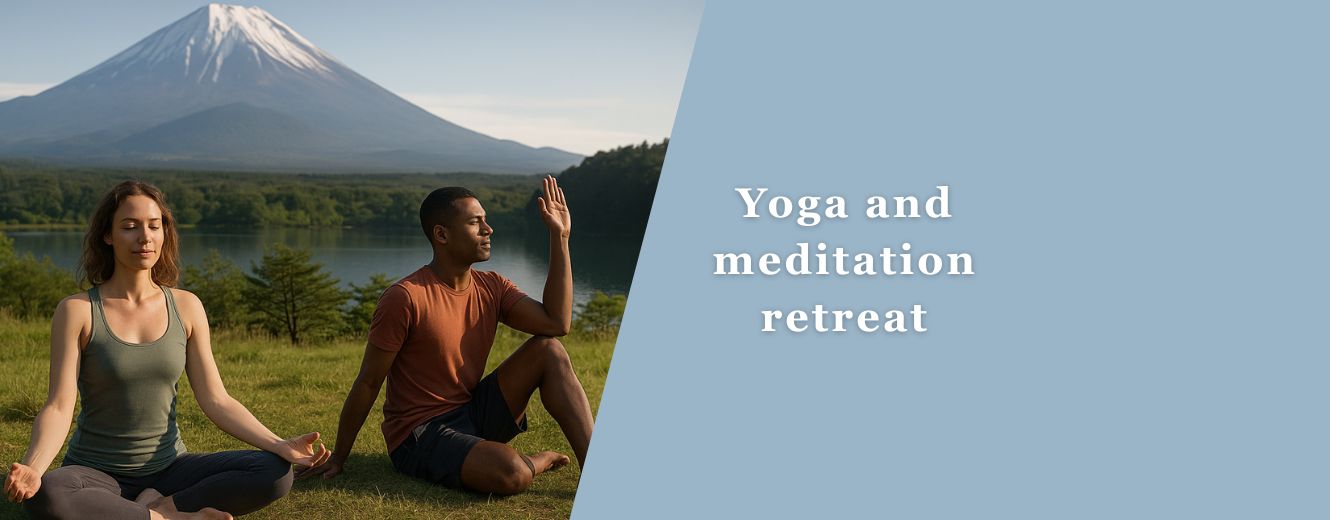
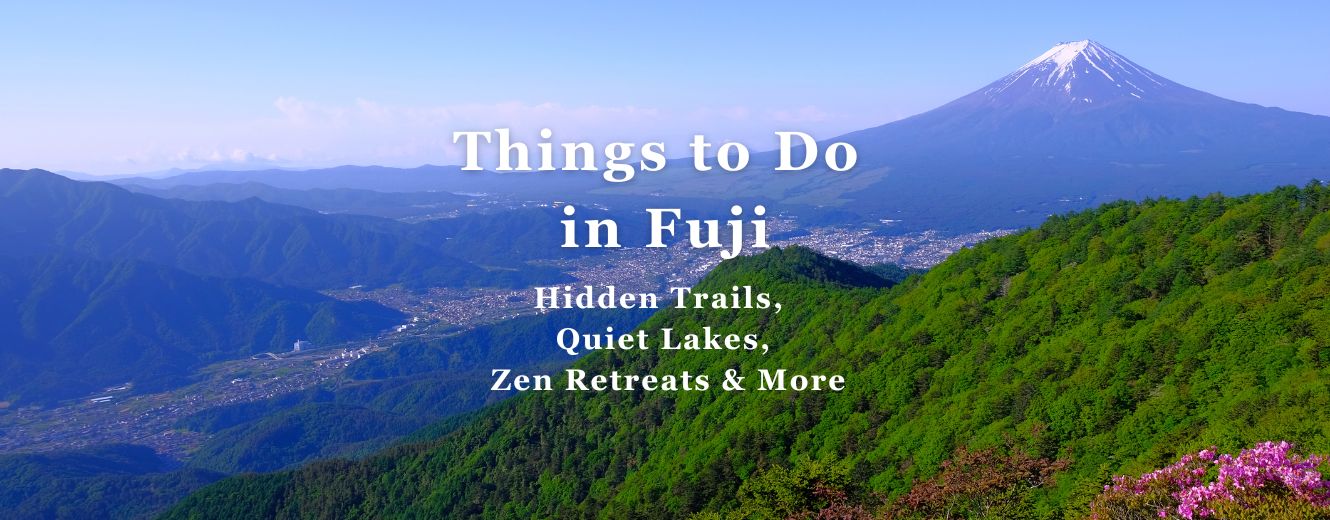
Japan has over 50 certified Forest Therapy Bases where guided mindful walking and seated meditation are offered. In Nagano or Yakushima, you can sit among ancient trees or walk slowly while sharpening the senses. Around Mt. Fuji, campsites even hold stargazing meditation events, making them a unique style of Mt. Fuji meditation retreat.
Short Zen Meditation Retreats in Tokyo
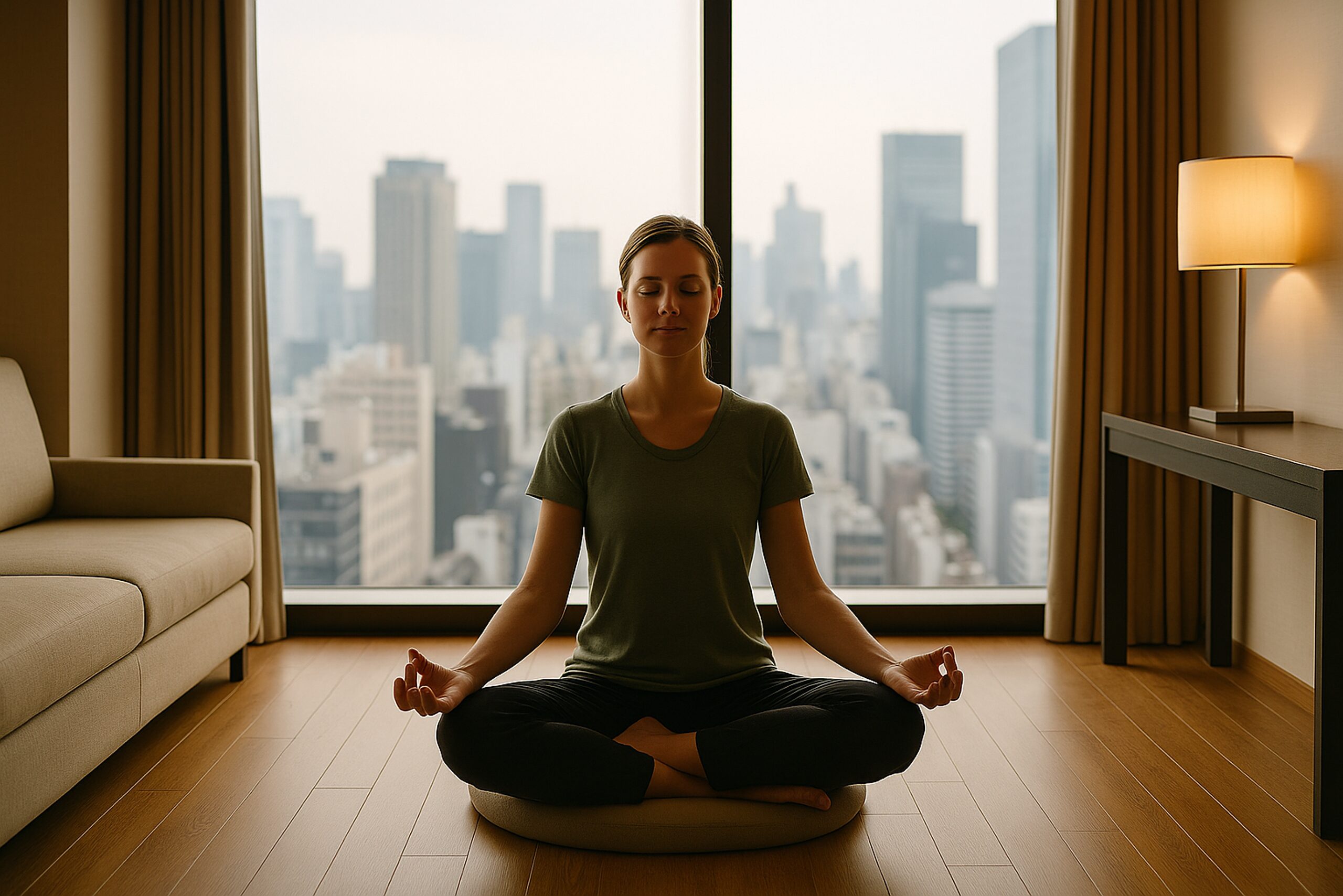
In Tokyo, luxury hotels provide meditation apps and sessions for guests. In Kyoto temples and Tokyo studios, half-day programs are available—easy to join even during a weekend trip.
-
- Duration: A few hours to 1 night
- Budget: ¥3,000–15,000+
- English Support: Common in resorts and cities
Cultural and Spiritual — Temple Meditation Retreats in Japan
Zen in Japan is not only about sitting in silence. Many cultural traditions are deeply tied to mindfulness, making them part of what we call temple meditation retreats in Japan.
Zazen and Temple Meditation Japan
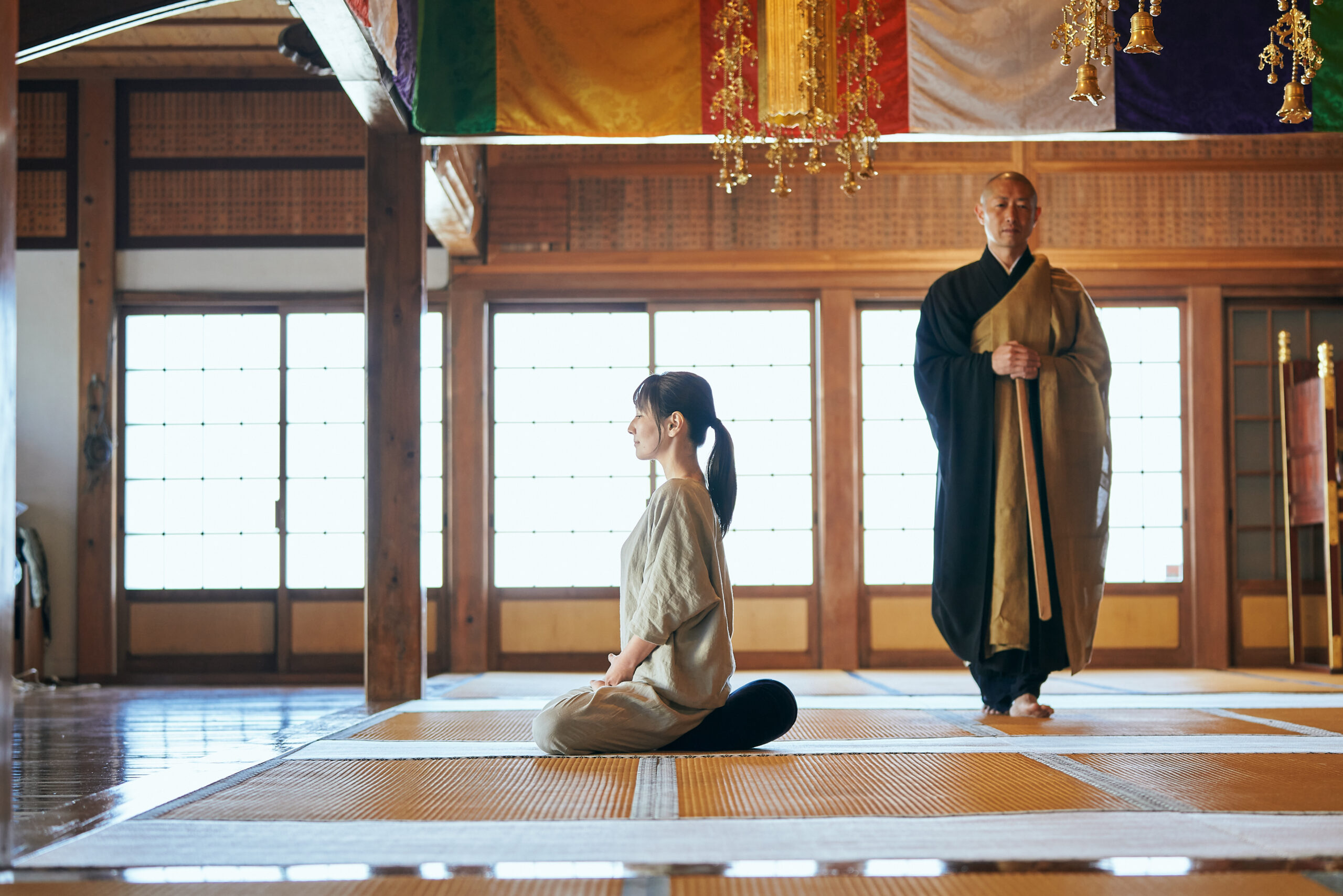
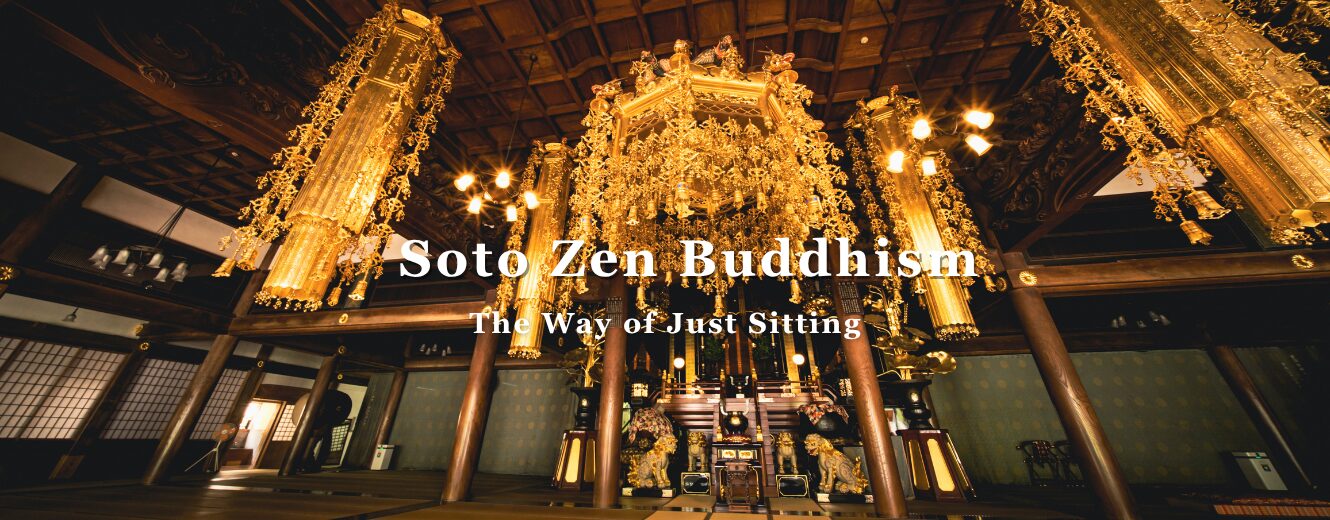
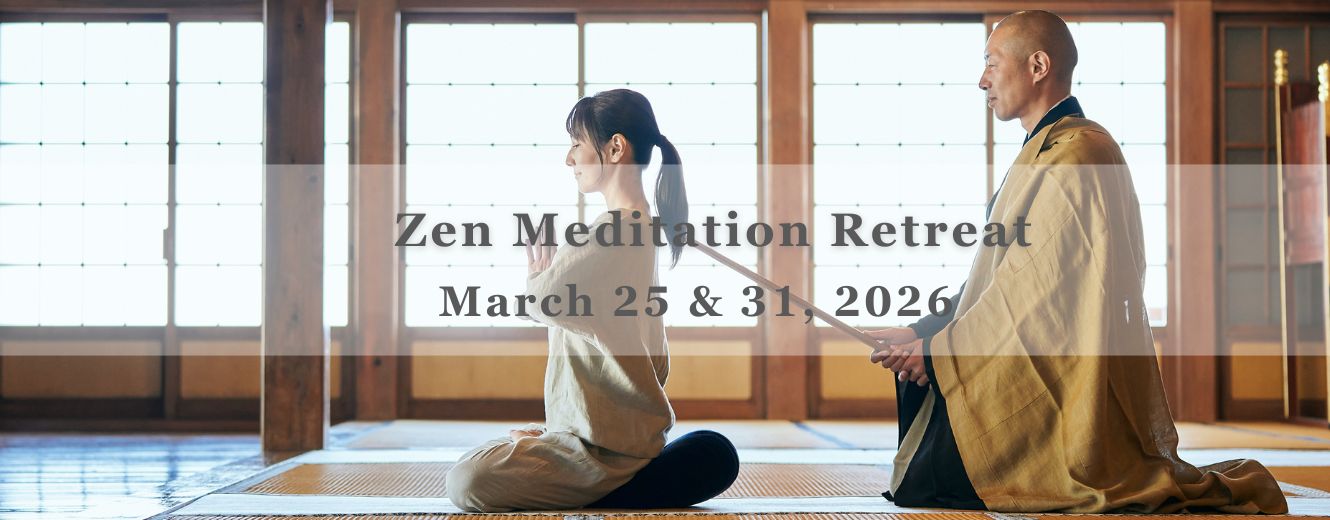
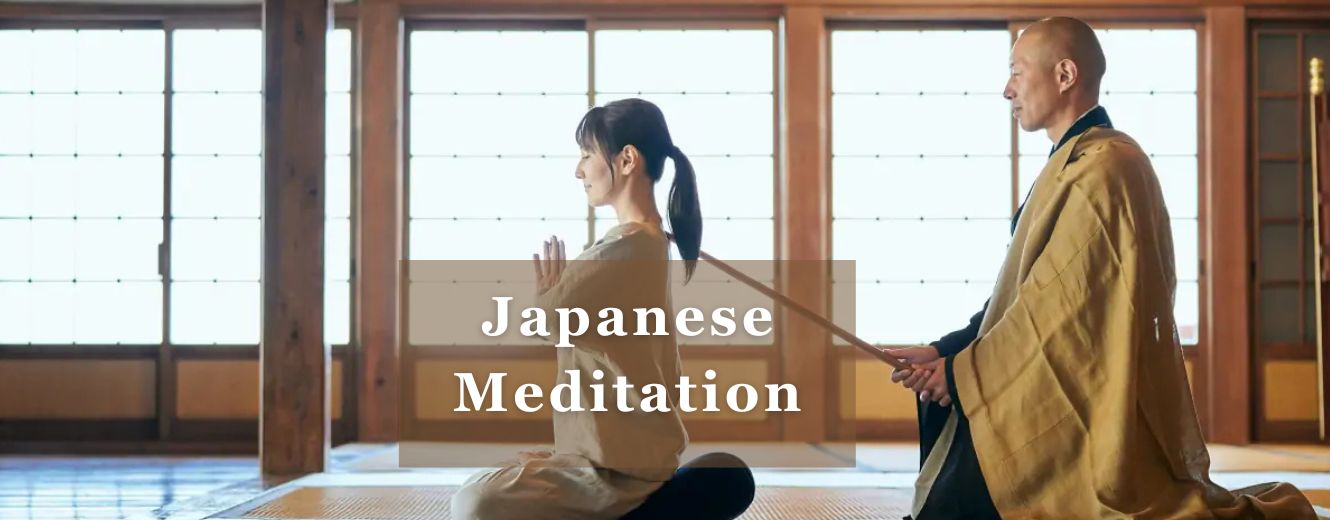
From Kyoto and Kamakura to temples nationwide, visitors can join zazen or sutra copying with monks’ guidance. Many temples now welcome beginners with English support, making temple meditation in Japan accessible to first-timers.
Tea Ceremony × Moving Zen
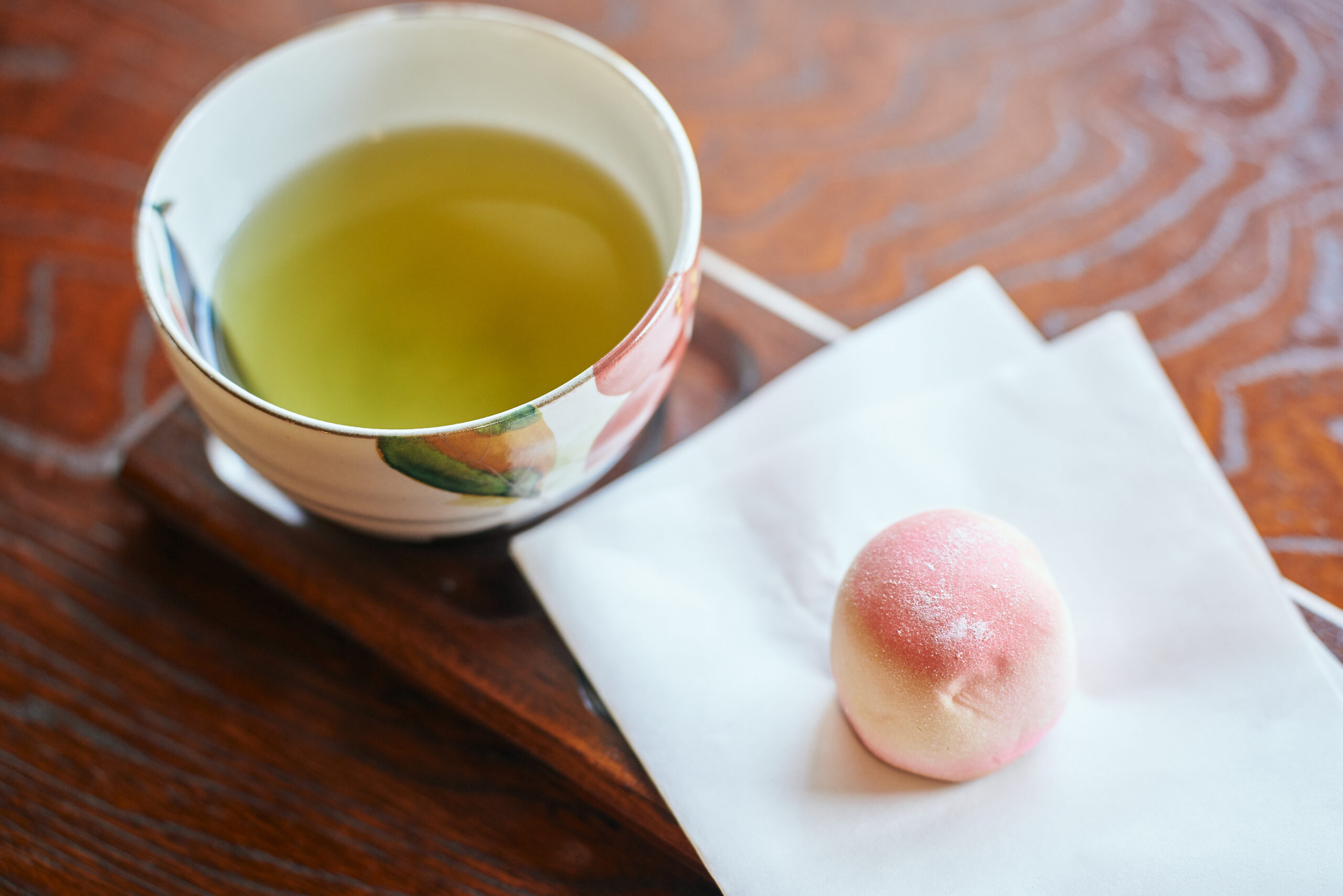
Every gesture in the tea ceremony is “Zen in motion.” Preparing and receiving a bowl of tea draws the mind into stillness. Popular in Kyoto and Kanazawa, these experiences are increasingly included in Japan wellness retreats.
Calligraphy × Writing Zen
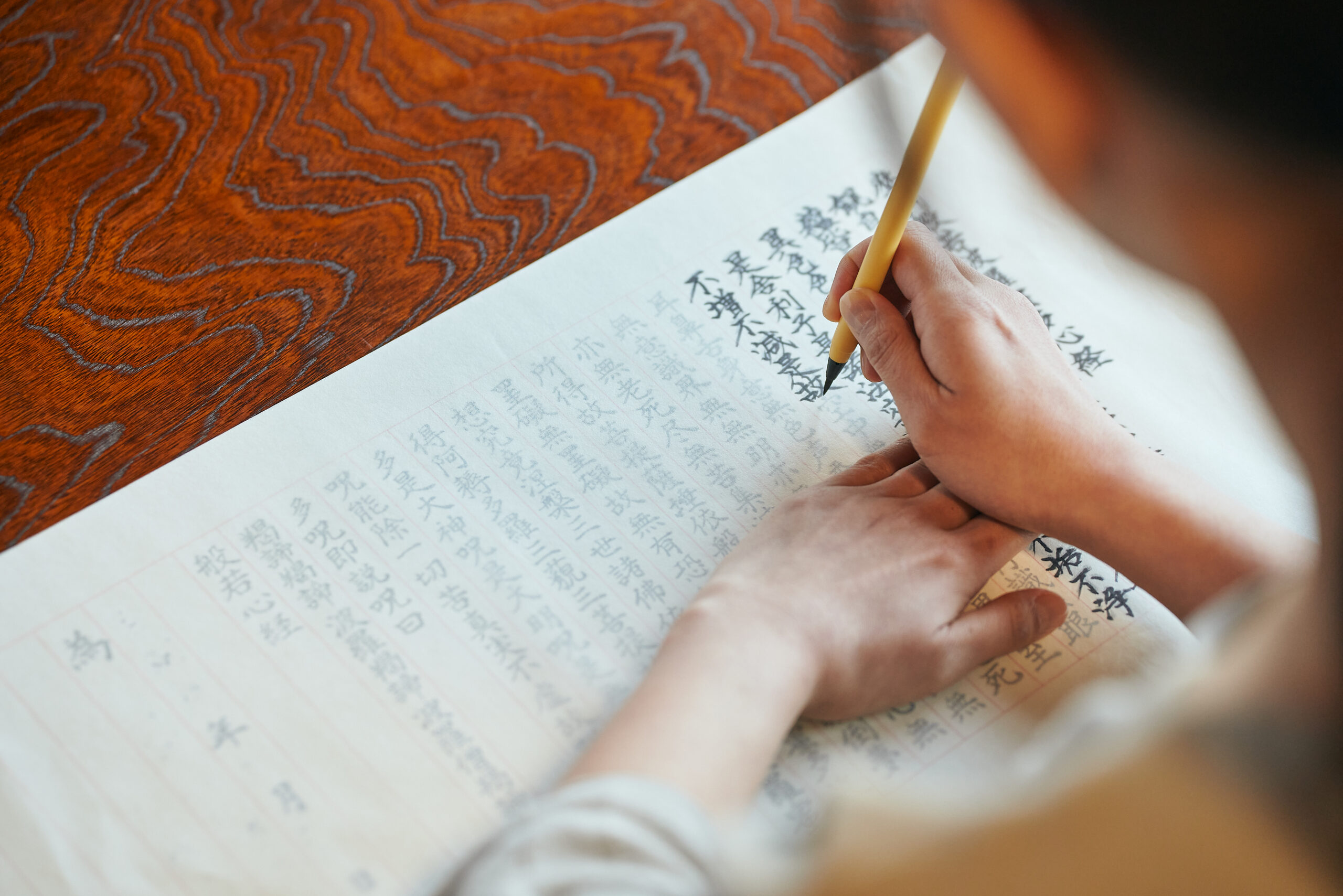
Known as shakyo, copying sutras with brush and ink harmonizes breathing and movement. In Tokyo and Kamakura, writing becomes meditation itself—a meaningful form of Japanese meditation retreat culture.
- Duration: 1.5–3 hours (half-day to overnight)
- Budget: ¥5,000–20,000+
- English Support: Strong in Kyoto, Tokyo, Kamakura
Expert View — Why Meditation Retreats in Japan Are Growing
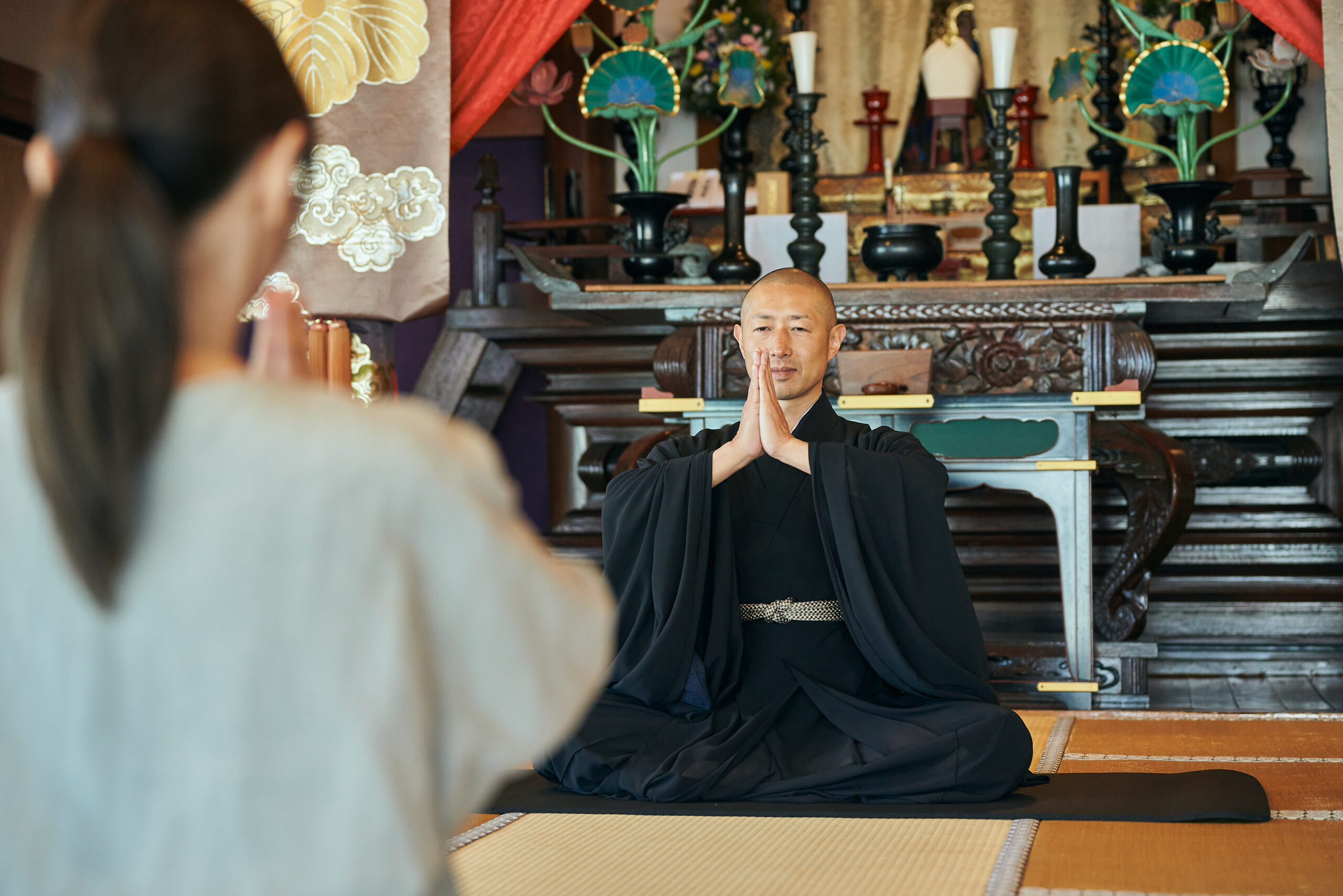
These programs are not simply for sightseeing—they are for meeting yourself again and recovering your health. For us monks, the essence of Zen is not competition or achievement, but simply learning to notice the present moment.
As more facilities and tour operators provide these retreats, meditation retreats in Japan are no longer rare. They are now a familiar form of wellness experience across the country, accessible to anyone.
Koun-in Temple — Mt. Fuji Meditation Retreat in Japan
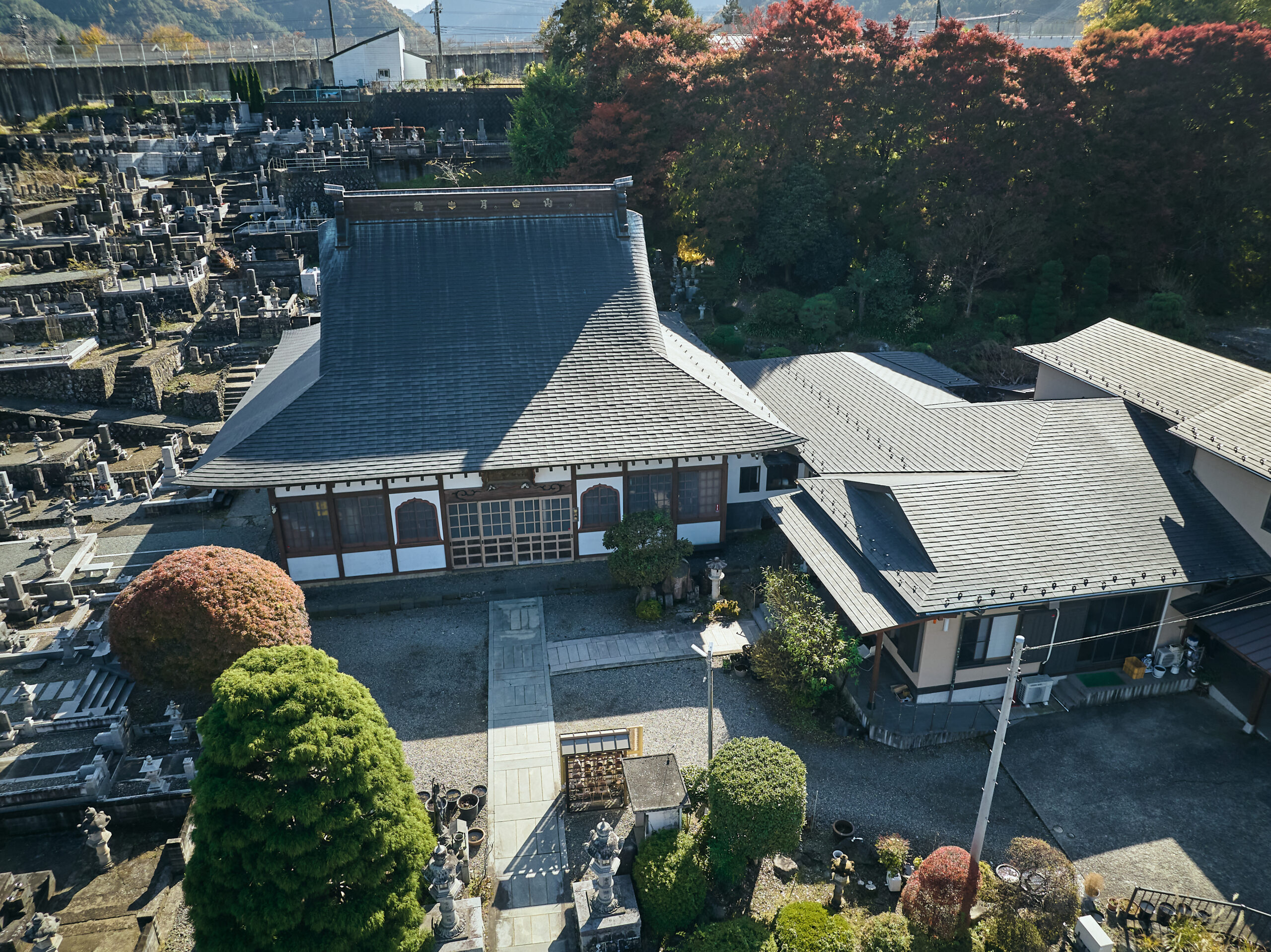
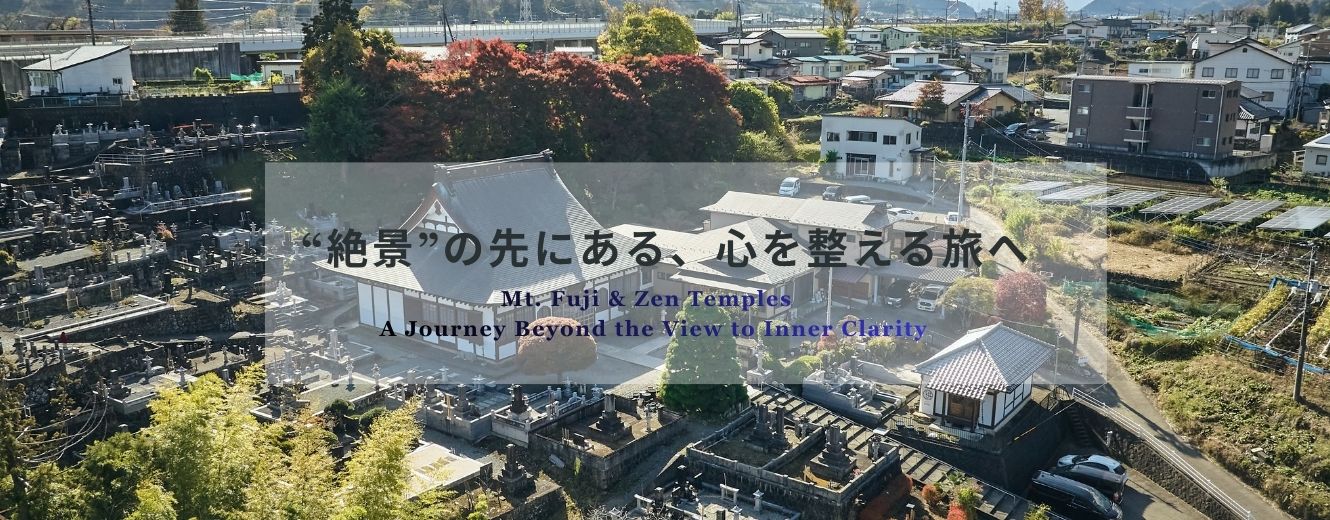
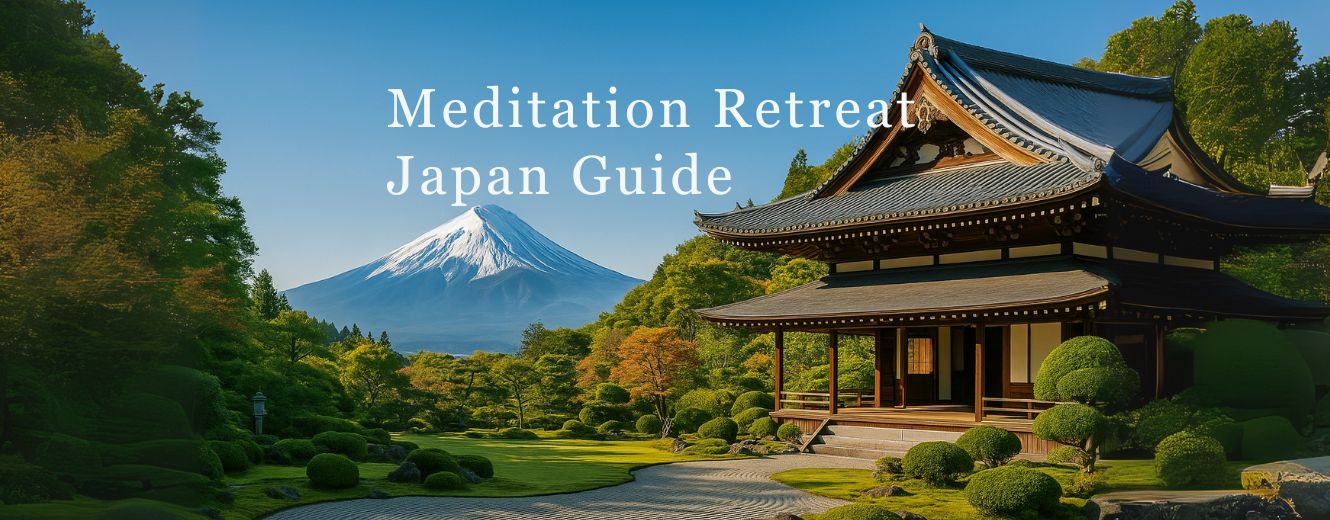
Koun-in Temple, founded in 1398, is a Soto Zen temple with more than 600 years of history. Located in Tsuru City, Yamanashi—just 90 minutes from Tokyo—it is a hidden gem where travelers can pause during their journey to Mt. Fuji and experience a short Zen retreat surrounded by waterfalls and quiet nature.
Visit the official Koun-in Temple Zen Retreat page
For additional travel ideas, see the official Mt. Fuji tourism site.
About Rev. Chiken Kawaguchi — Guide of Meditation Retreats in Japan
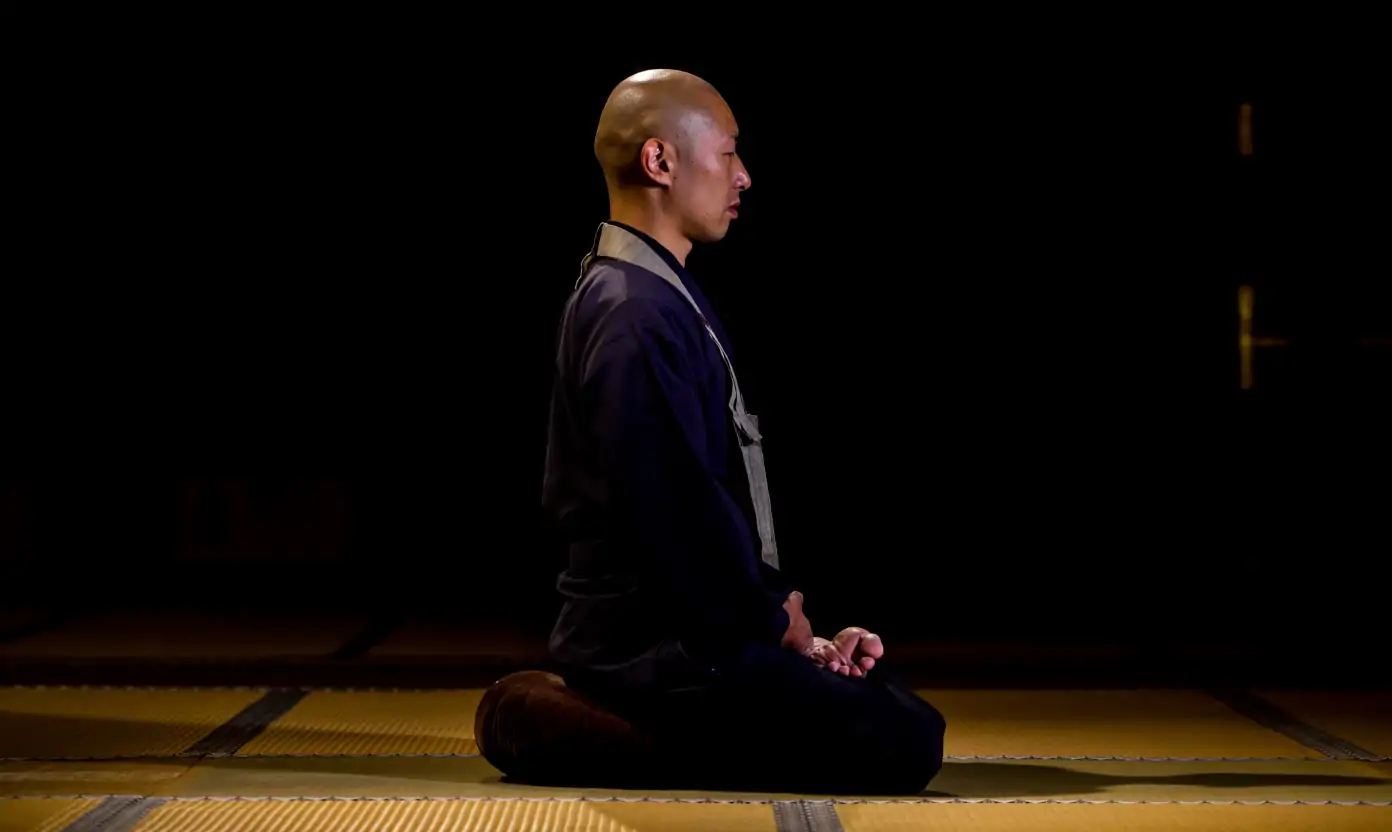
My name is Rev. Chiken Kawaguchi, Vice Abbot of Koun-in Temple.
All meditation retreats at our temple are guided directly by me.
To be honest, I did not like zazen when I was younger. As a student, I was more interested in fashion and surfing than temple life.
But my four years of training at Eiheiji, the head temple of Soto Zen, changed me. Waking up at 3:30 a.m. and living under strict discipline was never easy. Yet I still remember the sweetness of a small piece of yokan shared with fellow trainees—a reminder that even within hardship, there is warmth. That experience became the foundation of my practice today.
Now, I share Zen through running a children’s community kitchen, hosting online zazen and yoga, and even participating in the film Tenzo at Cannes. For me, Zen is not only for the dead—it is for the living. That is why I want our temple to be open to everyone: beginners, travelers, people of all backgrounds.
Traveler-Friendly Program — Meditation Retreat Japan at Koun-in Temple
- Duration: 3–4 hours
- Location: Tsuru City, Yamanashi (near Mt. Fuji)
- Fee: ¥10,000–¥15,000(options may vary)
- Access: 90 min from Tokyo (JR Shinjuku), 35 min from Lake Kawaguchi, 8 min on foot from Higashikatsura Station
Program Flow (sample):
- Gentle zazen instruction in the tatami hall
- Light yoga / stretching
- Shakyo (sutra copying)
- Short Dharma talk (English available)
- Optional shojin cuisine (temple meal)

FAQ — Meditation Retreat Japan at Koun-in Temple
Can I join alone?
Yes, absolutely. Solo participants are warmly welcome, and beginners can also feel at ease.
How long is the program?
About 3–4 hours. It is easy to join even during your travels.
Is English guidance available?
Yes. Simple English guidance is available.
Is shojin cuisine included?
It depends on the plan. With the meal option, you can experience mindful eating.
Is it suitable for beginners?
Of course. All that is needed is simply “to be present in the moment.”
Do I need to bring anything?
No special preparation is required. Comfortable clothing is enough.
How do I book?
Please make a reservation in advance through our contact form.
Voices from Visitors
—“The meditation retreat in Japan at Koun-in Temple was the highlight of my trip. Sitting quietly near Mt. Fuji, guided by a Zen priest, gave me peace I had never felt before.”
—“More than sightseeing—it felt like stepping into the living spirit of Japan. This retreat helped me connect with the culture in a deeper way.”
—“As a student interested in mindfulness, I found Japanese meditation here both welcoming and profound. The combination of zazen and temple food was unforgettable.”
—“We joined as a couple and found the retreat deeply calming. Sutra copying was a unique way to connect with Zen philosophy and Japanese traditions.”
—“Even as a senior traveler, I felt supported throughout. Practicing Japanese meditation through yoga and zazen gave me both calmness and renewed energy.”
—“As a yoga practitioner, I was inspired to experience Japanese meditation in its authentic Zen setting. The blend of movement and stillness was powerful.”
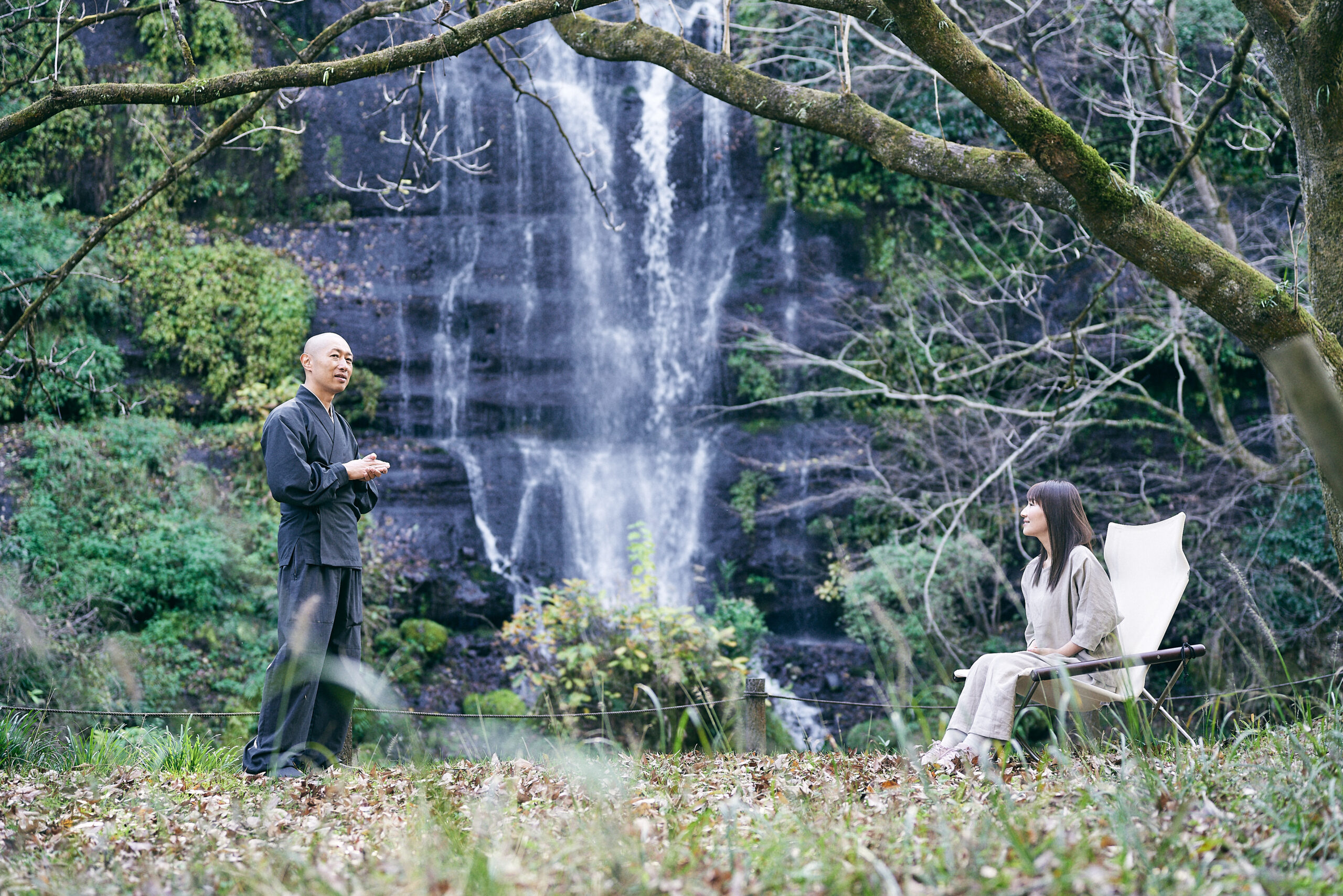
What to Expect from a Meditation Retreat in Japan
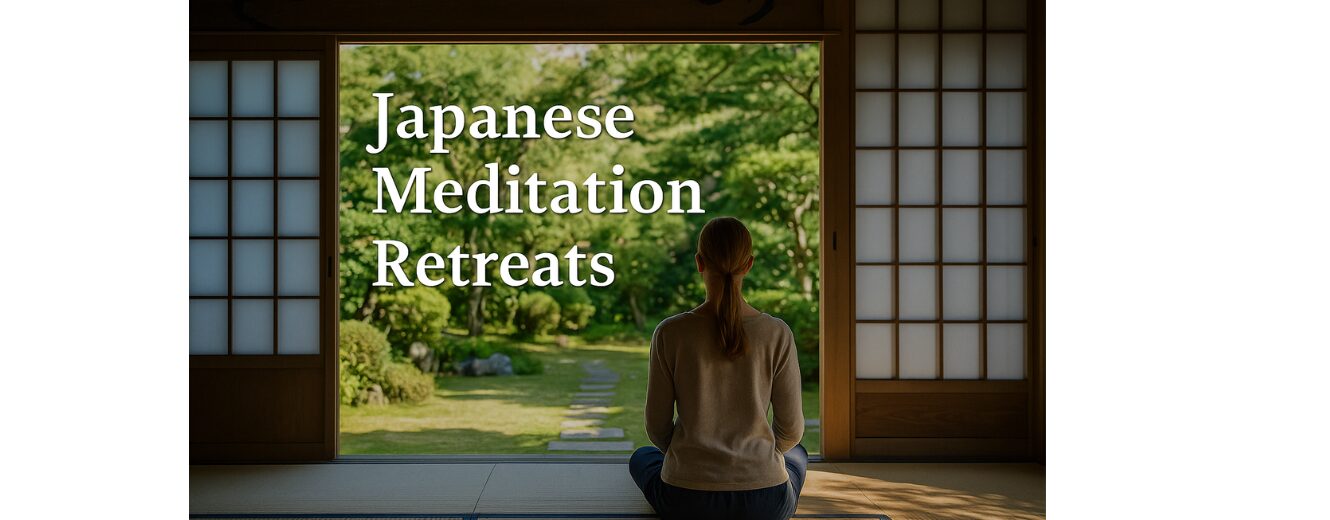
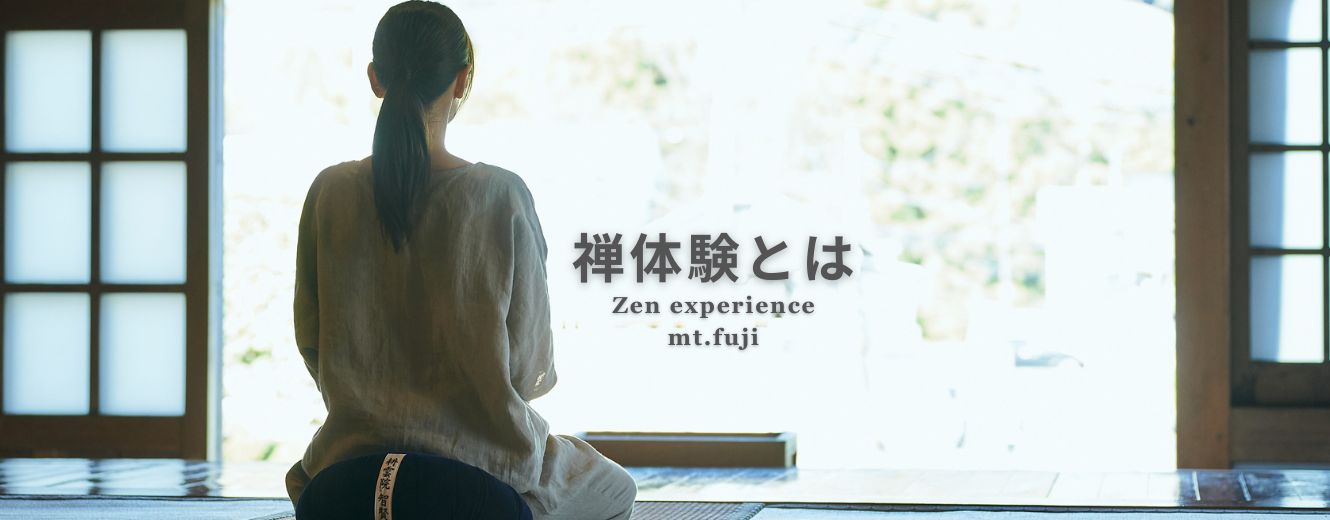
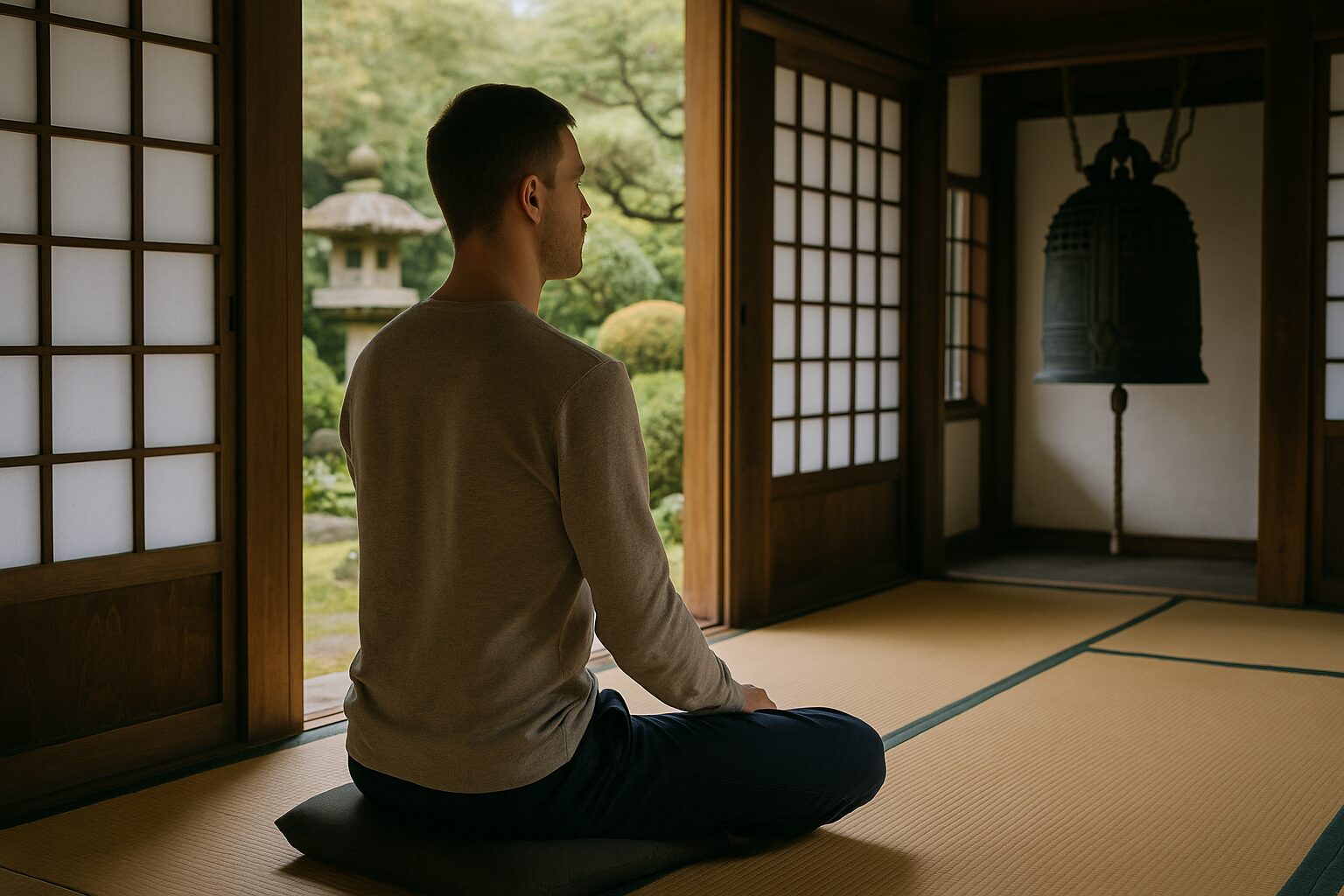
When you enter, incense is lit. You sit on tatami, hear the silence of the garden, and breathe. This is not about mastering Zen. It is simply a moment to rest, notice the present, and return to your journey with a lighter heart.
Experience Zen Meditation Near Mt. Fuji
Beginners welcome ・ English guidance available ・ Just 90 minutes from Tokyo