Learn Zen — Learning How to Learn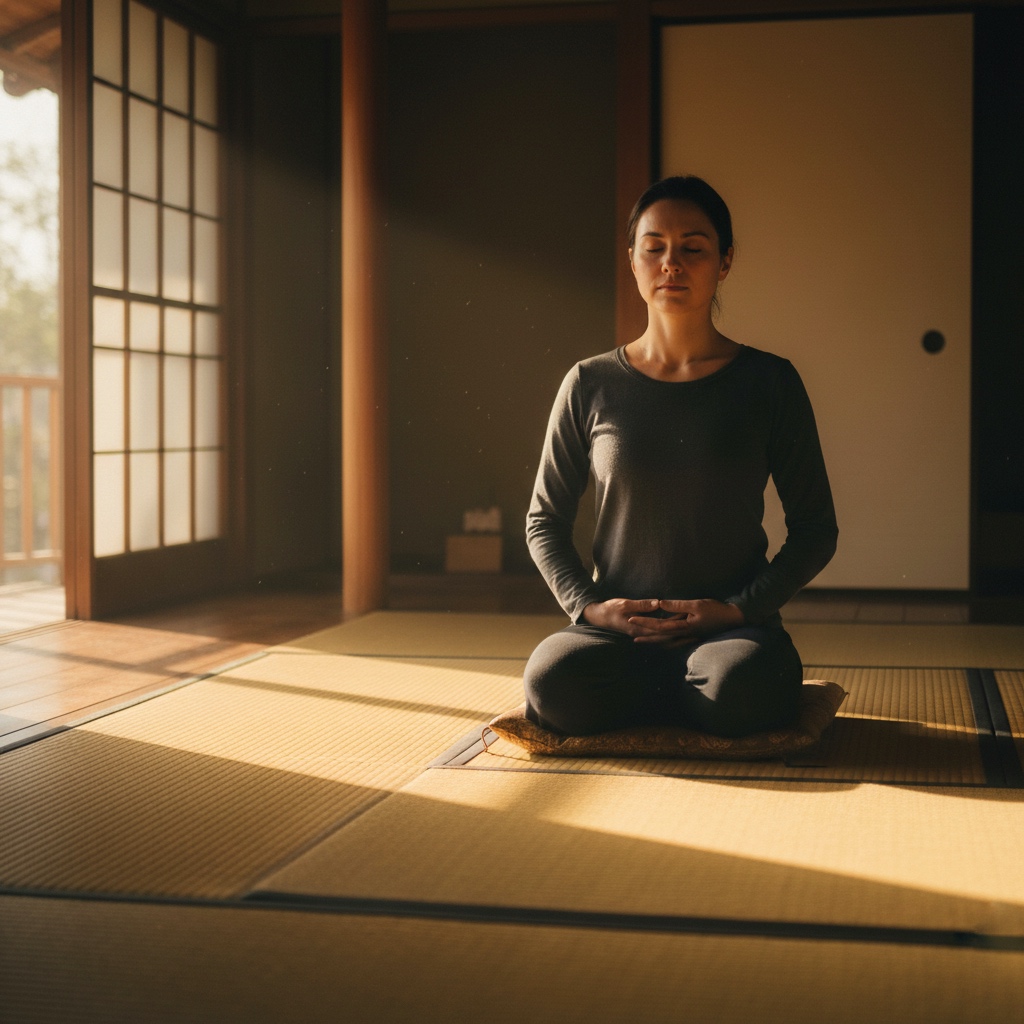
Zen is not about acquiring new knowledge — it’s about relearning how to learn.
Rather than seeking external teachings, Zen invites us to turn inward — to observe, to empty, and to see clearly.
It’s not how to learn Zen, but how Zen teaches us to learn.
By creating moments of stillness in a noisy world, we begin to rediscover the quality of attention that underlies all true learning.
👉 Related reading: Learn more about Japanese meditation
Why “Learning Zen” Is Different from “Learning About Zen”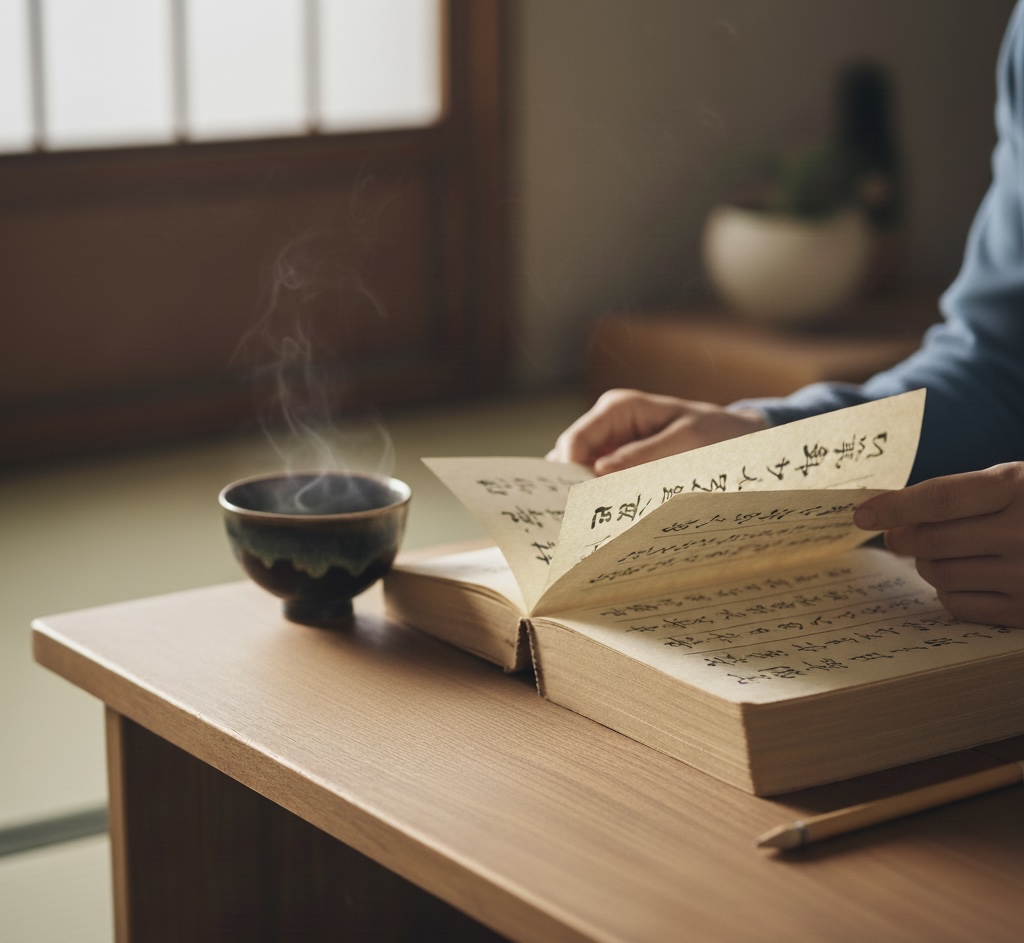
Most people collect information about Zen — reading books, watching videos, or quoting masters.
But true learning happens through Zen, not about Zen.
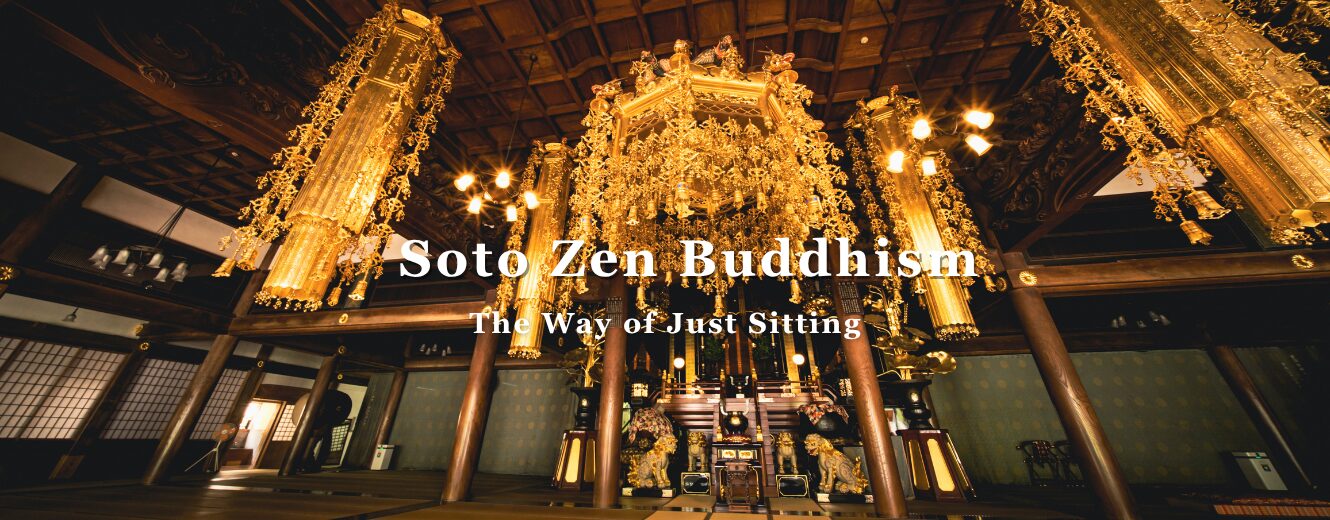
In Sōtō Zen Buddhism, the practice of shikantaza — “just sitting” — is not a tool to reach enlightenment;
it is the expression of enlightenment itself.
This reflects Dōgen Zenji’s principle of shushō ittō (修証一等):
“Practice and realization are one.”
Everyone already possesses the capacity for awakening (nin-nin shitsu dōki 人人悉道器).
But potential alone is not enough — steady and sincere effort (shō shōjin 正精進) is how wisdom becomes real.
👉 Explore the essence of this practice: Zazen Meditation — The Way to Sit, Breathe, and Return Home
The Zen Way of Learning — From Knowing to Seeing
Zen education is not about accumulation, but cultivation of perception — the ability to see.
When Dōgen returned from China, he was asked what he had attained. He replied simply:
“Eyes are horizontal; nose is vertical.”
Truth was not hidden in doctrine; it was already here, in the ordinary.
Zen shifts learning from adding knowledge to removing filters — the labels, biases, and judgments that cloud our vision.
When you let go of these filters, you regain beginner’s mind (shoshin): clear, open, and alive.
Learning Zen means polishing the mirror of awareness, not trying to change the reflection.
👉 Learn how to reconnect with awareness in daily life: Mindfulness Practice — Simple Daily Steps to Calm the Mind
Unlearning — The First Step to Learn Zen
The first lesson in Zen is to unlearn.
Dōgen taught Hōge jakku (放下著):
“Let go of all that you carry.”
Zen “unlearning” means cutting the thread of past and future (zengo saidan 前後際断) — releasing attachment to what’s gone and fear of what’s yet to come, so you can meet this moment completely.
To cleanse the heart (senshin 洗心) is to create space for insight.
A clouded mirror cannot reflect clearly — the same is true of a cluttered mind.
- Straighten your bed mindfully in the morning
- Take three breaths before answering a message
- Notice your own state before judging another’s
Learning begins when you stop reaching for more — when you make space to see.
👉 Discover related wisdom: Zen Words — The Language of Stillness and Awareness
Learning Through Attention — Observation as Practice
Zazen is not about silencing thoughts; it’s about observing attention itself.
It is an education in awareness — learning how to see the mind’s movement without reacting.
This reflects the Buddha’s teaching of Right View (正見): seeing without distortion.
When you sit in meditation, you learn not from books, but from your own awareness.
You begin to see the mind building stories — and how to return to the simplicity of breath and presence.
When you sit, you don’t seek silence — you become the space that holds it.
👉 Learn how observation transforms experience: Meditation Practice as a Way of Being
Learning Zen in the Modern World
In an age of information overload, we often mistake data for understanding.
Zen reminds us that wisdom comes from attention, not accumulation.
Scientific studies confirm what Zen has long taught: mindful awareness improves focus, emotional balance, and overall well-being.
But beyond neuroscience, Zen restores what modern life forgets — simplicity, stillness, and space.
Visionaries like Steve Jobs and Ray Dalio both found in Zen a framework for clarity amid complexity: the courage to subtract, not add.
👉 Looking to experience this clarity firsthand? Mindfulness Retreat — A Quiet Journey Back to Yourself
Books & Resources — Learning from Zen, Not About Zen
- Zen Mind, Beginner’s Mind — Shunryu Suzuki
- The Three Pillars of Zen — Philip Kapleau
- Everyday Zen — Charlotte Joko Beck
These works offer practical insights into bringing Zen awareness into ordinary life.
For those seeking authentic practice, temples like Koun-in Temple in Yamanashi provide English-friendly retreats that connect ancient wisdom with modern living.
👉 Explore temple-based learning: Zen Buddhism and the Art of Presence
Learning as Awakening — The Journey Never Ends
Dōgen Zenji said:
“To realize life and death — this is the great matter.”
Zen learning never ends because life itself never stops teaching.
Each moment is a lesson in impermanence, interconnection, and emptiness.
To learn Zen is to live awake — to see clearly, act kindly, and let go gracefully.
Learning Zen is learning how to learn — and how to let go.
A Living Example — Zen Practice at Koun-in Temple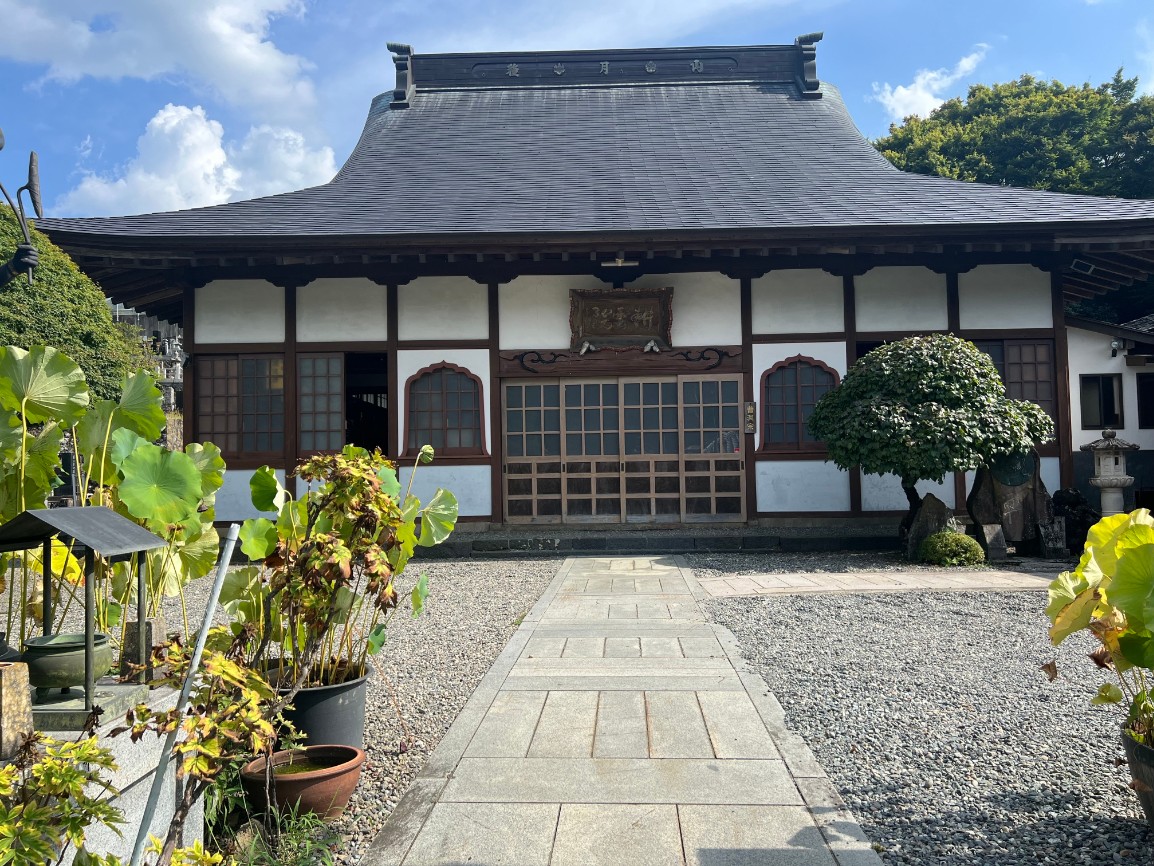
Yet Zen is not only a philosophy to be understood — it is a way of living to be embodied.
Across Japan, temples continue to preserve this living practice, inviting visitors from all over the world to experience it directly.
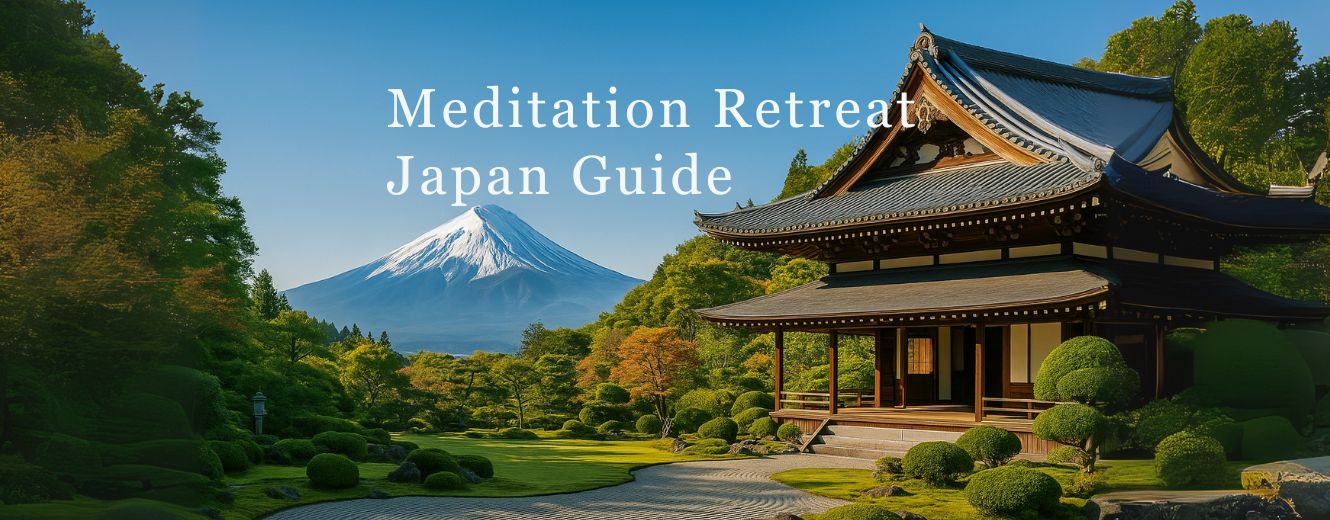
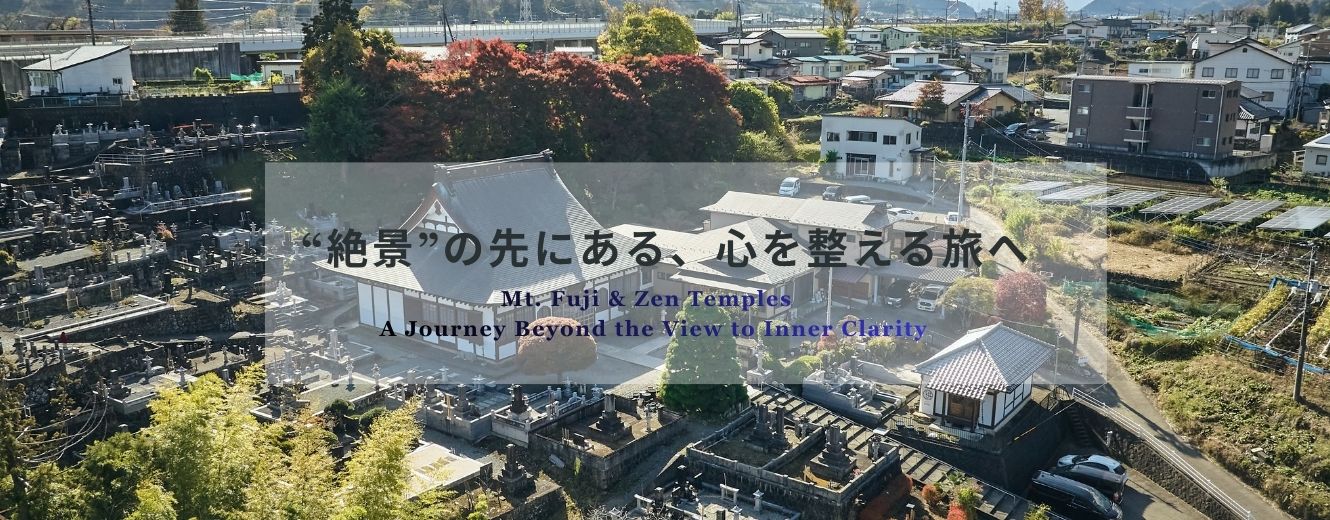
One such place is Koun-in Temple, nestled in the cedar forests near Mt. Fuji.
Here, meditation isn’t an idea — it’s embodied.
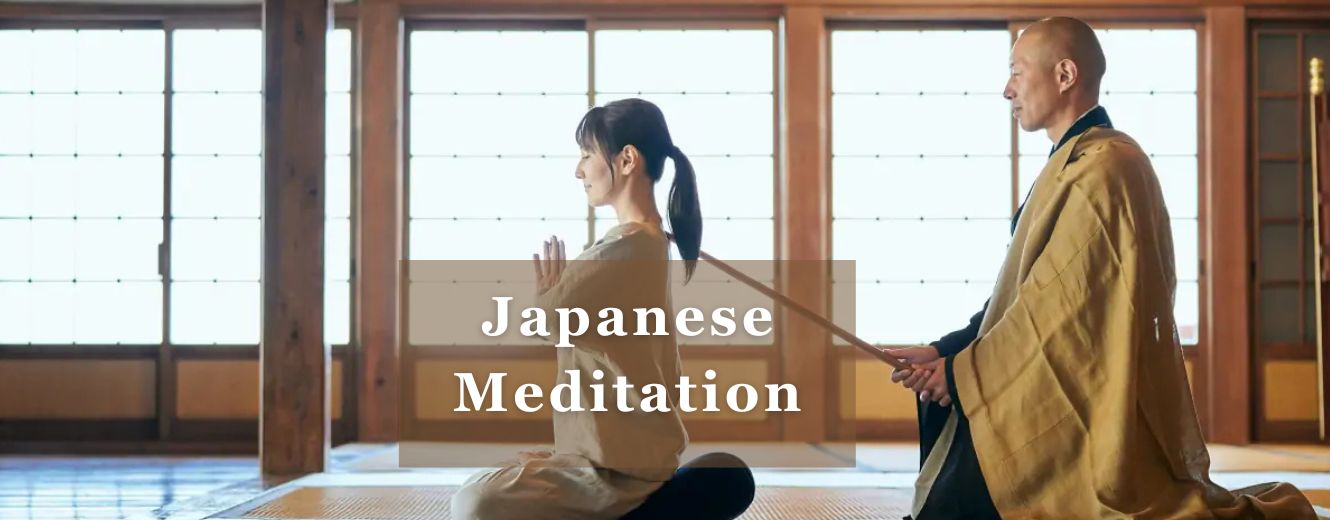
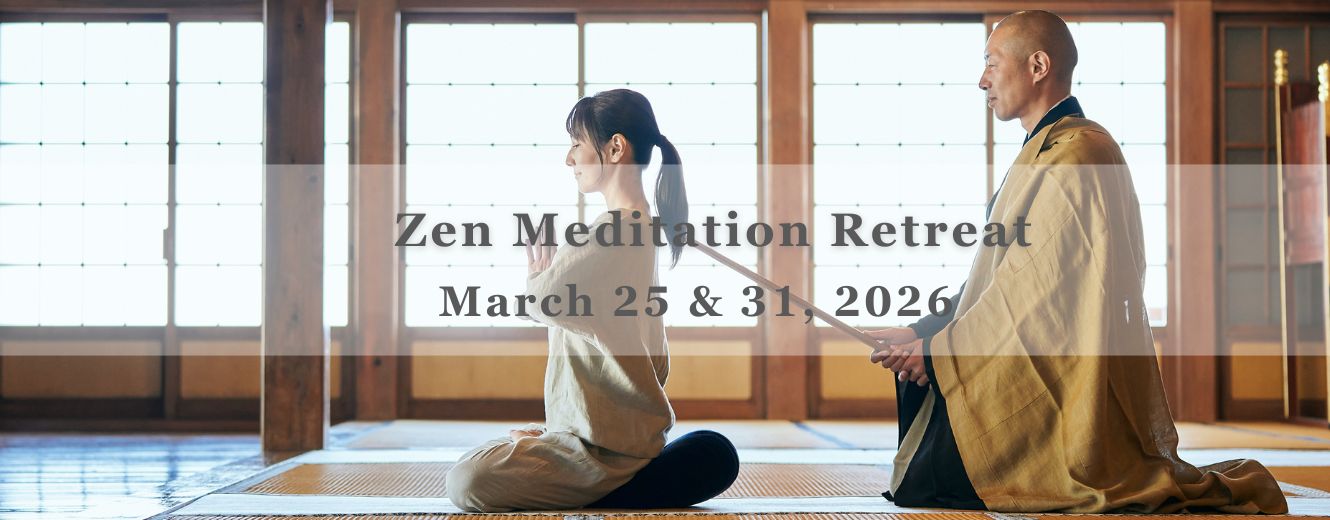
Monks guide visitors through zazen (seated meditation), shakyo (sutra copying), and shojin ryori (Zen cuisine),
🌿 Program Highlights
- Zazen Meditation — short guided sittings in English
- Sutra Copying (Shakyo) — tracing the Heart Sutra to cultivate patience and compassion
- Shojin Ryori (Zen Cuisine) — seasonal plant-based meals reflecting gratitude and impermanence
👉 Experience Zen meditation in Japan at Koun-in Temple
Voices from Participants — Zen Retreat Experiences in Japan
“The meditation retreat in Japan was the highlight of my trip. Sitting quietly near Mt. Fuji gave me peace I’d never felt before.”
“More than sightseeing — it felt like stepping into the living spirit of Japanese culture.”
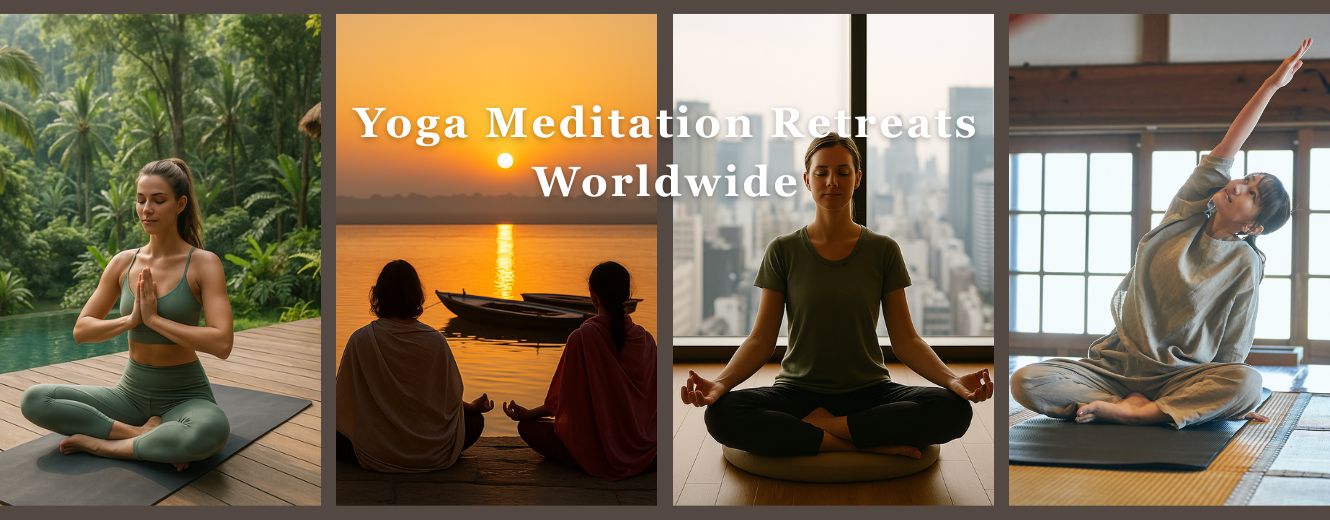
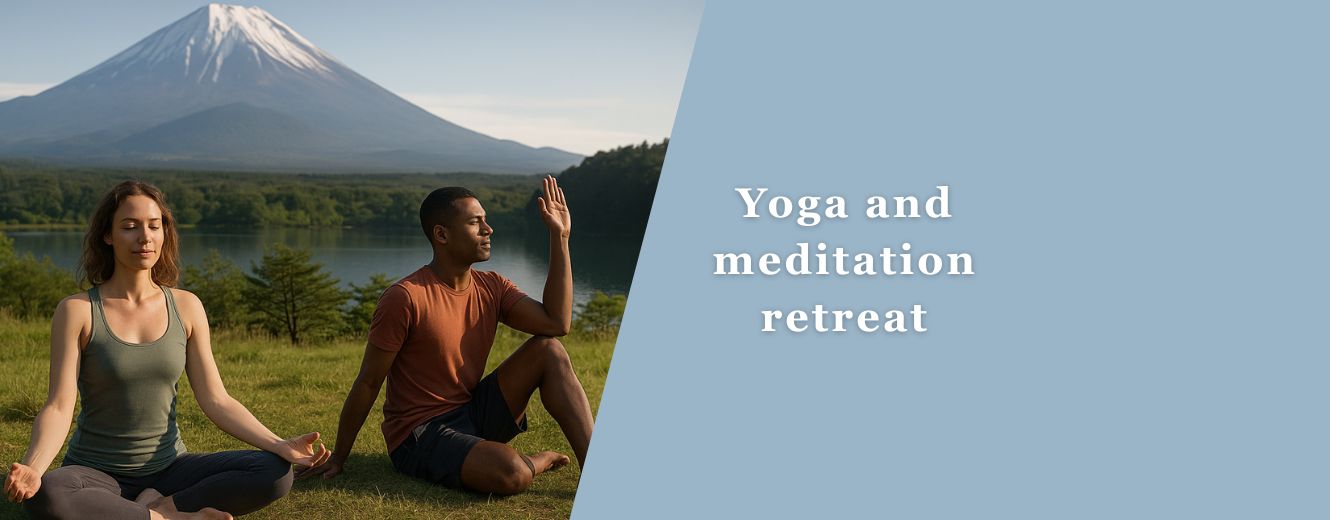
“The combination of yoga and zazen was unforgettable. It helped me experience mindfulness in a new way.”
“As a couple, sutra copying and temple meals made the retreat uniquely Japanese.”
“As a senior traveler, I felt supported. Meditation gave me renewed energy.”“As a yoga practitioner, the blend of movement and stillness in an authentic Zen setting was powerful.”
A Personal Note — From Rev. Chiken Kawaguchi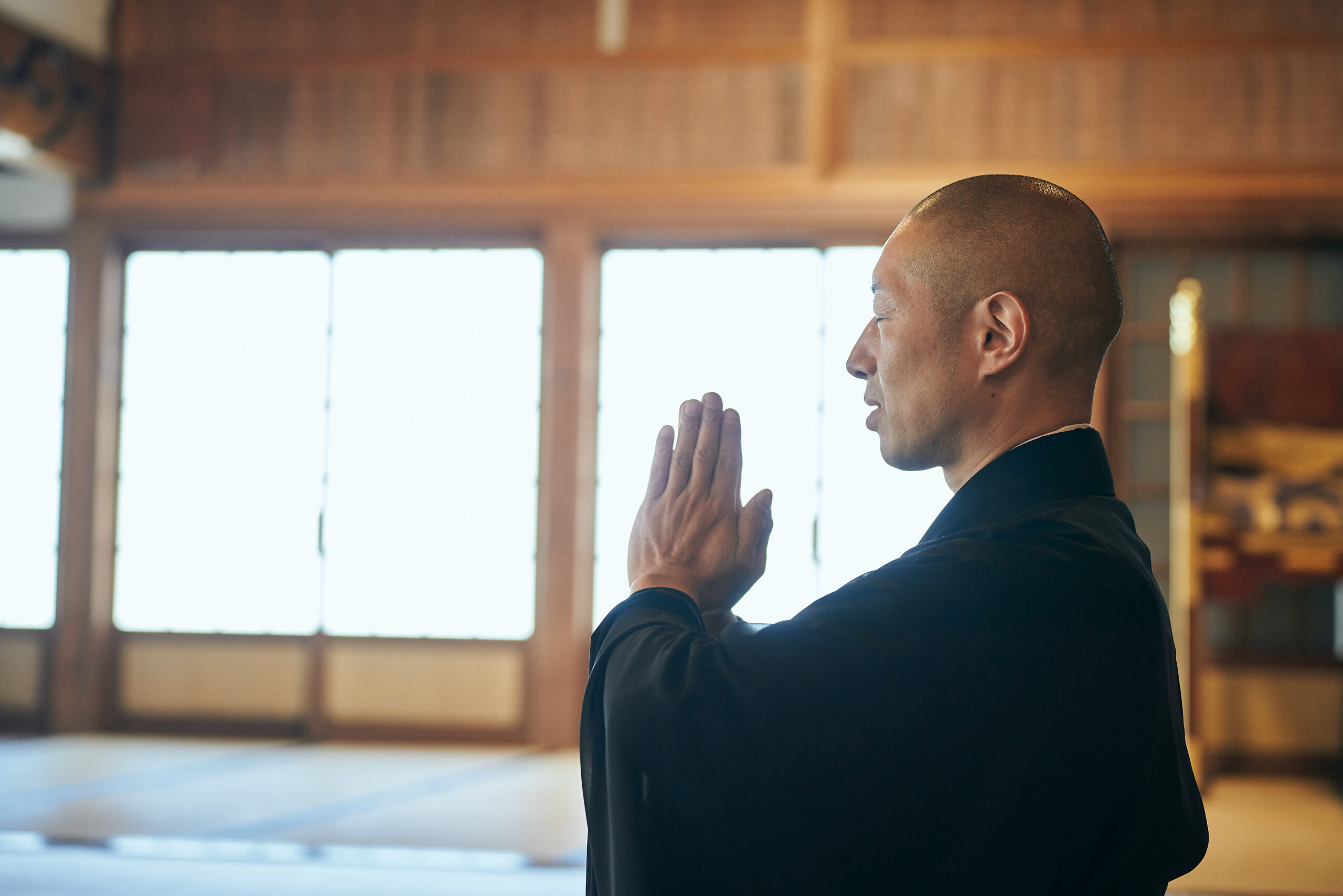
Hello — I’m Rev. Chiken Kawaguchi, Vice Abbot of Koun-in Temple, a Sōtō Zen monastery in the foothills of Mt. Fuji, Japan.
For much of my early life, I kept learning more — more work, more success, more stimulation.
Like many today, I believed peace would come after achievement.
But Zen showed me that true learning begins when we stop adding — when we become still.
During my training at Eiheiji Temple, I learned something profound:
Discipline is not restriction — it is alignment.
Each bow, each breath, each repetition became a lesson in awareness — a mirror showing me where my mind had wandered and how to return.
In Zen, practice is not preparation for life — it is life itself. Meditation isn’t about escaping busyness; it’s about learning how to move through it with clarity.
You don’t need to leave your job or shave your head.
Learning Zen begins the moment you pause — to sit, breathe, and see things as they are.
Five minutes of attention can become your temple.
Keep that small promise to yourself, and even in chaos, you are already walking the Zen path.
Consistency — not perfection — transforms awareness into wisdom.
So wherever you are, begin.
Not tomorrow.
Not “when things slow down.”
Now.
👉 Begin your own practice: Join Online Zazen from Japan
FAQ — About Buddhist Retreats in Japan
Q. Can I join alone?
Yes. Many participants come solo, seeking quiet time for reflection.
Q. How long is the program?
About 3–4 hours — easy to fit into your travel schedule.
Q. Is English guidance available?
Yes. Simple English guidance is provided.
Q. Is Shojin Ryori included?
It depends on the plan — mindful meal options are available.
Q. Do I need to bring anything?
No. Comfortable clothing is enough.
Q. How do I book?
Please reserve in advance through our contact form. Early booking is recommended, especially for weekends and holidays.
👉 Ready to experience Zen in Japan? Book your retreat here.
Final Section — Learning Zen, Wherever You Are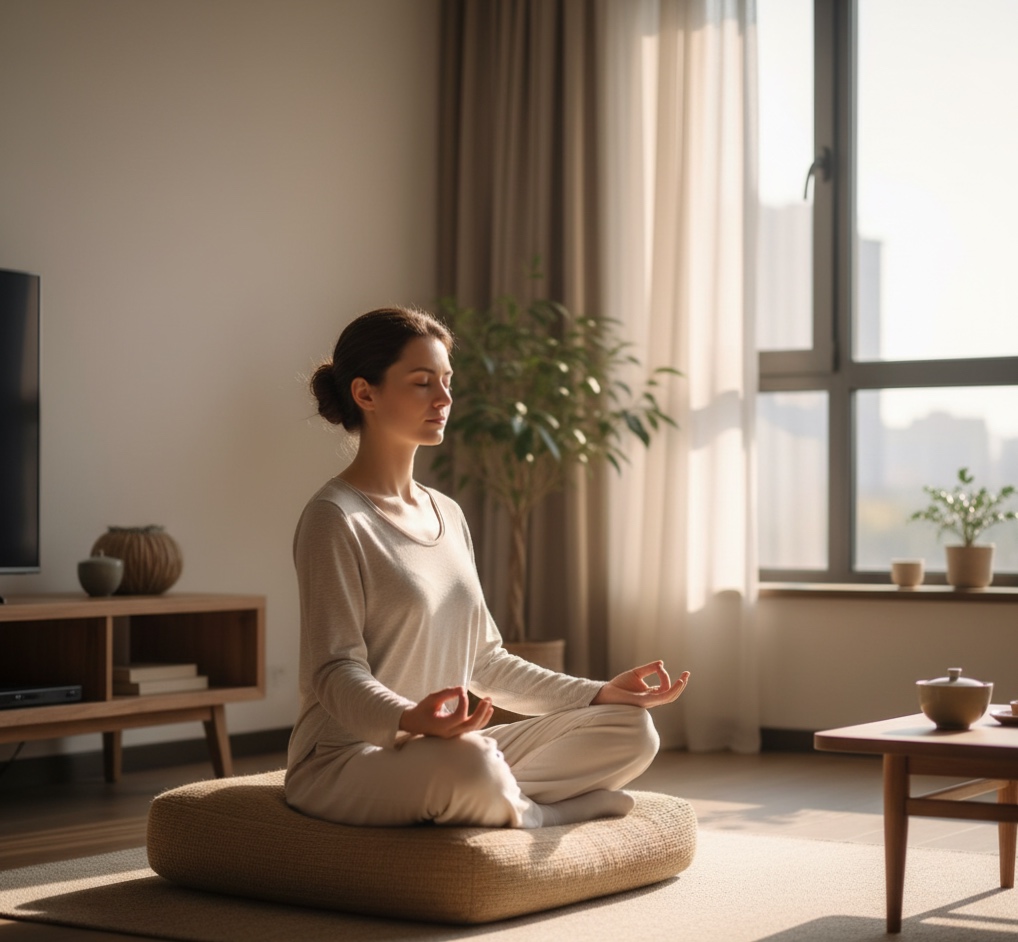
Even after you leave the temple, the practice continues.
Learning Zen doesn’t end with a retreat — it begins the moment you return to your ordinary life.
To learn Zen is to practice mindfulness, simplicity, and awareness — not as religion, but as daily education.
When you wash your hands, just wash your hands.
When you walk, just walk.
Each act, when done with full awareness, becomes Zen itself.
The real temple is not built of wood and stone — it is built in the attention you bring to this very moment.
Whether you sit for five minutes or breathe once before speaking, you are already learning Zen.
Not tomorrow, not when things slow down — now.