Mindfulness Practice for Beginners — Simple Daily Practices to Ease Stress, Improve Sleep, and Calm Anxiety
Introduction — Why Mindfulness Practice Matters Today
In today’s fast-paced world, many of us live under constant pressure: deadlines at work, sleepless nights, and the vague but heavy weight of uncertainty about the future. Surrounded by endless notifications and information, it’s increasingly difficult to find stillness.
From the perspective of mindfulness practice — whether you are just beginning or exploring deeper — the goal is not to erase struggles but to meet them as they are.
This is why mindfulness practice for beginners often starts with the simplest step: noticing the breath.
Stress and worry are part of life; it is precisely because suffering exists that we can also experience joy.
As a Zen monk, I would like to share ways of facing the mind through mindfulness practice — focusing on three common challenges of modern life: stress, sleeplessness, and anxiety.
Alongside timeless Zen wisdom, I will introduce insights supported by modern science, offering practical guidance for living with greater calm and awareness.
Benefits of Mindfulness Practice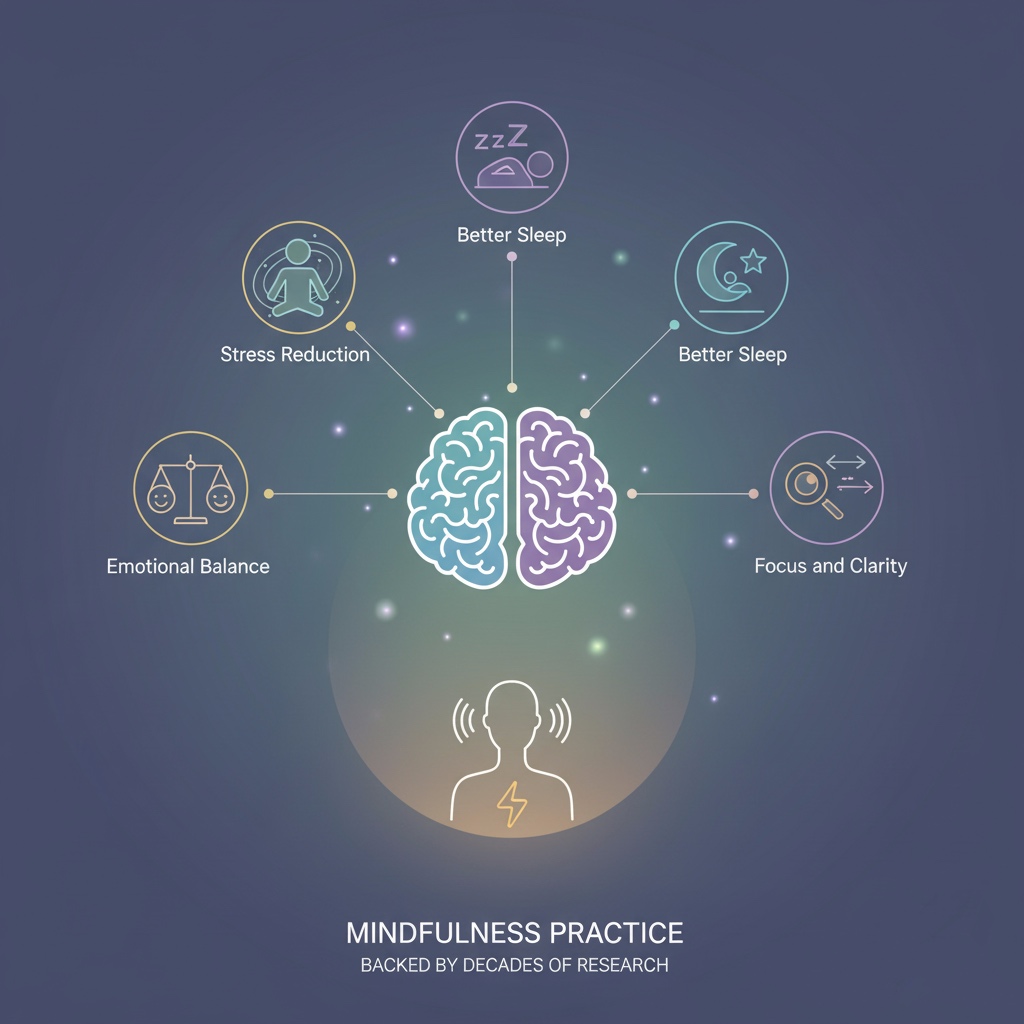
Before exploring each struggle in detail, it’s worth noting why mindfulness practice has become so widely recommended by psychologists, neuroscientists, and wellness experts.
-
-
- Stress reduction: Daily mindfulness practice calms the brain’s stress circuits, lowering activity in the amygdala and increasing resilience.
- Better sleep: Studies show mindfulness practice helps people fall asleep faster and improve sleep quality.
- Emotional balance: Regular practice builds self-awareness and reduces symptoms of anxiety and depression.
- Focus and clarity: By training attention, mindfulness strengthens concentration — useful at work and in daily life.
-
These benefits are not abstract ideas but backed by decades of research, making mindfulness practice one of the most effective ways to care for both mind and body.
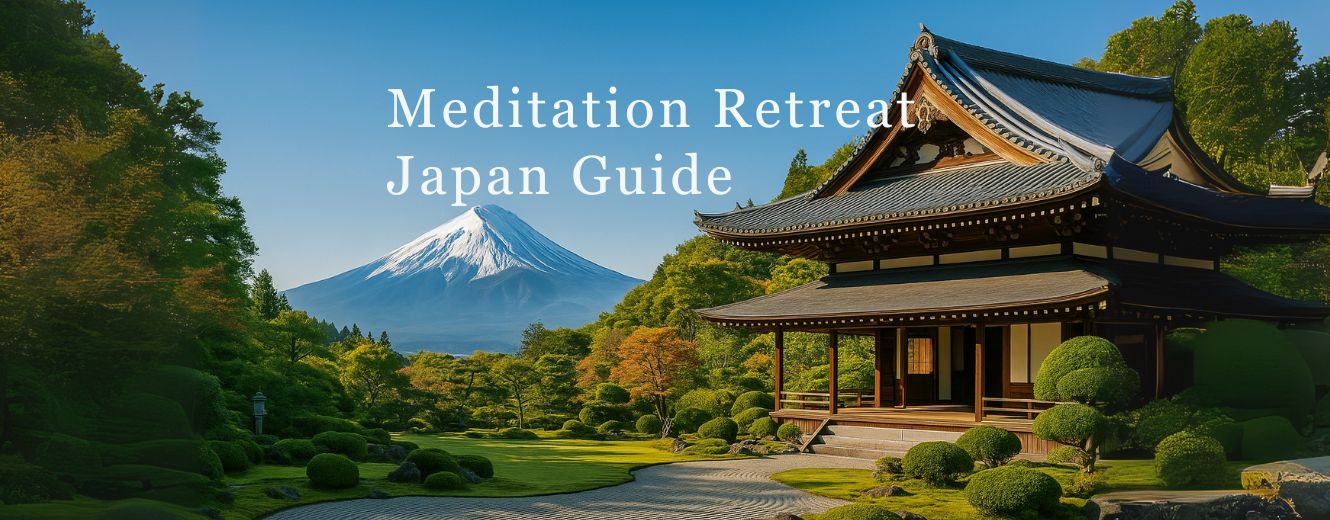
👉 Anchor text: For more, see ourMeditation Retreat Japan Guide
Stress and Overthinking — Finding Calm in the Middle of Chaos
“Too many thoughts crowd my head.”
“Work and social media keep my mind restless.”
Sound familiar? In our information-saturated age, the mind often feels like it’s running nonstop.
Research suggests the average person processes up to 70,000 thoughts a day, many of them repetitive or negative.
No wonder our mental energy feels drained.
Zen Perspective — “Stress is not something to eliminate, but something to observe.”
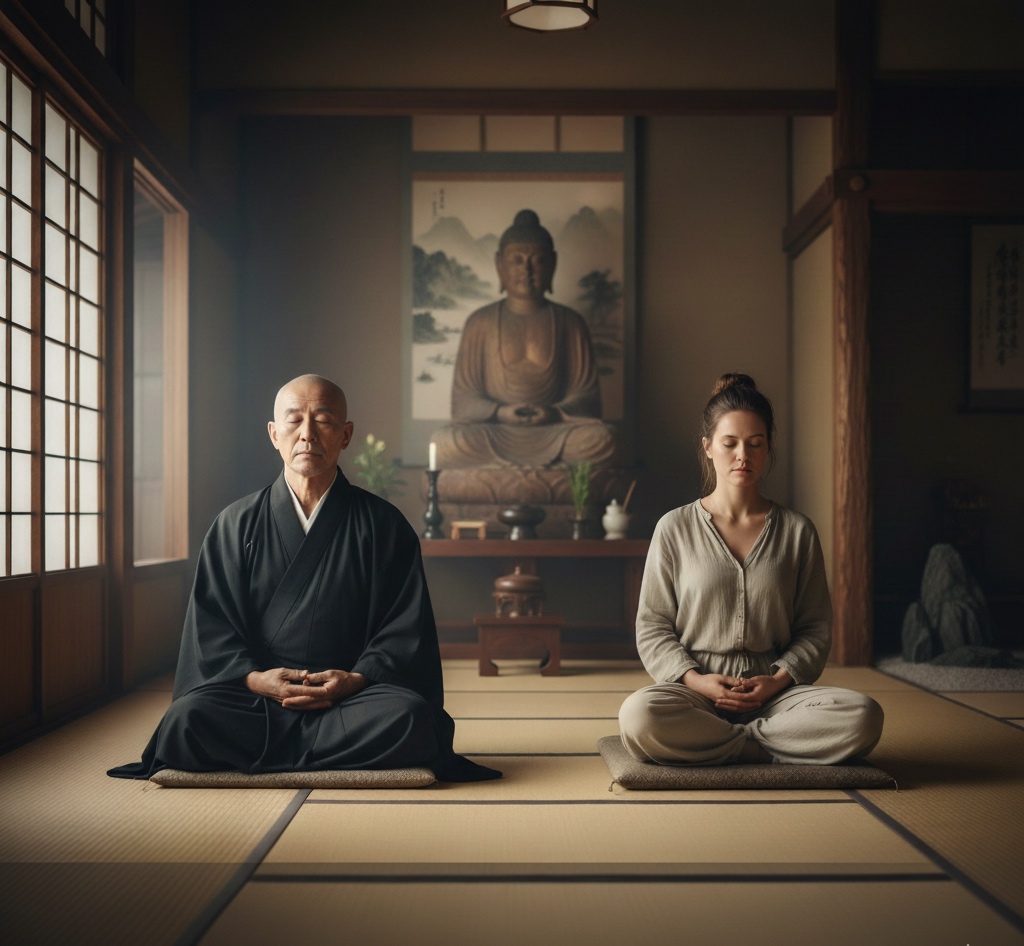
In mindfulness practice, stress is not an enemy to be defeated. Instead, it is something to observe without judgment.
Dogen Zenji, founder of Soto Zen in Japan, often reminded practitioners:
“Look at your feet” (Kyakka wo Miyo).
It means: bring your mind back to the present moment, instead of getting swept away by past regrets or future worries.
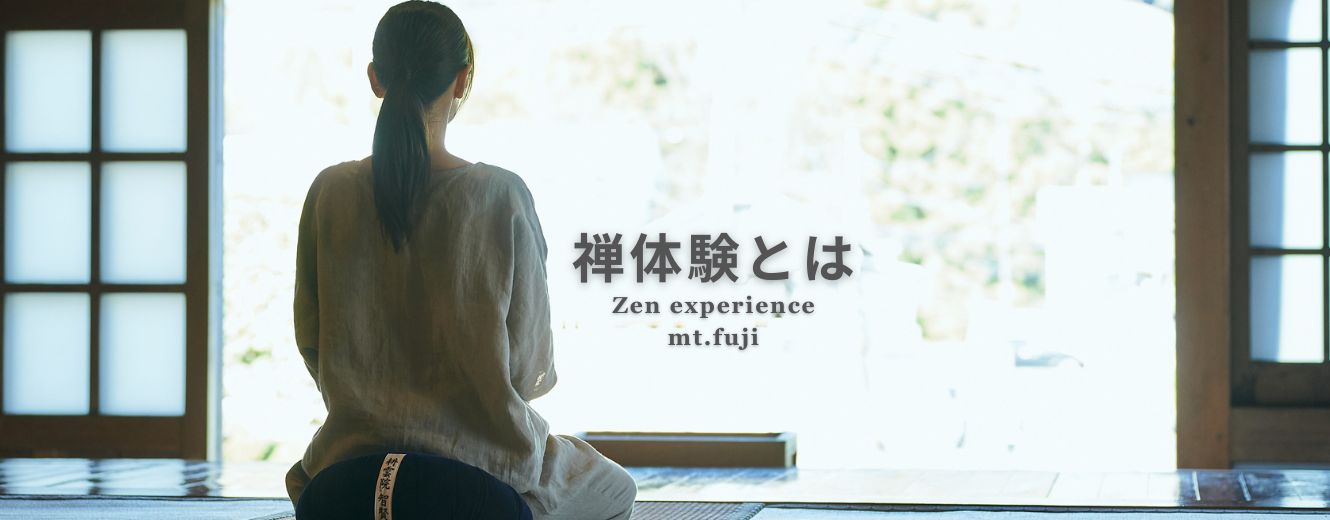
Through zazen (seated meditation), we learn to simply sit, watch, and notice — allowing the turbulence of thoughts to settle naturally, just like muddy water becomes clear when left undisturbed. Even a simple mindfulness practice you can try at home, such as one-minute breathing, can help quiet the noise of the mind.
Scientific Evidence — Mindfulness reshapes the brain’s stress circuits
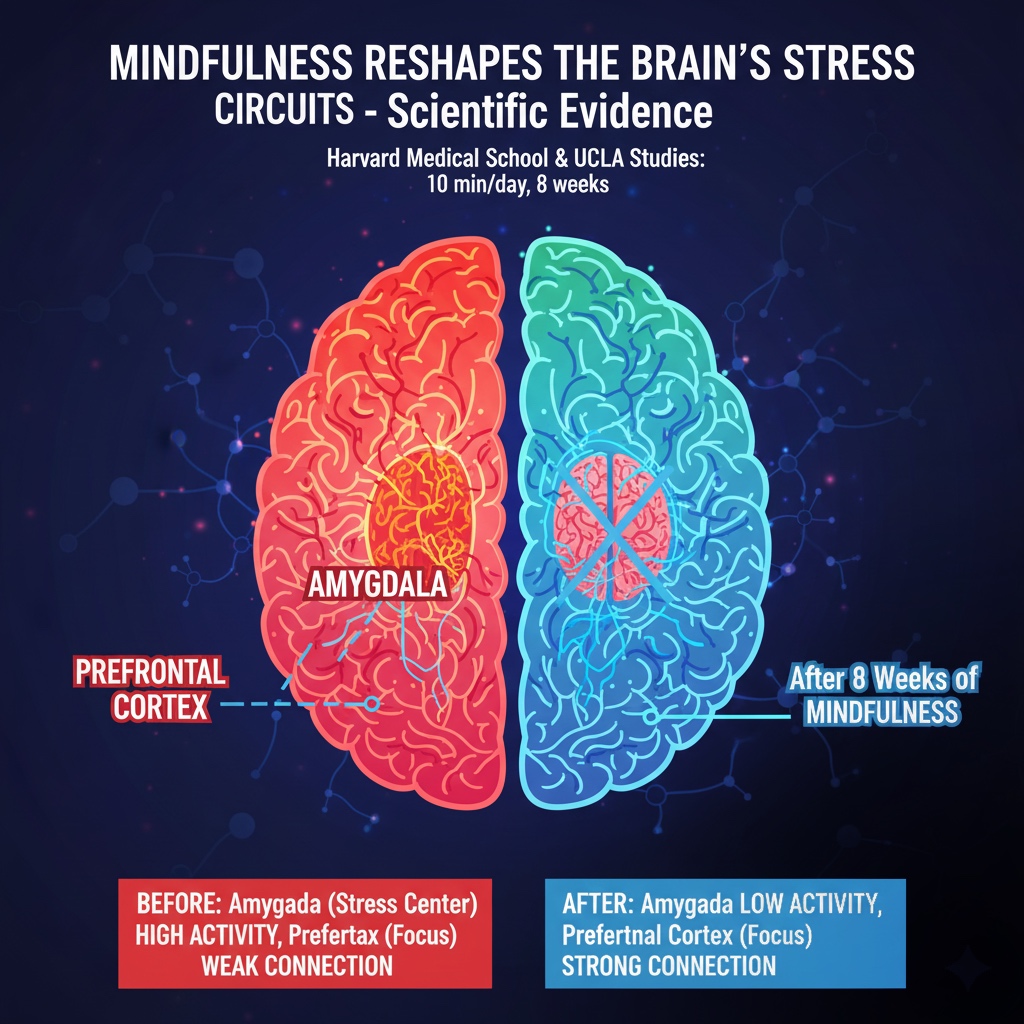
Studies from Harvard Medical School and UCLA have shown that as little as 10 minutes of mindfulness meditation per day, practiced over 8 weeks, can reduce activity in the amygdala (the brain’s stress center) while strengthening the prefrontal cortex (responsible for focus and emotional regulation).
How to Practice Mindfulness for Stress

-
-
- Return to the breath (1-minute breathing): Sit quietly, focus only on your inhale and exhale for one minute. When thoughts arise, simply label them “thinking” and return to the breath.
- Mindful walking: On your commute or walk home, put away your phone. Feel your feet touch the ground, notice the wind on your face, the sounds around you. Everyday movement becomes meditation.
-
Sleepless Nights — Resting with Awareness
“Even when I go to bed, I can’t fall asleep.”
“My sleep is shallow, and I wake up tired.”
Sleep problems affect both mind and body. Nearly 1 in 3 adults worldwide experiences insomnia symptoms, and chronic poor sleep is linked to weakened immunity, mood disorders, and decreased focus.
Zen Perspective — “Don’t blame yourself for not sleeping. Simply notice that you are awake.”

In mindfulness practice, sleeplessness is not a failure. The more we fight against wakefulness, the more tension builds.
Instead, we are taught to accept the reality of the present moment — even if that moment is lying awake.
By simply noticing, without resistance, the body often softens and naturally drifts toward rest.
Developing a daily mindfulness practice before bedtime — such as body scan meditation or counting breaths — can turn sleepless nights into an opportunity for gentle awareness.
Scientific Evidence — Mindfulness improves sleep quality

The Mayo Clinic and multiple randomized clinical trials have found that mindfulness meditation can improve sleep quality and reduce insomnia.
A 2015 study published in JAMA Internal Medicine showed that mindfulness training was as effective as sleep education therapy in improving insomnia symptoms among older adults.
How to Practice Mindfulness for Sleep
- Body scan meditation: While lying down, bring awareness gradually from your toes to the crown of your head. Notice sensations — warmth, heaviness, tingling — without trying to change anything.
- Counting breaths (Susokukan): Silently count each exhale: one, two… up to ten, then return to one. If your mind wanders, gently notice and start again.
Anxiety and Restlessness — Learning to Sit With Your Feelings
“I feel anxious about the future.”
“My heart feels unsettled for no reason.”
Anxiety is one of the most common struggles today.
It is natural — a survival instinct — but becomes overwhelming when we merge completely with it.
Zen Perspective — “You cannot erase anxiety, but you can observe it from a distance.”
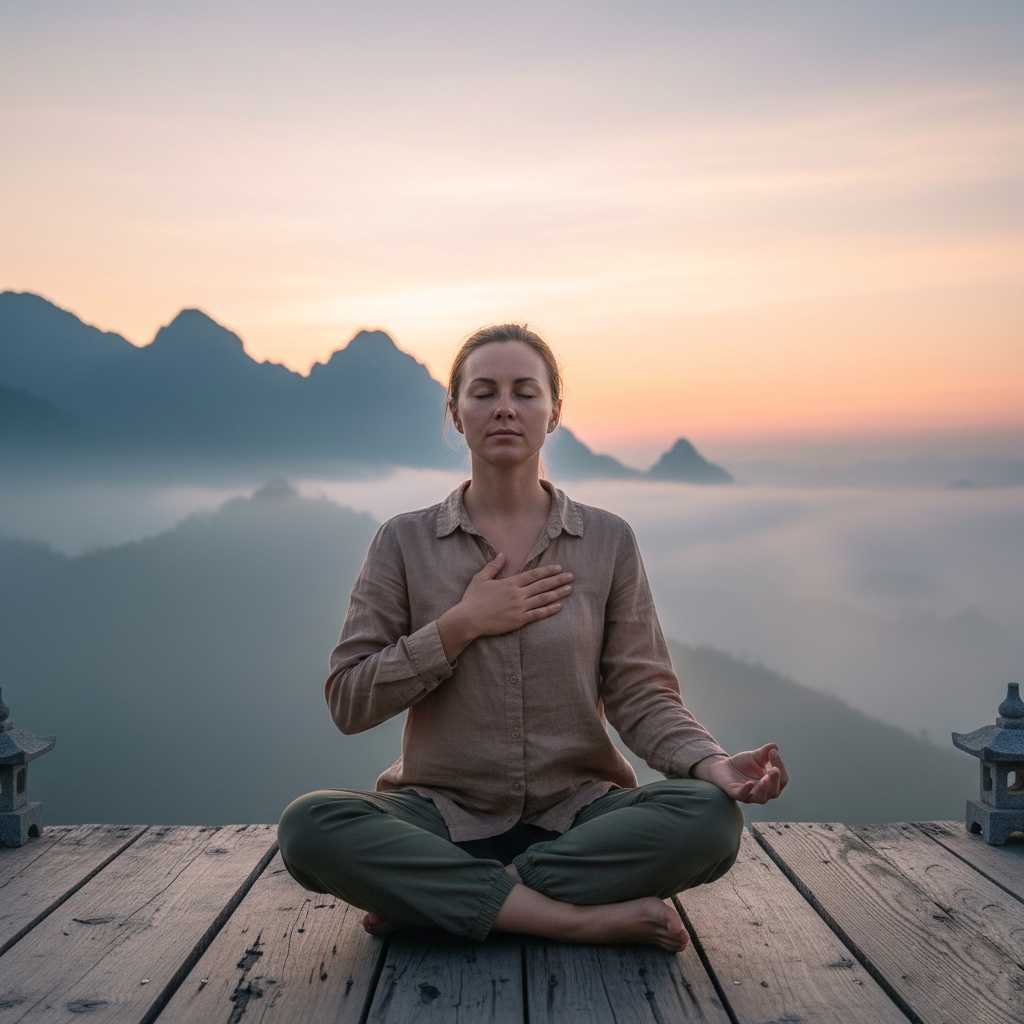
In mindfulness practice, emotions like fear or anxiety are acknowledged as part of being human.
Instead of resisting them, we learn to sit with them, gently observing until they lose their grip.
Zen has a phrase: “Hōgejaku (放下着)” — Let it go. This doesn’t mean suppressing your feelings, but releasing the tight hold of attachment.
When we stop clinging to anxiety, it begins to soften on its own.
Scientific Evidence — Mindfulness reduces anxiety disorders
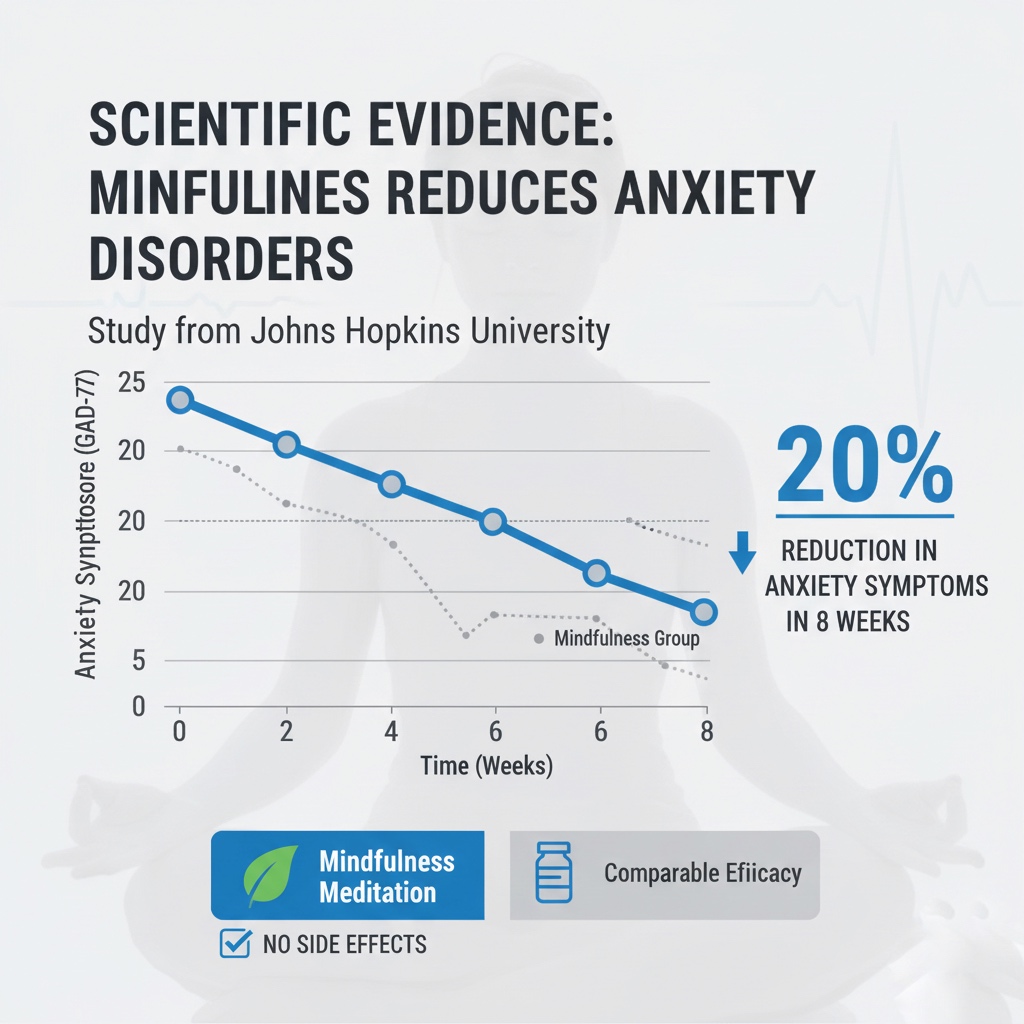
Studies from Johns Hopkins University show that mindfulness meditation can reduce symptoms of anxiety by up to 20% in just eight weeks, comparable to the effects of certain medications but without side effects.
How to Practice Mindfulness for Anxiety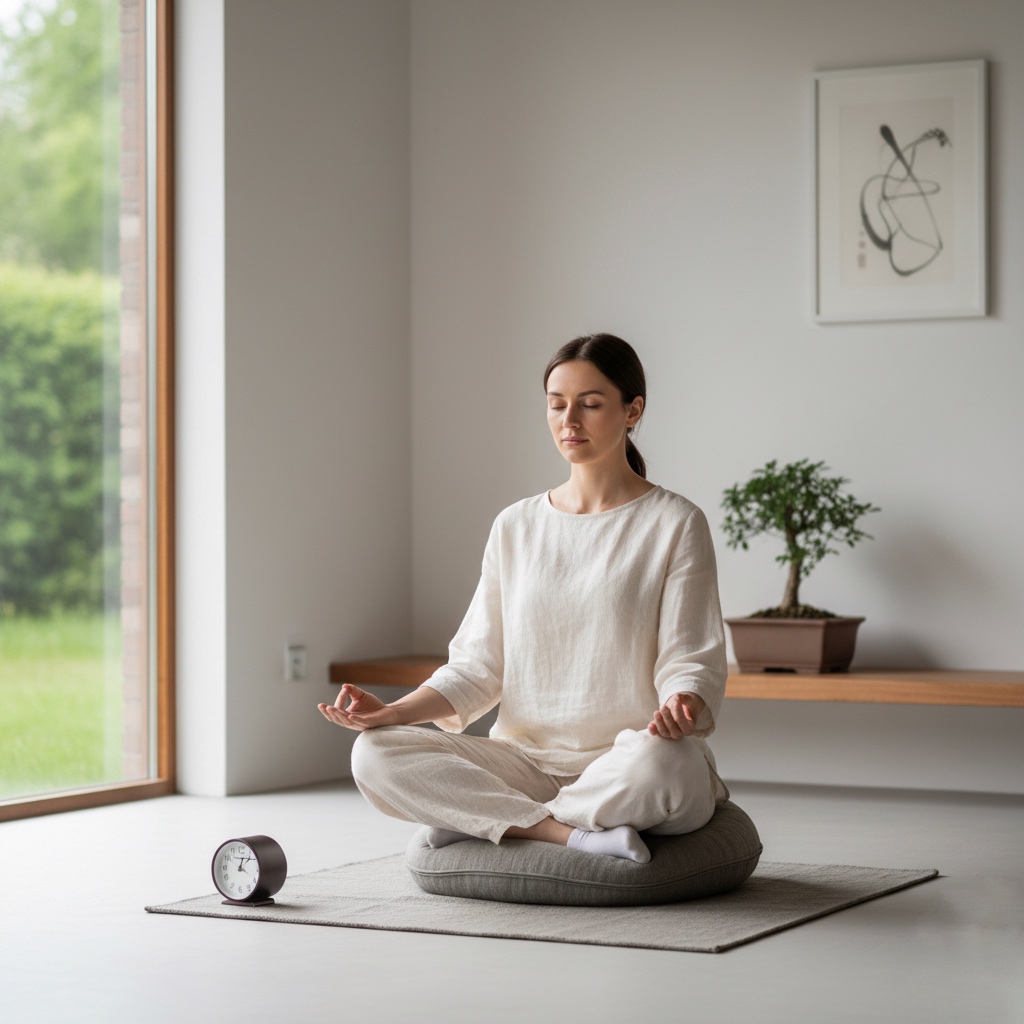
-
- Labeling emotions: When anxiety arises, silently say to yourself: “This is anxiety.” By naming it, you create distance between yourself and the emotion.
-
- Short zazen session (10 minutes): Sit upright, breathe naturally, and allow thoughts to come and go. Instead of pushing them away, observe and release.
Authentic Mindfulness in Japan — A Retreat Near Mt. Fuji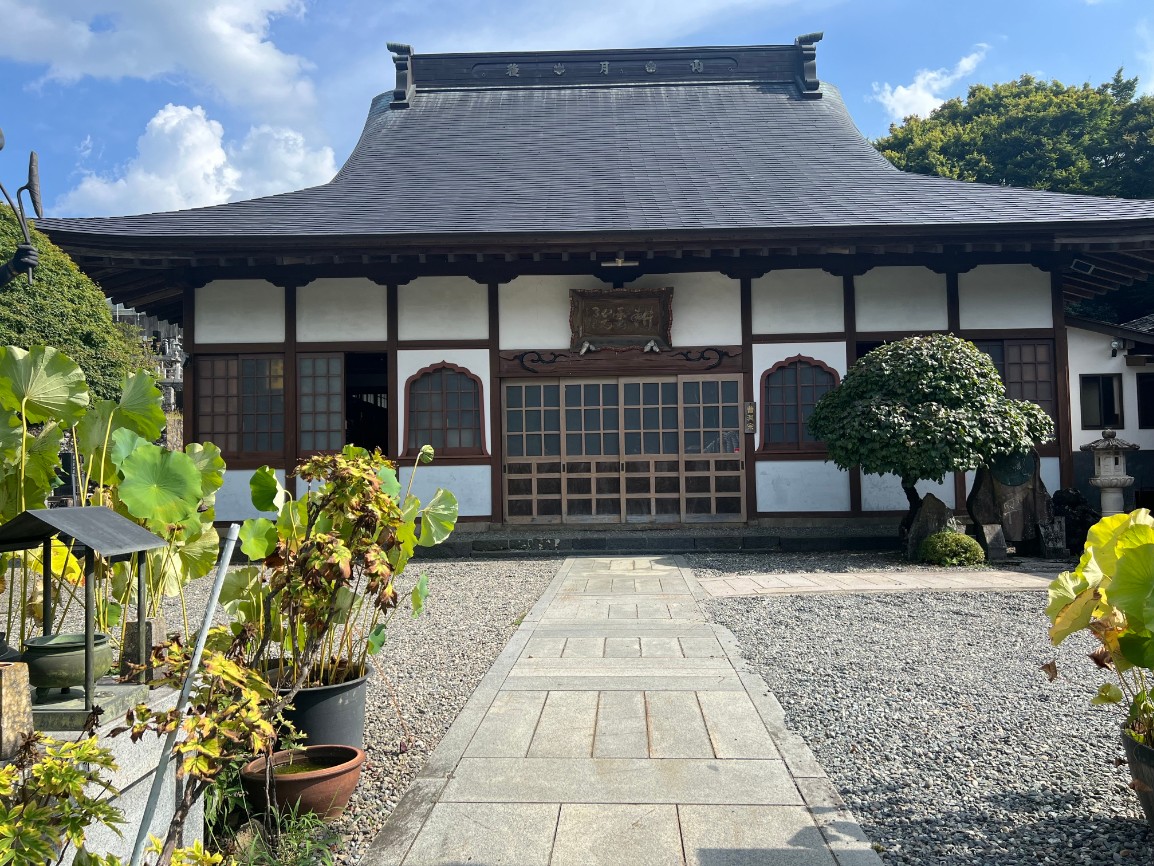
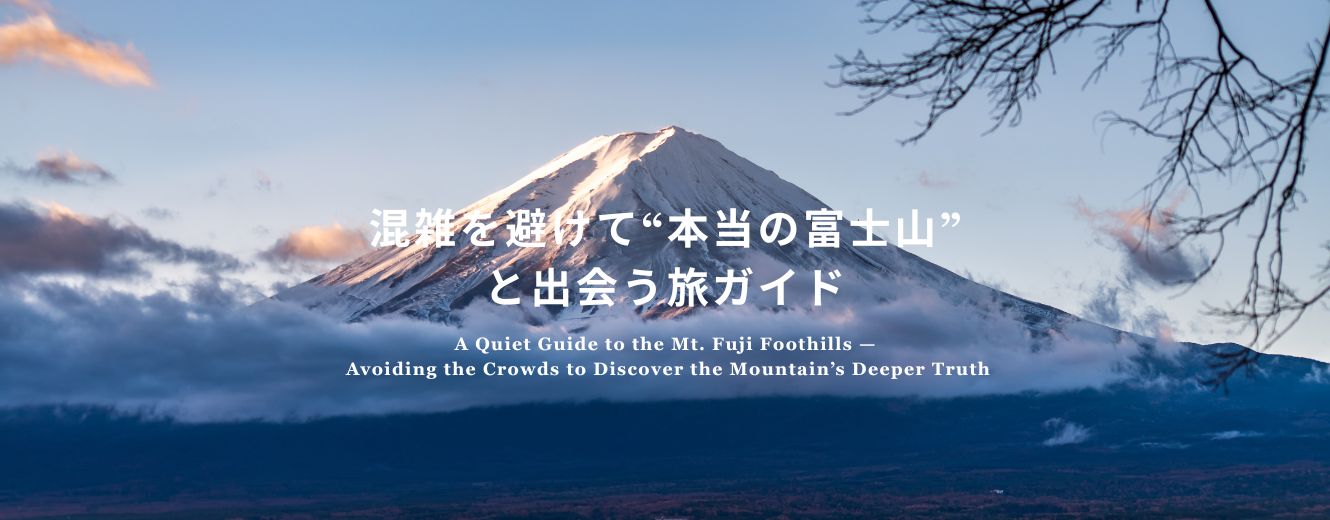
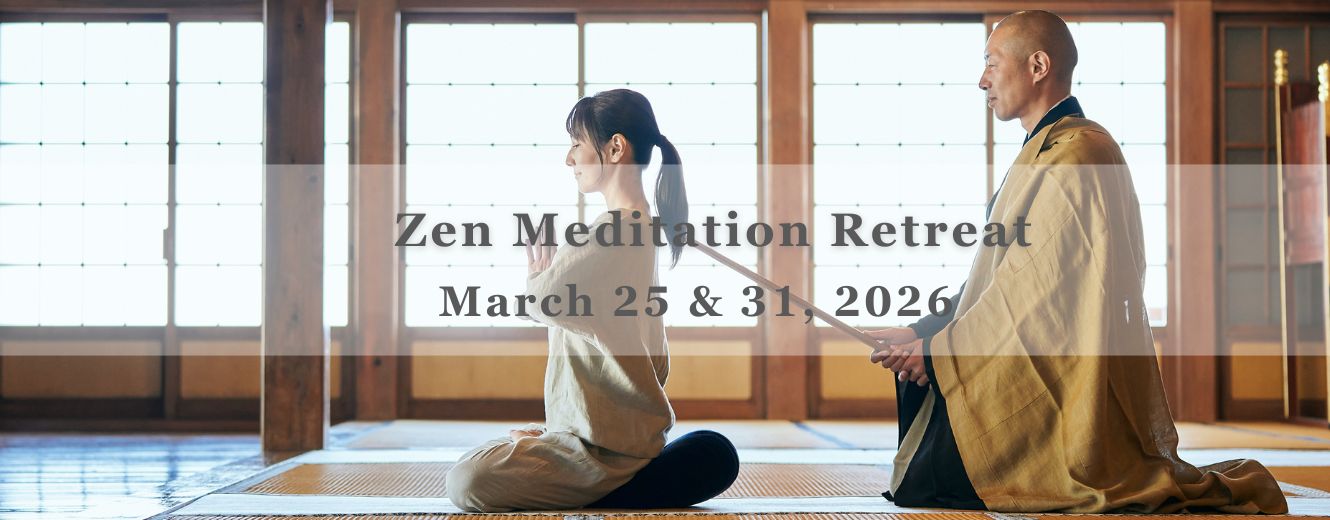
Mindfulness has Buddhist roots, and if you seek something beyond surface-level apps or quick fixes, a retreat in Japan offers a profound experience.
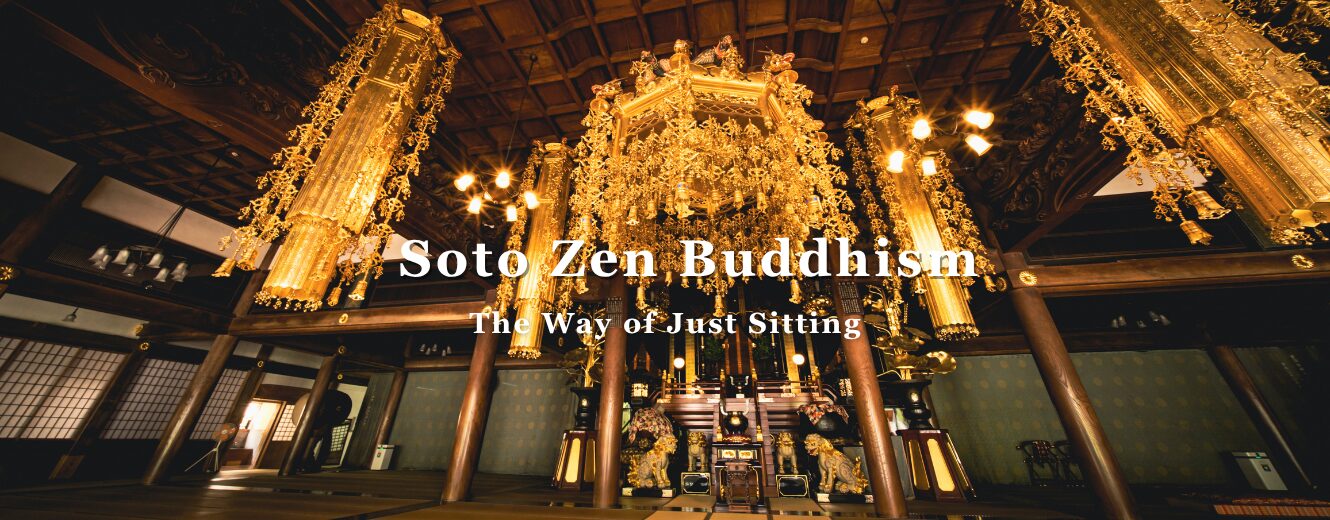
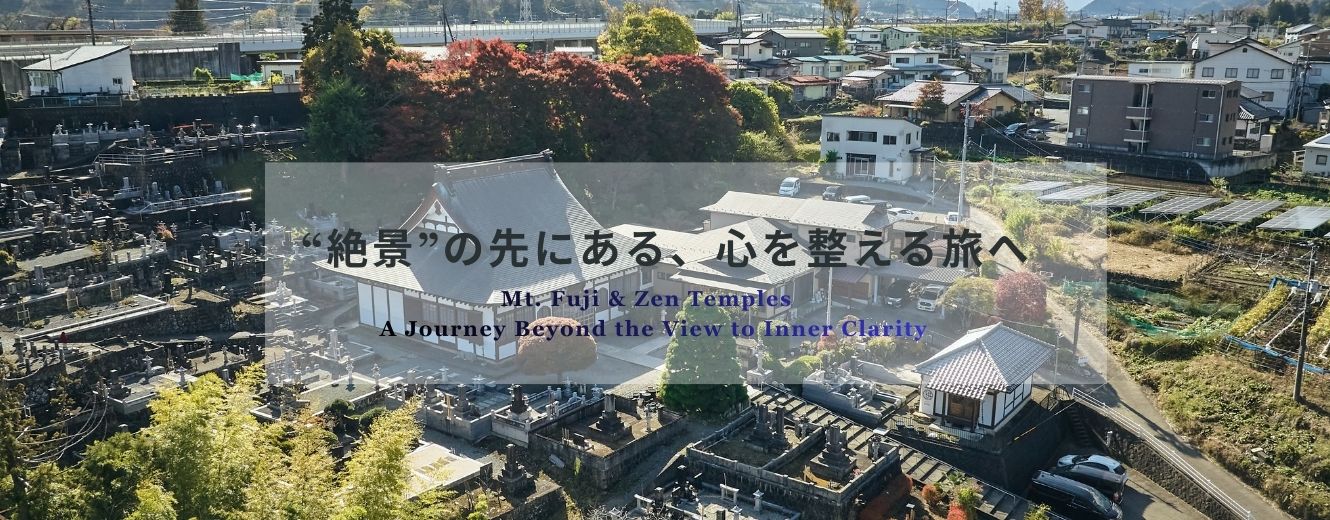
At Koun-in Temple, a Soto Zen monastery founded in 1398 in Tsuru City, pilgrims once paused to purify body and mind before climbing Mt. Fuji. Today, the temple continues this tradition with 3–4 hour retreats designed for modern travelers.
👉 Visit the official page: Koun-in Temple Zen Retreat
Program Includes:
- Incense & mindful actions — beginning with fragrance to shift from daily life into calm presence
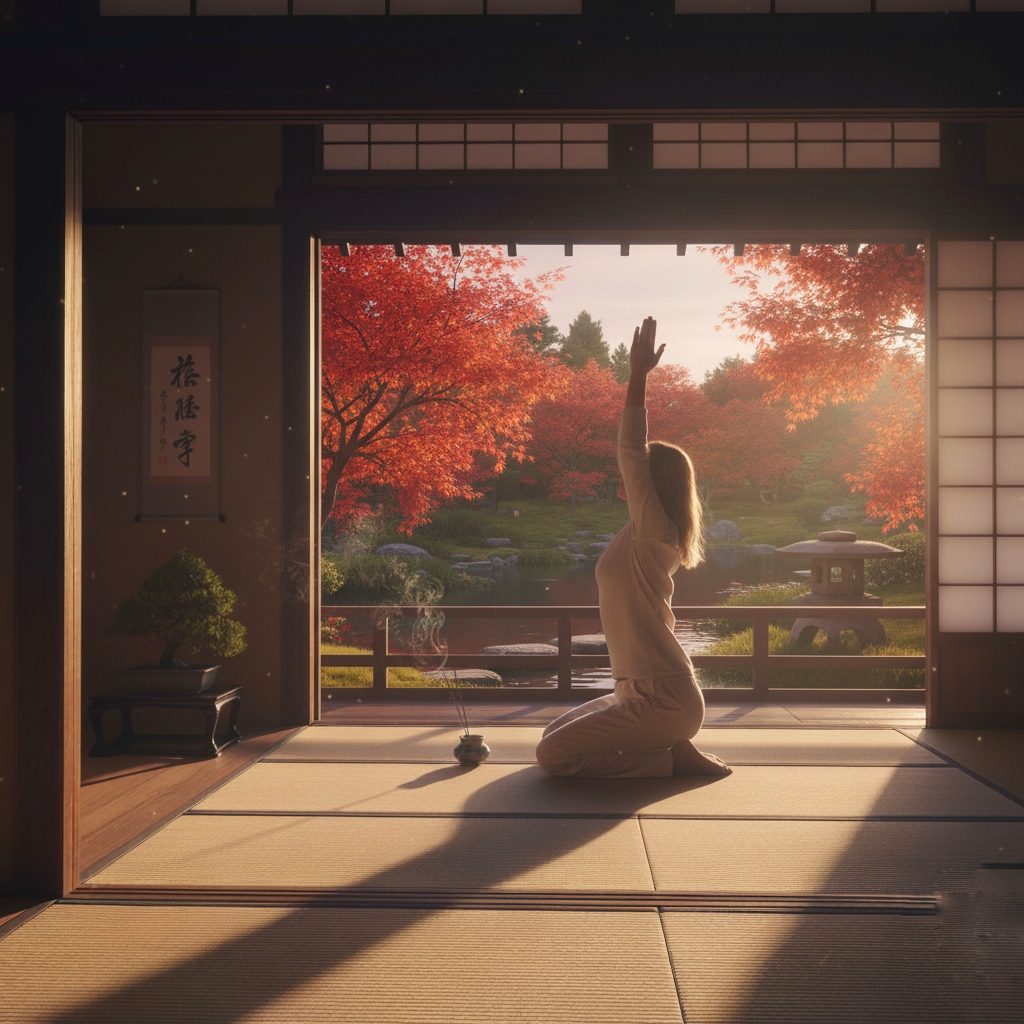
- Yoga — gentle movements like Sun Salutations to prepare body and mind
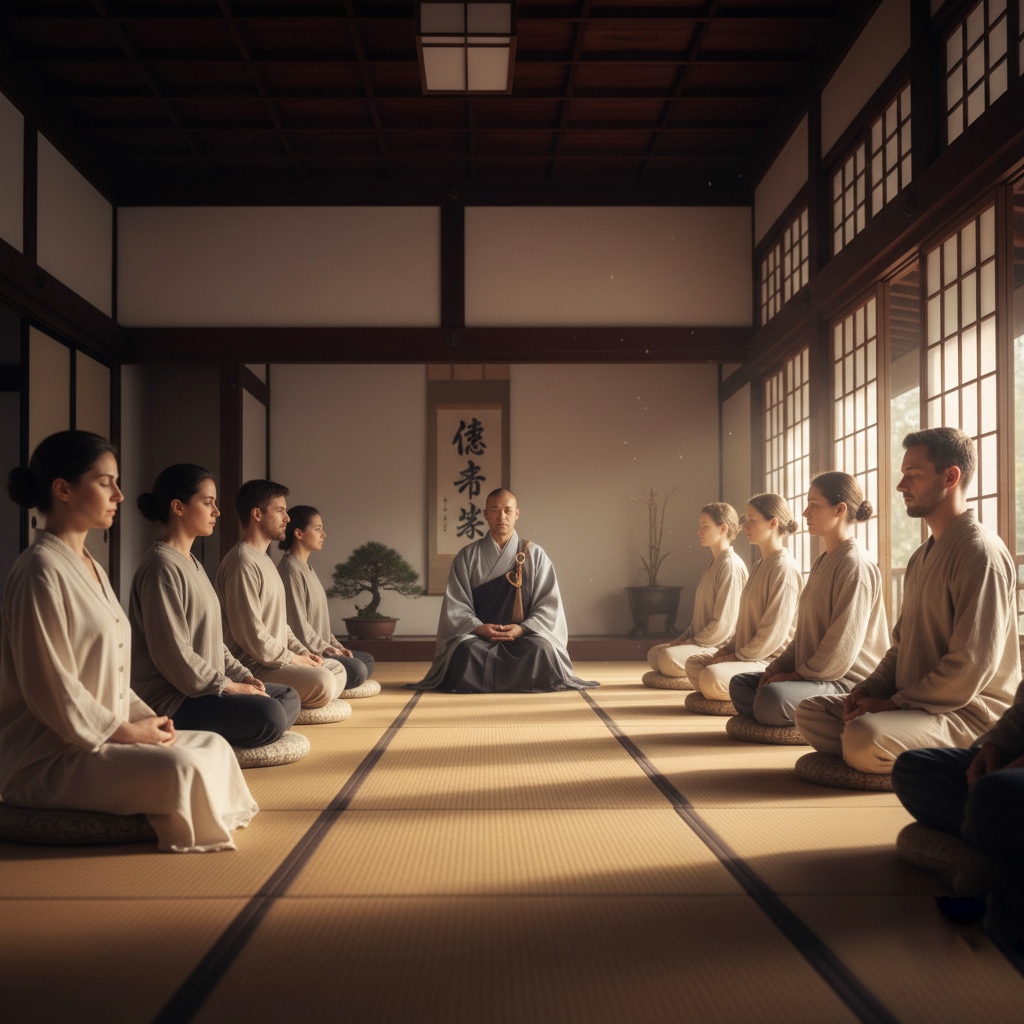
- Zazen meditation — short, guided sessions in English for beginners
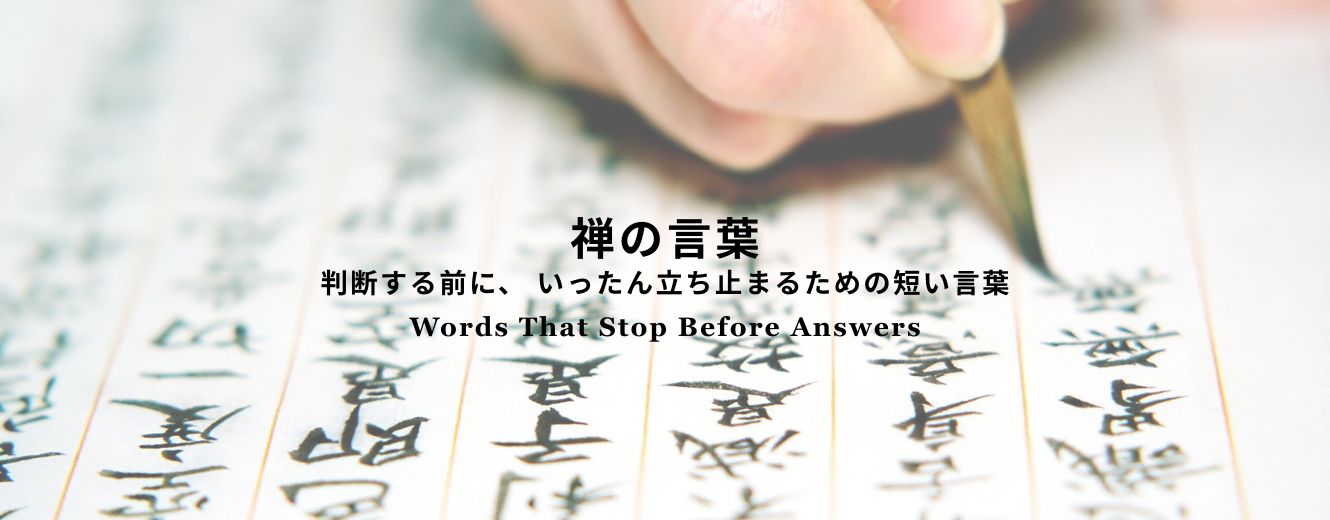
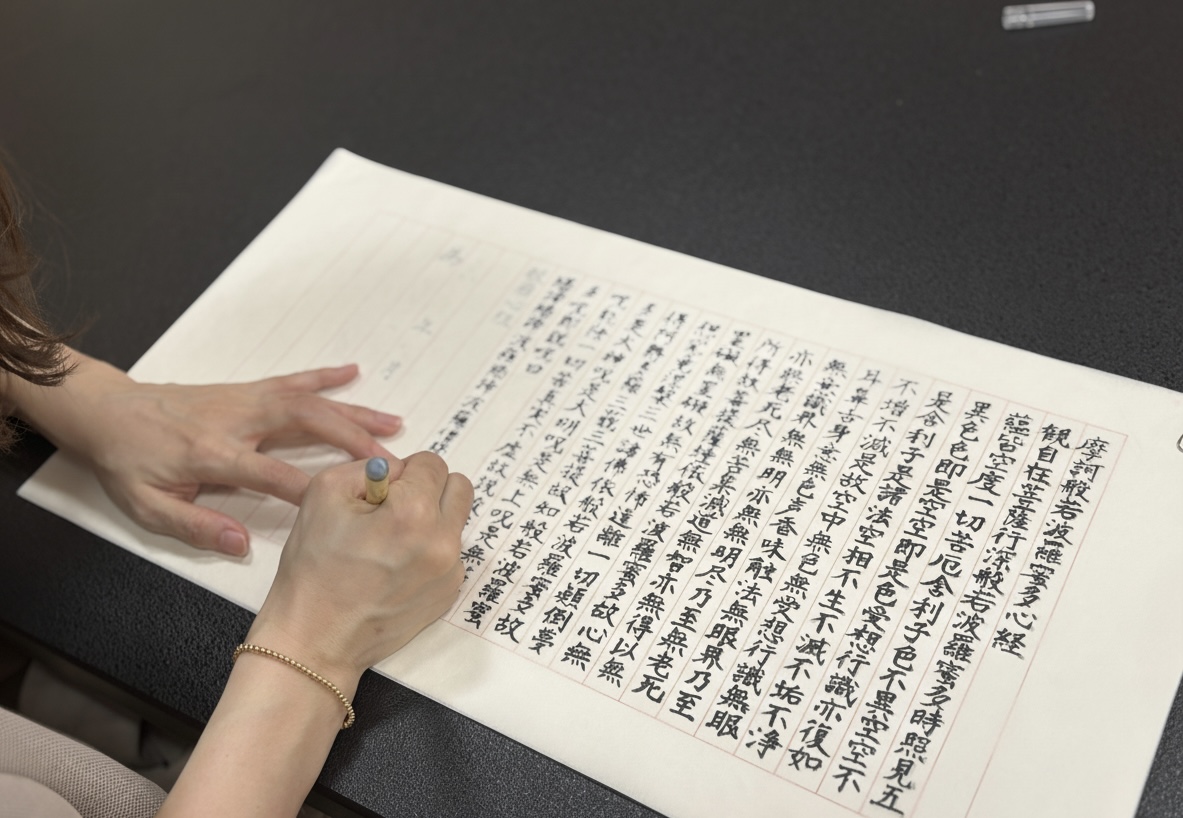
- Sutra copying (Shakyo) — tracing the Heart Sutra to sharpen focus and cultivate compassion
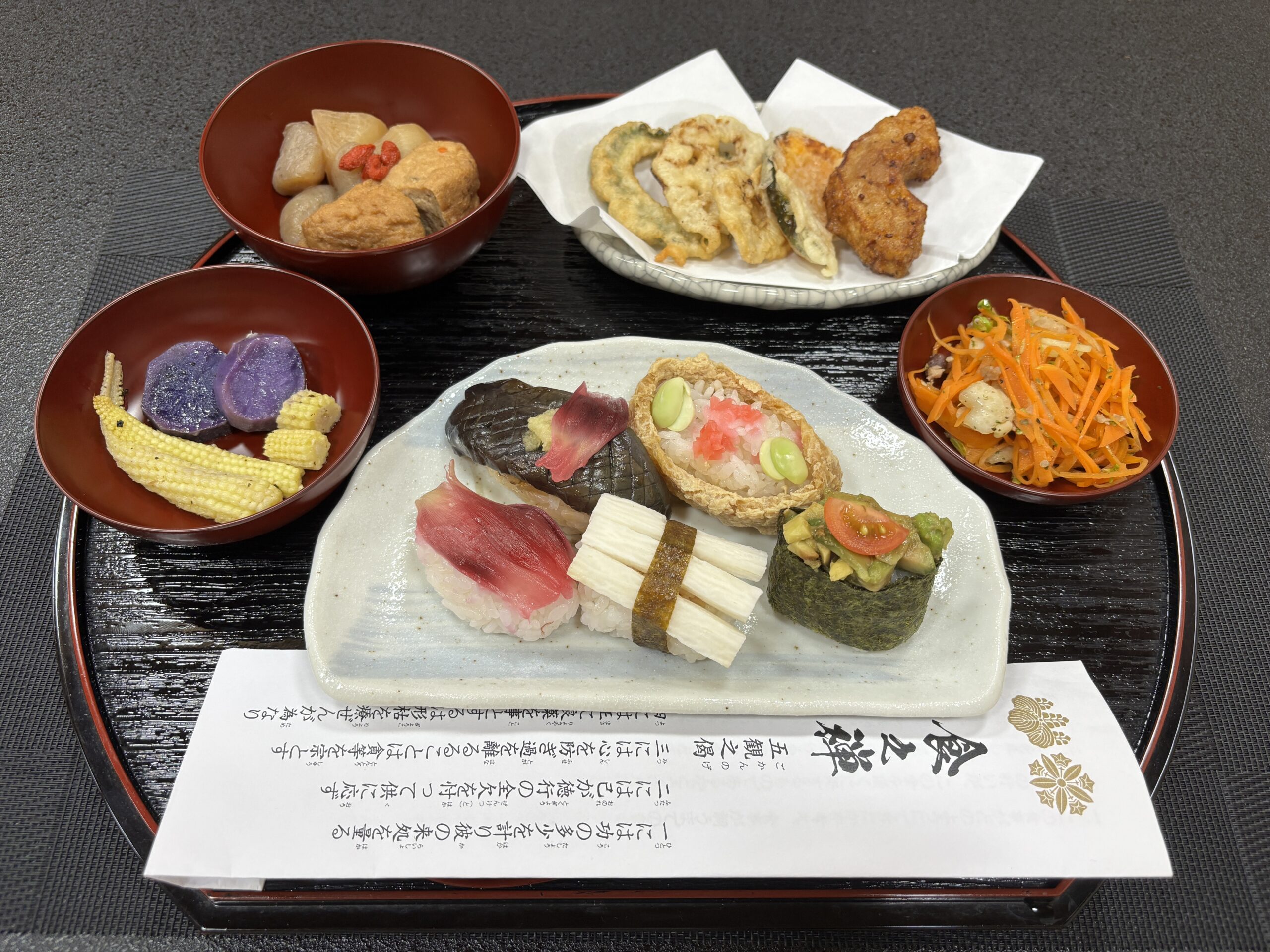
- Shojin ryori (Zen cuisine) — seasonal plant-based meals, vegan and Halal friendly
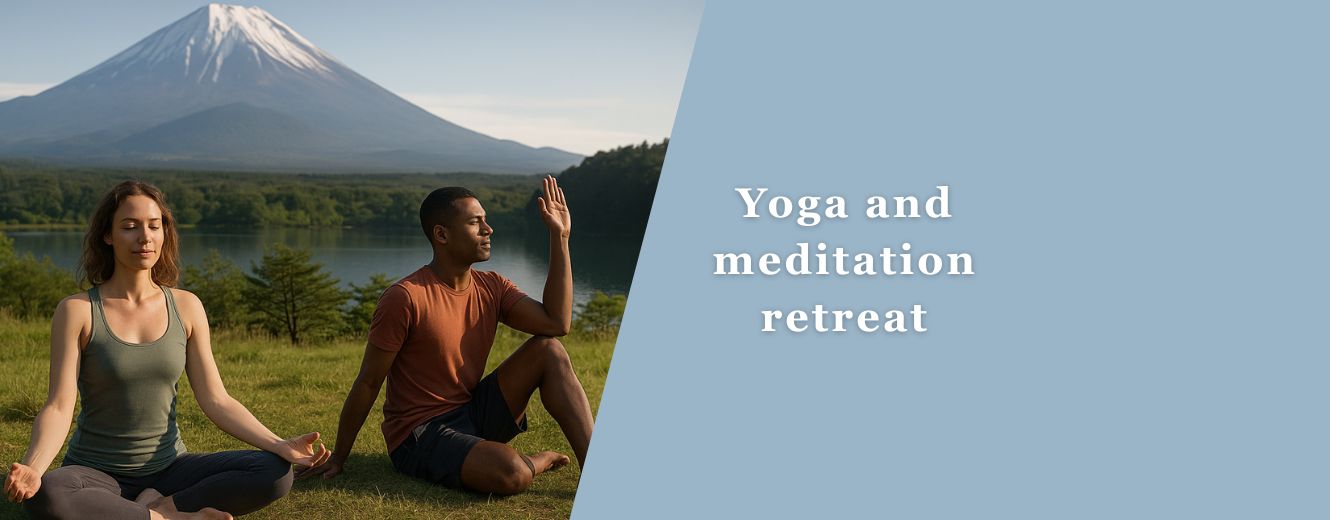
👉 Anchor text: For combined experiences of yoga and meditation, see ourYoga and Meditation Retreats article
A Personal Note — Let Me Be Your Guide
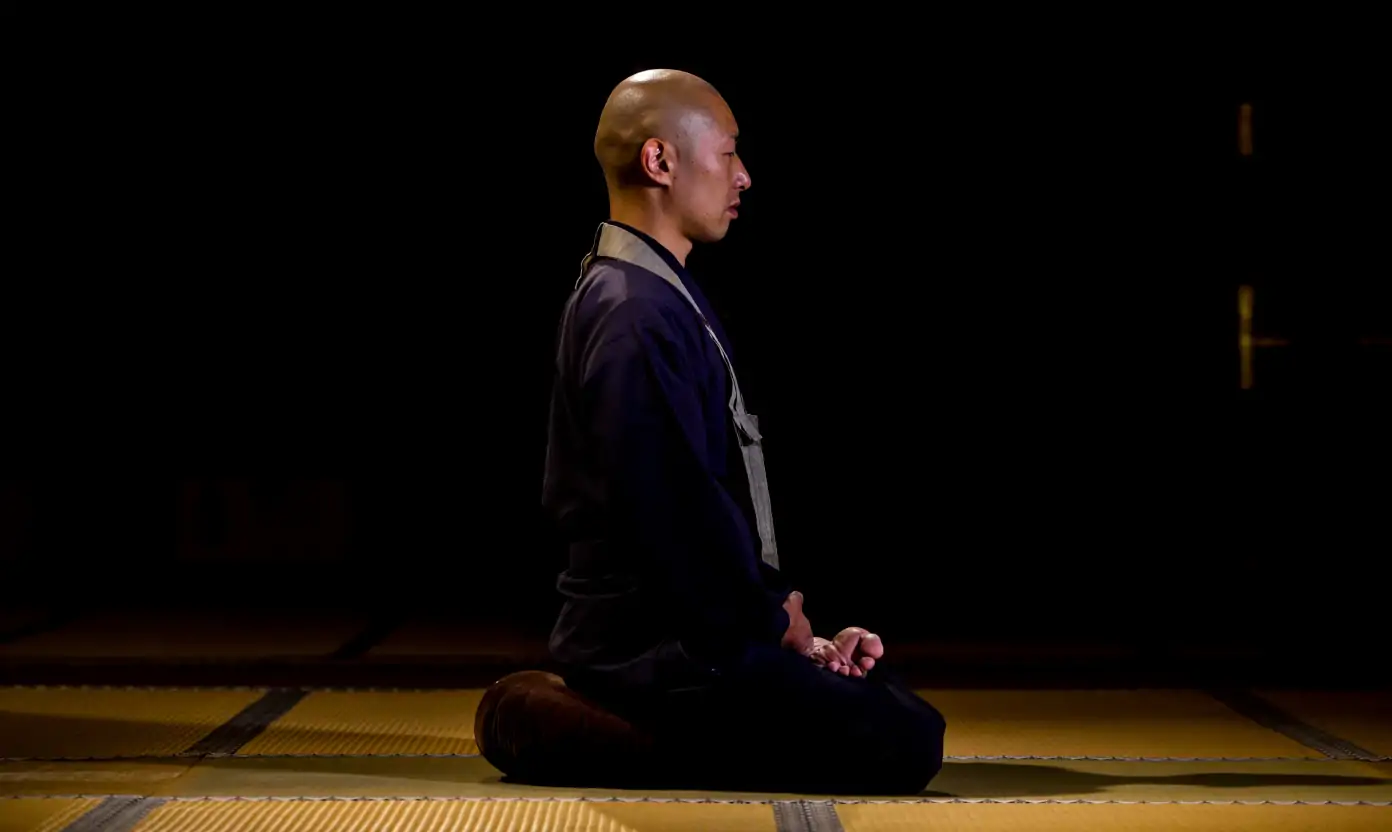
Hello, my name is Rev. Chiken Kawaguchi, Vice Abbot of Koun-in Temple.
Though I was born into a temple family, in my youth I wanted to leave temple life behind. At university, I immersed myself in surfing and fashion. Yet a longing to connect more deeply with myself eventually led me to undergo four years of rigorous training at Eiheiji, the head temple of Soto Zen.
Through practices like zazen and preparing shojin ryori (temple cuisine), I learned the importance of living fully in the present moment.
At first, I disliked meditation. But over time, I was freed from the duality of like and dislike, and discovered quiet stillness simply by sitting.
Modern life burdens us with roles, information, and constant stress. I was no exception.
This is why I believe the wisdom of Zen can lighten the heart of anyone today.
Now I share Zen through online meditation sessions, yoga-and-Zen retreats, and community work such as a children’s cafeteria.
I also co-produced and starred in the film Tenzo, which was screened at the Cannes Film Festival, sharing a glimpse of Zen with the world.
Through this retreat, I hope you may also restore balance of body and mind, and rediscover quiet happiness in everyday life.
FAQ — About Koun-in Temple Mindfulness Retreat in Japan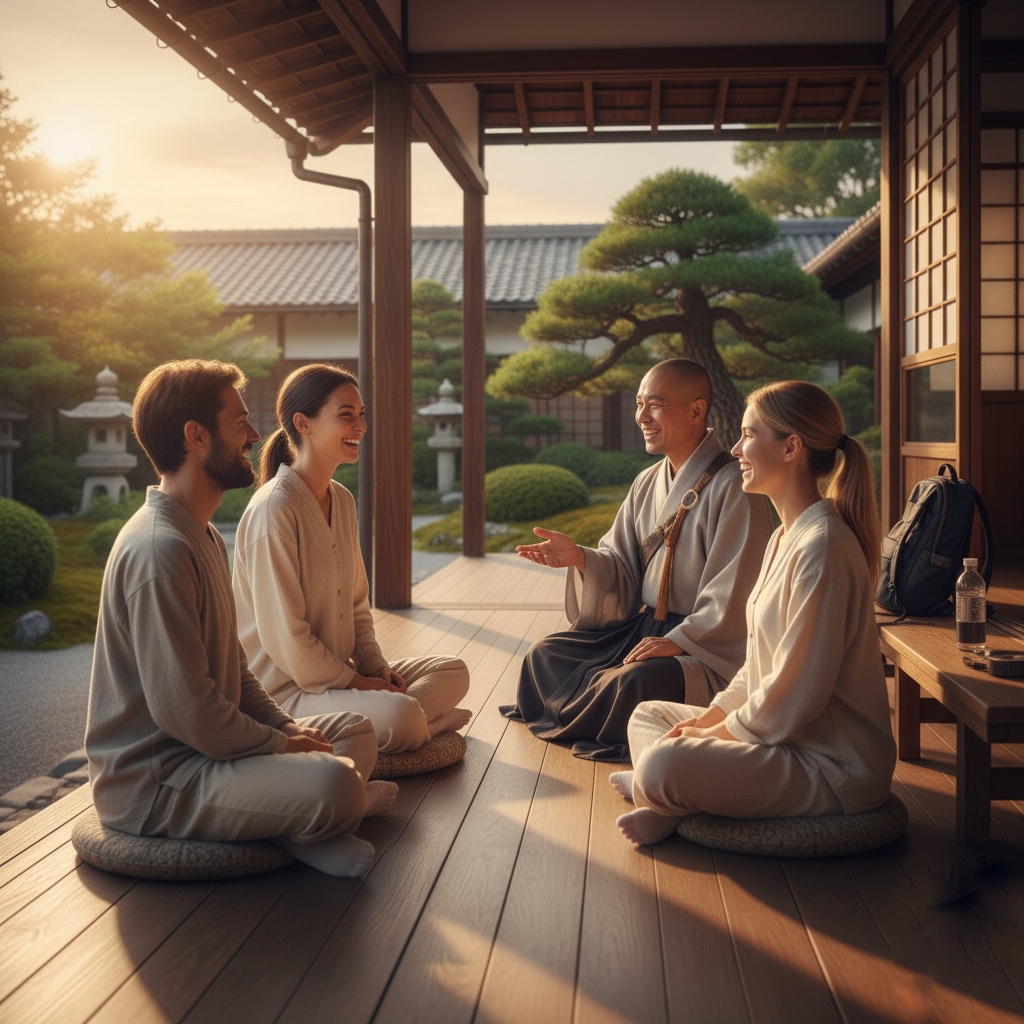
Can I join alone?
Yes. Many participants come solo, seeking quiet time for themselves. Beginners are warmly supported.
How long is the program?
About 3–4 hours, easy to fit into a travel schedule.
Is English guidance available?
Yes. Simple English guidance is provided.
Is shojin ryori included?
It depends on the plan. Choosing the meal option allows you to experience mindful eating.
Do I need to bring anything?
No. Comfortable clothing is enough — all materials are provided.
How do I book?
Please make an advance reservation through our contact form. Early booking is recommended, especially during weekends and holiday seasons.
Voices From Participants
“The meditation retreat near Mt. Fuji was the highlight of my trip.”
“More than sightseeing — it felt like touching the living spirit of Japanese culture.”
“The combination of yoga and zazen was unforgettable.”
“We joined as a couple. Sutra copying and temple food made it uniquely Japanese.”
“As a senior traveler, I felt supported. Yoga prepared my body, meditation restored my energy.”
“As a yoga practitioner, the blend of movement and stillness in an authentic Zen setting was powerful.”
Final Thought — How to Practice Mindfulness in Daily Life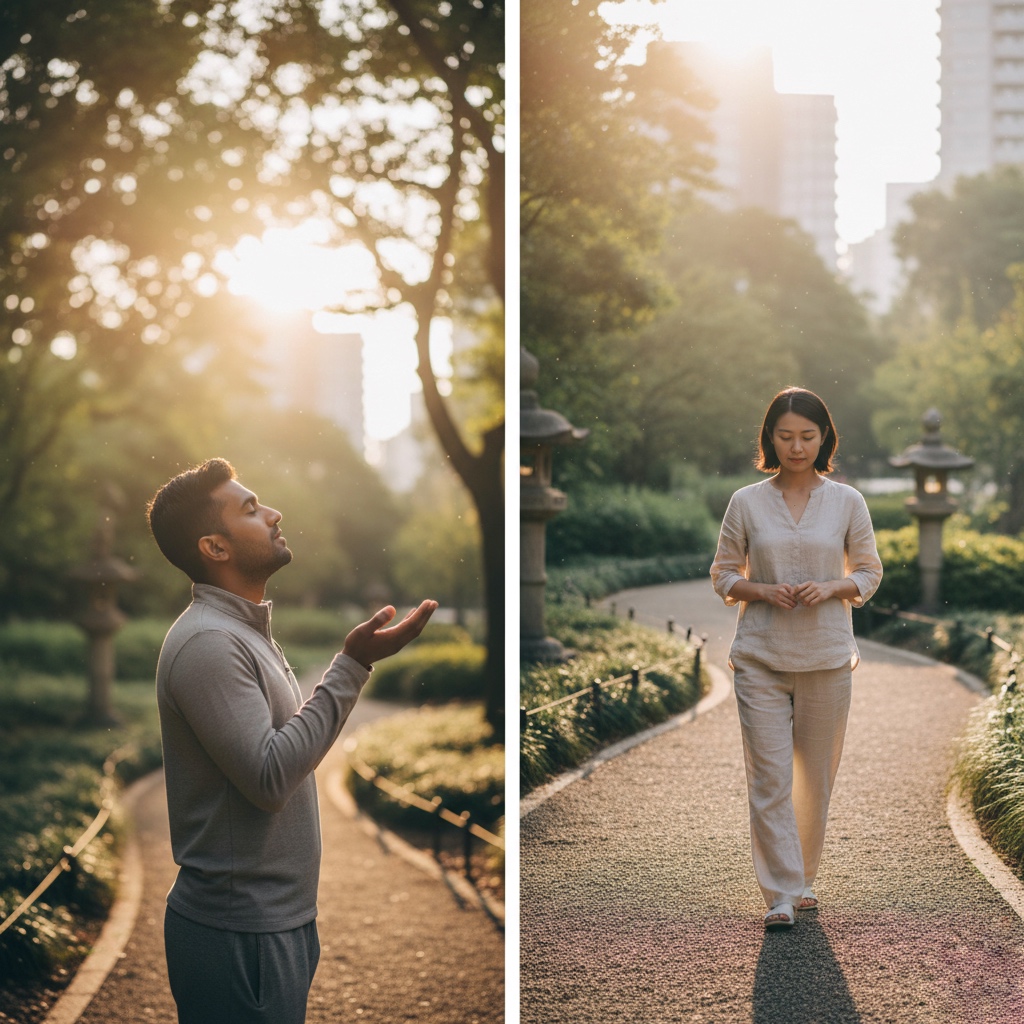
Mindfulness practice is not limited to meditation cushions or retreats.
It begins with a single breath, a single step, a single moment of awareness in daily life.
Zen does not promise a life free from problems. Instead, it teaches us to walk with our struggles — not against them.
If you wish to experience true stillness and clarity, beyond the noise of modern life, Mt. Fuji and Koun-in Temple await you.