Things to Do in Fuji — Hidden Trails, Quiet Lakes, Zen Retreats & More
Introduction — Beyond the Usual Mt. Fuji Sightseeing
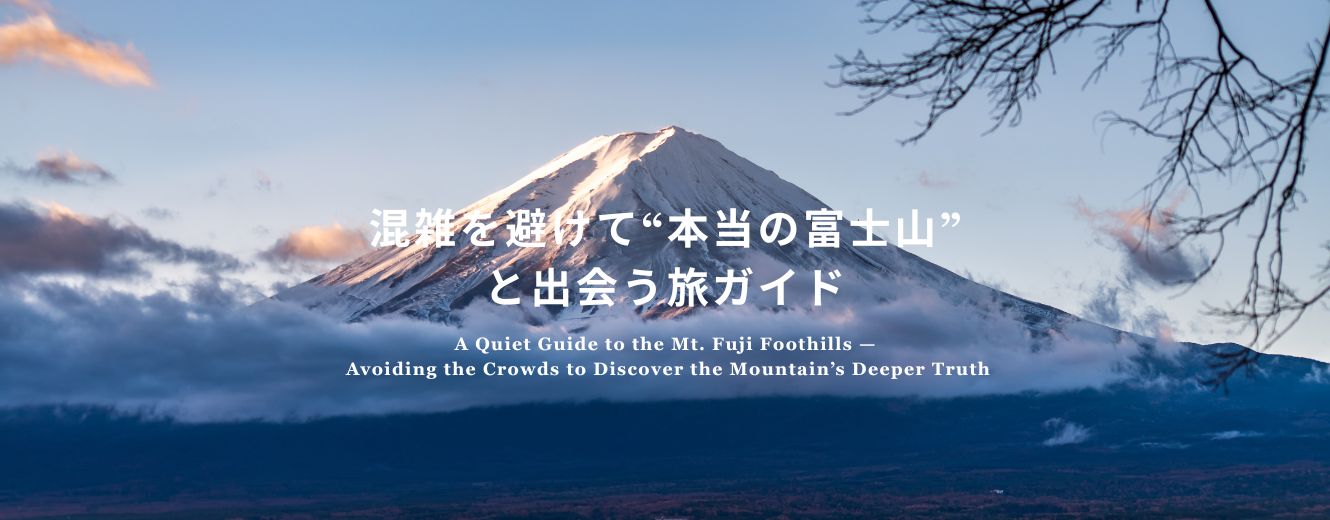
When you hear “Fuji,” what comes to mind? Many travelers imagine climbing to the 5th Station, or visiting classic spots like Lake Kawaguchiko or Oshino Hakkai.
These iconic places certainly capture part of Fuji’s charm. But Mt. Fuji is more than that.
Around the mountain, there are hidden trails, quiet lakes, and cultural sanctuaries that rarely appear in guidebooks.
These are not the crowded places where buses unload groups of tourists, but the kind of spots where you pause, breathe, and feel the living culture of the region.
In this article, I’ll share things to do in Fuji that are especially rewarding for solo travelers and couples — experiences that let you avoid the crowds and discover a more personal, authentic side of Mt. Fuji.
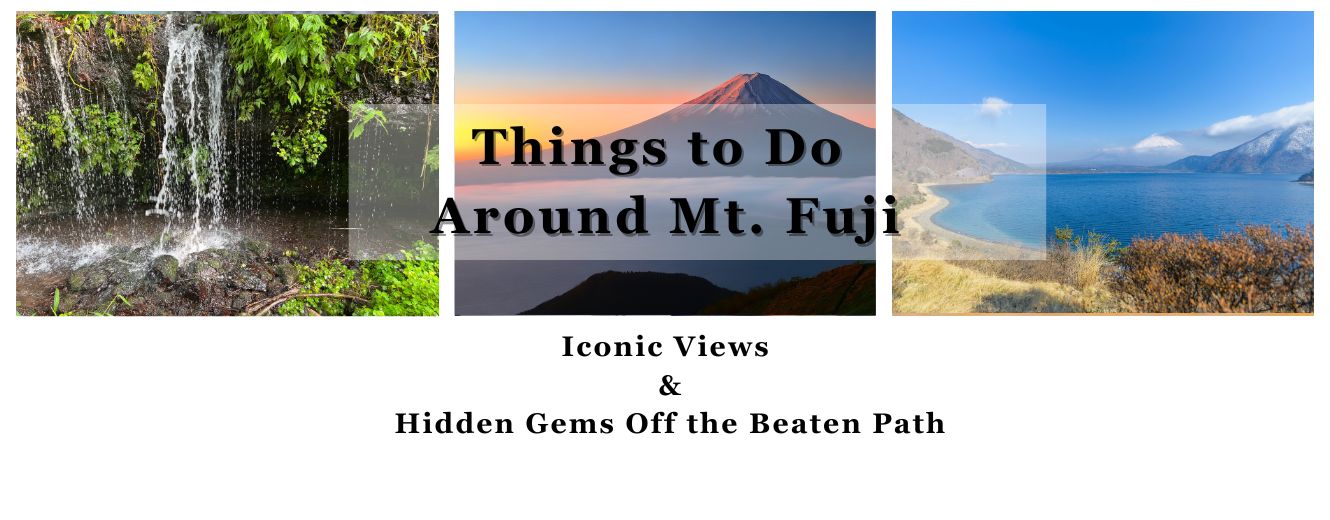
👉 If you’re also interested in the iconic attractions around Mt. Fuji, don’t miss our guide: Things to Do Around Mt. Fuji — Iconic Views & Hidden Gems Off the Beaten Path
Hidden Nature Spots Around Mt. Fuji — Silence & Refreshment
Mt. Mitsutoge — The “Hidden Panorama” of Fuji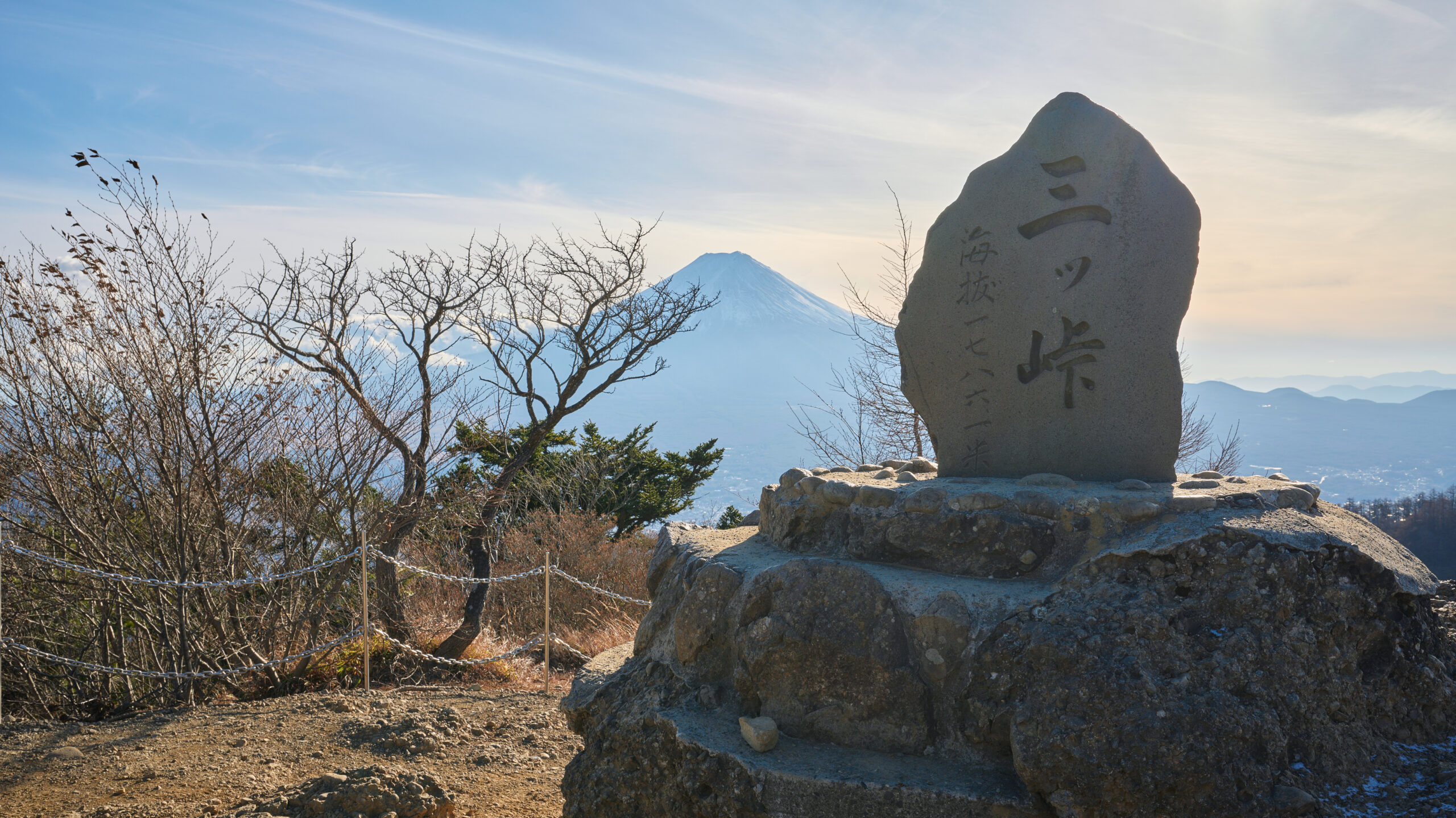
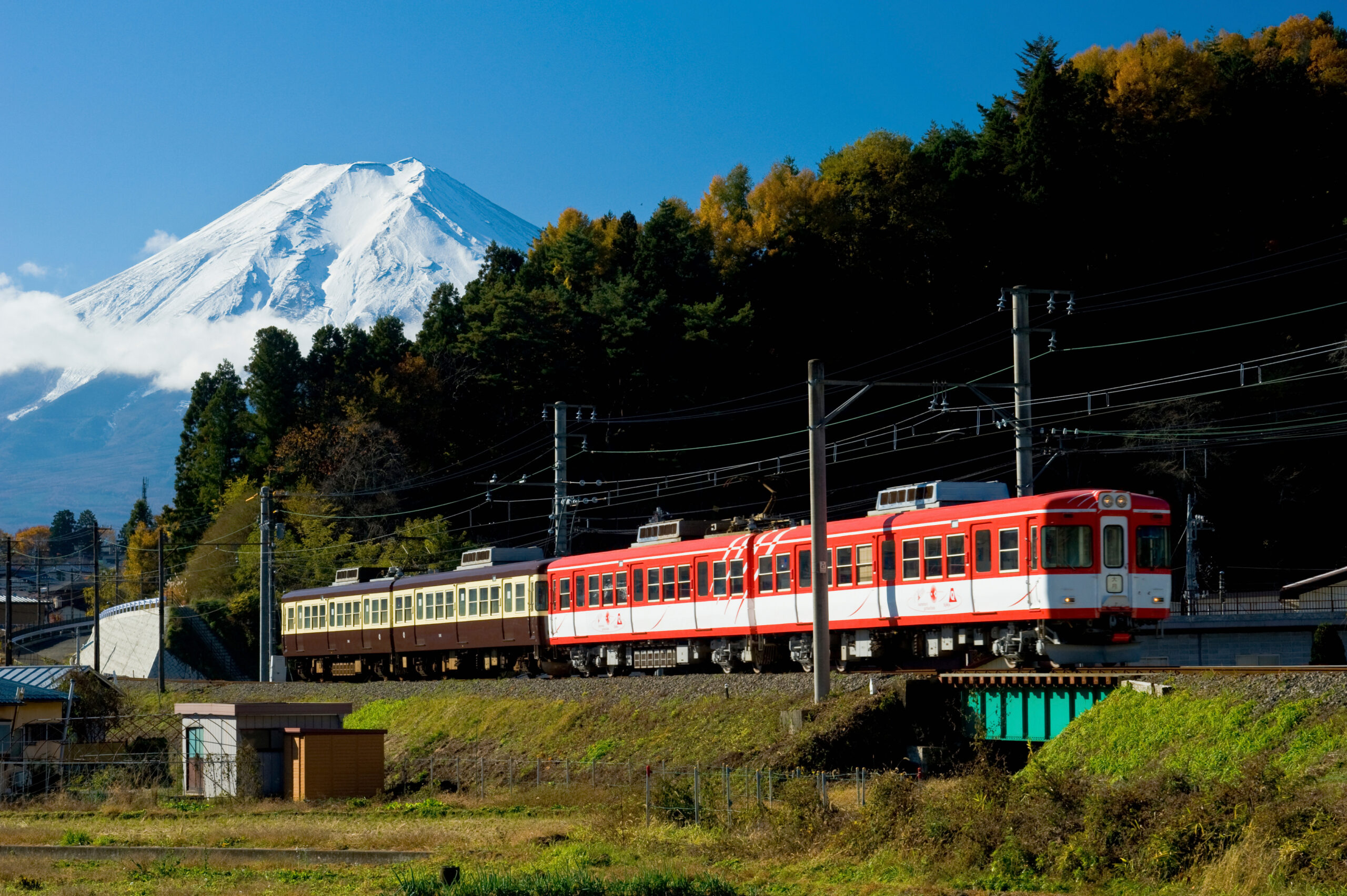
If you’ve ever dreamed of seeing Fuji head-on, with its sweeping ridgeline stretching into the distance, Mt. Mitsutoge delivers. At 1,785m, the summit offers one of the most dramatic panoramic views of the mountain, often called the “hidden panorama of Fuji.”
Hiking enthusiasts already know this spot, but compared to the 5th Station it feels far quieter and more peaceful.
Even beginners can reach it easily thanks to the ropeway, making it a great choice for couples or solo travelers looking for a photo-worthy adventure.
👉Access: Take the Fujikyu Line to Mitsutoge Station, then 10 minutes by bus to the trailhead. A ropeway is available for easier access.
Tsuru Alps — A Local’s Trail Few Visitors Know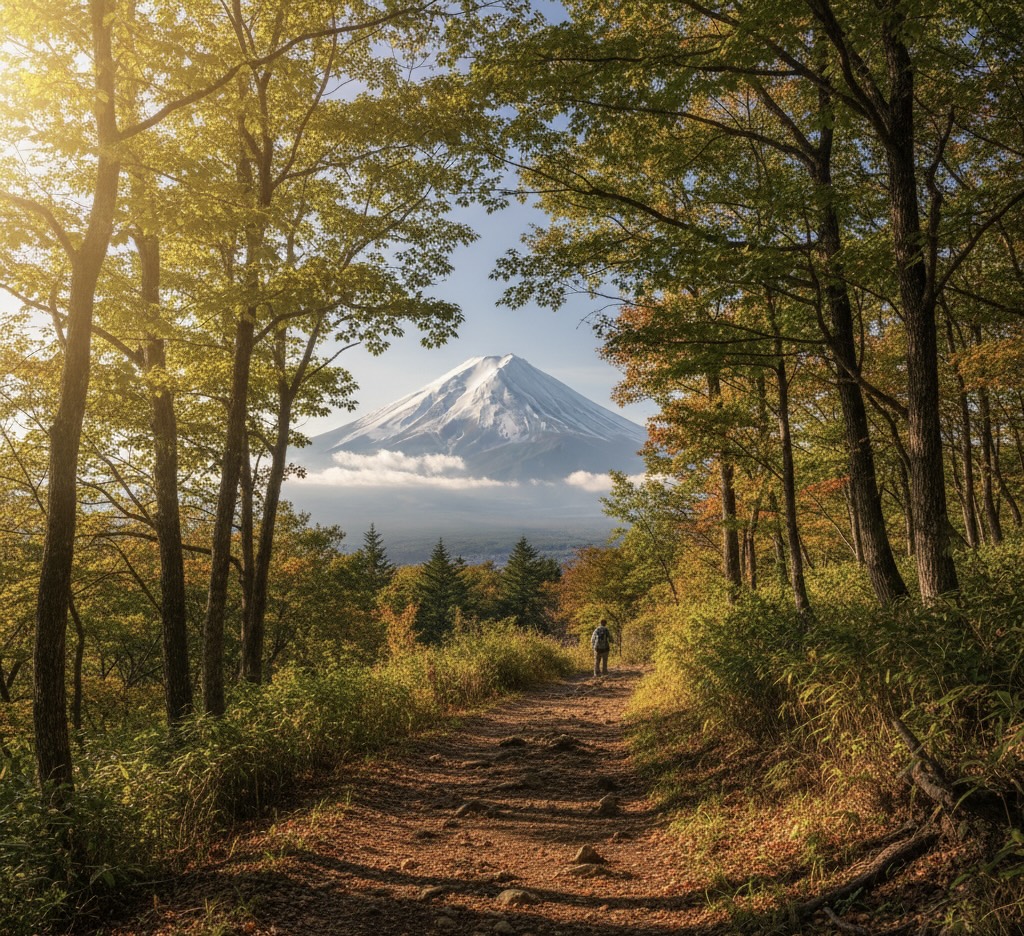
Just steps from Tsuru City Station on the Fujikyu Line lies the so-called “Tsuru Alps.
” Despite its grand name, it’s really a gentle local trail — more of a hometown hill than a serious mountain.
That’s exactly its charm: simple, quiet, and free from crowds.
Walking here, you’ll glimpse city streets and distant Fuji through the trees, while your mind naturally begins to slow down.
For solo travelers especially, it’s a chance to experience “your own private Fuji.”
👉Access: Trailhead within 5 minutes on foot from Tsuru City Station (Fujikyu Line).
Lake Yamanaka — Swans and Fuji in Winter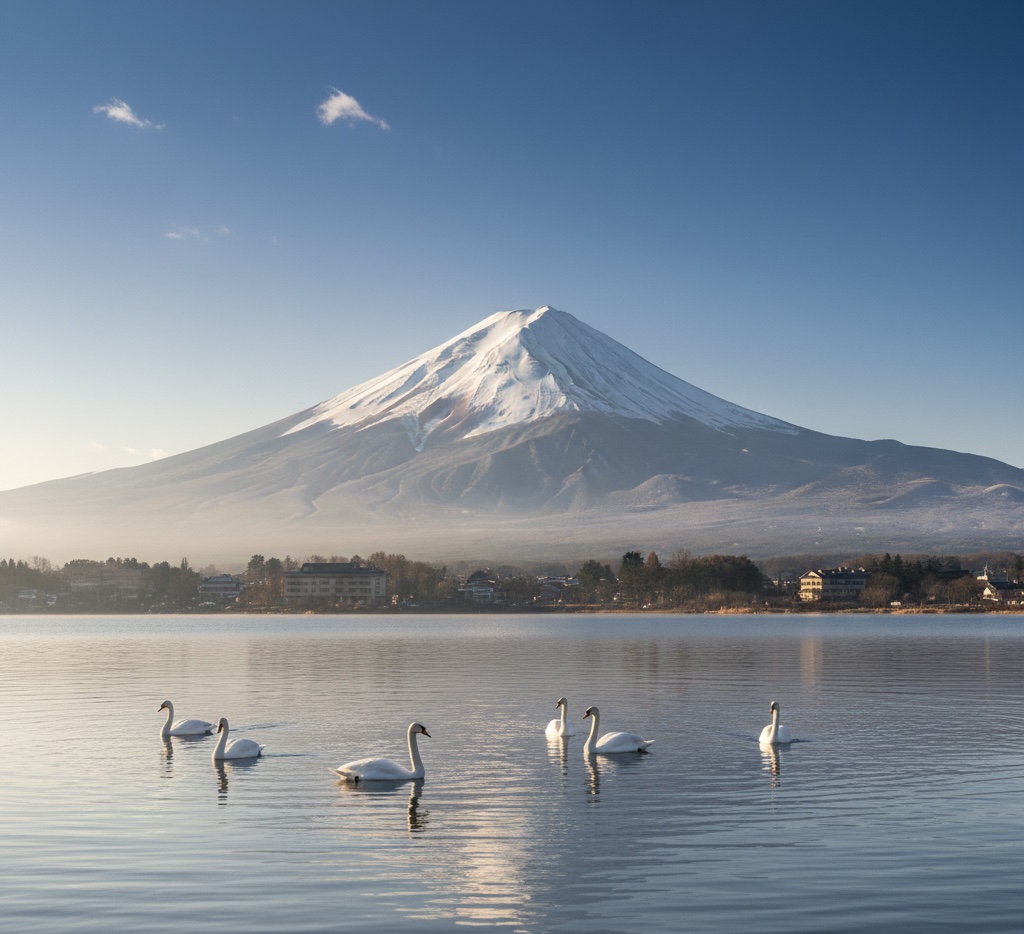
Among the Fuji Five Lakes, Lake Yamanaka remains less crowded and has its own seasonal magic.
In winter, swans gather on the lake, their white feathers blending with the snow-covered slopes of Mt. Fuji.
Come in the early morning for the clearest views — the still lake, the crisp air, and the swans drifting across the water create a moment that feels almost like a painting.
It’s a favorite for couples seeking a romantic, unforgettable photo.
👉Access: 30 minutes by bus from Fujisan Station (Fujikyu Line), or 25 minutes by bus from Kawaguchiko Station.
Cultural Experiences Along the Fujikyu Line
Saruhashi Bridge (Otsuki) — A Historic Wooden Marvel
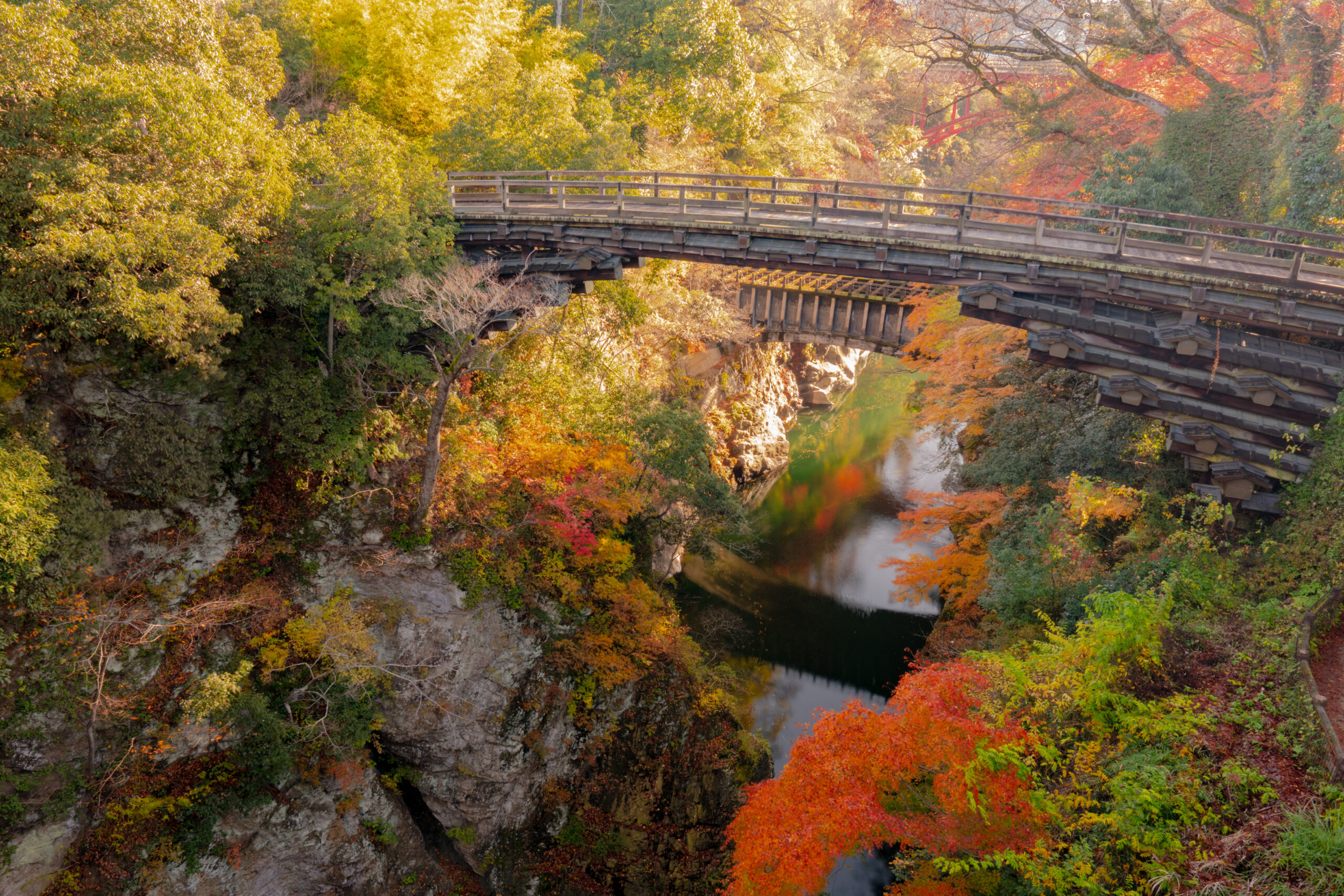 Near Otsuki, the starting point of the Fujikyu Line, stands Saruhashi — one of Japan’s “Three Unusual Bridges.”
Its layered wooden structure seems to float across the gorge, a feat of Edo-period engineering that harmonizes beautifully with the surrounding nature.
It’s the perfect stop at the beginning of your Fuji journey, reminding travelers that human creativity and natural landscapes have always gone hand in hand.
👉Access: 15 minutes on foot from Otsuki Station (JR Chuo Line / Fujikyu Line).
Koun-in Temple Zen Retreat — A Quiet Cultural Sanctuary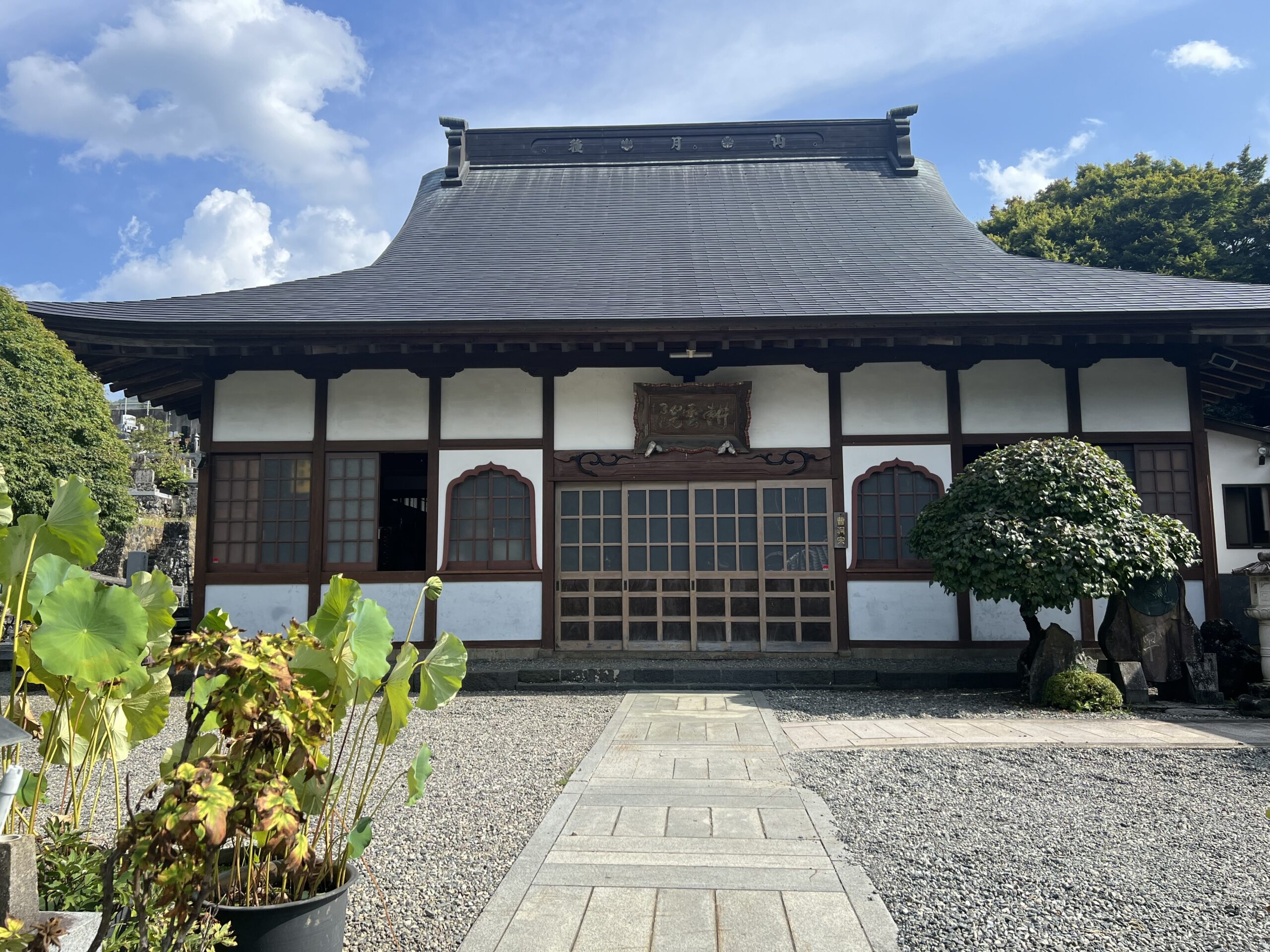
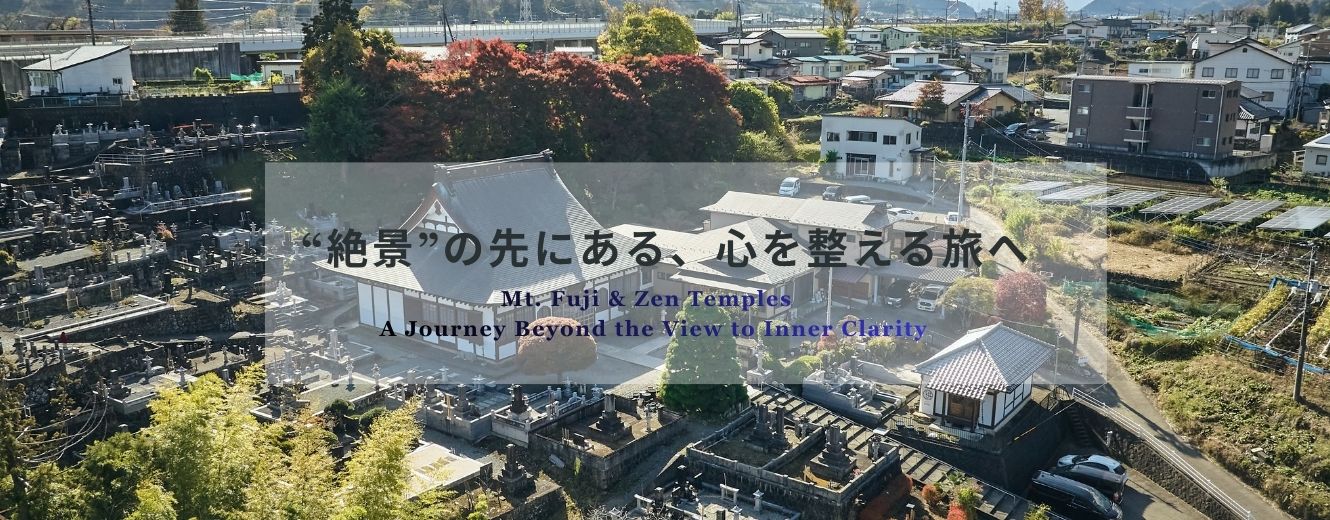
In Tsuru City, at the foot of Mt. Fuji lies Koun-in Temple, a Soto Zen monastery founded in 1398.
For centuries, pilgrims paused here to cleanse body and mind before ascending the sacred mountain.
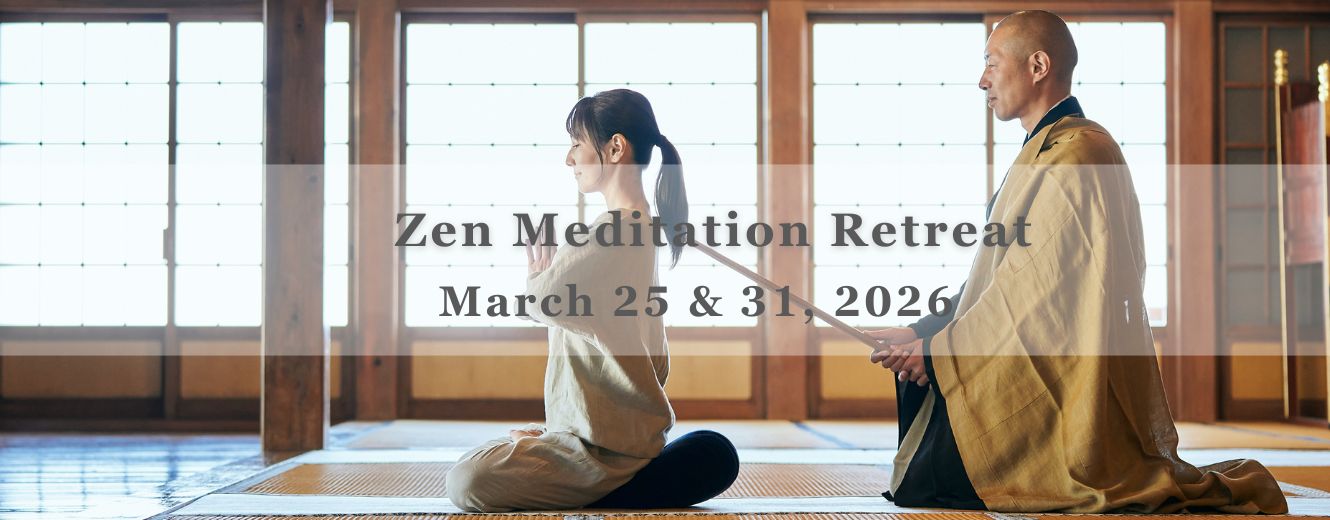
Today, that spirit continues through a 3–4 hour Zen retreat designed for modern travelers.
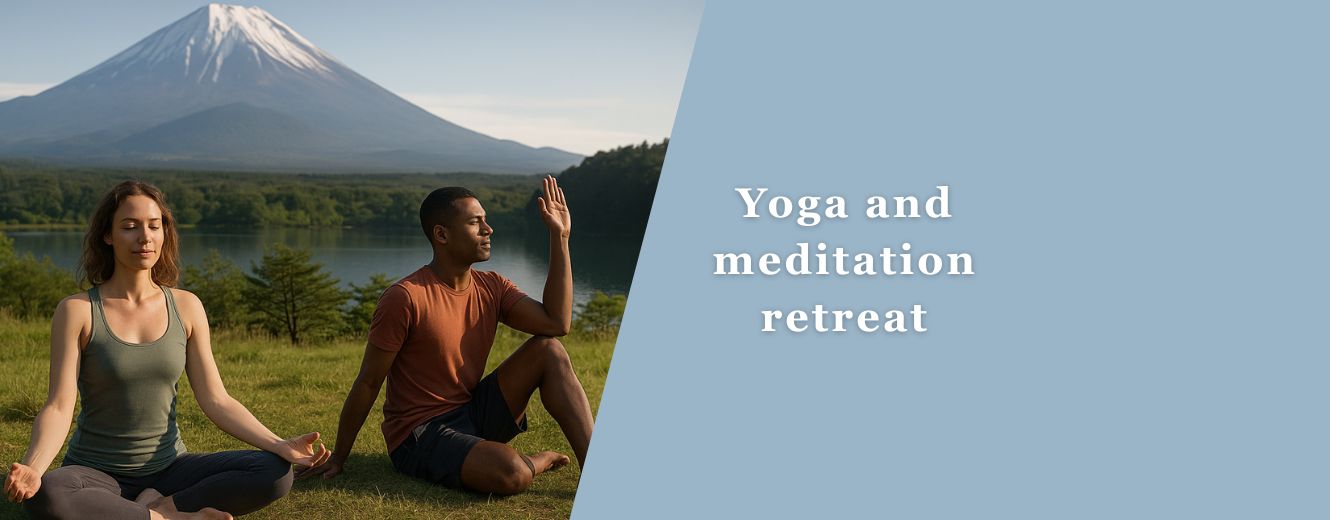
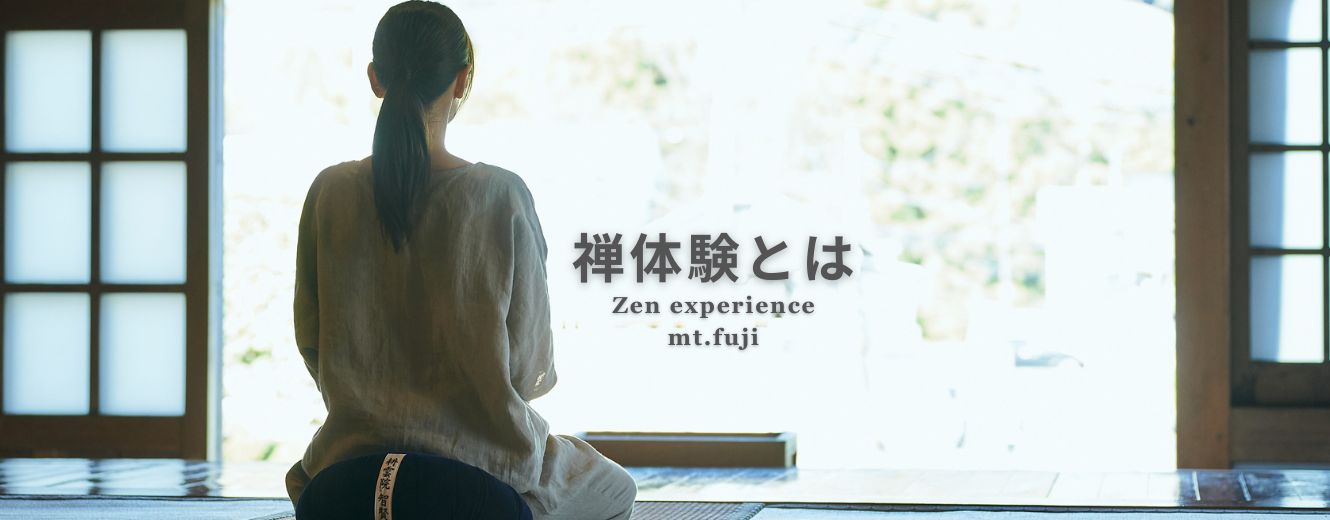
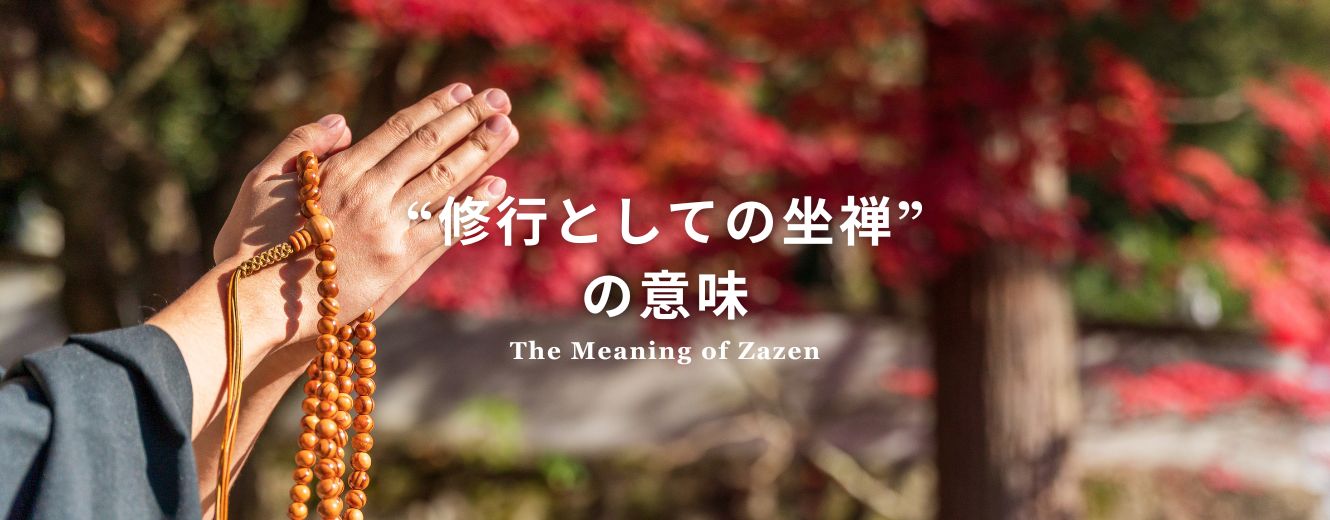
The program combines yoga, zazen meditation, sutra copying, and shojin ryori (Zen cuisine) — experiences that balance body, mind, and spirit.
Many participants say it feels less like attending a program and more like being warmly welcomed into a temple family.
👉 Visit the official page: Koun-in Temple Zen Retreat
Program Flow — A Journey to Balance Body & Mind
- Incense & Mindful Actions — The retreat begins with the scent of incense, gently shifting you from daily life into a calmer state. Even simple actions like how you sit or handle utensils become mirrors of your mindfulness.
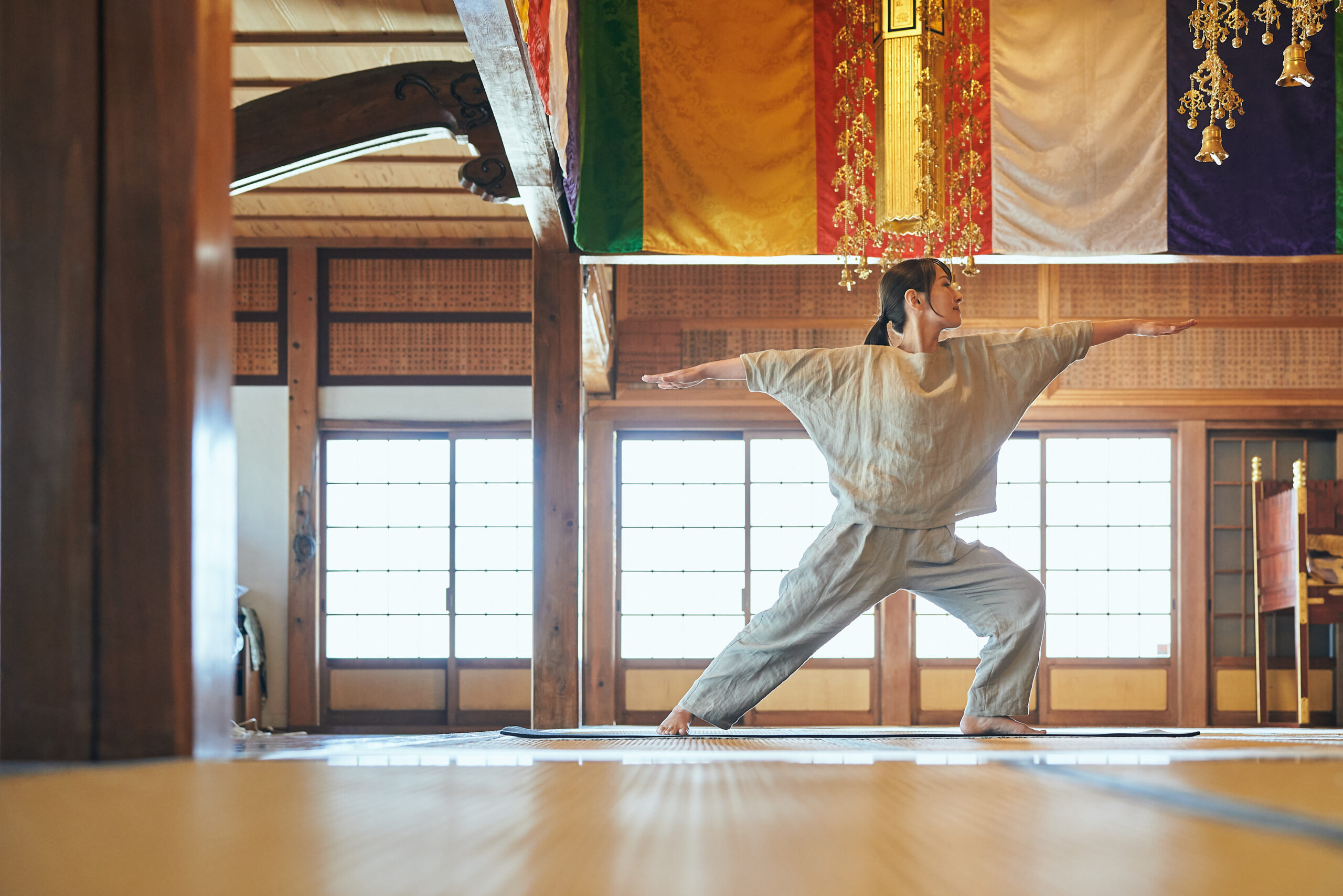
- Yoga — Short sequences such as Sun Salutations loosen the body, improve circulation, and prepare you for seated meditation.
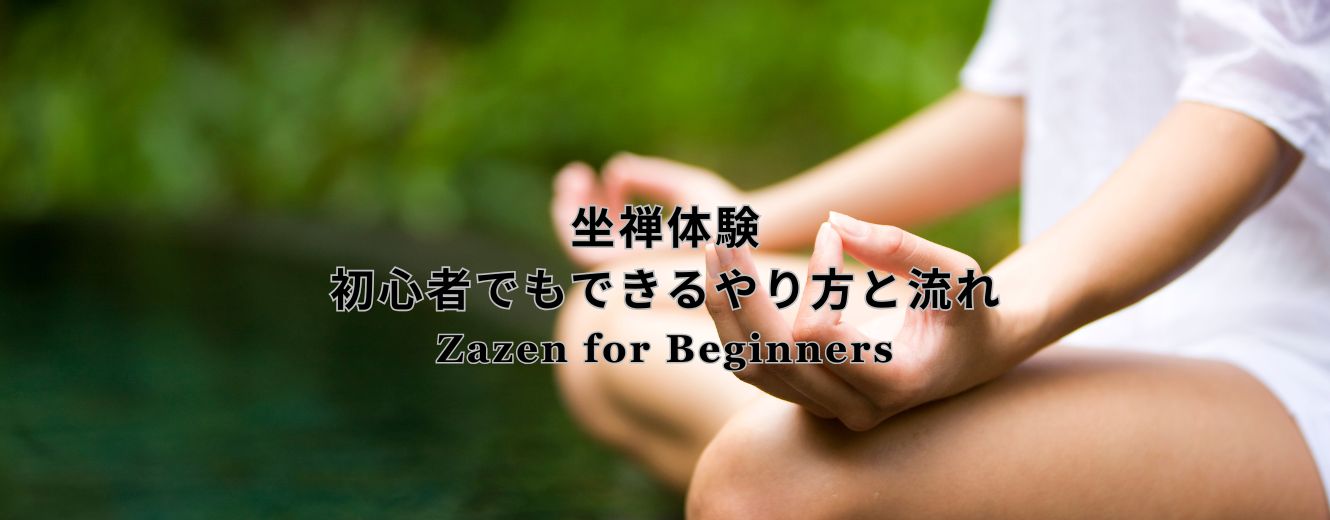
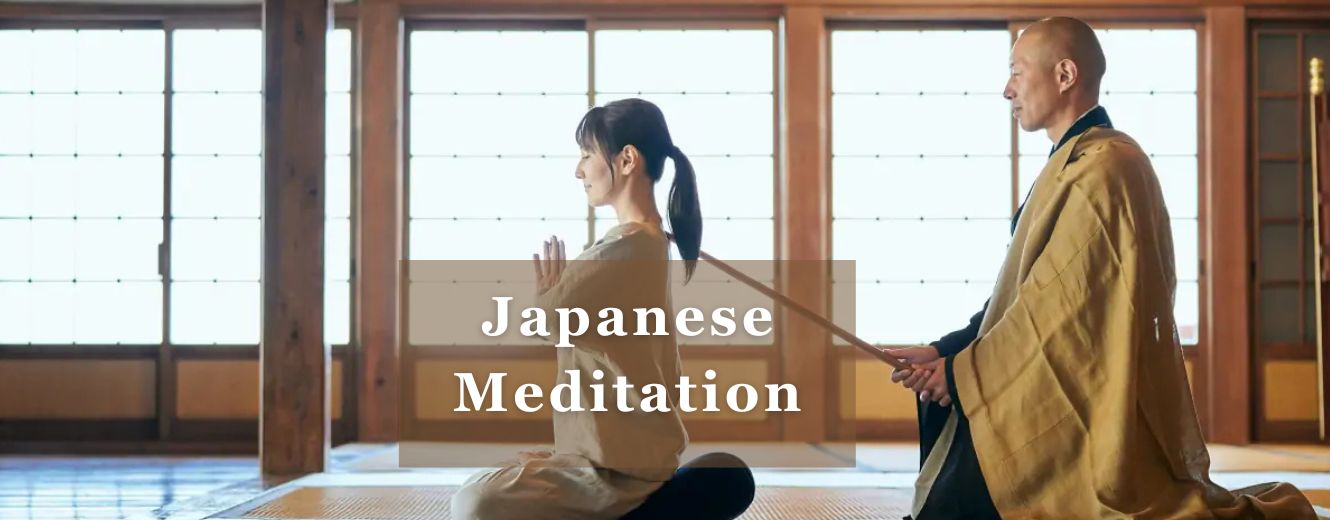
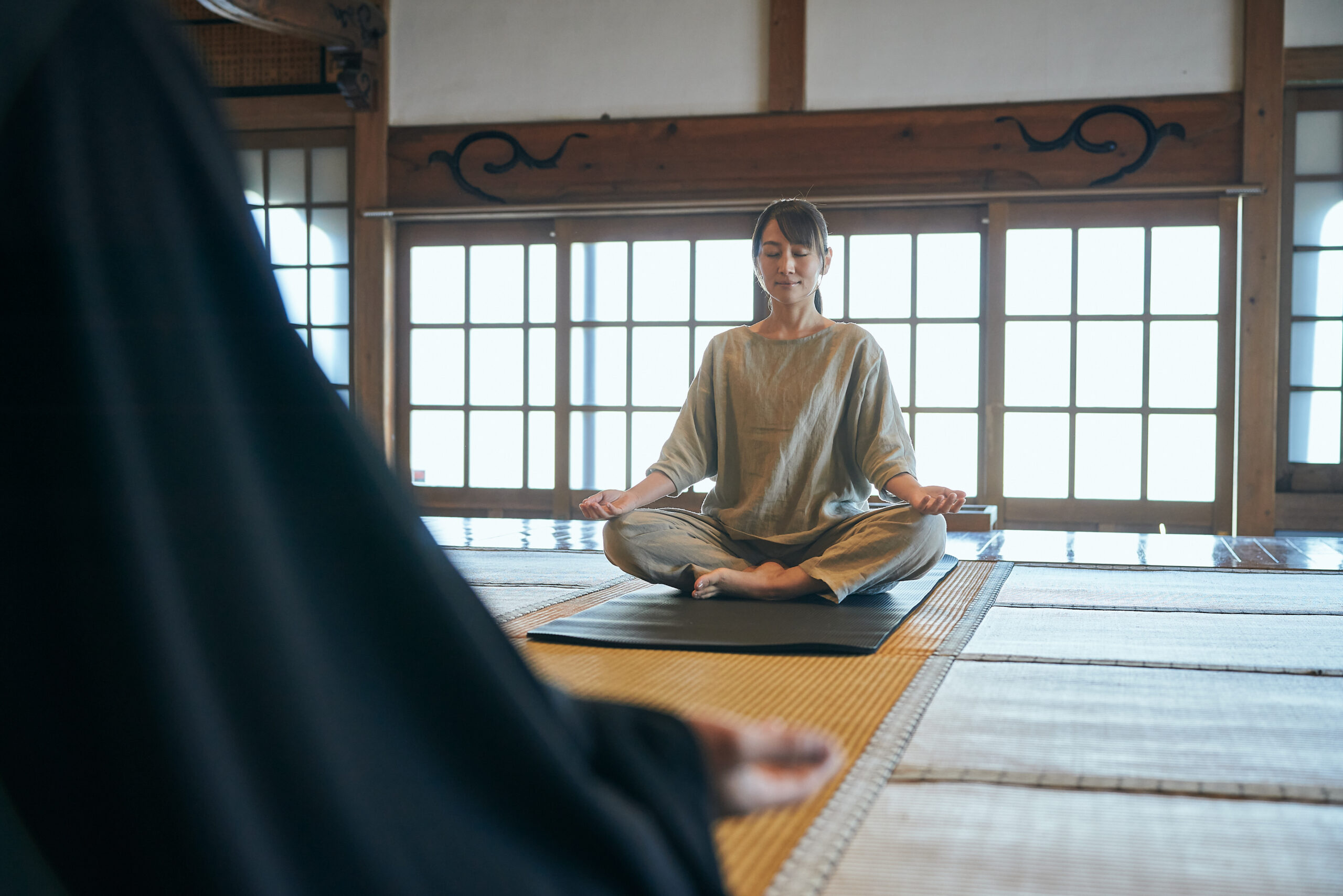
- Zazen (Seated Meditation) — With English guidance, first-timers can relax into 10–15 minute sessions that reveal how thoughts rise and fall. The goal is not “emptiness,” but noticing yourself as you are.
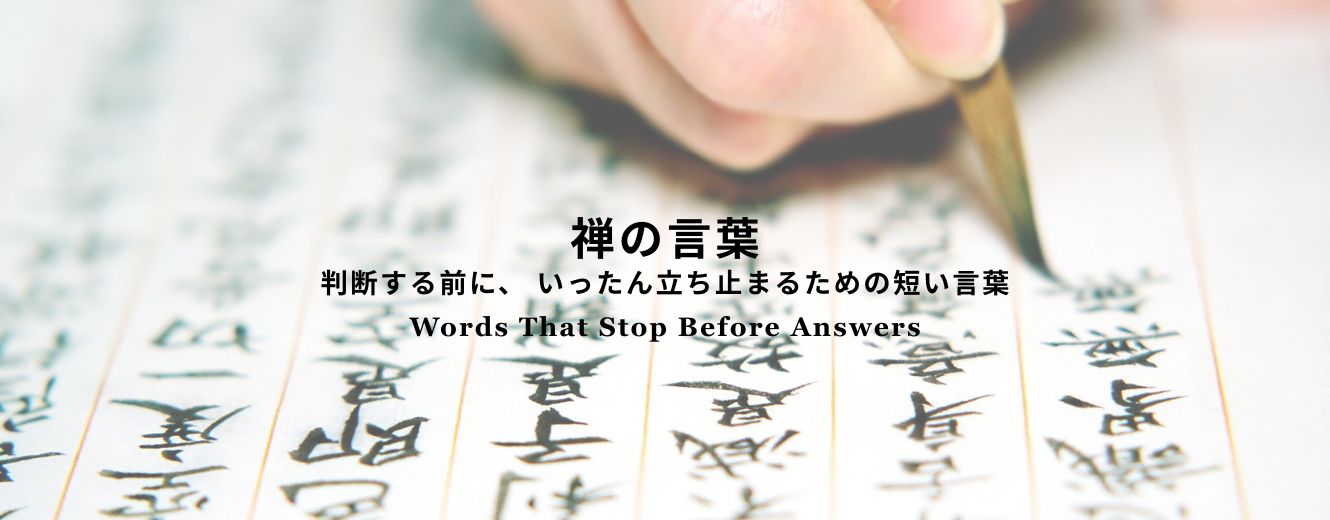
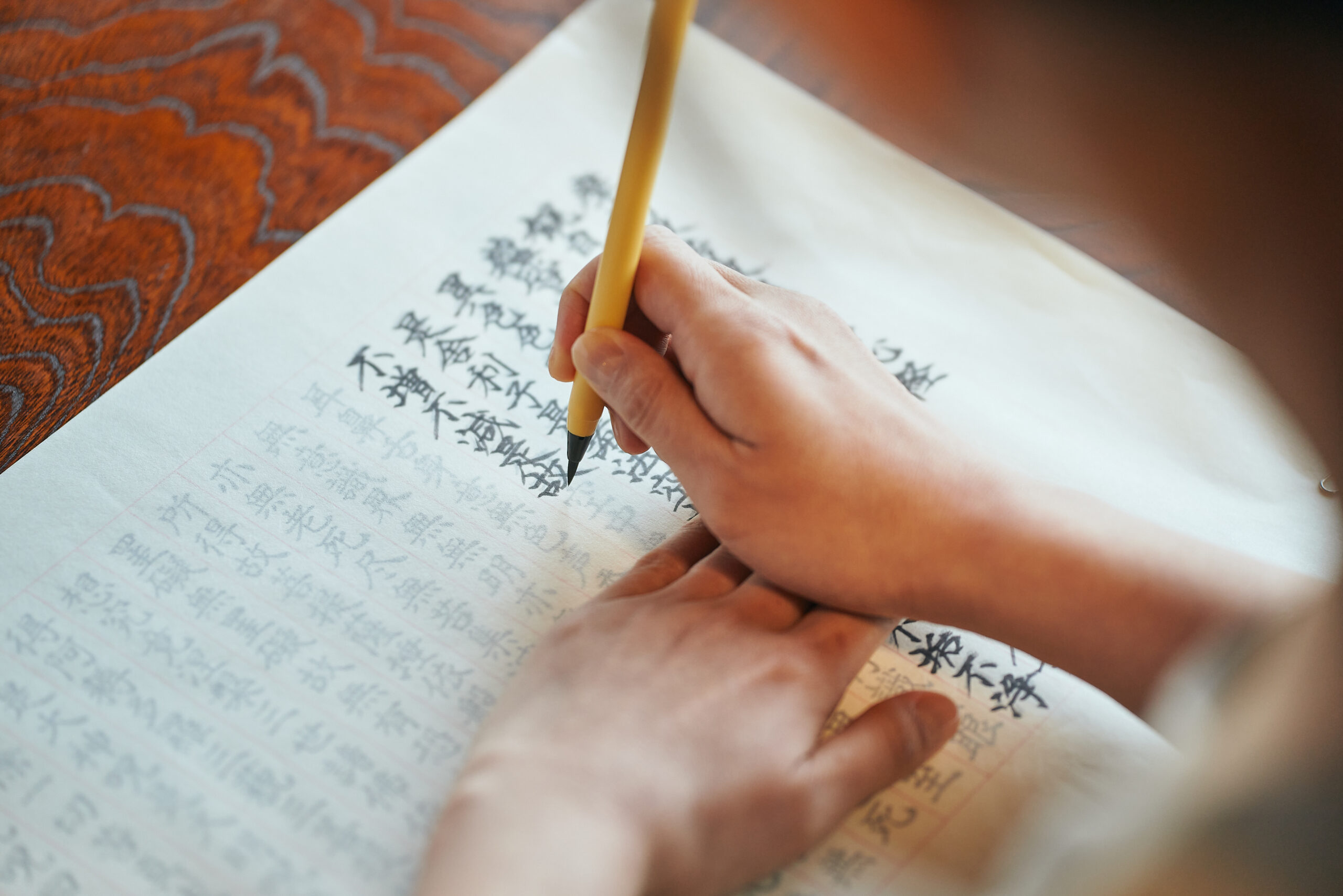
- Sutra Copying (Shakyo) — Tracing each character of the Heart Sutra brings focus and quiet. Writing names for loved ones at the end reminds us to extend kindness to others.
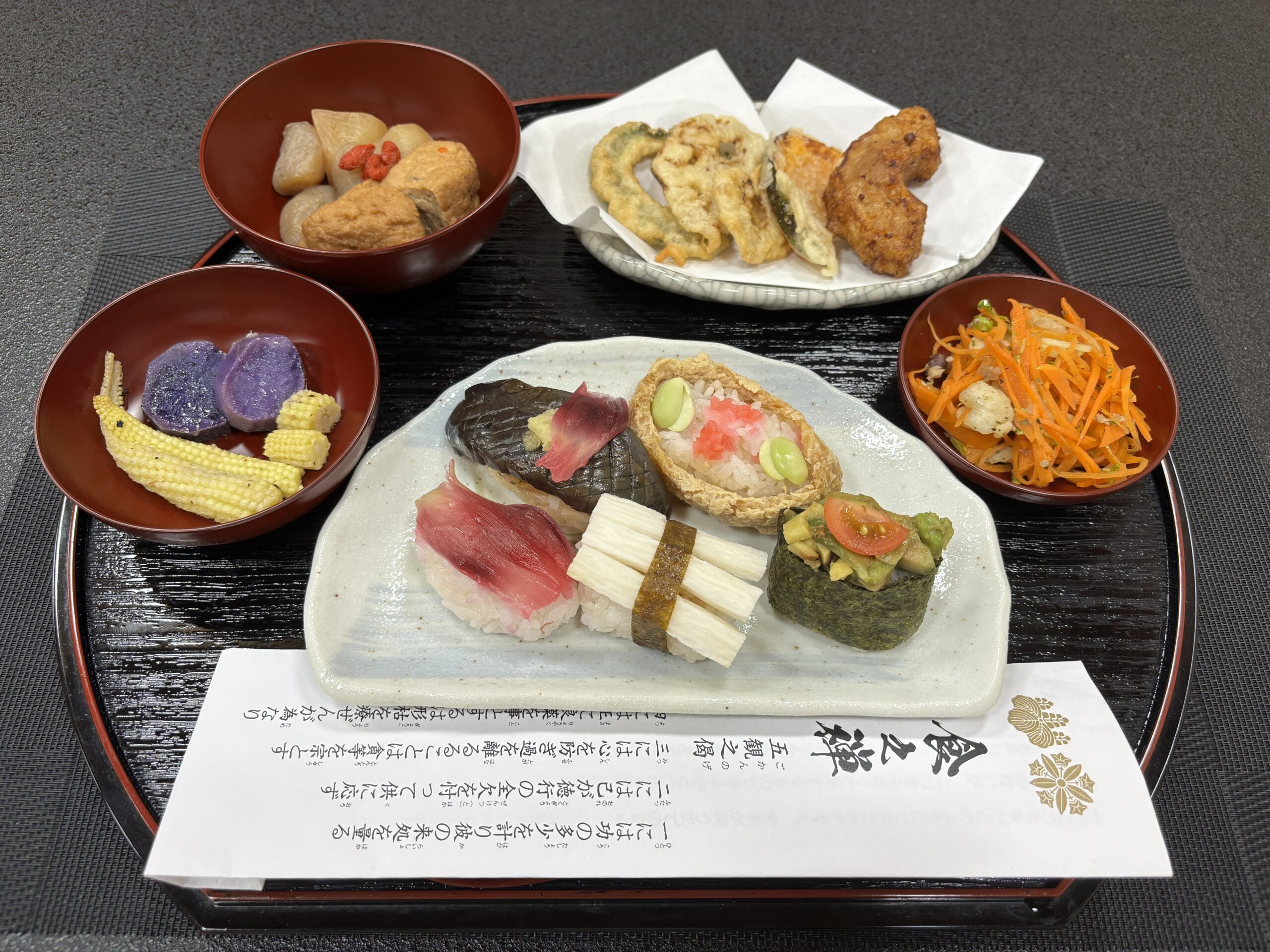
- Shojin Ryori (Zen Cuisine) — A plant-based meal that highlights seasonal vegetables, prepared with deep gratitude for life itself. Vegan and Halal travelers are welcome.
👉 For a deeper look at the roots of Zen practice in Japan, see our guide to Japanese Meditation
👉Access: 8 minutes on foot from Higashikatsura Station (Fujikyu Line). Advance reservation required.
From the Vice Abbot
I wasn’t always a monk. In my youth, I was absorbed in fashion and surfing, far from temple life.
Later, after four years of rigorous training at Eiheiji monastery, I discovered the depth of Zen.
Since then, I’ve worked to share it worldwide — even co-starring in the film Tenzo, which was screened at the Cannes Film Festival.
That’s why our retreat isn’t about “harsh training.
” It’s designed as an open, welcoming experience — for solo travelers seeking inner reflection, and for couples wanting to share meaningful time together.
👉Access: 8 minutes on foot from Higashikatsura Station (Fujikyu Line). Advance reservation required.
Voices From Participants — Zen Retreat Experiences in Japan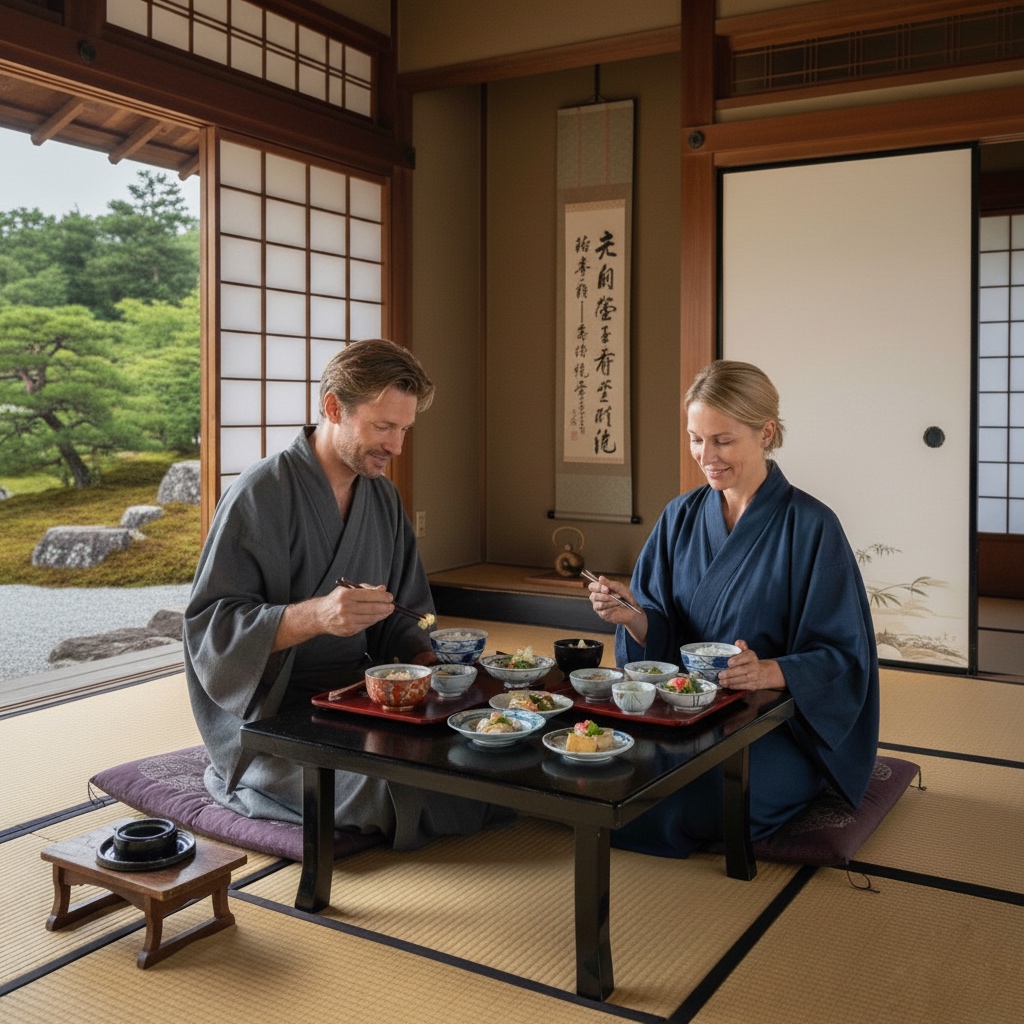
—“The meditation retreat in Japan was the highlight of my trip. Sitting quietly near Mt. Fuji gave me peace I had never felt before.”
—“More than sightseeing — it felt like stepping into the living spirit of Japanese culture.”
—“The combination of yoga and zazen was unforgettable. It helped me experience mindfulness in a new way.”
—“We joined as a couple, and sutra copying and temple food made the retreat uniquely Japanese.”
—“As a senior traveler, I felt supported. Yoga prepared my body, and meditation gave me renewed energy.”
—“As a yoga practitioner, the blend of movement and stillness in an authentic Zen setting was powerful.”
Practical Details
-
-
- Duration: 3–4 hours
- Fee: ¥10,000–¥15,000
- Access: 90 min from Shinjuku (Tokyo) by train, 35 min from Lake Kawaguchi, 8 min walk from Higashikatsura Station
- Language: English guidance available
-
FAQ — About Koun-in Temple Zen Meditation Retreat
Can I join alone?
Yes, absolutely. Solo participants are warmly welcome, and beginners can also feel at ease.
How long is the program?
About 3–4 hours. It is easy to join even during your travels.
Is English guidance available?
Yes. Simple English guidance is available.
Is shojin ryori included?
It depends on the plan. With the meal option, you can experience mindful eating.
Is it suitable for beginners?
Of course. All that is needed is simply “to be present in the moment.”
Do I need to bring anything?
No special preparation is required. Comfortable clothing is enough.
How do I book?
Please make a reservation in advance through our contact form.
Final Thought — Discovering the Fuji Beyond the Crowds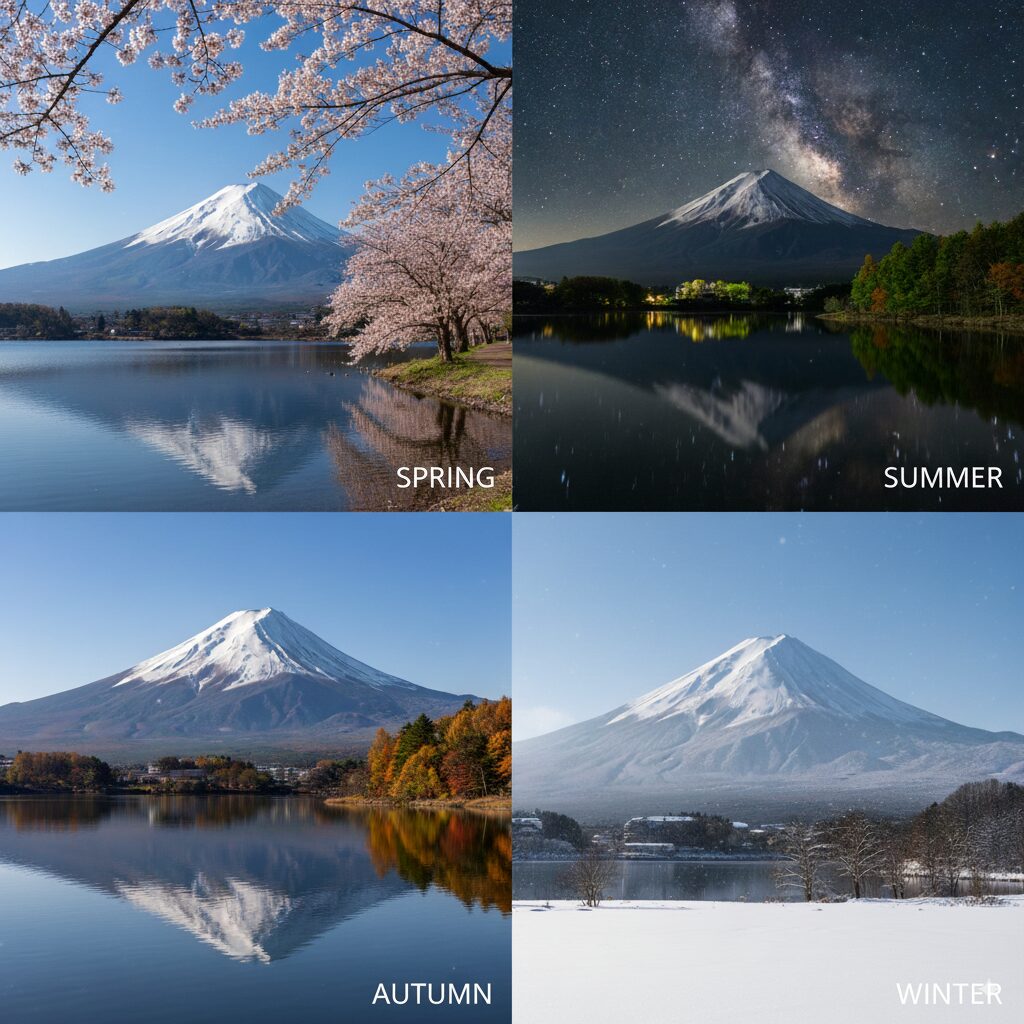
The iconic views of Mt. Fuji are unforgettable — but the hidden trails, quiet lakes, and cultural retreats transform a trip into something more.
Whether it’s hiking Mt. Mitsutoge, spotting swans on Lake Yamanaka, crossing Saruhashi Bridge, or sitting in meditation at Koun-in Temple, these experiences offer a Fuji you can feel, not just see.
For solo travelers, for couples, and for anyone seeking to avoid the crowds, these are the true treasures of Fuji.
And if you’re wondering about the best time to visit Mt. Fuji, each season has its gifts — cherry blossoms in spring, cool hikes in summer, fiery foliage in autumn, and snow-capped serenity in winter.
Take a day trip from Tokyo, step off the beaten path, and let Fuji reveal itself in new and unforgettable ways.
👉 To explore more about Zen culture and temples in Japan, see our guide to Zen Buddhism Temples