
Things to Do in Mt. Fuji — Travel Guide & Monk’s Perspective
Introduction: Why Mt. Fuji Matters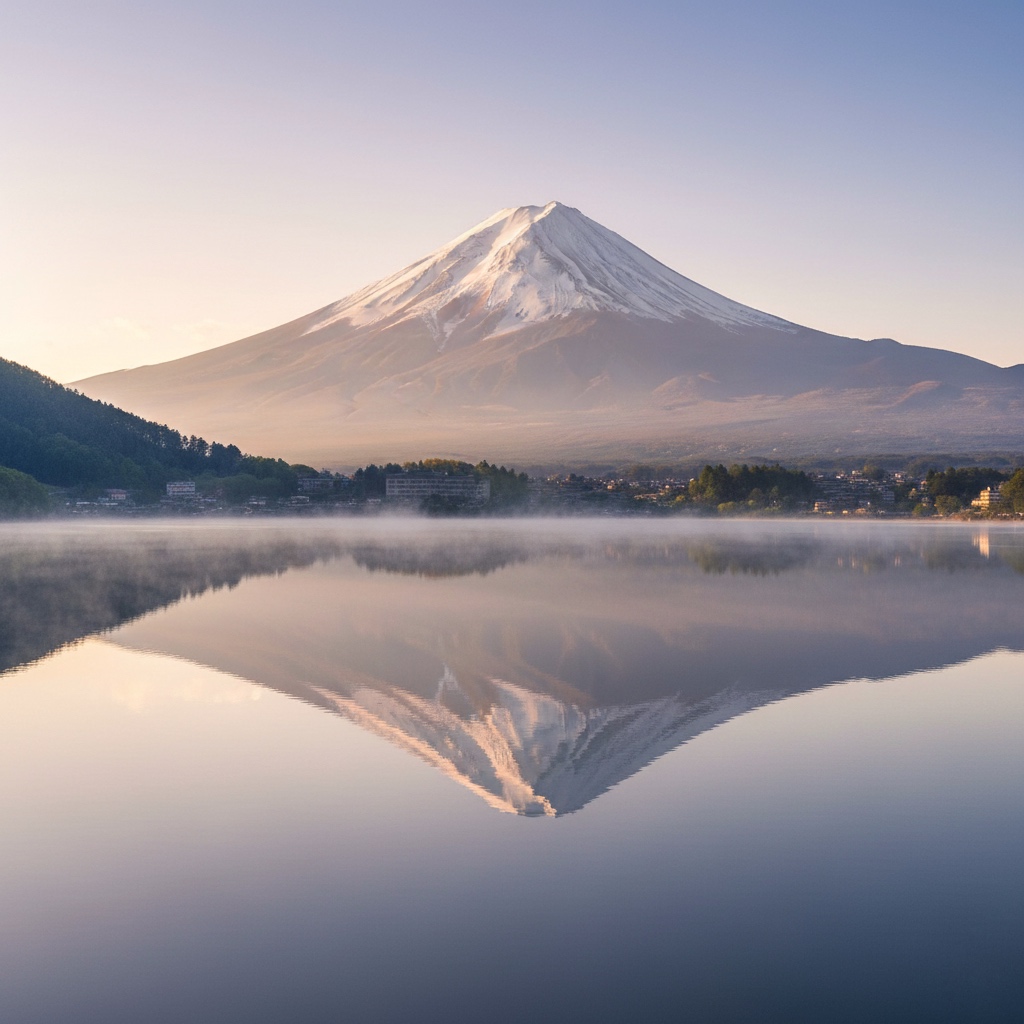
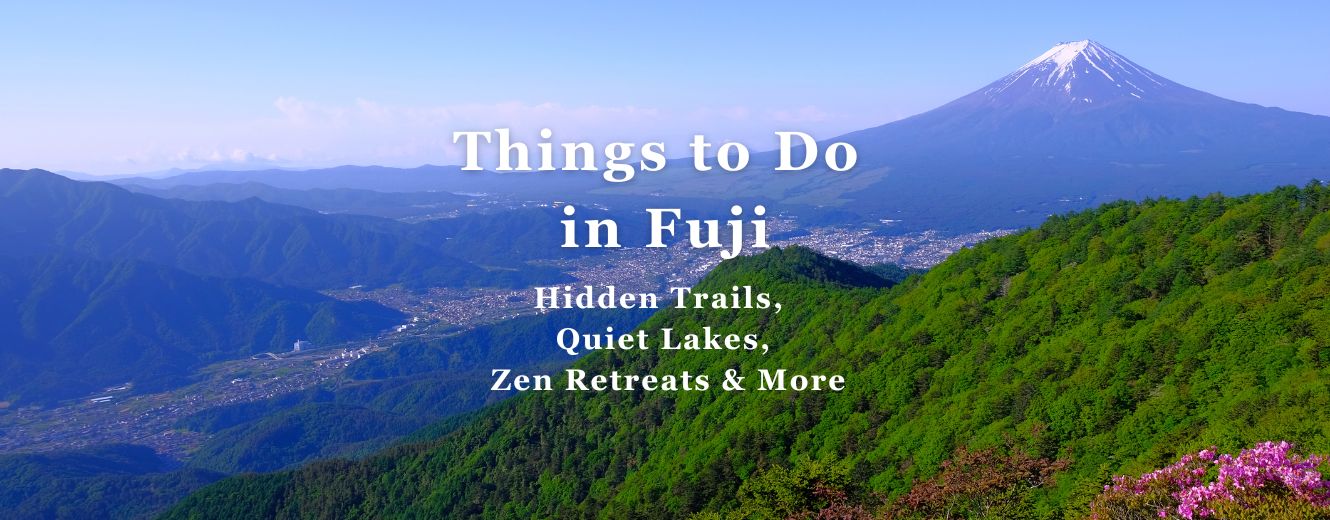
Looking for things to do in Mt. Fuji? From hiking trails and lakeside walks to cultural temples and Zen retreats, this Mt. Fuji travel guide highlights the best Mt. Fuji activities and things to do around Mt. Fuji for every kind of traveler.
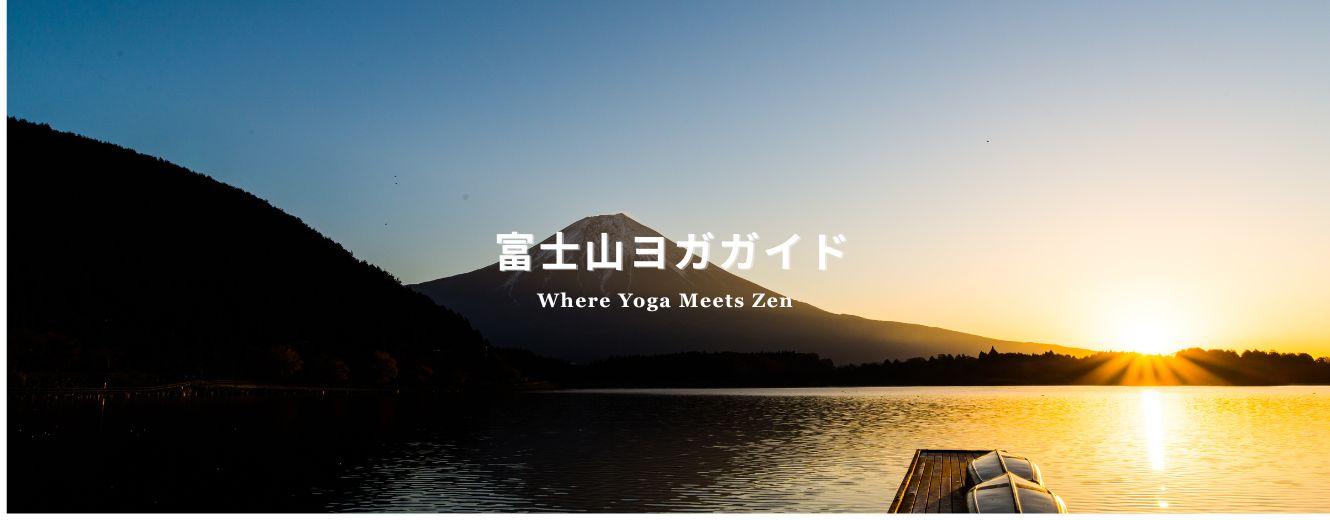
Japan’s tallest and most iconic mountain (3,776 meters), Fuji is both a natural wonder and a UNESCO World Heritage Site.
Some dream of reaching its summit. Others find joy in gazing at its reflection in a quiet lake or soaking in an onsen with the snowy peak in view.
As a Soto Zen monk living near the mountain, I have learned that Fuji is not only a sight to admire.
Like the pilgrims who once walked the historic Fuji-michi road, pausing at temples before their climb, today’s travelers too can discover meaning by slowing down, breathing deeply, and letting Fuji’s silence guide them.
Mt. Fuji as a Sacred Mountain — History, Culture, and Spiritual Meaning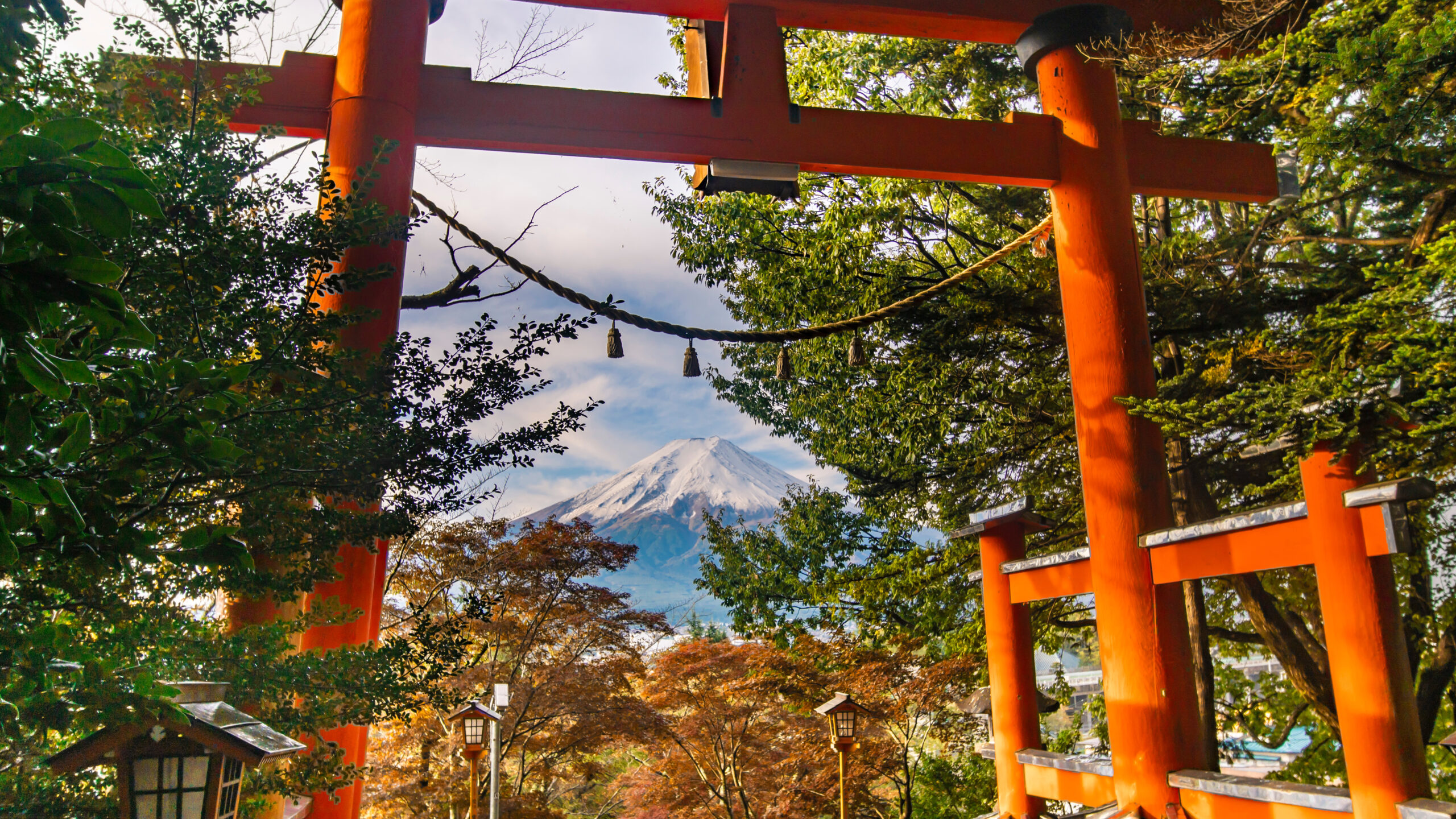
Since ancient times, Mt. Fuji has been revered as a sacred peak where the divine resides.
Ascetics trained in its harsh environment, and practices like Fuji worship and Shugendo flourished.
In the Edo period, the Fujiko movement encouraged ordinary people to climb Fuji at least once in their lives.
For those unable to make the journey, miniature replicas called Fujizuka were built in Edo, allowing people to honor the mountain’s spirit close to home.
Pilgrims who did travel walked the Fuji-michi, stopping at temples and lodgings to rest and purify themselves. For them, every step was a prayer.
Even today, this Mt. Fuji travel guide reminds us that Fuji continues to invite travelers to pause, reflect, and rediscover perspective.
Whether hiking, visiting lakes, or simply gazing at the peak, many find that the mountain calms the heart.
👉 Learn more about the role of Zen temples in Japanese culture:Zen Buddhism Temples in Japan
Things to Do Around Mt. Fuji Without Climbing (Family-Friendly Activities)
Not every visitor comes to Japan to climb. Fortunately, Fuji offers many beginner-friendly and family-friendly activities.
This section of the Mt. Fuji travel guide highlights some of the most popular things to do around Mt. Fuji if you prefer to stay at lower elevations.
1. The 5th Station — Gateway to the Mountain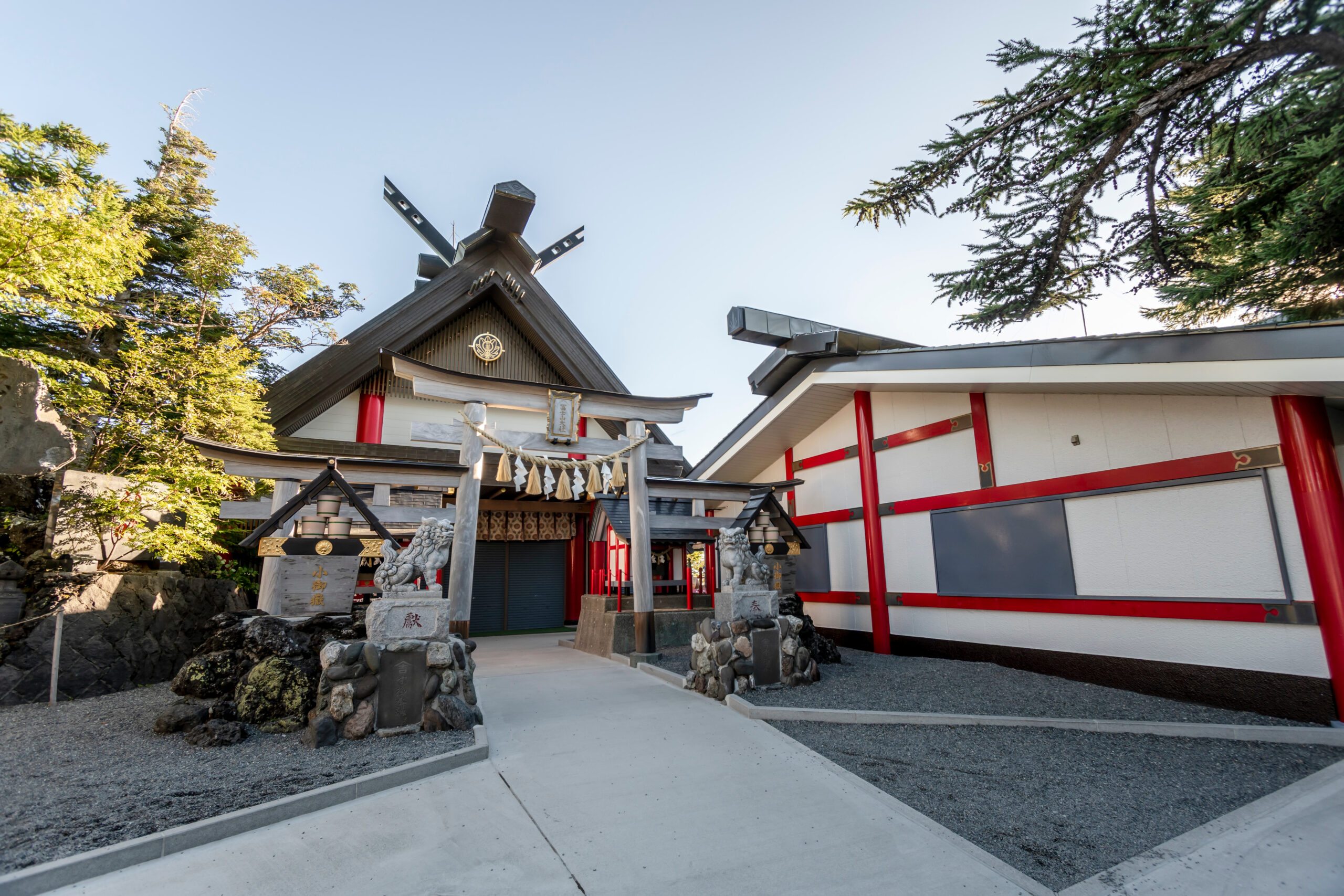
At 2,300 meters above sea level, the 5th Station is accessible by a 2.5-hour bus from Shinjuku.
It offers panoramic views of the Southern Alps, Komitake Shrine for safe-travel prayers, and short trails to enjoy alpine plants and fresh mountain air.
👉 Visit early in the morning to avoid crowds and savor the mountain’s unique silence.
2. Scenic Photo Spots
Among the most iconic Mt. Fuji activities are the famous photo spots:
👉 Capture Mt. Fuji’s beauty from lakes, shrines, and hidden vantage points for unforgettable memories.
-
-
-
Chureito Pagoda (Arakura Sengen Shrine):
-
-
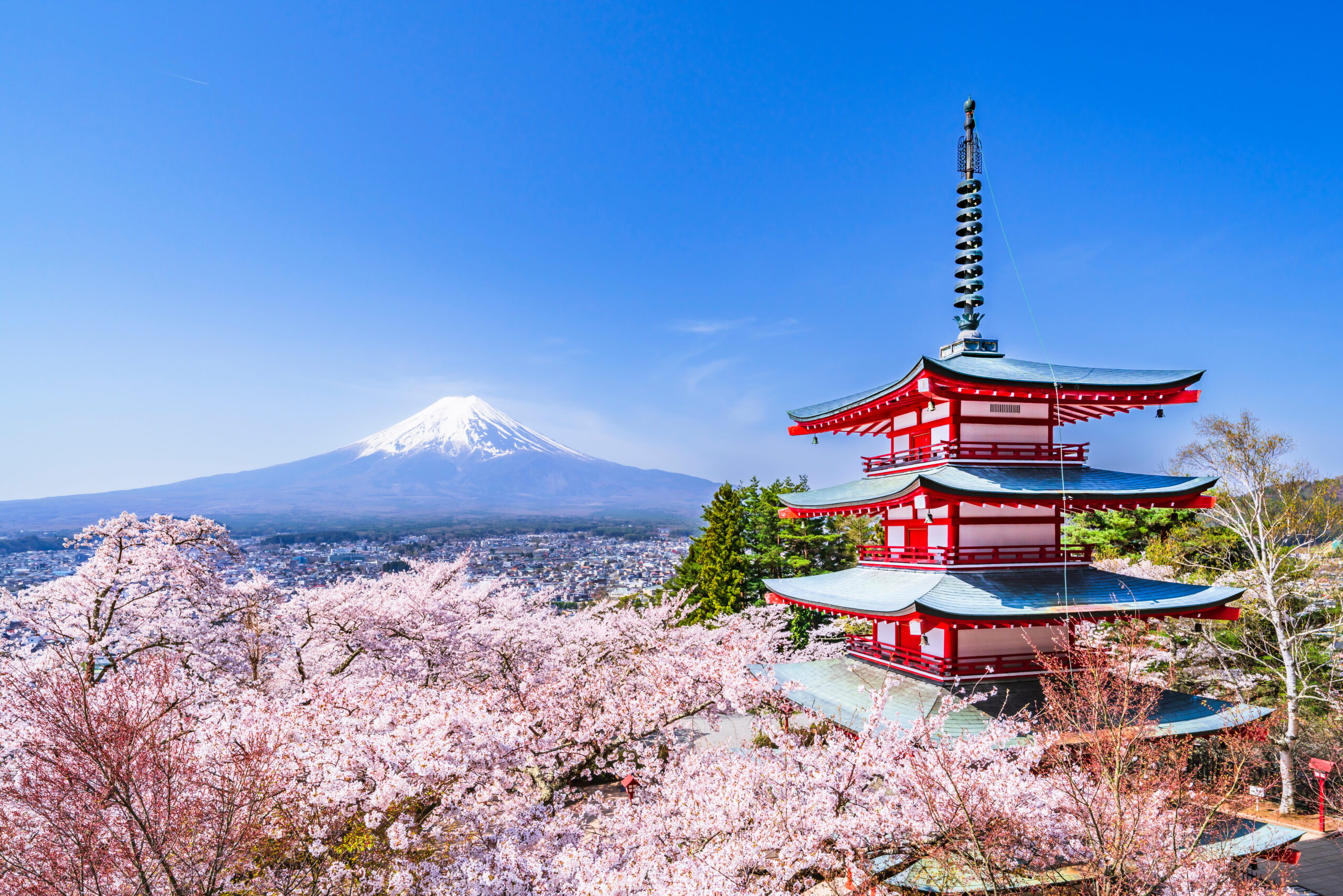 A five-story pagoda with Fuji as the backdrop — iconic in spring cherry blossoms or autumn foliage.
-
-
-
-
Lake Kawaguchi:
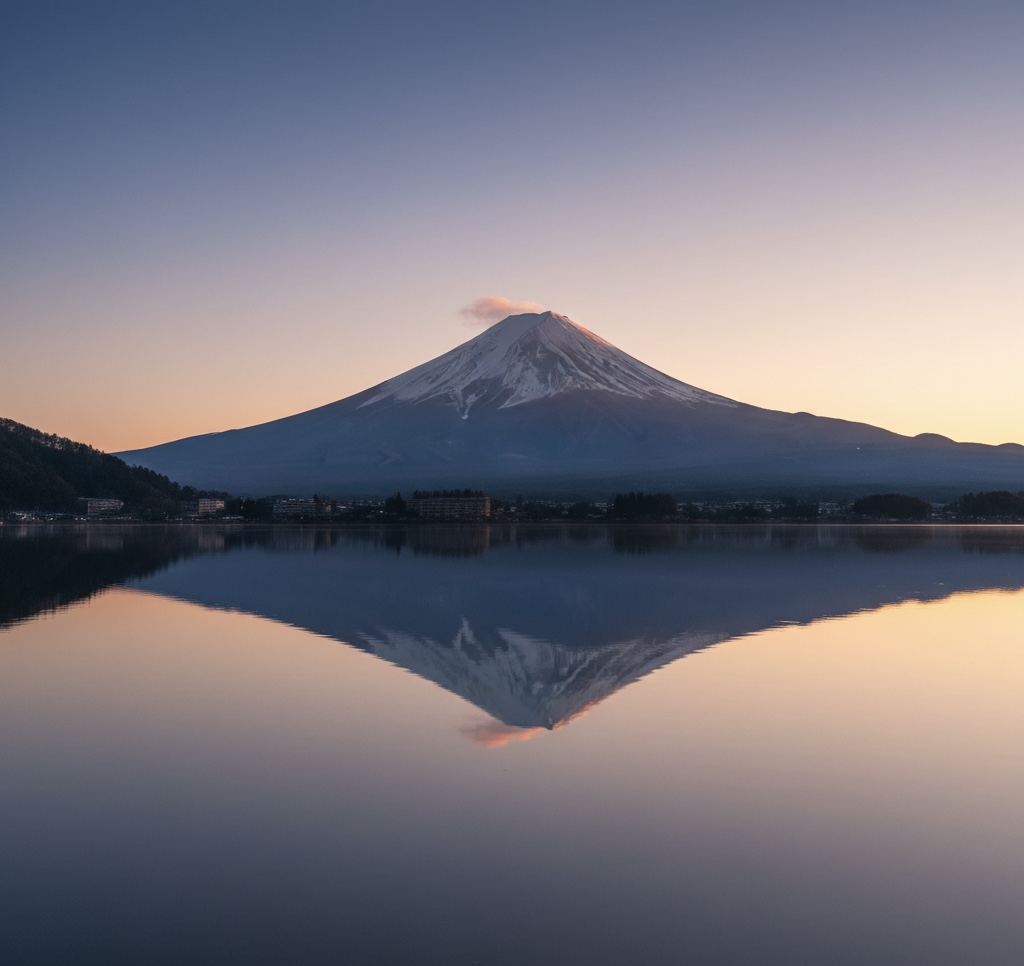 Known for its “mirror Fuji,” it changes with each season: blossoms, lavender, maple, or snow.
-
Lake Motosu:
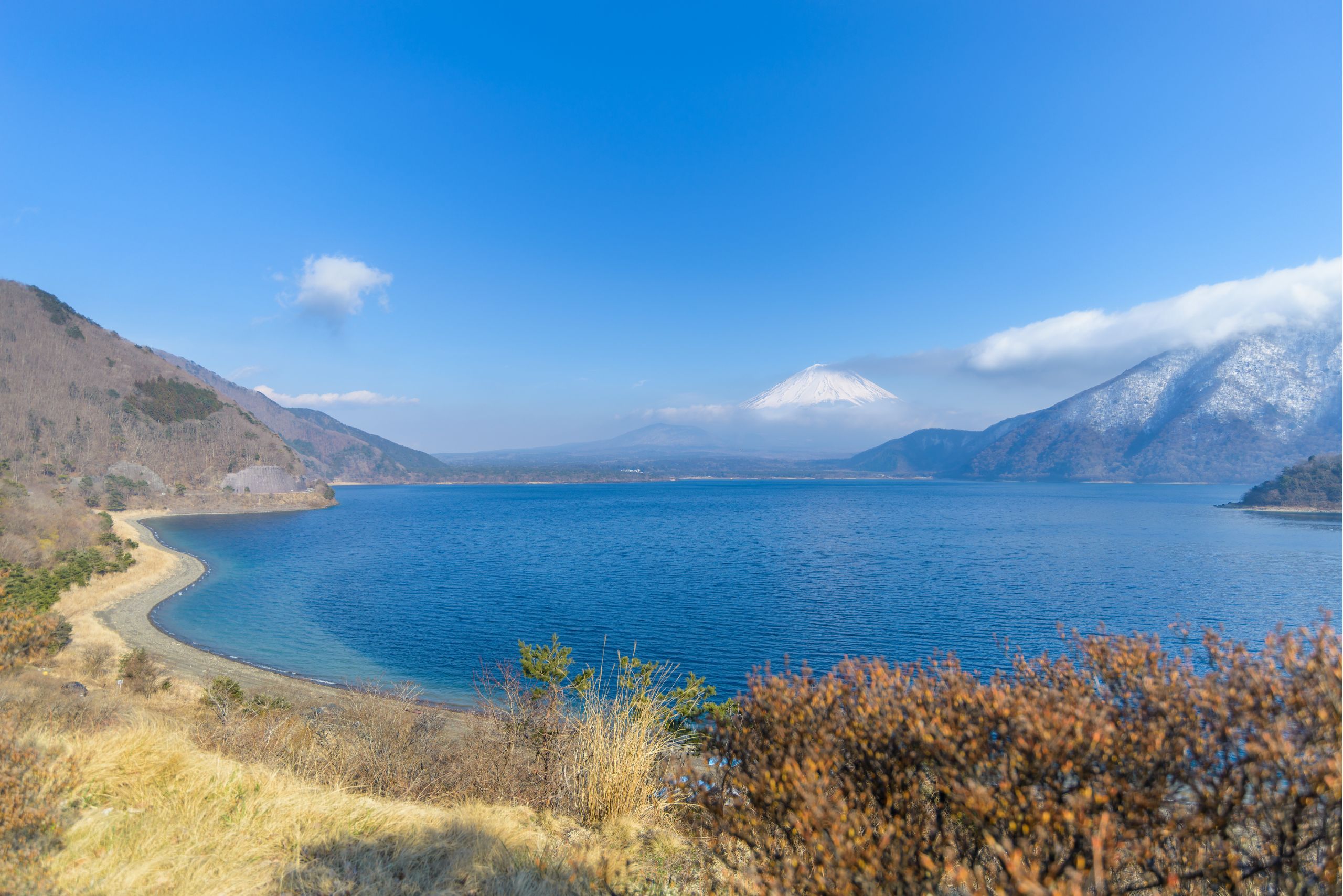
-
-
The ¥1,000 bill view, best at dawn when the water is still and Fuji reflects like glass.
-
3. Four Seasons at a Glance
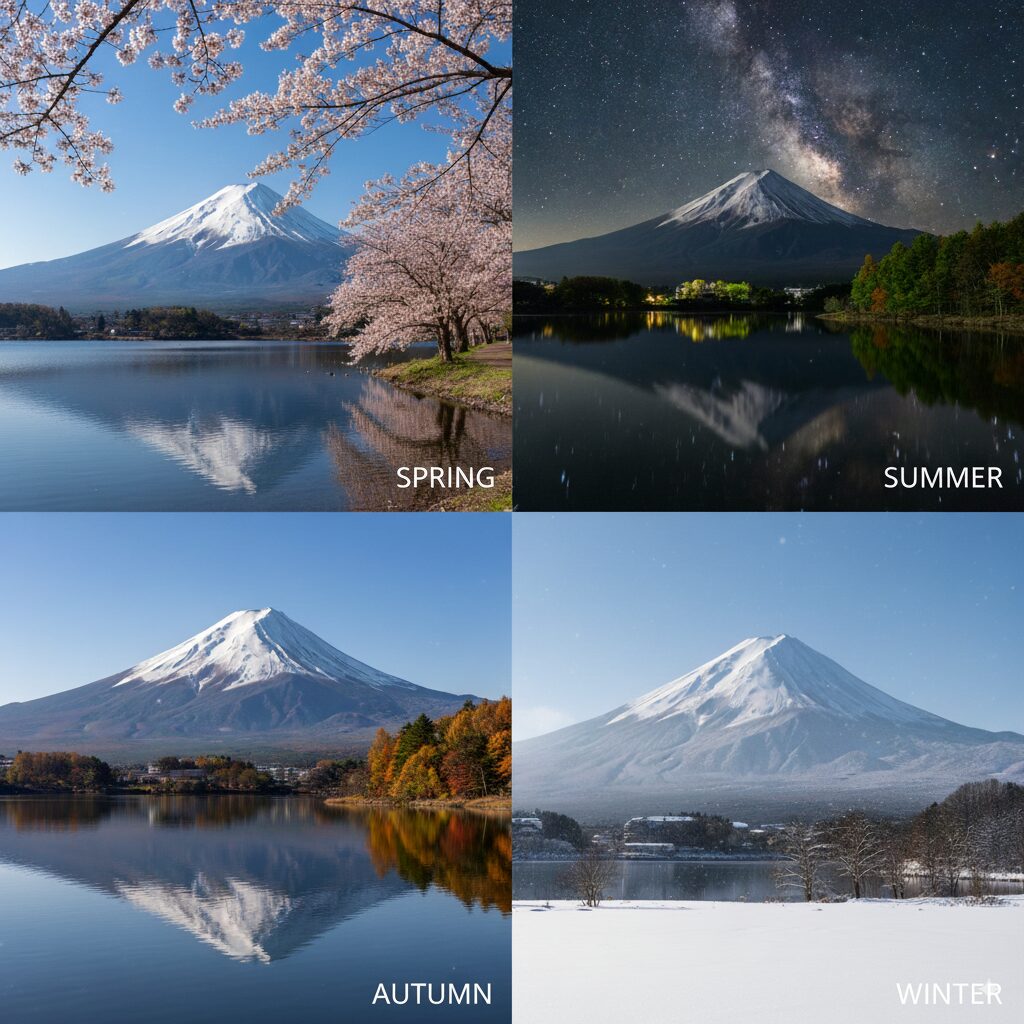
One of the highlights of any Mt. Fuji travel guide is the chance to enjoy the mountain in every season:
-
-
-
Spring:
Cherry blossoms and fresh greenery
-
Summer:
Starry skies and sunrises, even from the lakeside
-
Autumn:
Vibrant foliage and crisp mountain air
-
Winter:
Snow-capped Fuji viewed from an onsen
-
-
4. Plan B for Cloudy Days
Even when Fuji is hidden, there are plenty of things to do around Mt. Fuji:
-
-
-
-
- Fuji World Heritage Center (cultural and nature exhibits)
- Oshino Hakkai (spring-fed ponds)
- Local hot springs with Fuji views
-
-
-
These alternative Mt. Fuji activities ensure your trip remains memorable no matter the weather.
👉 Explore more ways to experience Japanese meditation: Japanese Meditation Guide
Seasonal Mt. Fuji Activities — Four Faces of the Mountain
Spring — Blossoms and Impermanence
Cherry blossoms bloom brilliantly and fall within days, embodying the Buddhist truth of impermanence (shogyo mujo).
Their fleeting beauty teaches us to treasure each moment. Walking among Fuji’s fresh greenery and blossoms is to witness both renewal and fragility side by side.
Summer — Sunrise and the Infinite Sky
In climbing season, the summit sunrise feels like the birth of a new self. At night, the star-filled sky reminds us how small we are within the vast universe.
Zen encourages us to let go of the “small self,” and summer at Fuji makes that lesson vivid.
Autumn — Colors of Change
The mountain turns crimson and gold before the leaves fall silently to the ground.
This cycle reflects the teaching of impermanence in a different form: all things flourish, then pass away.
Popular spots like the Maple Corridor in Kawaguchi are lively, but quiet side paths allow for moments of meditation amid the falling leaves.
Winter — Snow and Purity
Snow-covered Fuji embodies purity (shojō). In the silence of winter, the mountain feels like a mirror for the mind itself, calming restlessness.
Watching the snowy peak from an outdoor hot spring becomes not just relaxation, but a modern pilgrimage.
Rain and Mist — Lessons in Acceptance
Fuji is not only beautiful when visible. Wrapped in mist or hidden by rain, it teaches us to accept what is, just as Zen practice encourages us to live “as it is.” These veiled landscapes hold their own profound beauty.
Climbing Mt. Fuji — A Pilgrimage in the Sky (Beginner’s Travel Guide)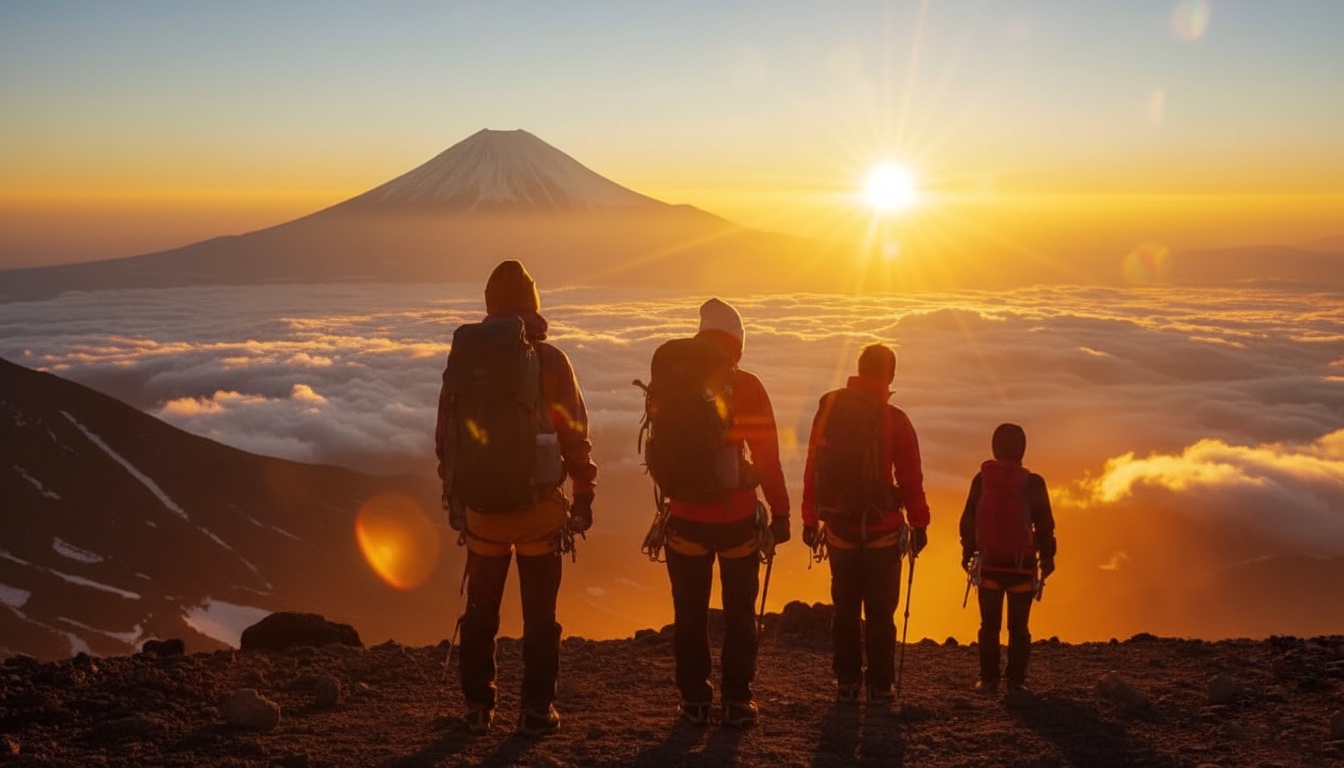
The official climbing season runs from July to September, with the Yoshida and Fujinomiya routes most popular for beginners.
With preparation, the ascent is within reach of many.
But Fuji’s gift is not only at the summit.
The climb itself can be meditation.
Focus on breath and each step, feeling the ground under your feet, the wind, the silence.
This practice of walking meditation transforms fatigue into awareness.
When travelers finally greet the sunrise above the sea of clouds, many realize their daily worries are small against such vastness.
It is more than a view — it is a moment of awakening.
This is one of the most profound Mt. Fuji activities available for adventurous visitors.
From Outer Silence to Inner Stillness — Zen Retreat at Koun-in Temple near Mt. Fuji
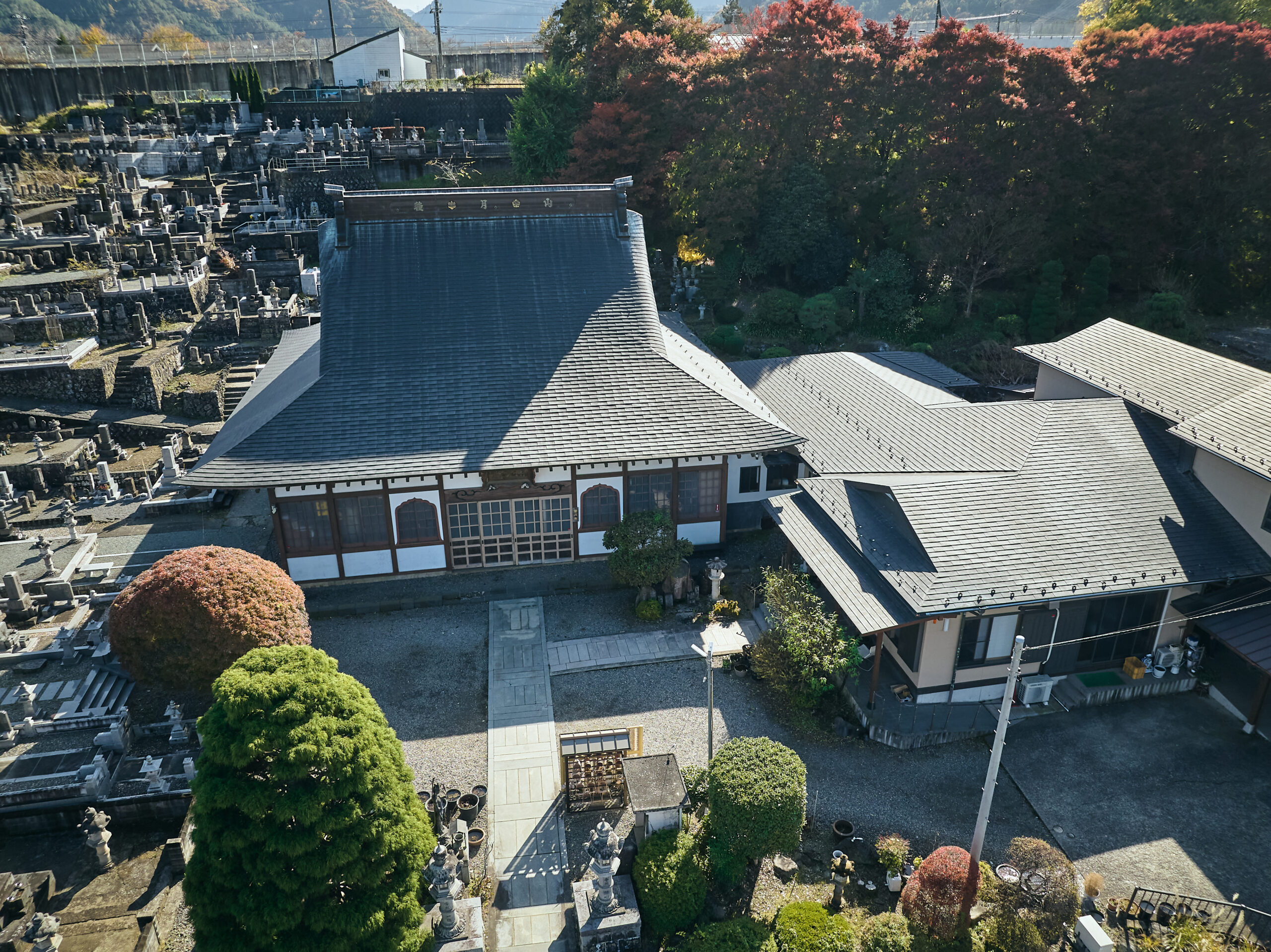 After seeing Fuji’s landscapes, some travelers wish to explore its inner meaning.
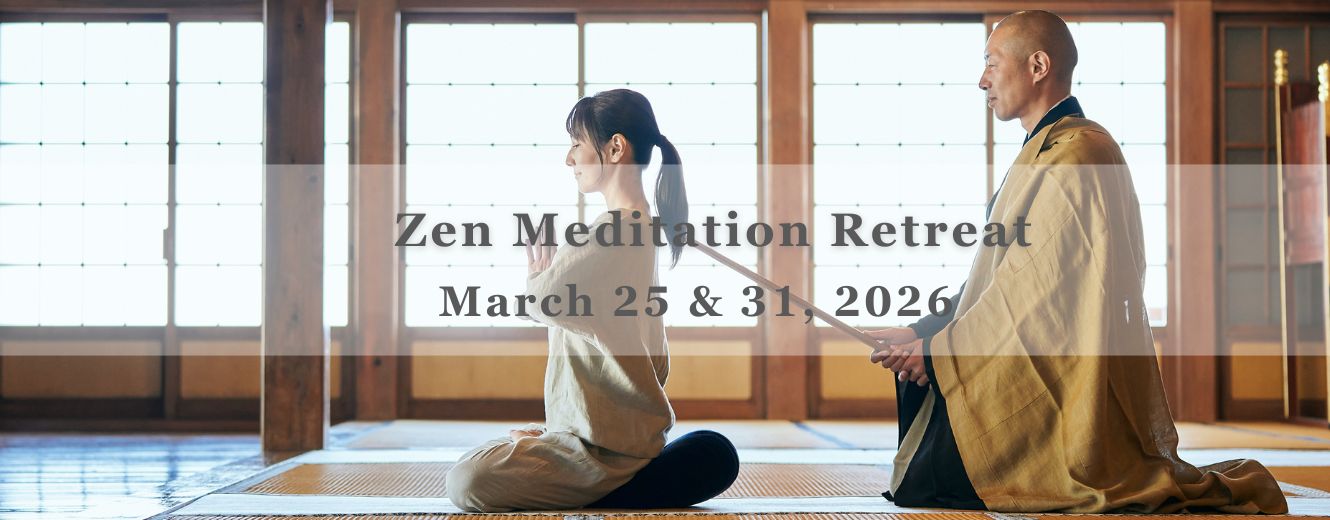
At Koun-in Temple in Tsuru City, founded in 1398, we welcome visitors to experience Zen in an intimate, family-like setting.
👉 Visit the official page: Koun-in Temple Zen Retreat
Cultural Program
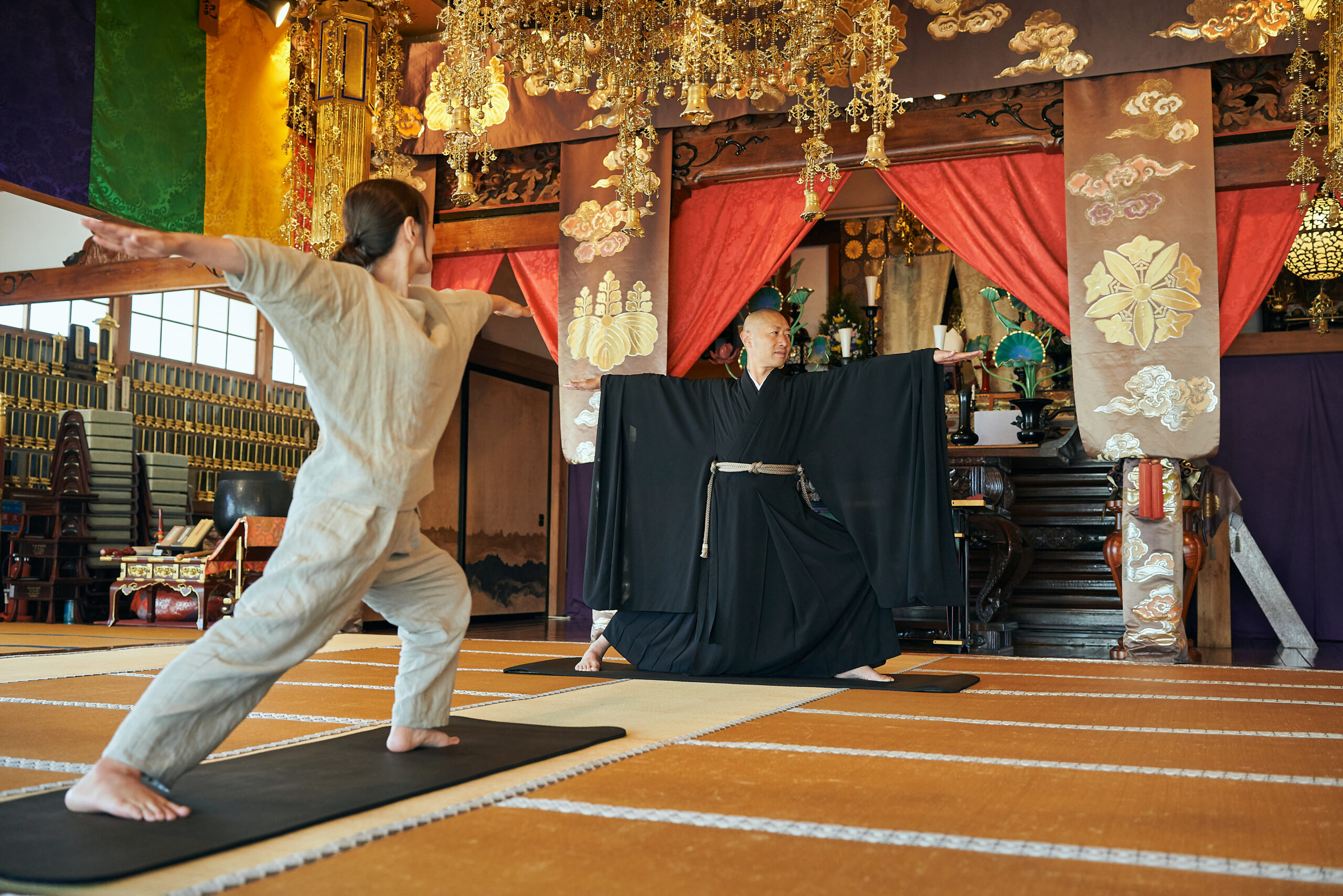
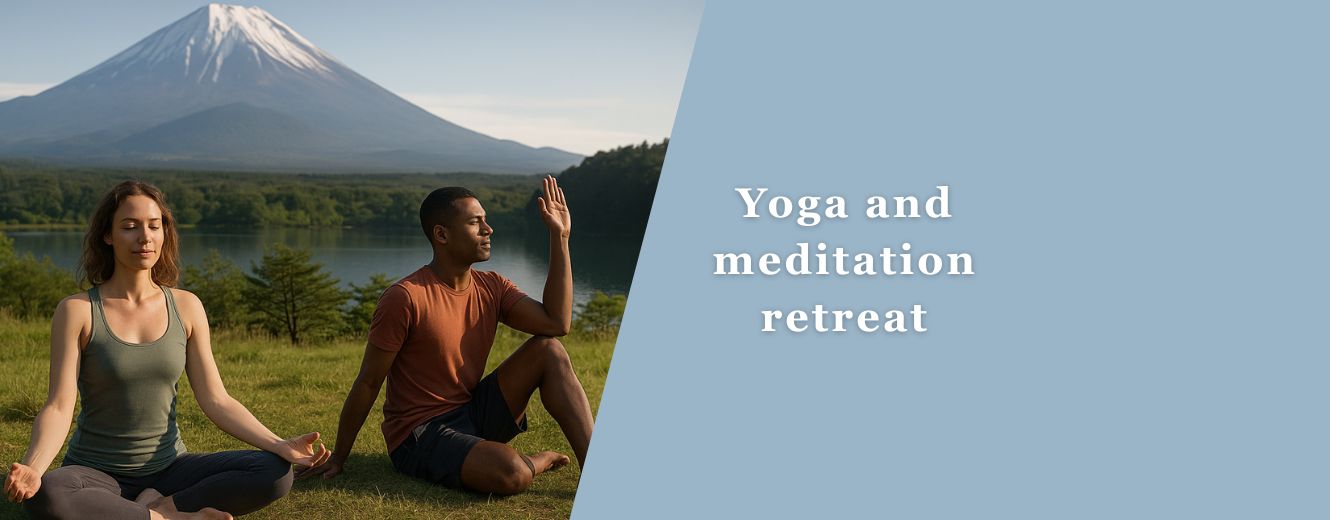
- Yoga: Gentle stretches and sun salutations to harmonize body and breath
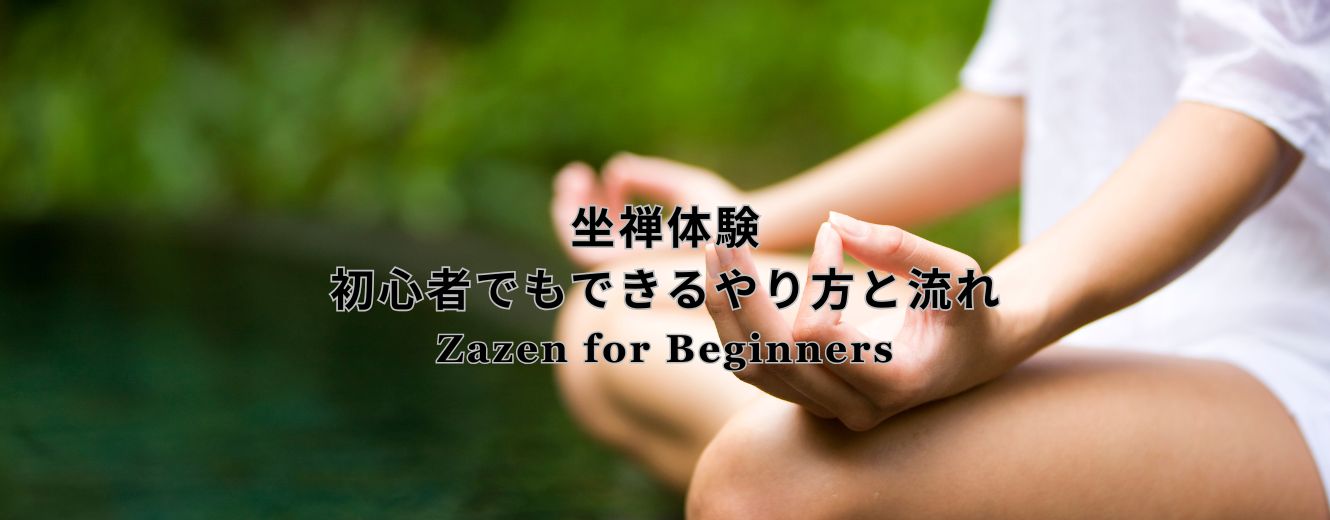
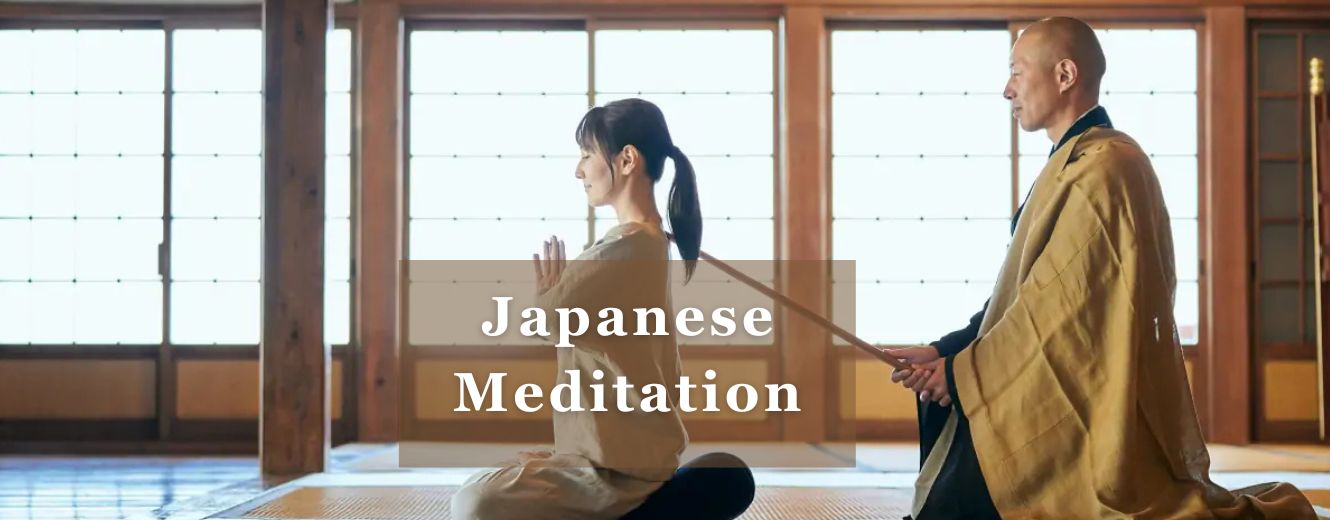
- Zazen: Sitting meditation to calm the mind and let go of thoughts
- Sutra Copying (Shakyo): Writing the Heart Sutra as mindfulness practice
- Shojin Ryori: Seasonal vegetarian temple cuisine, nourishing both body and spirit
Traveler-Friendly Overview
- Duration: 3–4 hours
- Location: Tsuru City, Yamanashi (near Mt. Fuji)
- Fee: ¥10,000–¥15,000
- Access: 90 min from Shinjuku, 35 min from Lake Kawaguchi, 8 min walk from Higashikatsura Station
Sample Flow
- Welcome and gentle zazen instruction in a tatami hall
- Light yoga and stretching
- Optional sutra copying
- Short Dharma talk (English available)
- Shojin ryori option — mindful meal with local ingredients
A Personal Note — From the Vice Abbot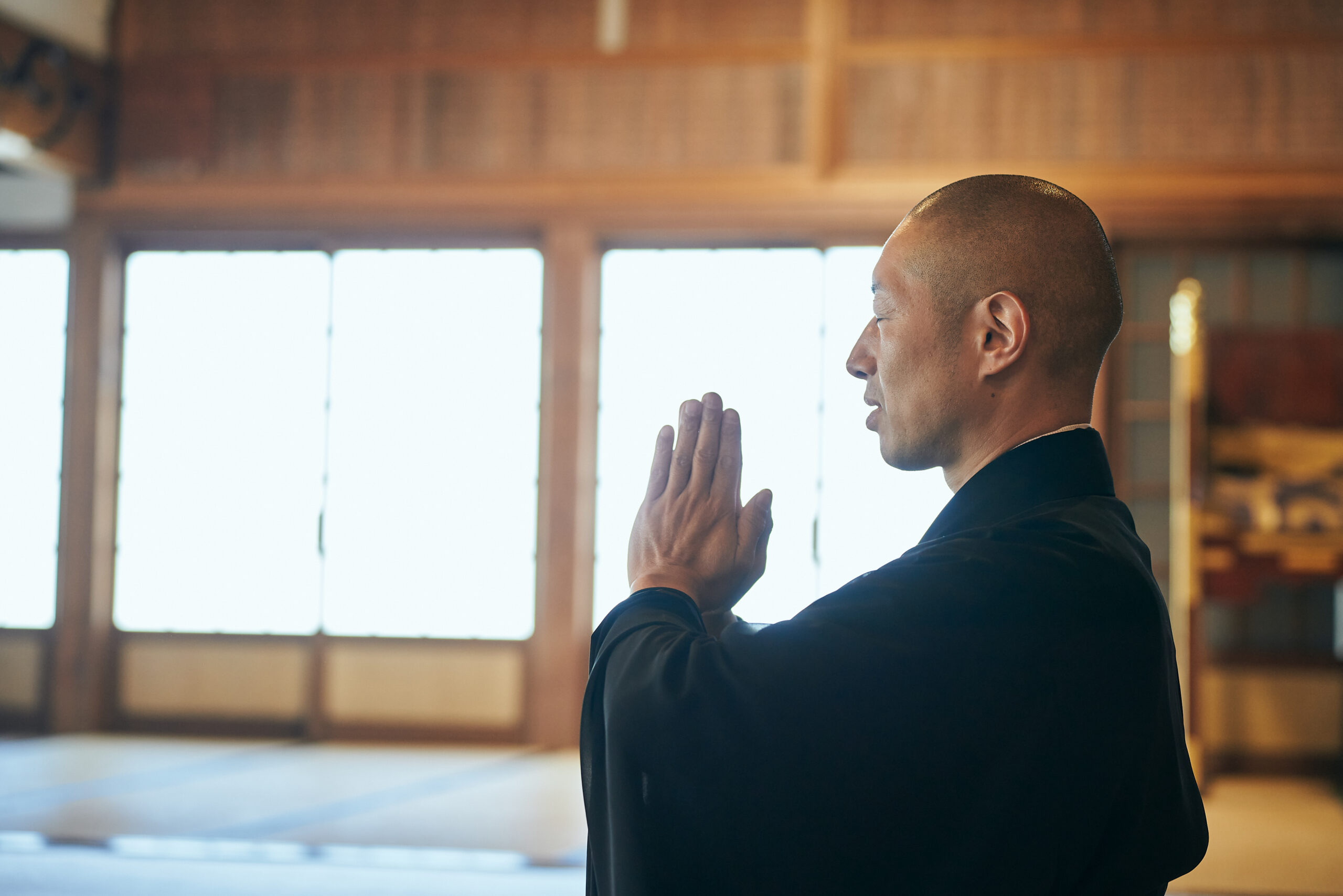
Hello, my name is Chiken Kawaguchi, and I serve as the Vice Abbot of Koun-in Temple in Tsuru City, Yamanashi.
Although I was born into a temple that has existed since the Muromachi period, I once strongly resisted following this path.
During my university years in Tokyo, I was absorbed in fashion and even took up surfing, longing for the ocean as someone who had only known the mountains of Yamanashi. My life was far removed from the world of Zen.
However, feeling a lack of clear purpose and a desire to truly understand myself, I decided to face the path I had avoided.
After graduating from university, I entered Eiheiji, the head temple of the Soto Zen school, for four years of rigorous training.
The life there was a stark contrast to my previous one—waking at 3:30 a.m. for zazen (meditation), with no access to phones or television, and every action, from meals to cleaning, governed by strict rules.
Initially, I disliked zazen. Yet, through the continuous practice of just sitting, known as shikantaza, I gradually found moments when my feelings of like and dislike simply fell away.
This is a state Zen calls “ryobo,” or forgetting duality.
It was through this experience that I realized the profound peace that comes from letting go of our attachments.
Modern society burdens us with countless roles, endless information, and constant stress, often leaving us feeling overwhelmed.
I believe the wisdom of Zen, especially the practice of “hoge-jaku”—letting go of one’s pride and attachments—can help lighten anyone’s heart today.
Now, I dedicate myself to sharing these teachings in accessible ways.
I host online zazen sessions that connect people from around the world, offer Zen retreats that combine practices like yoga and shojin ryori (Zen vegetarian cuisine), and run a community cafeteria to create a welcoming space for children and local residents.
I also had the unexpected opportunity to co-produce and star in the film Tenzo, which was screened at the Cannes Film Festival, allowing us to share a glimpse of the real-life struggles and questions of modern monks with a global audience.
My hope is that through a retreat experience at Koun-in, you too can restore balance to your body and mind, and rediscover the quiet happiness that exists in daily life.
FAQ — About Koun-in Temple Zen Meditation Retreat
Can I join alone?
Yes, absolutely. Solo participants are warmly welcome, and beginners can also feel at ease.
How long is the program?
About 3–4 hours. It is easy to join even during your travels.
Is English guidance available?
Yes. Simple English guidance is available.
Is shojin ryori included?
It depends on the plan. With the meal option, you can experience mindful eating.
Is it suitable for beginners?
Of course. All that is needed is simply “to be present in the moment.”
Do I need to bring anything?
No special preparation is required. Comfortable clothing is enough.
How do I book?
Please make a reservation in advance through our contact form.
Voices From Participants — Zen Retreat Experiences in Japan
—“The meditation retreat in Japan was the highlight of my trip. Sitting quietly near Mt. Fuji gave me peace I had never felt before.”
—“More than sightseeing — it felt like stepping into the living spirit of Japanese culture.”
—“The combination of yoga and zazen was unforgettable. It helped me experience mindfulness in a new way.”
—“We joined as a couple, and sutra copying and temple food made the retreat uniquely Japanese.”
—“As a senior traveler, I felt supported. Yoga prepared my body, and meditation gave me renewed energy.”
—“As a yoga practitioner, the blend of movement and stillness in an authentic Zen setting was powerful.”
Conclusion
There are countless things to do in Mt. Fuji — from family-friendly walks and photo spots to summit climbs and cultural retreats.
Yet beyond the activities, Fuji invites us to pause, breathe, and rediscover clarity.
At Koun-in Temple, just off the historic Fuji road, we extend that invitation further inward.
Even a few hours here can transform a trip from seeing Mt. Fuji to truly feeling it.
This Mt. Fuji travel guide shows how Mt. Fuji activities go beyond sightseeing — they offer both outer adventures and inner peace.