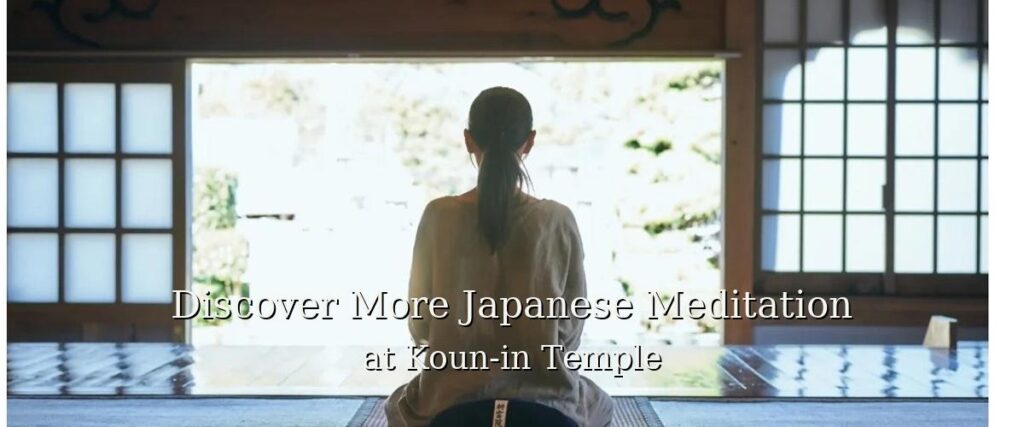
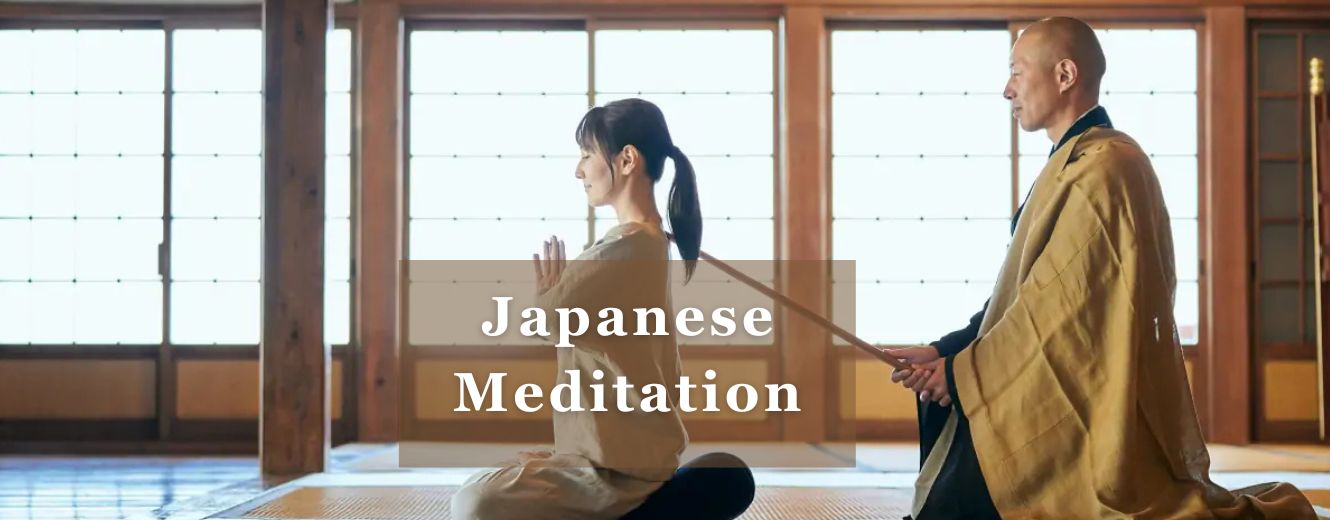
Japanese Meditation — Discover Zen in Japanese Culture
Introduction
Japanese meditation is more than a way to relax the mind—it is a living tradition that reflects the spirit of Zen. For centuries, Zen Buddhism has influenced Japan’s philosophy, art, gardens, and daily culture. To understand what makes Japanese meditation unique, it is essential to look back at how Zen first arrived in Japan and grew into a practice that continues to inspire both travelers and learners today.
History of Japanese Meditation in Zen Culture
The History of Japanese Meditation
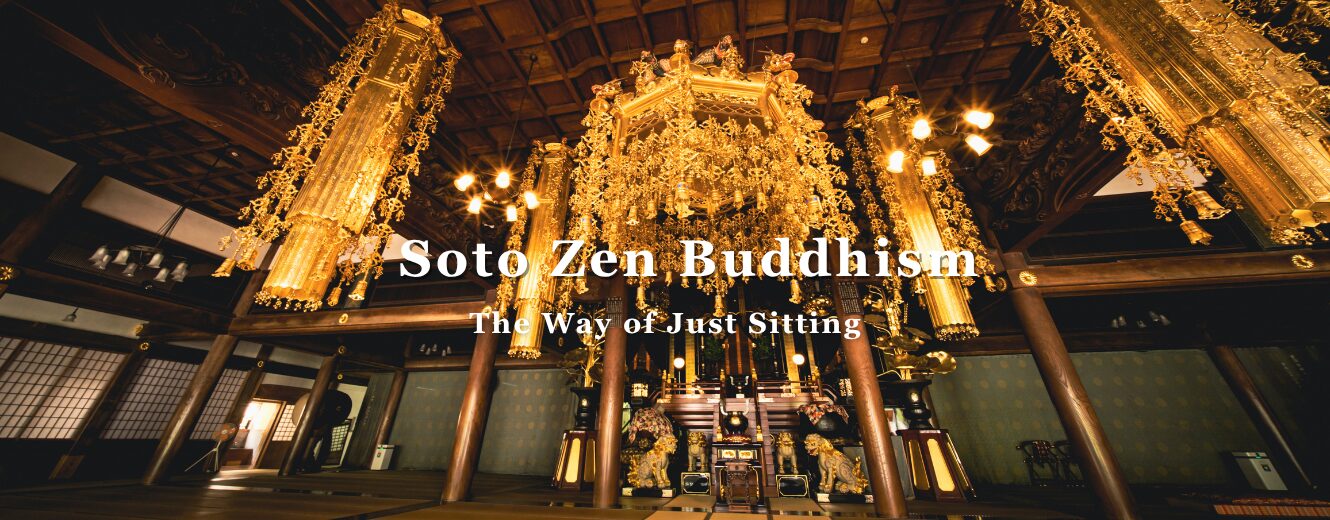
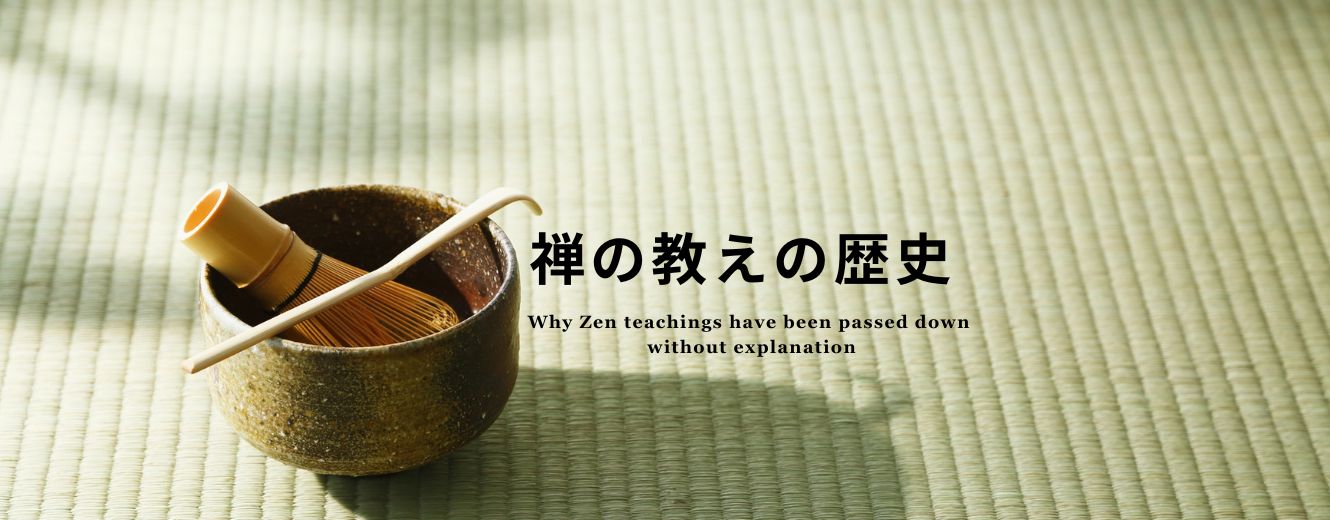
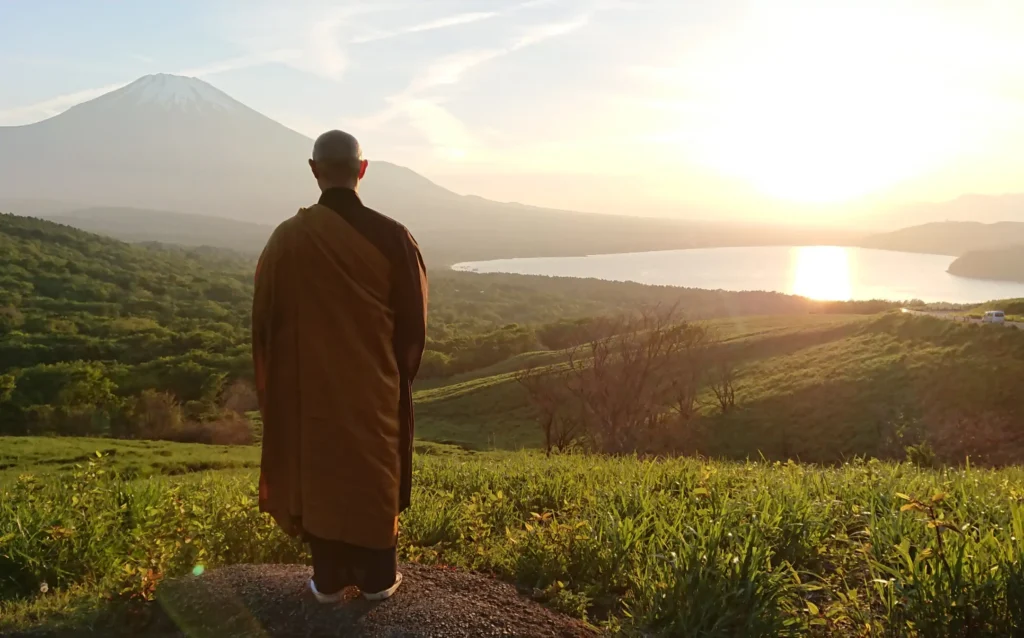
Zen Buddhism arrived in Japan from China in the 13th century and soon developed into uniquely Japanese forms. In particular, Soto Zen emphasized direct experience over theory or scripture. For more than 800 years, the practice of Zazen (seated meditation) and mindful daily living has been passed from master to disciple.
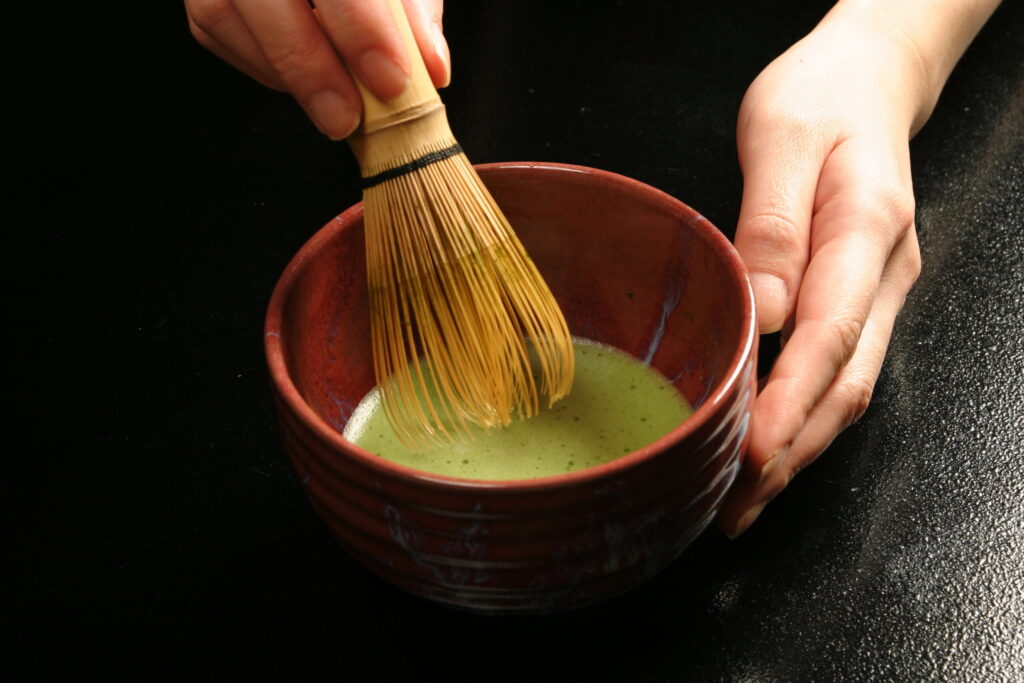
The spirit of Zen is still alive today in tea ceremony, calligraphy, garden design, and even in the rituals of daily life.
How to Practice Japanese Meditation (Zazen, Kinhin, Daily Life)
Zen meditation can be found not only in monasteries but also in the ordinary actions of daily life.
-
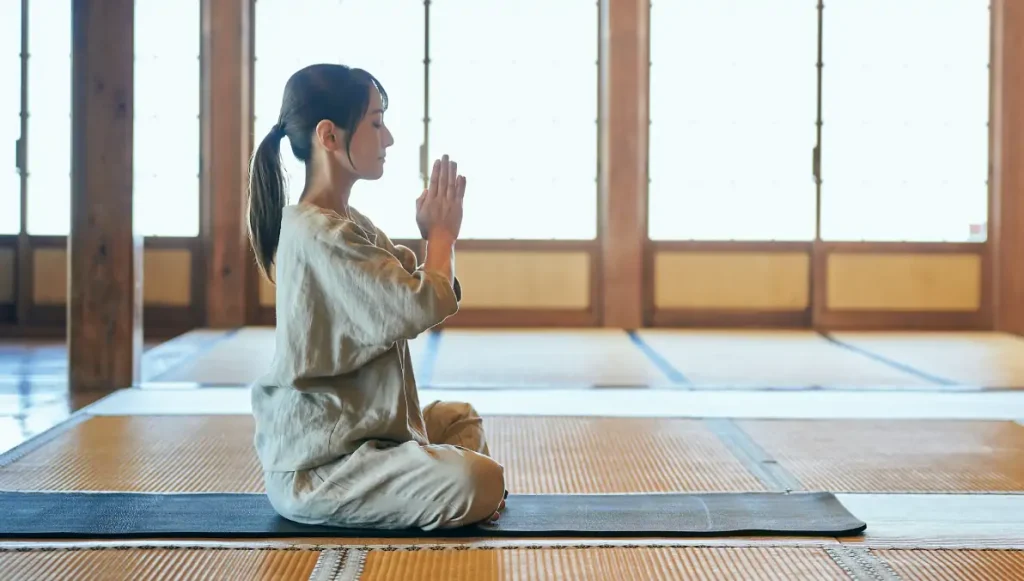
Zazen (Seated Meditation)
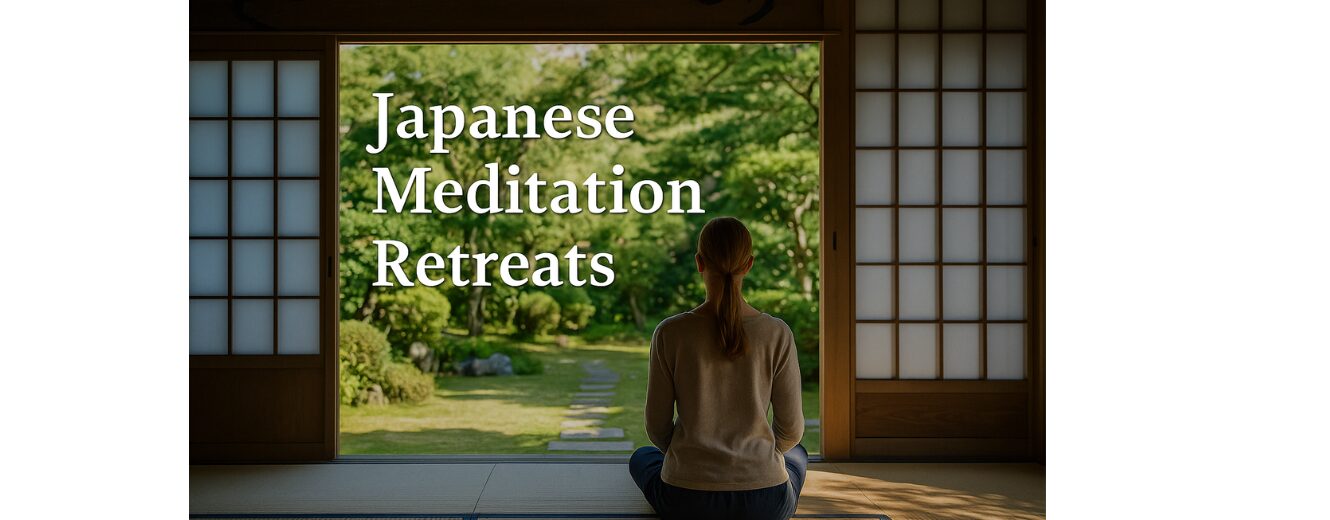
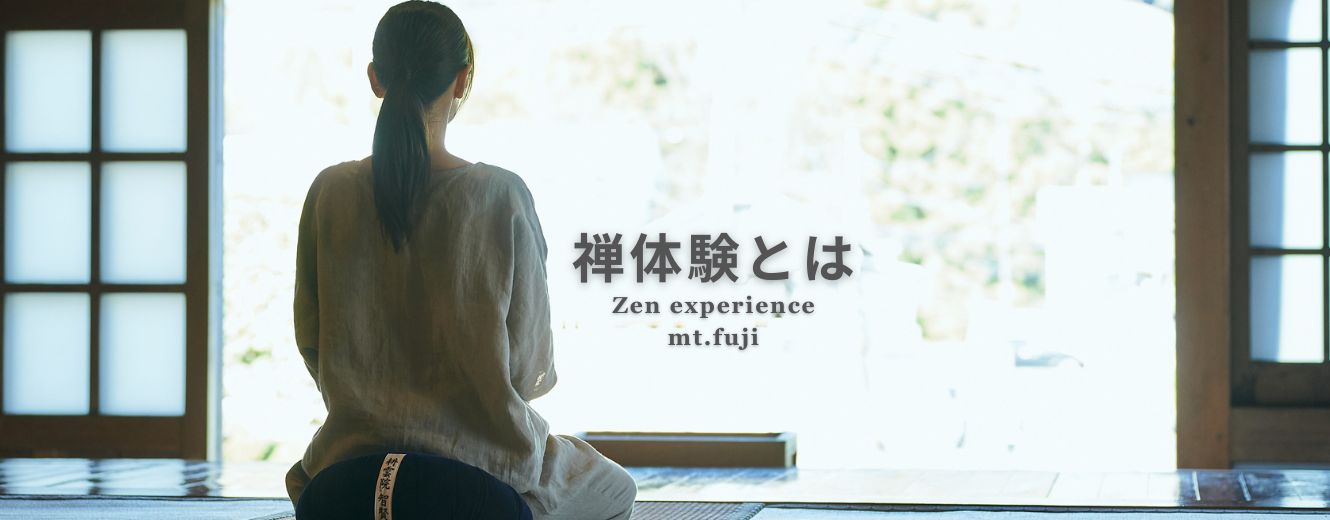
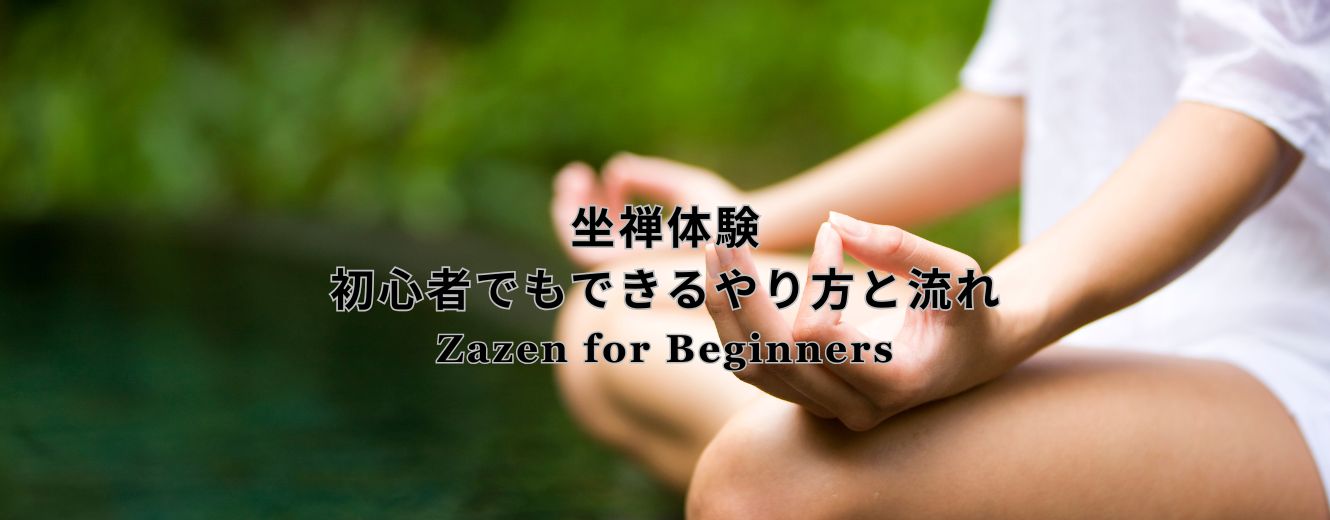
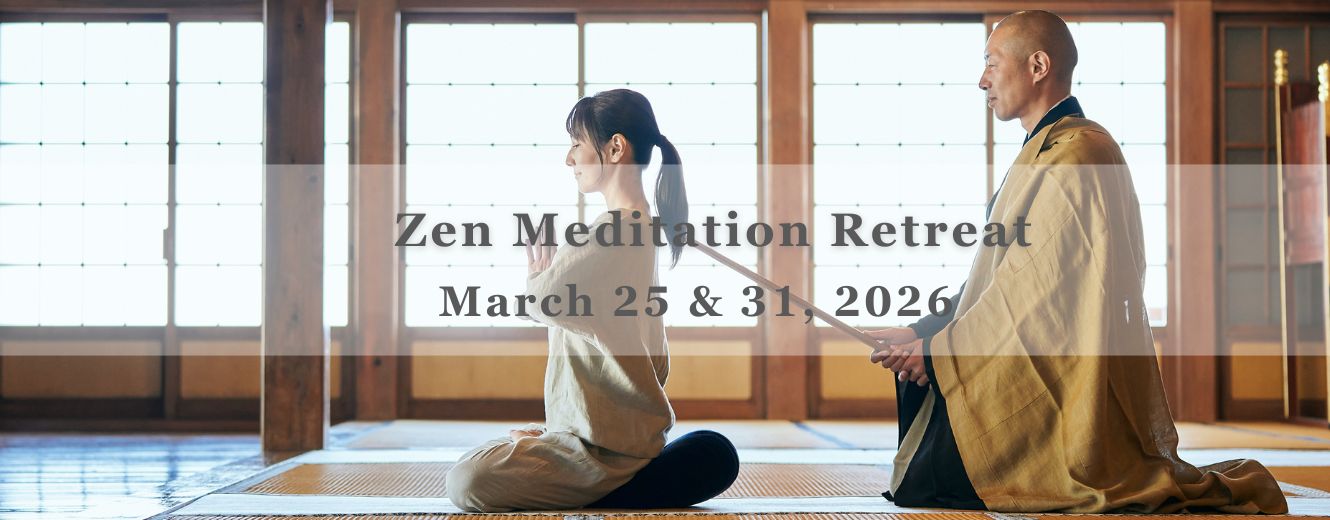
Sit upright, breathe naturally, and let thoughts pass like drifting clouds. The purpose is simply to sit.
-
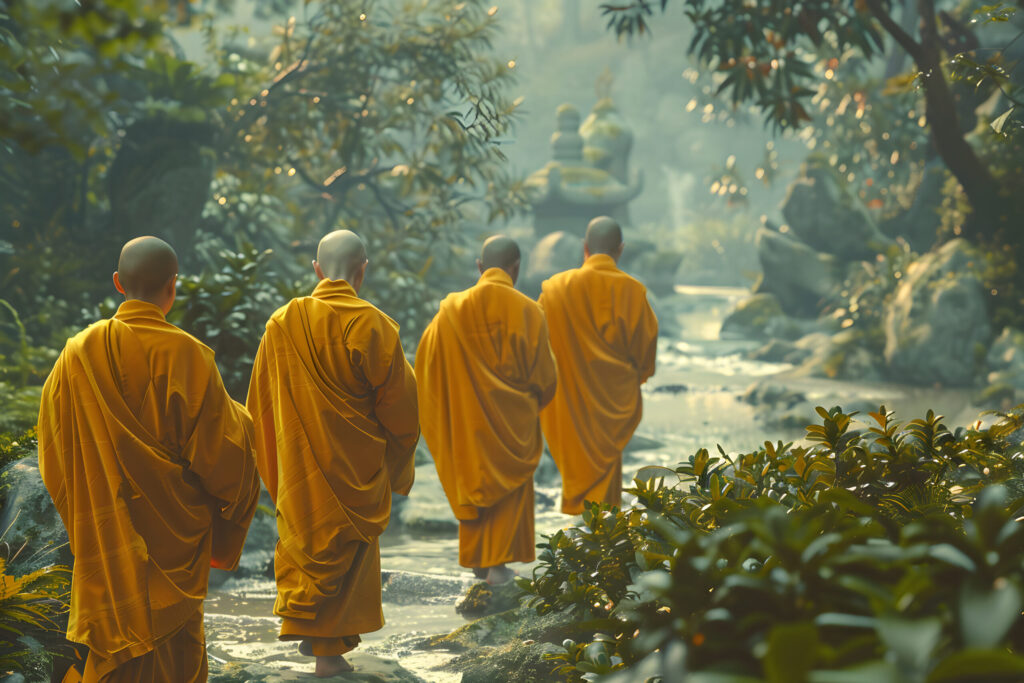
Kinhin (Walking Meditation)
Walk slowly and deliberately, each step grounding you to the earth.
-
Daily-life practice
Sweeping the floor, preparing tea, or eating rice—each act can become a gateway to awareness.
Japanese Meditation and Mindfulness: Key Differences
In recent years, mindfulness meditation has become popular worldwide, often practiced for stress relief, focus, or mental health. It usually involves observing the breath or sensations to return awareness to the present moment.
Japanese Zen meditation, however, has a different origin and purpose. Rooted in Buddhist philosophy, it does not aim at self-improvement alone, but at going beyond the self and experiencing reality as it truly is.
While mindfulness is often applied as a secular and scientific practice, Zen meditation sees everyday life itself—eating, cleaning, working—as opportunities for awakening.
The Value of Zen Meditation in Japan
Under the guidance of a real Zen priest, you may discover a rare silence that connects you to nature and to yourself. It is more than sightseeing—it is a moment of awakening.
Japanese Meditation & Zen Retreat Program at Koun-in Temple, Mt. Fuji
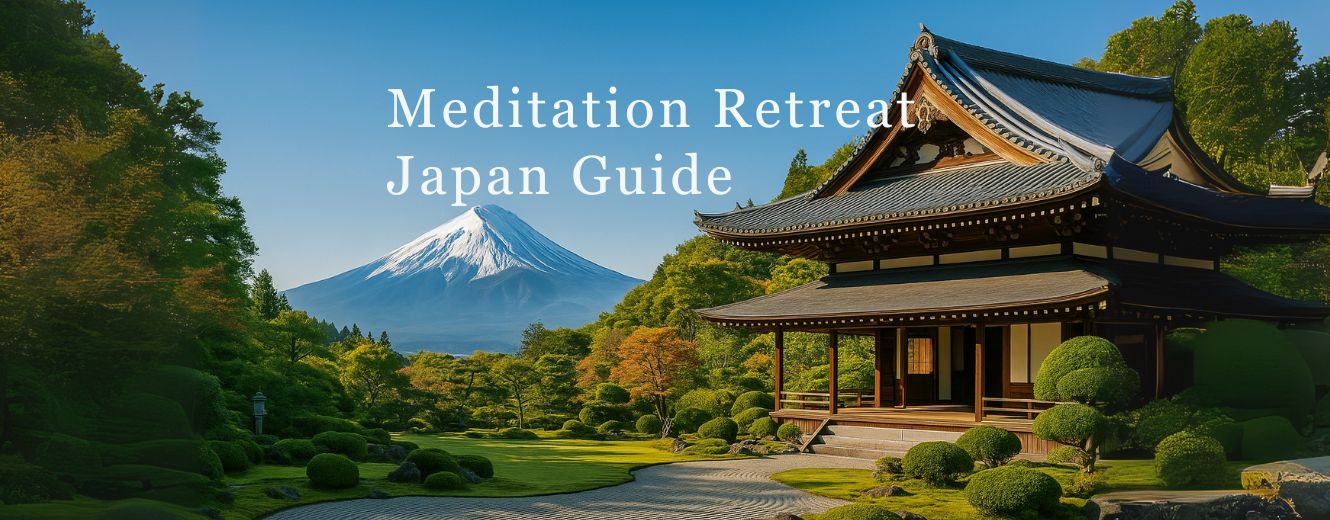
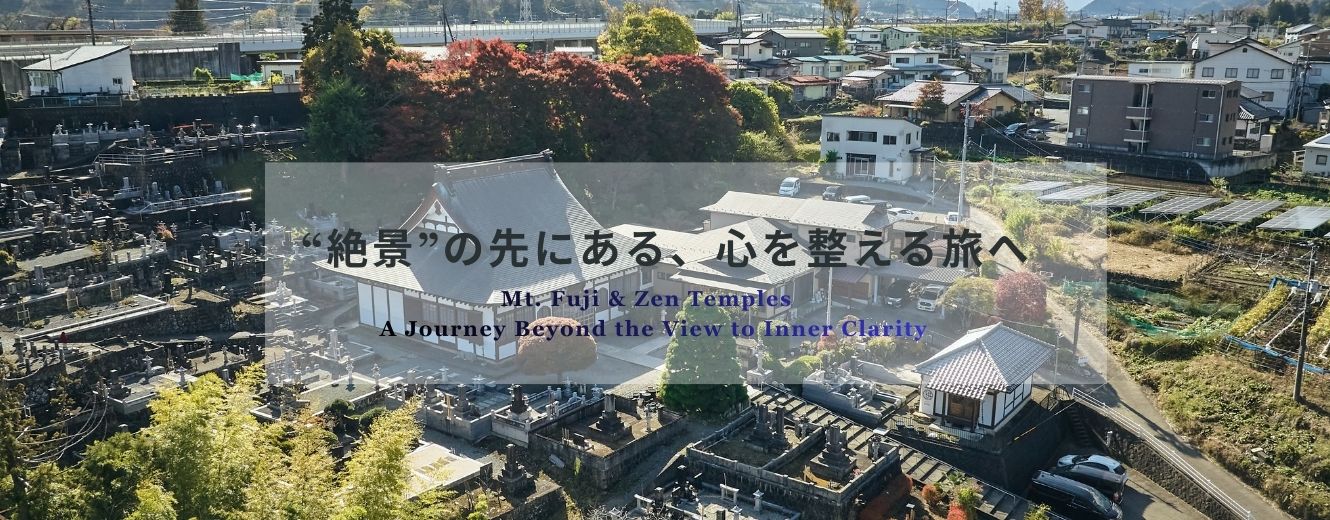
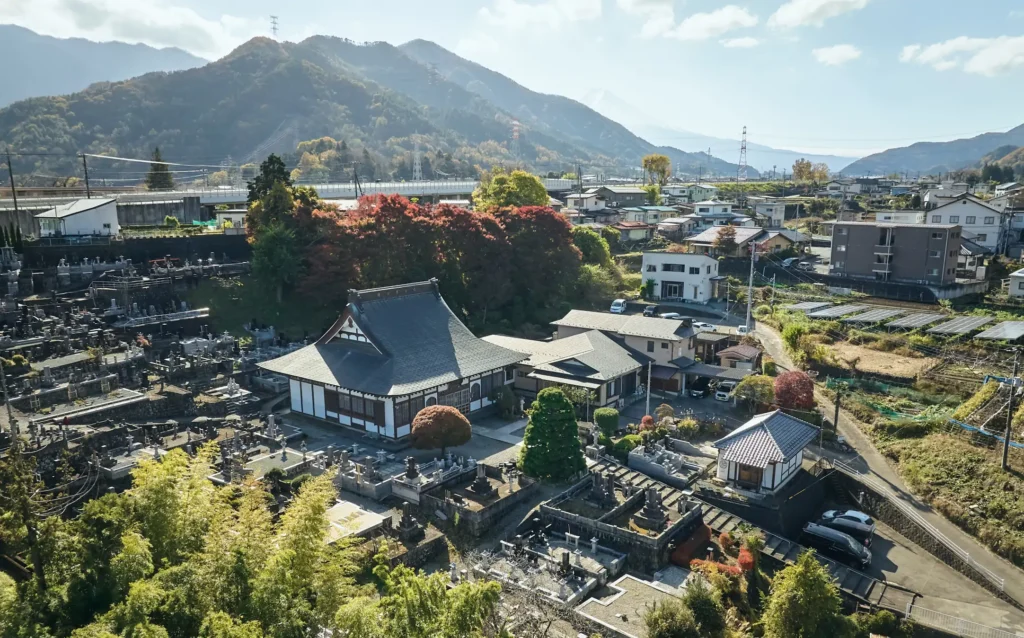
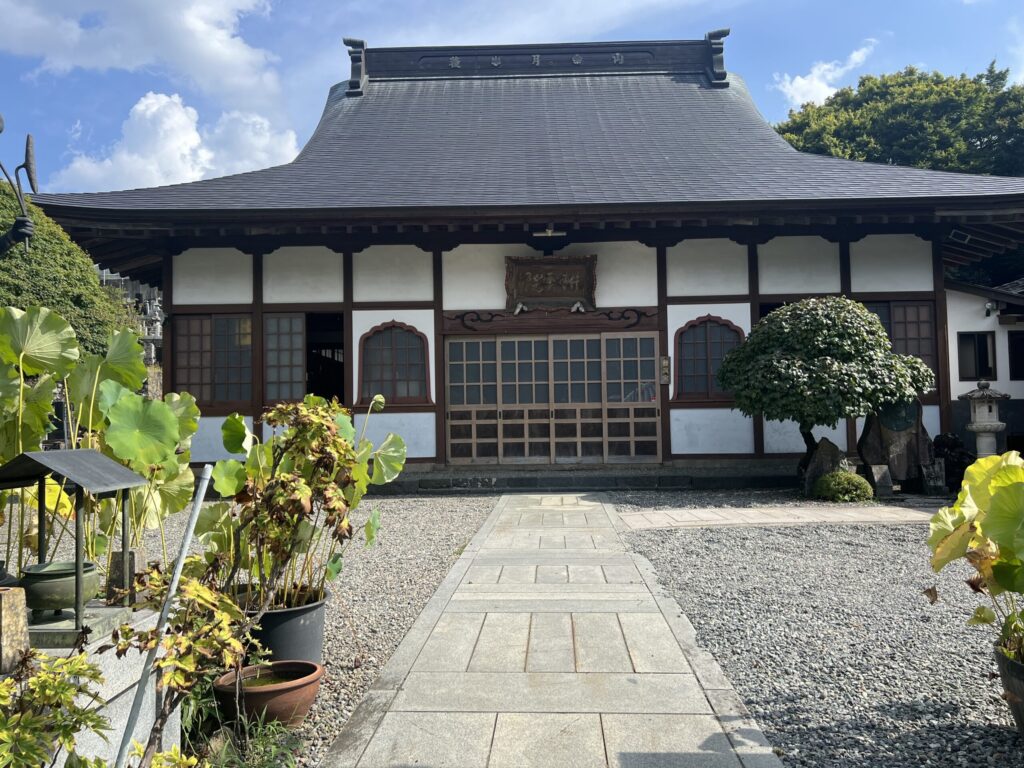
At Koun-in Temple, located in the foothills of Mt. Fuji, we offer a 3–4 hour program designed for travelers who want to experience Zen in a way that is both authentic and approachable.
-
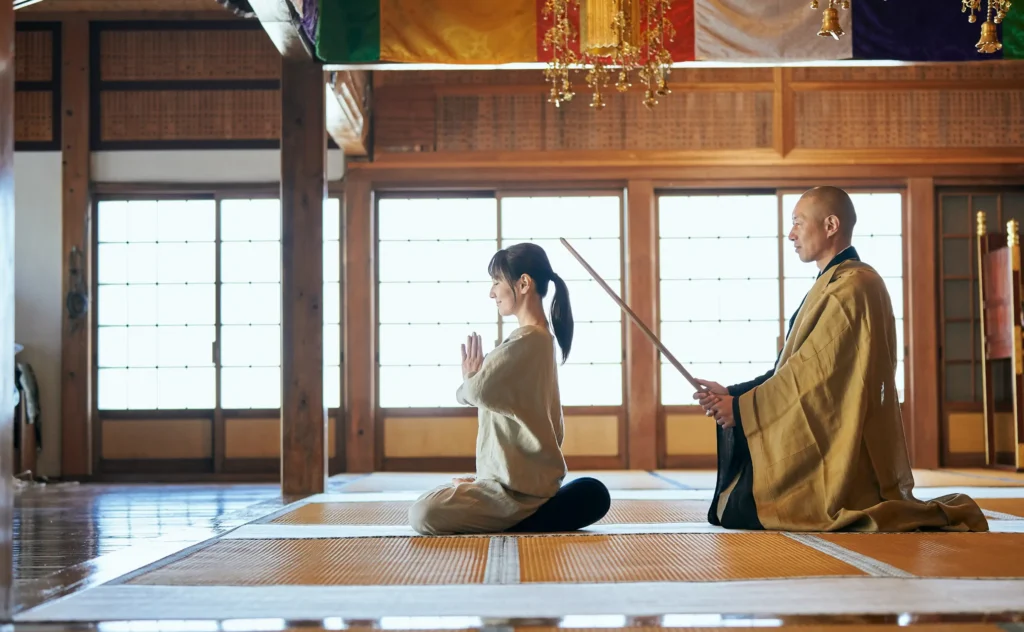
Zazen (seated meditation)
Guided directly by Rev. Chiken Kawaguchi, a Zen priest and film actor featured at the Cannes Film Festival.
-
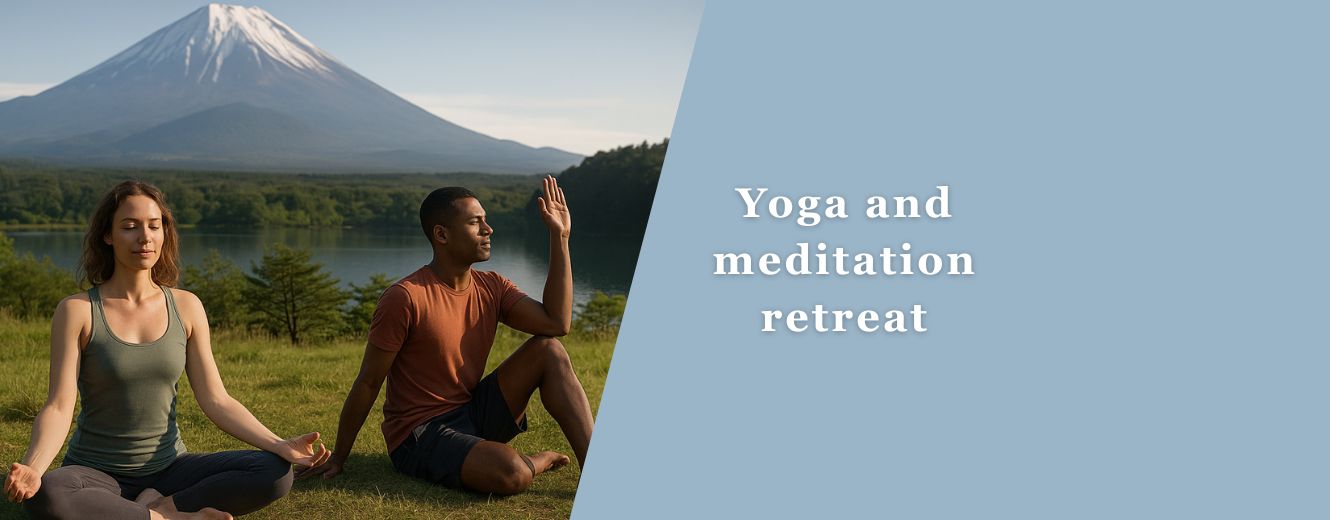
Gentle yoga
To loosen the body, blending Eastern traditions of movement and stillness.
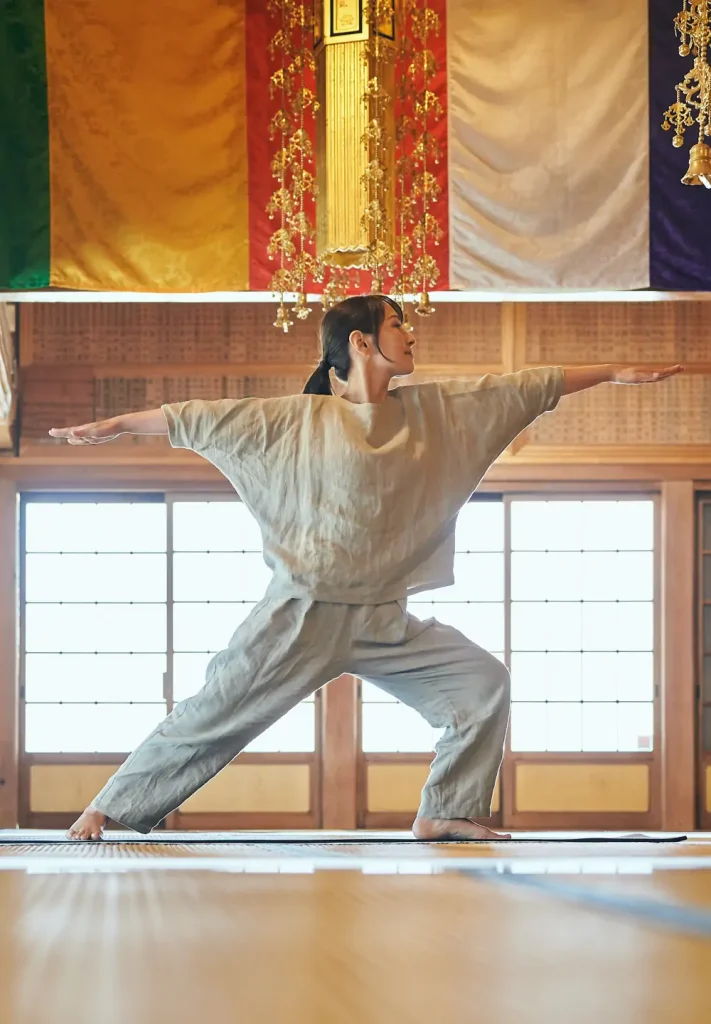
Gentle yoga prepares the body for Zen meditation, making the retreat experience more accessible.
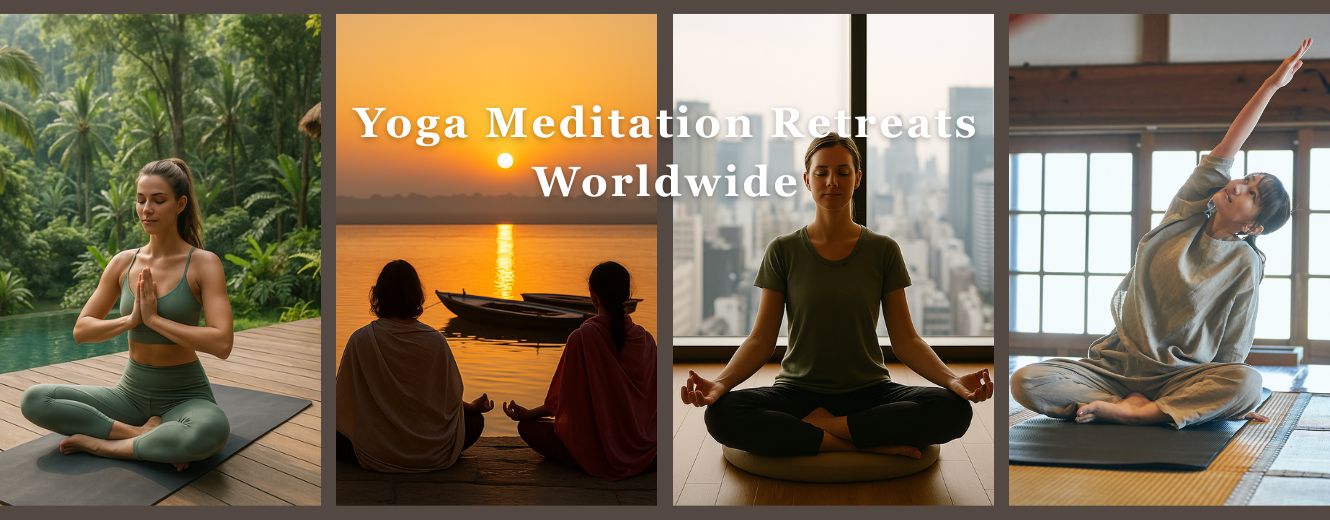
For a broader look at how yoga and meditation retreats are offered worldwide, see our guide: Yoga Meditation Retreats Worldwide | Unique Zen Retreat in Japan.
-
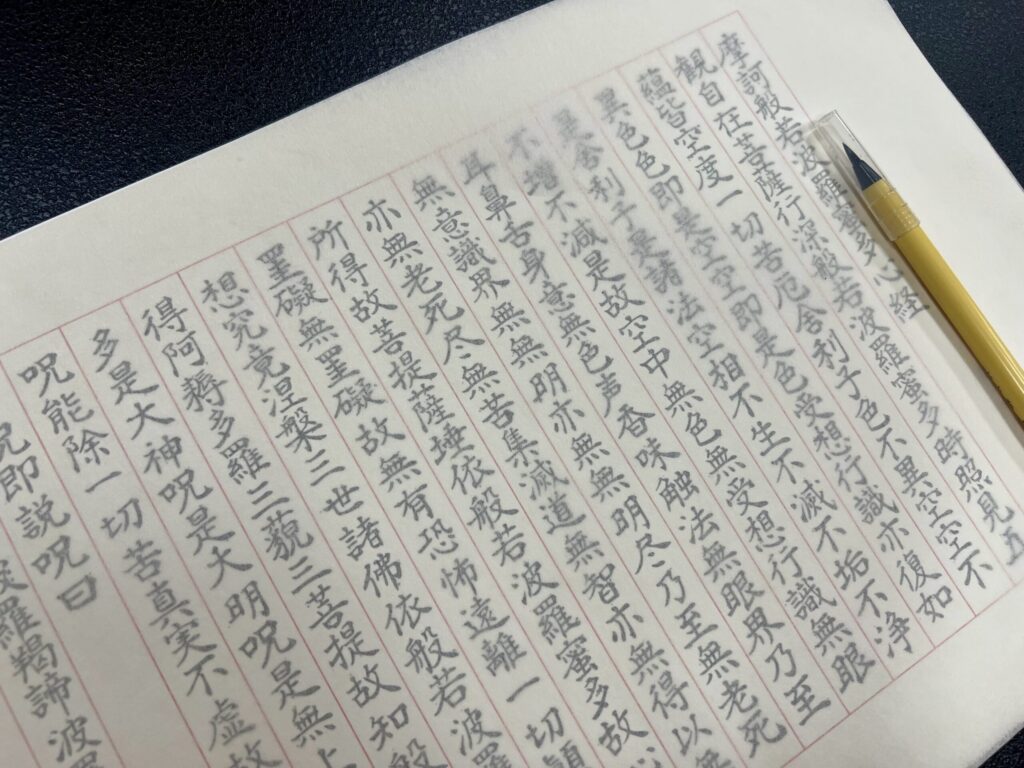
Sutra copying
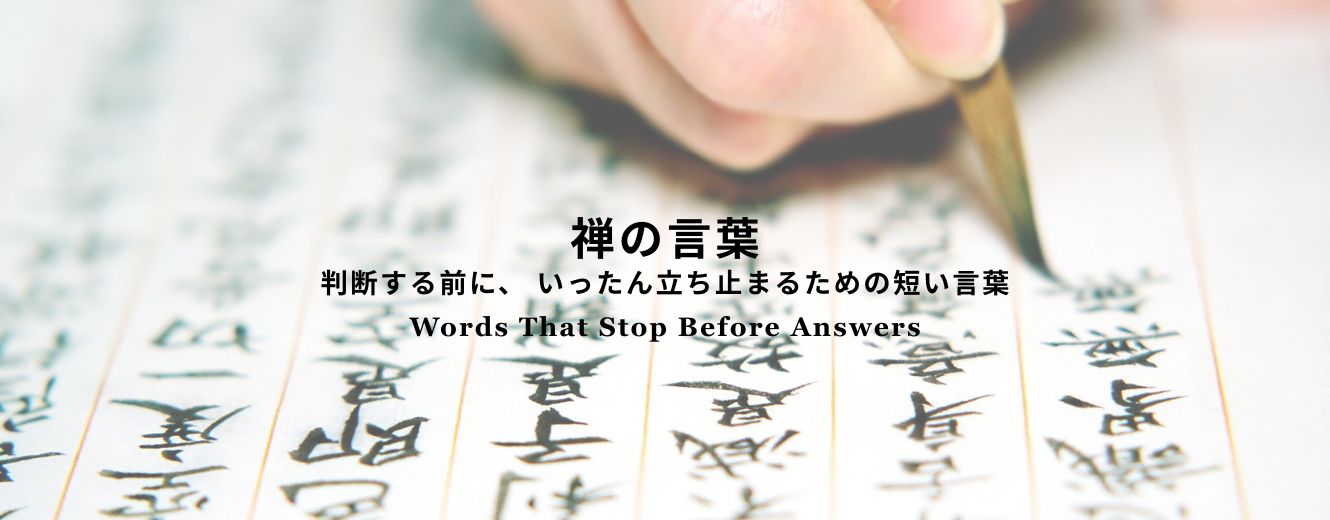
With brush and ink, a meditative practice that connects you to centuries of Zen culture.
-
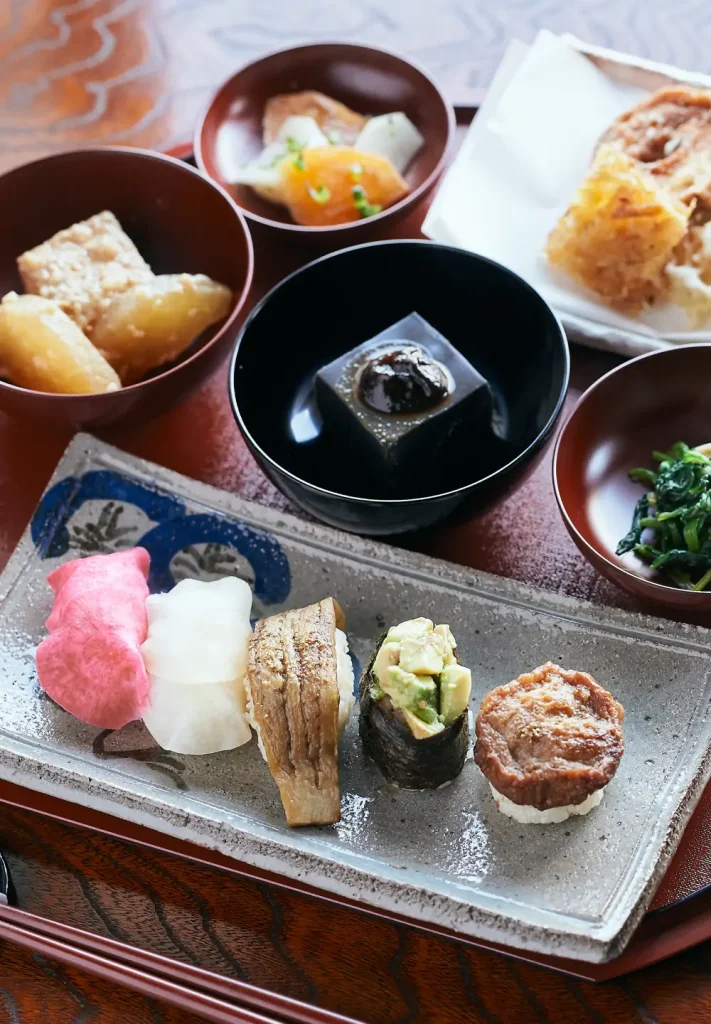
Shojin ryori (vegetarian temple food)
A simple bowl of vegetarian temple cuisine, experienced as mindful eating rather than just a meal.
Unlike typical temple programs that can feel formal or intimidating, Koun-in Temple welcomes travelers with a home-like and friendly atmosphere. Just 90 minutes from Tokyo, it offers rare access to a genuine temple retreat without requiring overnight stays.
These are not tourist attractions. They are doors. Step through them, and you will touch the depth of Japanese meditation—where spirituality, culture, and everyday life meet.
About Me – Rev. Chiken Kawaguchi
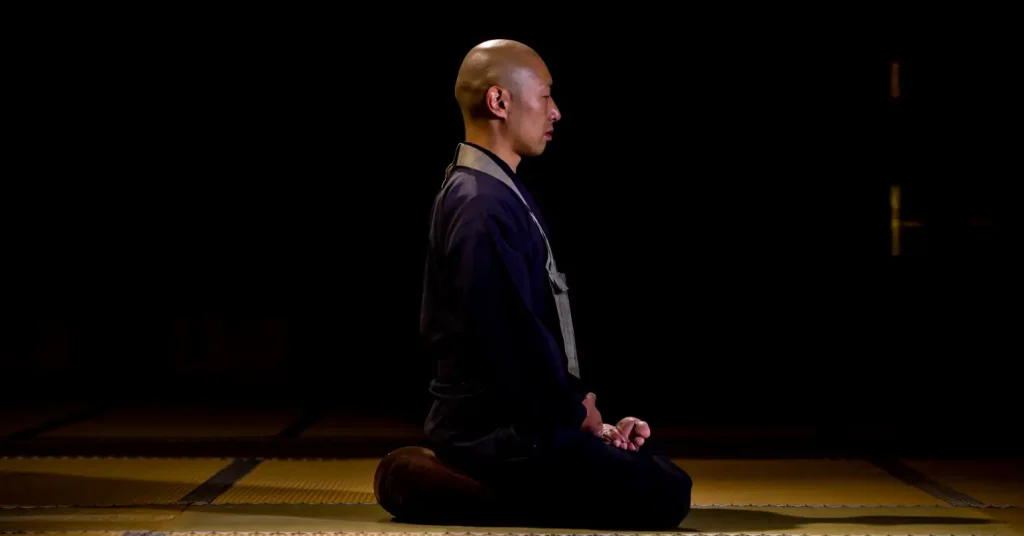
My name is Chiken Kawaguchi, Vice Head Priest of Koun-in Temple in Tsuru City, Yamanashi Prefecture. I trained at Eiheiji, the head temple of Soto Zen, where I learned the traditions of our lineage through years of practice.
In addition to temple life, I once stepped into the world of film. I appeared as the lead in the documentary TENZO, which was invited to the Cannes Film Festival and recognized at film festivals worldwide. That experience allowed me to share the spirit of Zen not only within the temple walls but also through the medium of art and culture.
Here at Koun-in Temple, I personally guide visitors through Zazen, sutra copying, yoga, and mindful eating. I believe Zen should not feel intimidating—it should be something approachable and welcoming. That is why I also engage in community activities such as children’s cafeterias, online Zazen gatherings, and collaborations with yoga teachers and local groups, to explore how Zen can be lived in daily life.
It is my joy to welcome travelers from around the world to this temple at the foot of Mt. Fuji. Through meditation and simple practice, I hope to share with you an experience that is at once profound and accessible, where spirituality, culture, and everyday life naturally come together.
Profile last verified: Sep. 16, 2025
Contact:https://otelab.biz/contact/
The Temple Environment near Mt. Fuji – Living Zen
The temple itself is a teacher.
- In spring, cherry blossoms bloom.
- In summer, cicadas sing.
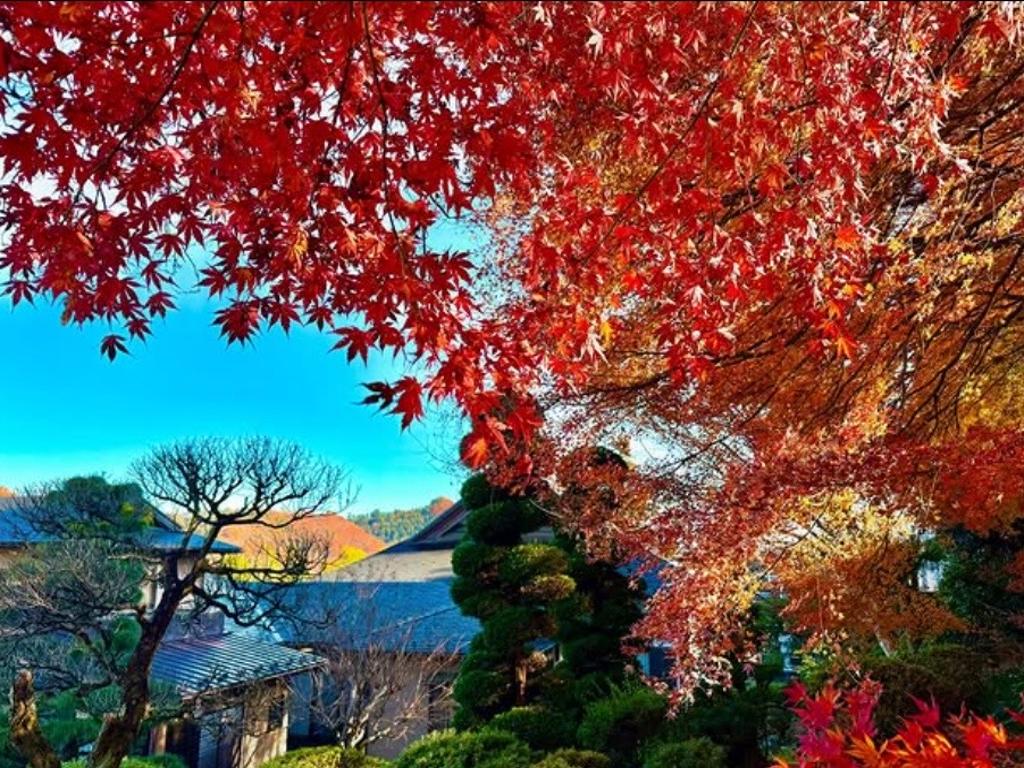
- In autumn, red leaves scatter.
- In winter, silence deepens with snow.
Each season embodies impermanence (mujo). When you sit here, you sit with generations of monks who came before you.
Benefits of Zen Meditation for Travelers in Japan
Even a short meditation at Koun-in Temple may give you:
- A calm heart in the midst of a busy journey
- A memory beyond sightseeing
- A glimpse into Zen philosophy and Japanese aesthetics
- A living connection to Japanese tradition
Practical Information for Visitors
-
- Duration: 3–4 hours (depending on the program)
- Language: English guidance available
- Clothing: Comfortable attire recommended
- Experience: Beginners welcome; no prior meditation required
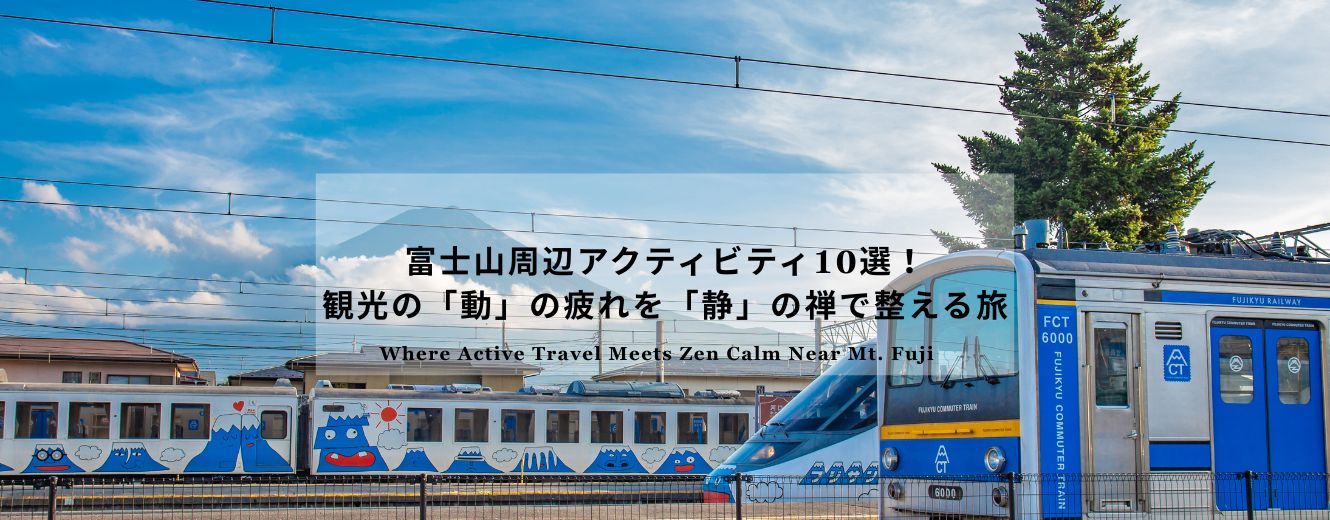
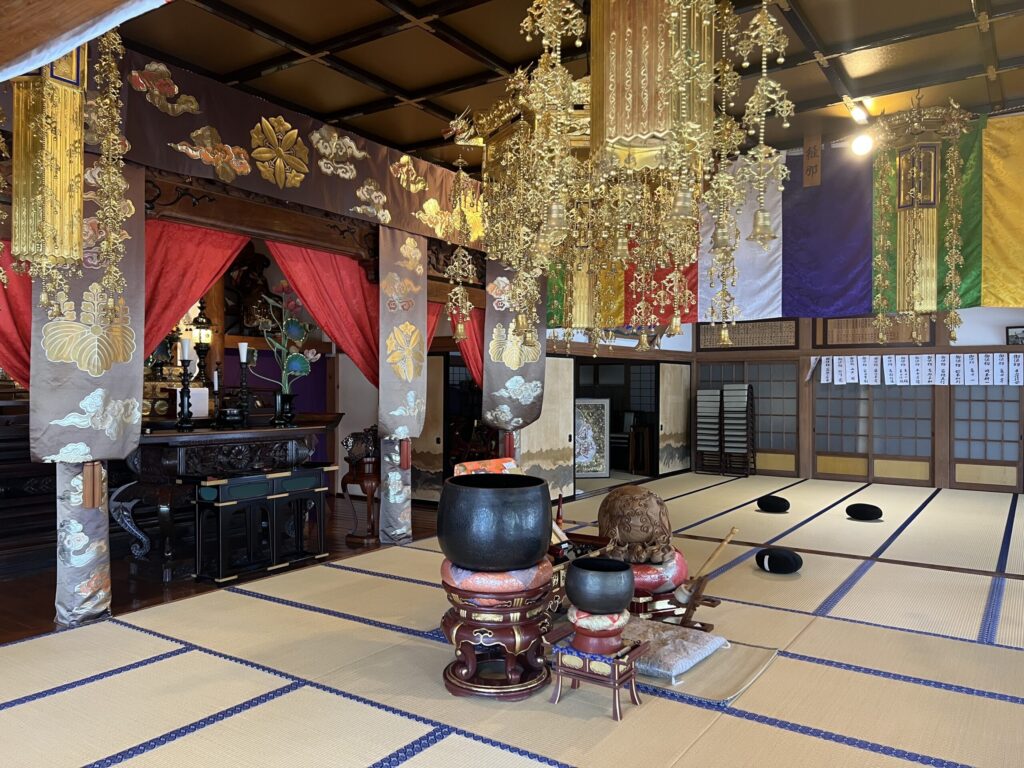
- Access: 90 minutes from Tokyo (JR Shinjuku Station), 35 minutes from Lake Kawaguchi (Fujikyu Railway Kawaguchiko Station), 8 minutes on foot from Higashikatsura Station (Fujikyu Railway)
- Reservation: Advance booking required
- Duration: 3–4 hours (depending on the program)
Voices from Visitors
—“More than sightseeing—it felt like stepping into the living spirit of Japan. This Japanese meditation retreat helped me connect with the culture in a deeper way.”
—“As a university student interested in mindfulness, I found Japanese meditation here both welcoming and profound. The combination of Zazen and temple food was unforgettable.”
—“We joined as a couple and found the retreat deeply calming. The sutra copying was a unique way to connect with Zen philosophy and Japanese meditation traditions.”
—“Even as a senior traveler, I felt supported throughout the program. Practicing Japanese meditation through yoga and Zazen gave me both calmness and renewed energy.”
—“As a yoga practitioner, I was fascinated to experience Japanese meditation in its authentic Zen setting. The blend of mindful movement and stillness was inspiring.”
FAQ
- What is Japanese meditation?
It is the practice of Zen mindfulness, rooted in Soto Zen traditions.
- Where can I experience meditation in Japan?
Koun-in Temple near Mt. Fuji offers authentic retreats guided by a Zen priest.
- Can beginners join?
Yes, everyone is welcome.
- Can I join alone or with family?
Both solo travelers and groups are welcome.
- How long does a Japanese meditation session last?
Most programs at Koun-in Temple last 3–4 hours, including Zazen, yoga, sutra copying, and a temple meal.
- Do I need to bring anything for Japanese meditation?
Comfortable clothing is recommended. Meditation cushions and materials for sutra copying are provided by the temple.
- Is English guidance available?
Yes, English explanations are available so international visitors can fully join the program.
- How do I book a Japanese meditation retreat?
Advance booking is required. Reservations can be made through the temple’s official website.
- Do I need prior experience with yoga or meditation?
No prior experience is needed. The program is designed for beginners as well as experienced practitioners.
- What is Zen meditation?
Zen meditation (Zazen) is the core practice of Japanese meditation, focusing on posture, breath, and awareness.
- Where can I find a temple retreat in Japan?
Koun-in Temple near Mt. Fuji offers an authentic temple retreat, including Zazen, sutra copying, yoga, and temple cuisine.
- What is the difference between Japanese meditation and other types of meditation?
Japanese meditation, rooted in Zen, emphasizes mindfulness in daily actions such as eating, walking, and working, beyond formal seated practice.
Experience Japanese meditation at Koun-in Temple near Mt. Fuji. Beginners welcome, English guidance available, just 90 minutes from Tokyo.