Introduction
We live in an age of abundance—of news, opinions, and notifications. Minds pile up like snow under constant weather.
The reason Zen Buddhism is resonating again is simple: it offers the wisdom of subtraction.
By removing what is unnecessary, we can finally see what truly matters.
Zen sits at the root of modern wellbeing and mindfulness practices.
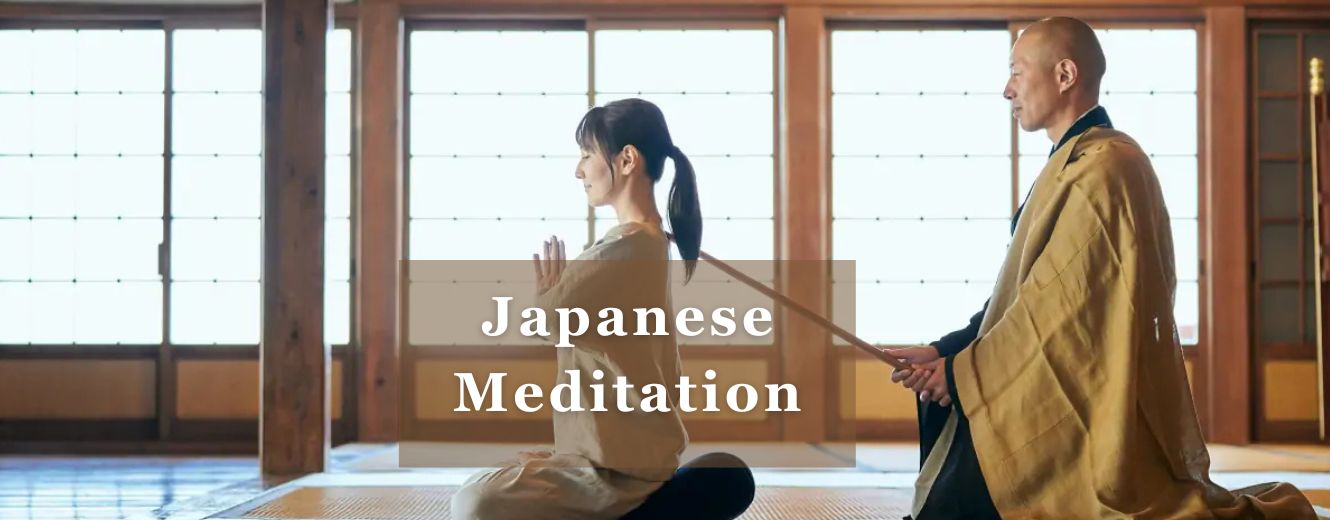
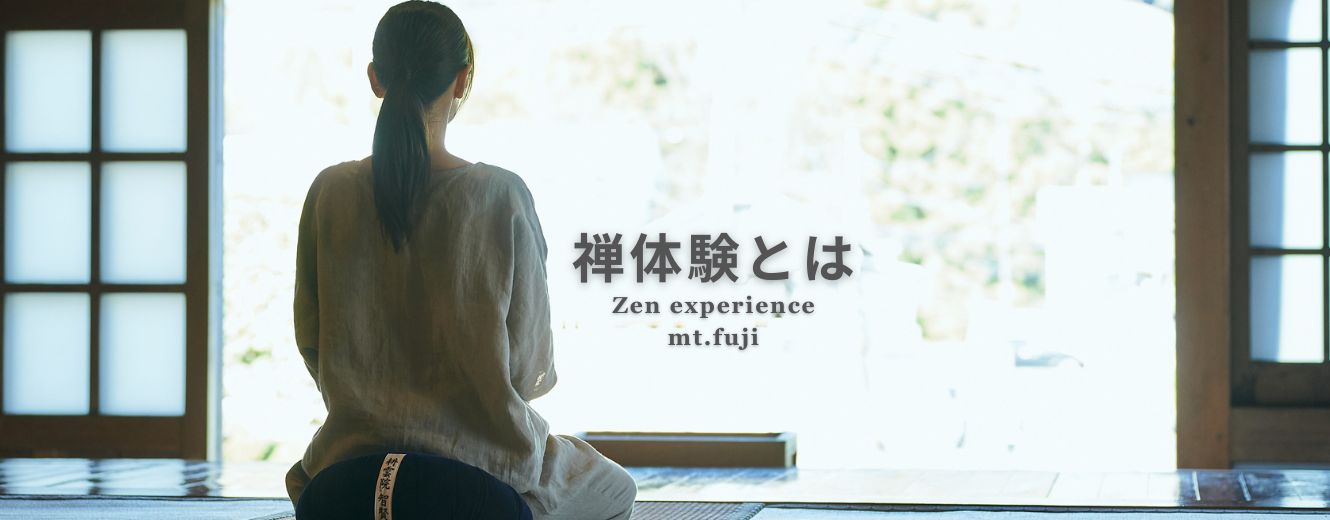
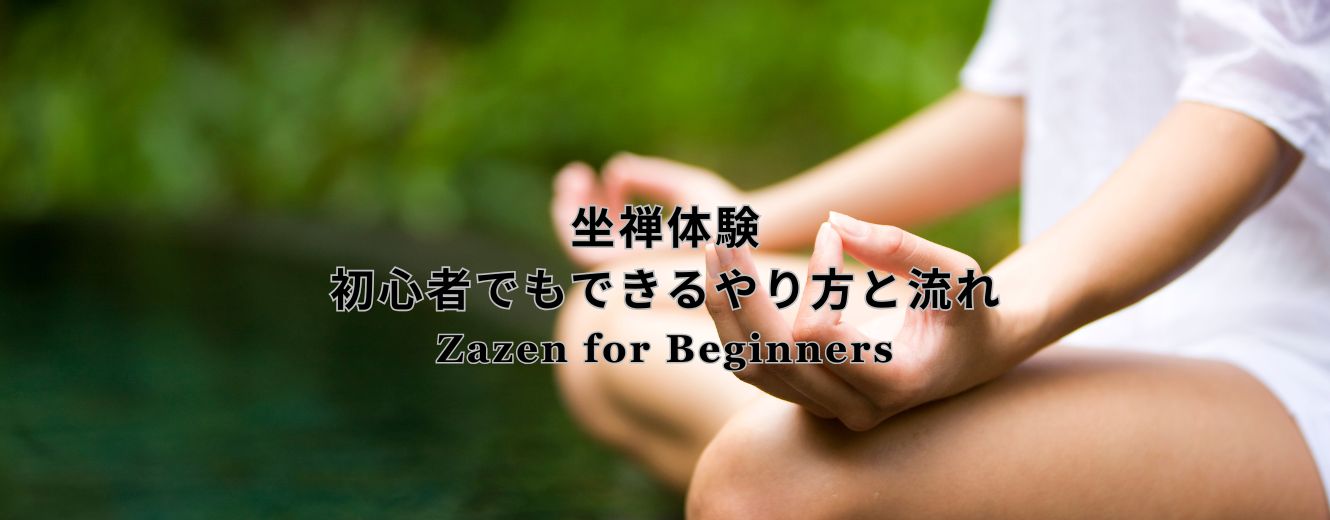
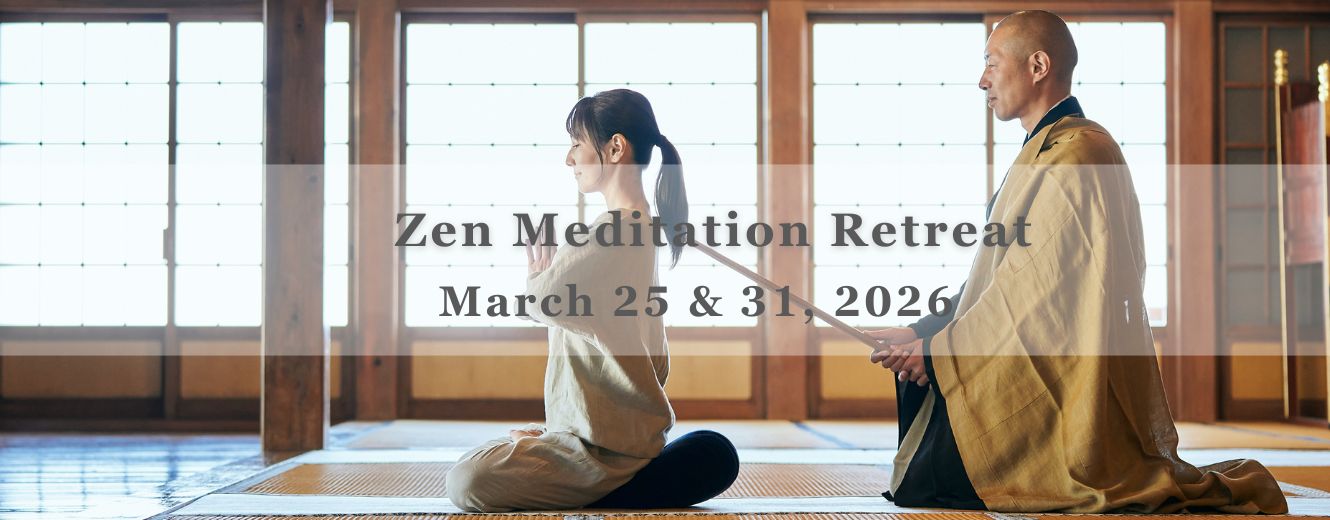
In zazen, we align body, breath, and mind—posture, breathing, awareness—so that calm arises naturally.
👉 Learn how to start your own daily meditation:Mindfulness Practice — Simple Daily Steps to Calm the Mind
In the West, “Zen” is often marketed as minimalism or stress relief. Those are side effects, not the heart. The heart of Zen Buddhism is courage in practice: stepping beyond preconception, loosening our grip on hardened views, and meeting reality directly.
👉 Explore how Zen influences Japanese aesthetics:Zen Buddhism and Wabi-Sabi — The Beauty of Impermanence
Zen Is Less a Religion than a Lens
Zen trains a way of seeing—truth as it appears in everyday life.
Nothing stands alone; everything exists through relationships (dependent origination).
Change your vantage point, and the mountain changes. Step out of your usual stance, and the outline of the real comes into focus.
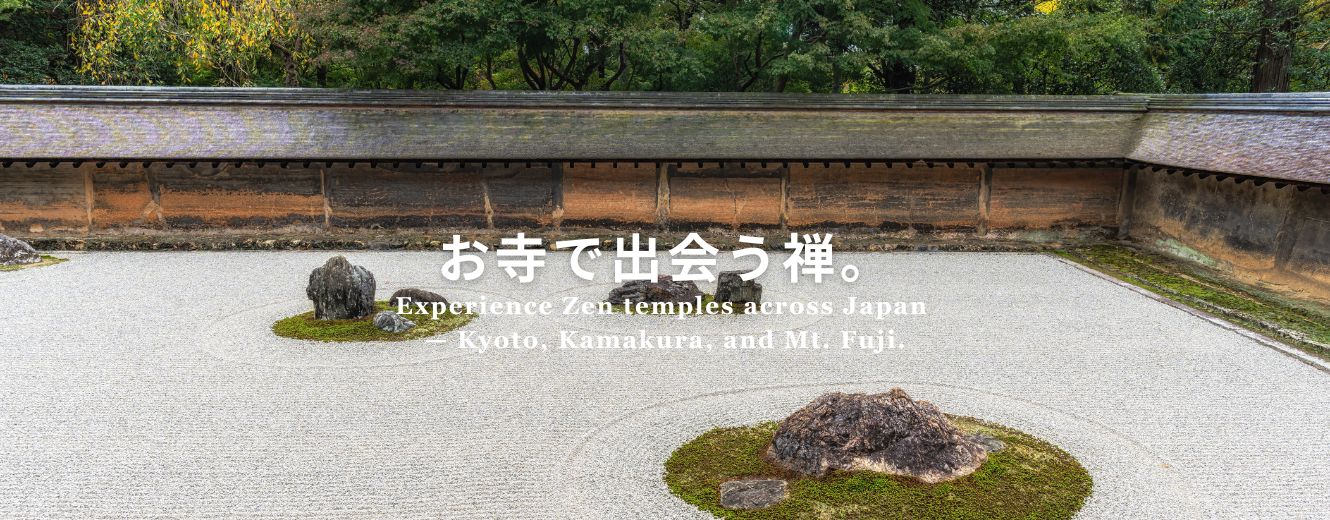
👉 Discover Japan’s living Zen culture:Zen Temples in Japan — Where Practice Meets Tradition
Rather than explaining life from a distance, Zen invites you to embody life so completely that explanation becomes unnecessary.
In contrast to much Western philosophy, which builds systems to describe reality, Zen embodies reality through disciplined action.
Like the sea receiving a thousand rivers, we learn to receive events as they are—without clinging or rejection—so wisdom can settle on its own.
Three Questions Zen Buddhism Keeps Asking
1. What is self?
Ego wants to shine, then despairs when it doesn’t. Zen does not wage war on ego; it trains the part of us that can notice ego without being ruled by it.
👉 Read more on self-awareness in Zen:Meditation Practice as a Way of Being
2. What is real?
Reality is impermanence: always arriving, always leaving. Independent essences are nowhere; relations are everywhere.
When we brush away the snow of information and craving, the true contours of experience appear. Reality isn’t elsewhere—it’s here, now.
3. How do we live in change?
Time does not wait. Because life is short, Dōgen urged: do not postpone practice to “someday.”
Each moment is once-only (ichi-go ichi-e).
Living this moment fully is not a slogan; it’s the only path that actually exists.
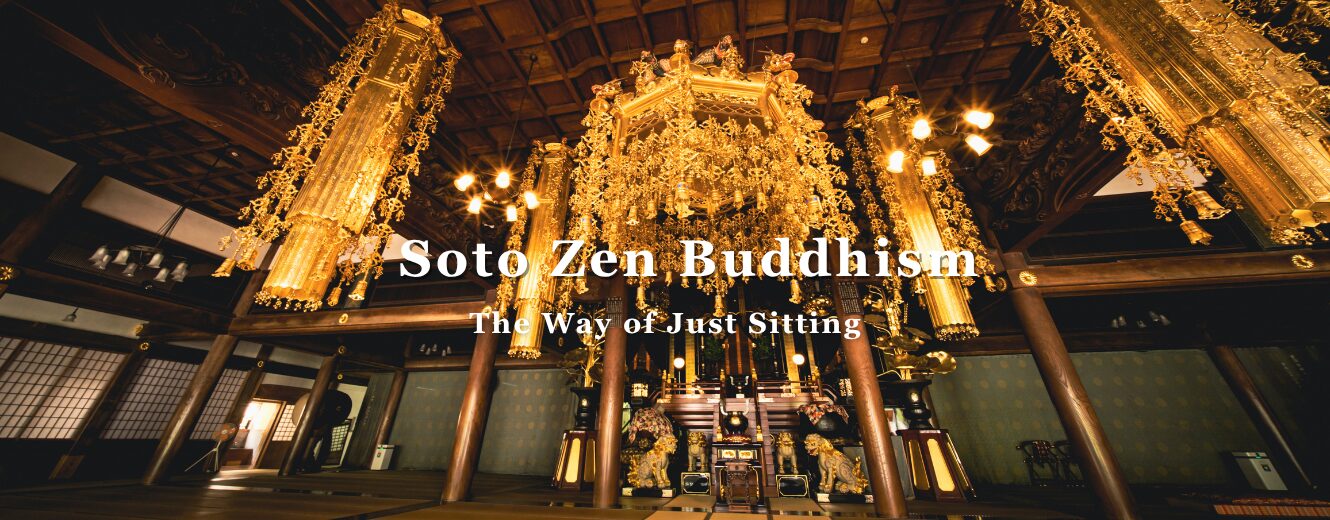
👉 Discover Dōgen’s legacy:Soto Zen Buddhism — The Path of “Just Sitting”

Zazen — A Philosophy You Practice With Your Body
Zen is not an idea to master but a bodily way of seeing.
First, align the form (posture). Then breath finds rhythm.
The mind follows. “Emptying the mind” doesn’t mean suppressing thought—it means loosening fixation so that we can observe thoughts without being dragged by them.
👉 Learn more about Zazen in Japan:Japanese Meditation — The Spirit of Zen

Mindfulness vs. Zen — Where They Meet, Where They Part
Mindfulness trains attention and reliably reduces stress.
Zen includes that training but goes further: into the question of being itself.
What is life and death? What is a self without fixation? Zen asks us to meet both joy and pain as they are—not to escape them, but to see through them.
Meditation is not a break from busyness; it is the foundation that lets us move through busyness with clarity.
Zen for Modern Leadership and Daily Work

Zen favors learning by embodying. We begin with imitation—“manabu” (to learn)—and refine it into originality.
Non-attached awareness clarifies judgment. Before speaking or deciding, ask: Is this beneficial for self and others?
Look to your own feet (kyakka shōko—reflect before you act). When each small gesture is aligned, coherence grows naturally around you.
Living Zen in Ordinary Days
Zazen is the still form of Zen. Chores and work are the moving form (samu).
Both are the same training: give yourself fully to what you are doing now.
Walk when you walk. Eat when you eat. Let go of reflex and self-story so that action becomes simple, precise, and kind.
👉 Experience it in daily life:Mindfulness How to Practice — Simple Daily Steps to Calm the Mind
A Living Example — Zen Practice at Koun-in Temple
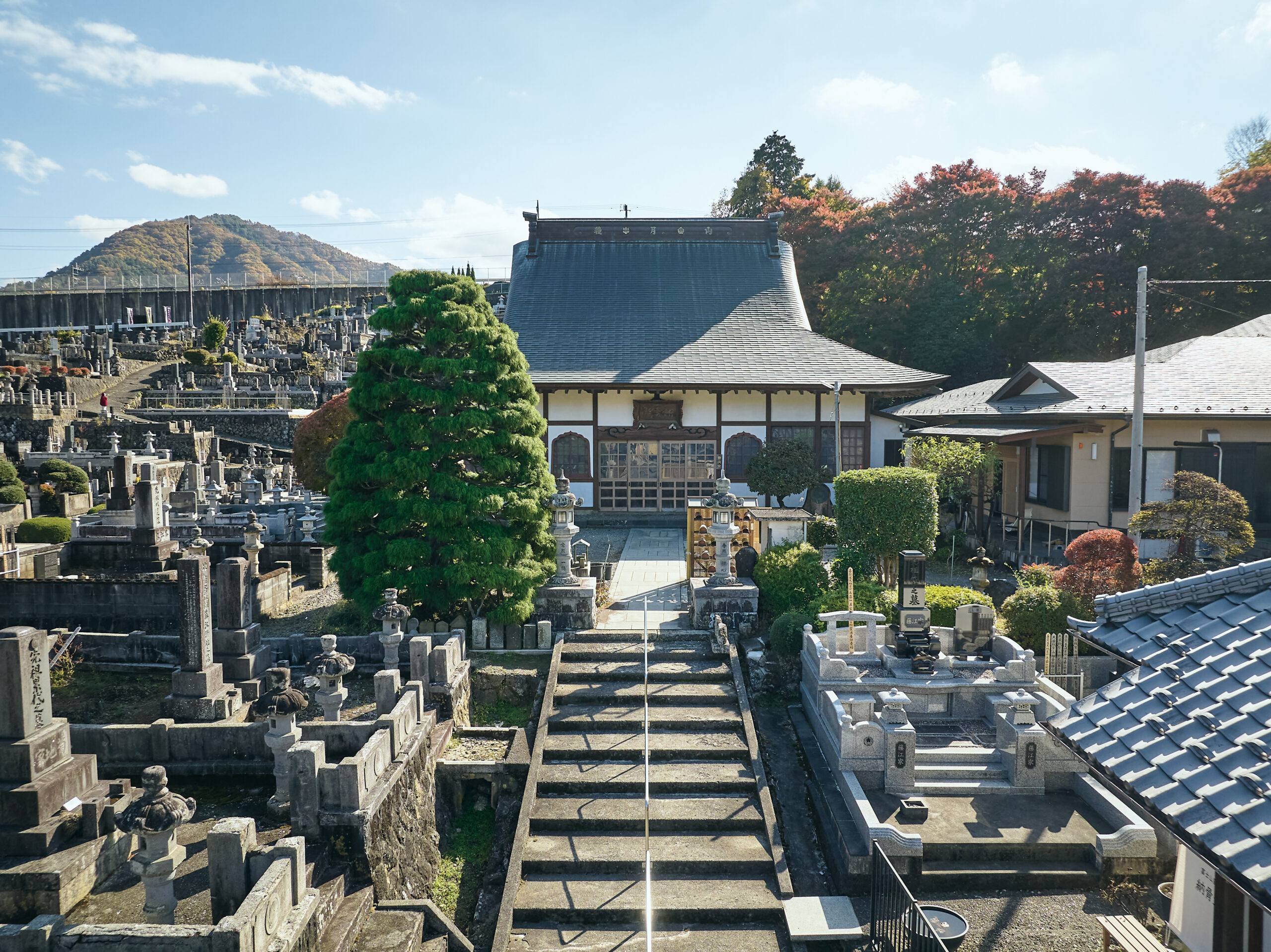
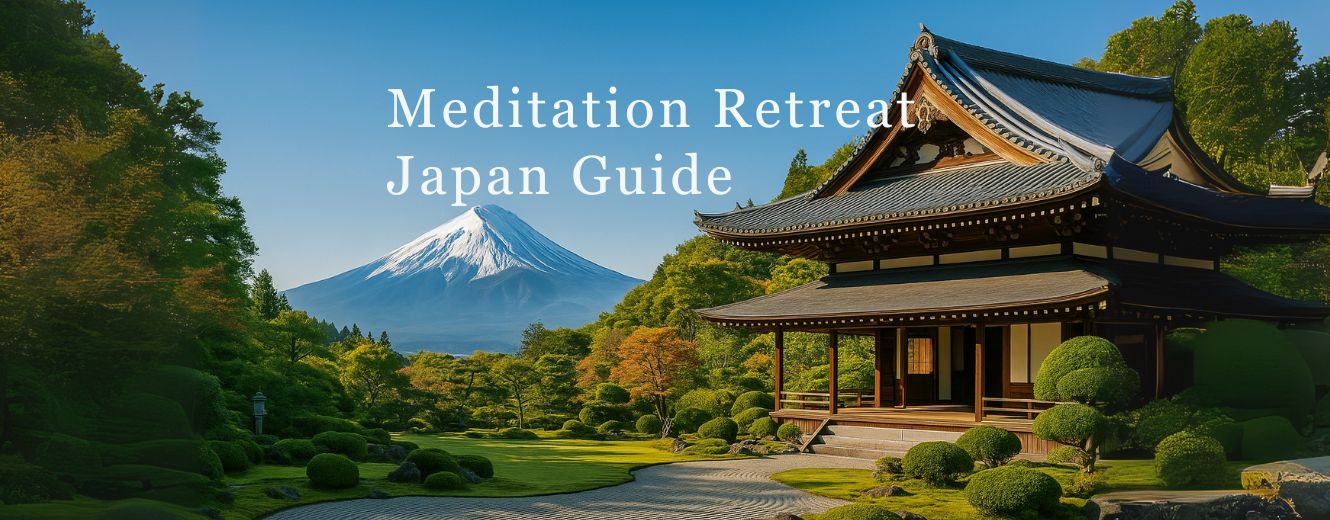
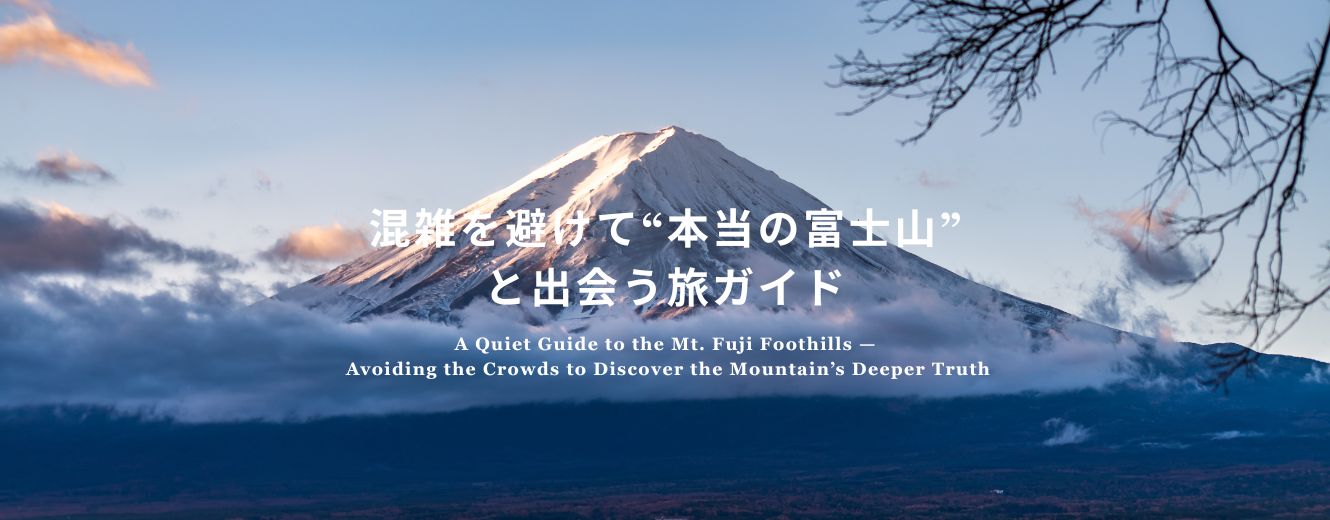
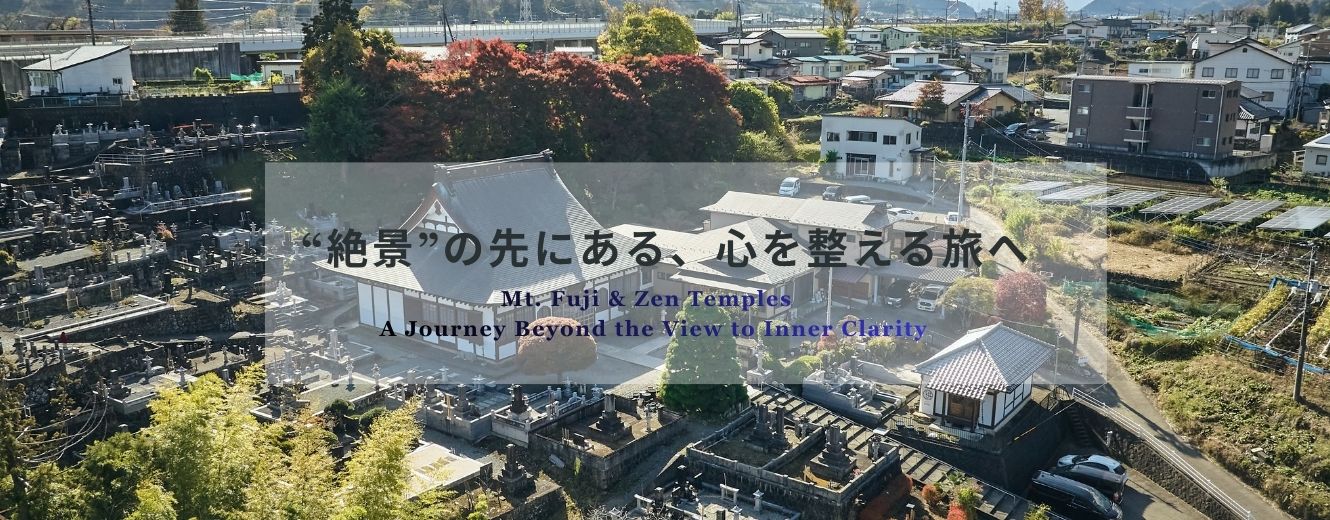
Nestled in the cedar forests of Yamanashi near Mt. Fuji, Koun-in Temple embodies this way of living.
Here, meditation isn’t a concept — it’s embodied. Monks guide visitors through zazen (seated meditation), shakyo (sutra copying), and shojin ryori (Zen cuisine), teaching that awareness can be lived, not just studied.
Program Highlights
- Zazen Meditation — short guided sittings in English
- Sutra Copying (Shakyo) — tracing the Heart Sutra to train patience and compassion
- Shojin Ryori (Zen Cuisine) — seasonal plant-based meals reflecting gratitude and impermanence
🕓 Duration: 3–4 hours
💰 Fee: ¥10,000–15,000
📍 Location: Tsuru City, Yamanashi — 90 min from Tokyo / near Mt. Fuji
👉 Visit:Koun-in Temple Zen Retreat
Voices from Participants — Zen Retreat Experiences in Japan
“The meditation retreat in Japan was the highlight of my trip. Sitting quietly near Mt. Fuji gave me peace I’d never felt before.”
“More than sightseeing — it felt like stepping into the living spirit of Japanese culture.”
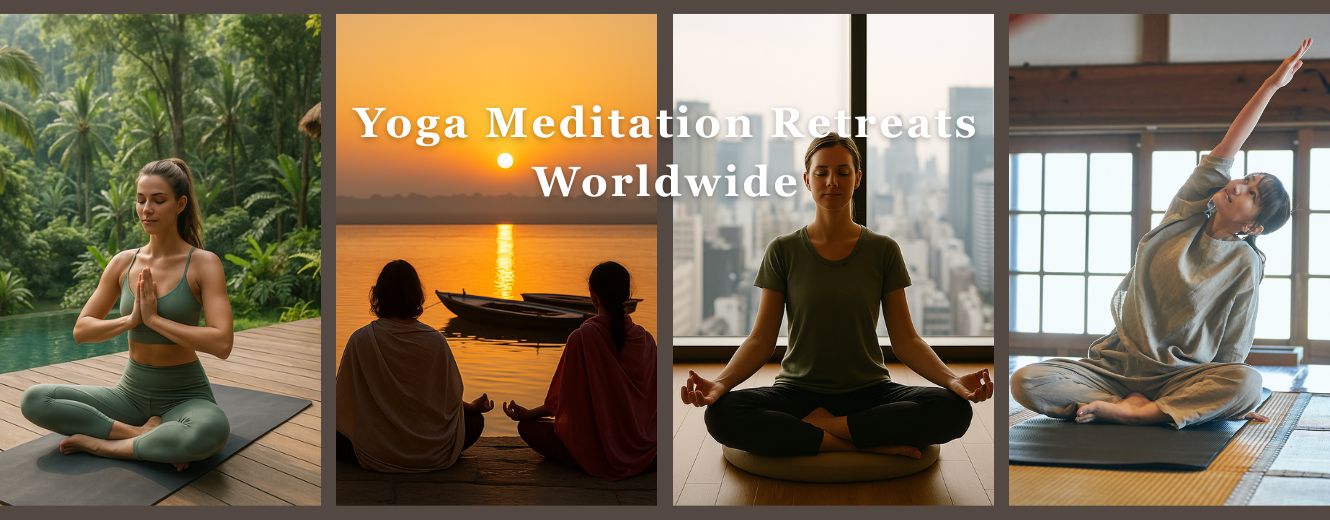
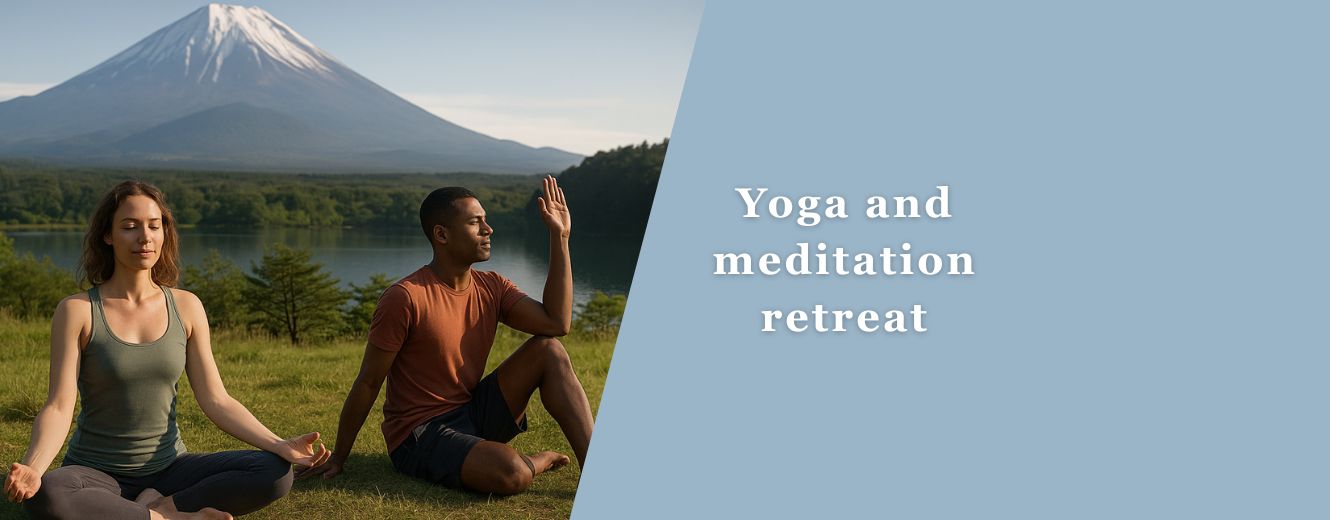
“The combination of yoga and zazen was unforgettable. It helped me experience mindfulness in a new way.”
“We joined as a couple, and sutra copying and temple food made the retreat uniquely Japanese.”
“As a senior traveler, I felt supported. Yoga prepared my body, and meditation gave me renewed energy.”
“As a yoga practitioner, the blend of movement and stillness in an authentic Zen setting was powerful.”
A Personal Note — From Rev. Chiken Kawaguchi, Vice Abbot of Koun-in Temple
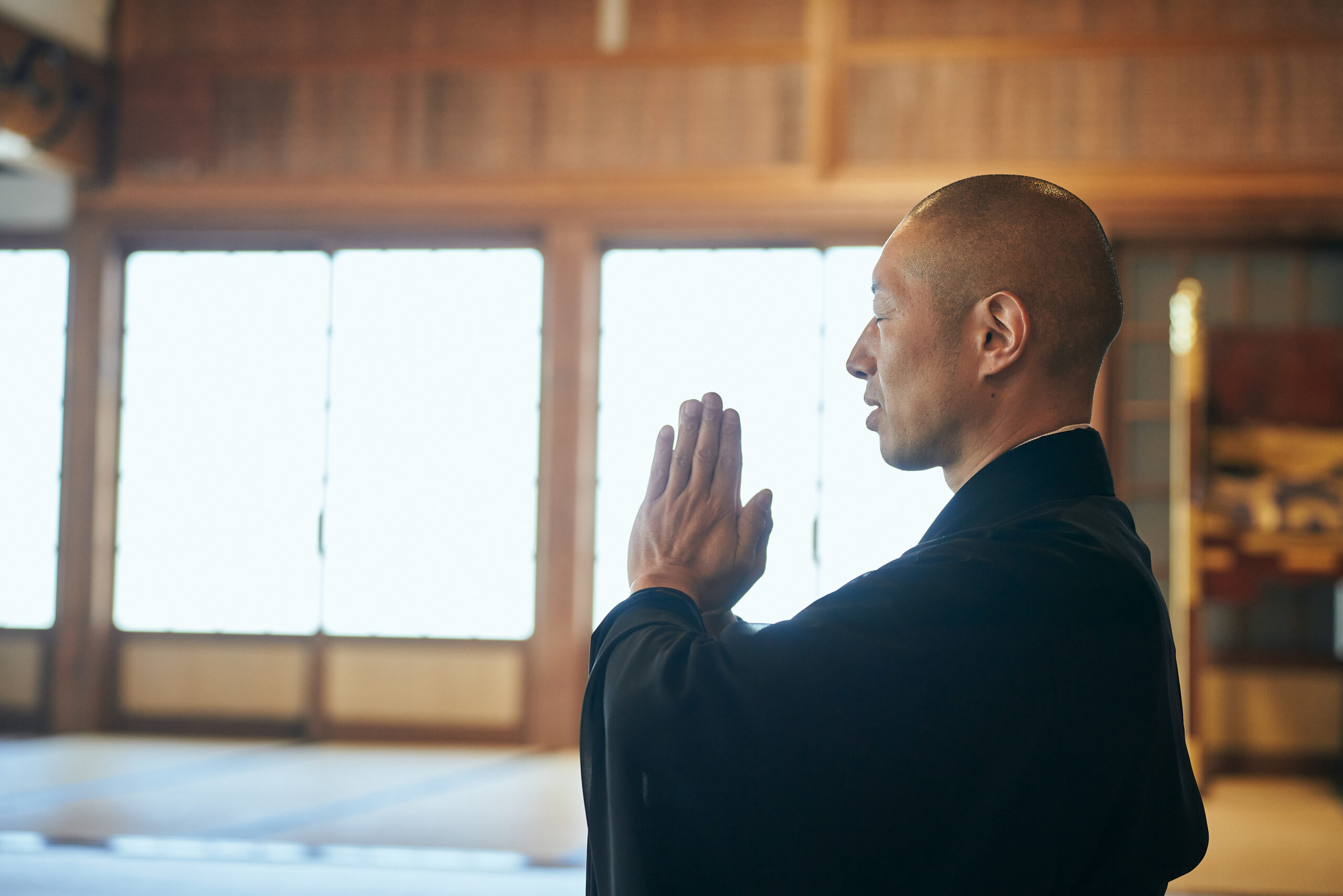
Hello — I’m Rev. Chiken Kawaguchi, Vice Abbot of Koun-in Temple, a Sōtō Zen monastery in the foothills of Mt. Fuji, Japan.
For most of my early life, I chased momentum — more work, more stimulation, more success.
Like many people today, I believed peace would come after achievement.
But I eventually learned that true peace begins before achievement — in the practice of stillness itself.
When I trained at Eiheiji, the head temple of Sōtō Zen, I discovered something surprising: Discipline isn’t about restriction — it’s about alignment. Each bow, each breath, each repetition became a mirror showing me where my mind was scattered and how to return.
In Zen, we say that practice is not preparation for life — it is life itself. Meditation isn’t an escape from busyness; it’s the foundation that lets us move through it with clarity.
You don’t have to leave your job, shave your head, or move to a temple.
A meditation practice begins the moment you decide to pause — to sit, breathe, and see things as they are.
Five minutes a day can become your temple.
Keep that small promise to yourself, and even amid chaos, you are already walking the Zen path. That consistency — not perfection — transforms awareness into wisdom. So wherever you are, begin. Not tomorrow. Not “when things slow down.” Now.
👉 Begin your own practice wherever you are:Join Online Zazen from Japan
FAQ — About Buddhist Retreats in Japan
Q. Can I join alone?
Yes. Many participants come solo, seeking quiet time for themselves. Beginners are warmly supported.
Q. How long is the program?
About 3–4 hours — easy to fit into a travel schedule.
Q. Is English guidance available?
Yes. Simple English guidance is provided.
Q. Is Shojin Ryori included?
It depends on the plan. The meal option lets you experience mindful eating.
Q. Do I need to bring anything?
No. Comfortable clothing is enough; all materials are provided.
Q. How do I book?
Please make an advance reservation through our contact form. Early booking is recommended, especially on weekends and holidays.
👉 Ready to experience Zen in Japan?Book your retreat here.
Closing
Zen Buddhism is not far away; it begins exactly where you are.
Sit for five quiet minutes. Notice your breath. Let what comes, come; let what goes, go.
Then take one ordinary action with your whole attention.
If you wish to deepen that practice in a place built for silence, Koun-in Temple near Mt. Fuji awaits — with cedar wind, stillness, and open doors.