When the Mind Stops in the Middle of Motion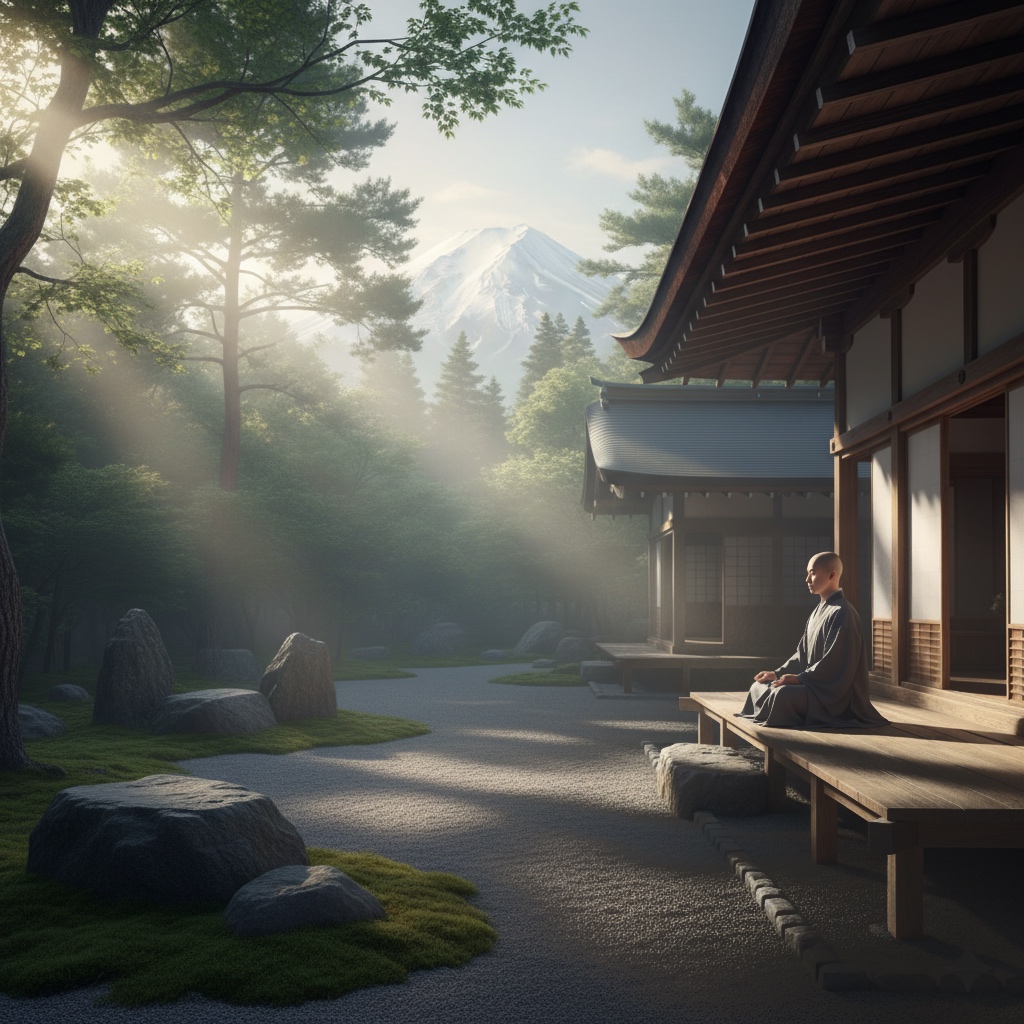
We live in an age of endless connection — messages, notifications, newsfeeds, and noise.
In this constant stream of doing, our minds forget how to simply be.
And yet, sometimes in the middle of motion, the heart whispers: “Stop.”
It is not a command of fatigue, but a call to return — to listen.
A spiritual retreat is not about escaping life.
It is about hearing it again — through stillness, breath, and the quiet presence of being human.
In Zen, the essence is not stopping, but listening.
When monks chant sutras, their voices seem scattered, yet harmony arises naturally —
not by control, but by deep listening.
“If you listen closely, the world begins to speak back to you.”
What Is a Spiritual Retreat? — Remembering, Not Learning, Stillness 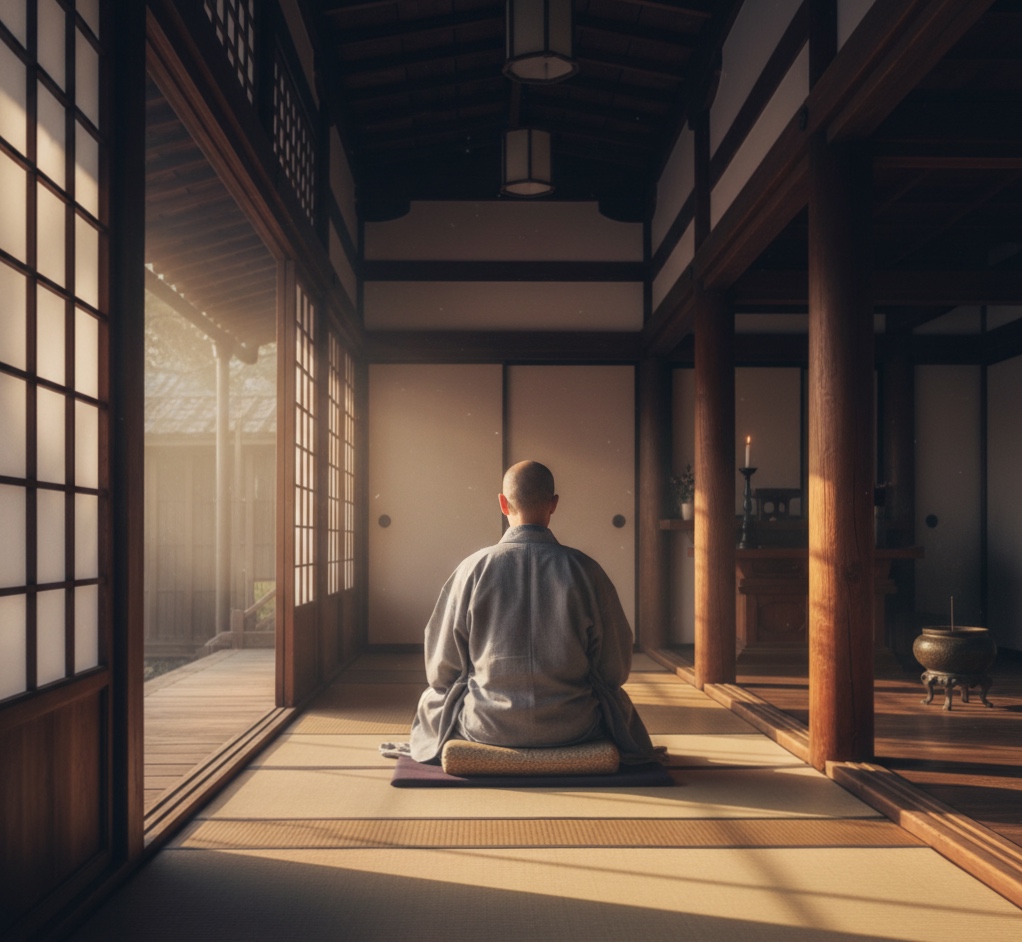
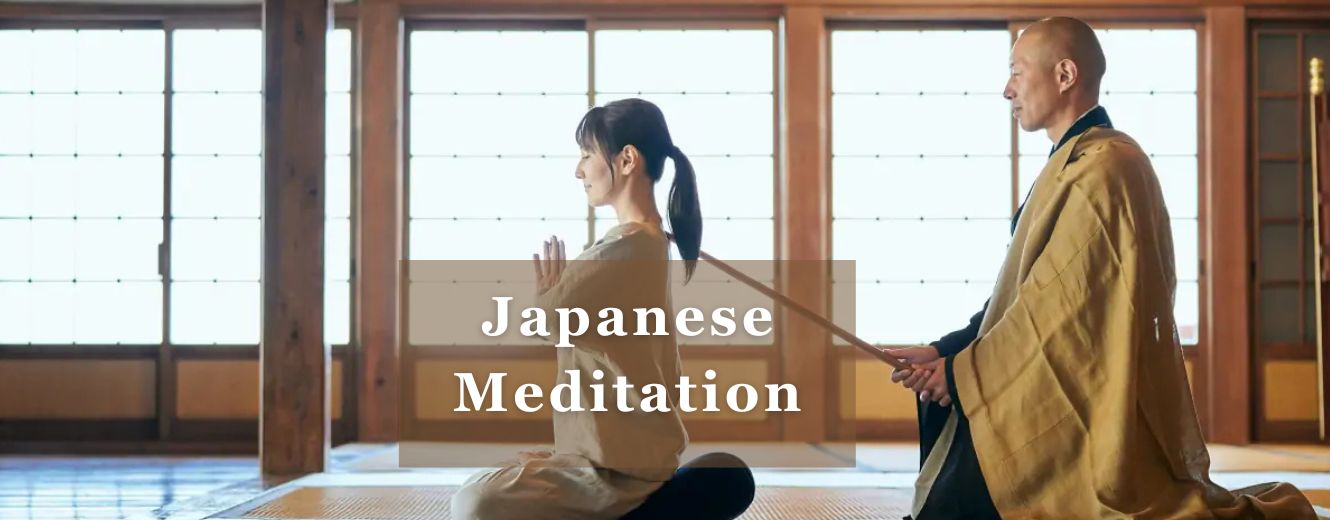
A spiritual retreat is the practice of remembering what stillness feels like.
Zen teaches that enlightenment is not something to attain — it is something we have simply forgotten.
Sitting, walking, eating — all are opportunities to listen.
Zen makes no separation between quiet and movement.
If sitting is quiet Zen, sweeping or cooking are living Zen.
This spirit is called Gyōjūzaga — awareness in every act of walking, standing, sitting, or lying down.
To eat mindfully, to clean without hurry, to listen while speaking — these are small but profound meditations.
A spiritual retreat, in truth, is not about silence alone. It is about presence.
🪶 Related reading:
The Conversation That Happens in Silence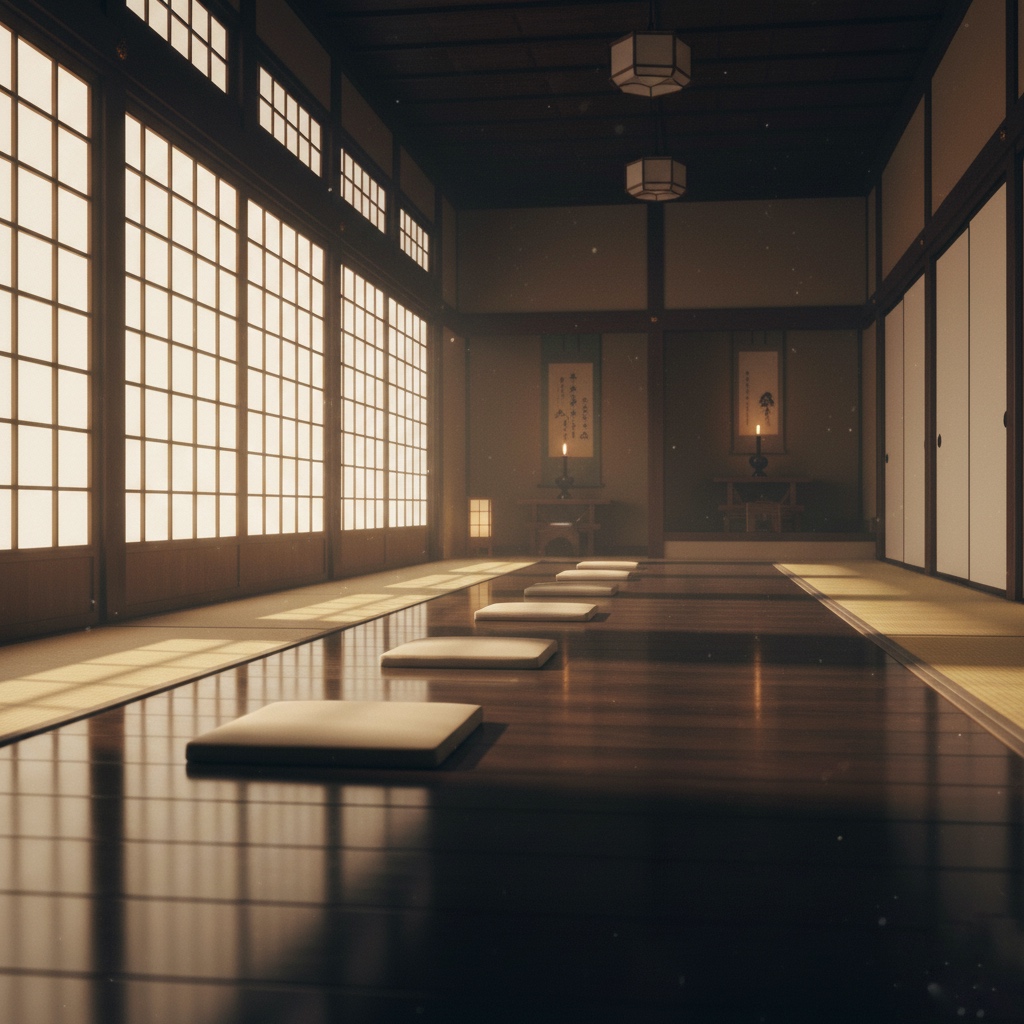
Silence is not the absence of sound — it is the space where the heart begins to listen again.
In Zen, we speak of washing the heart — letting go of the noise that clouds our vision.
Silence becomes a mirror that reflects what we truly carry inside.
During a spiritual retreat, nothing may be said, yet everything is communicated.
Peace begins when we no longer fill every space with words.
We realize: to truly care for others, we must first be in rhythm with ourselves.
Silence, then, is not withdrawal.
It is the courage to make space — to allow what matters to emerge naturally.
When we stop filling every moment, life starts speaking again.
Relearning the Breath of Time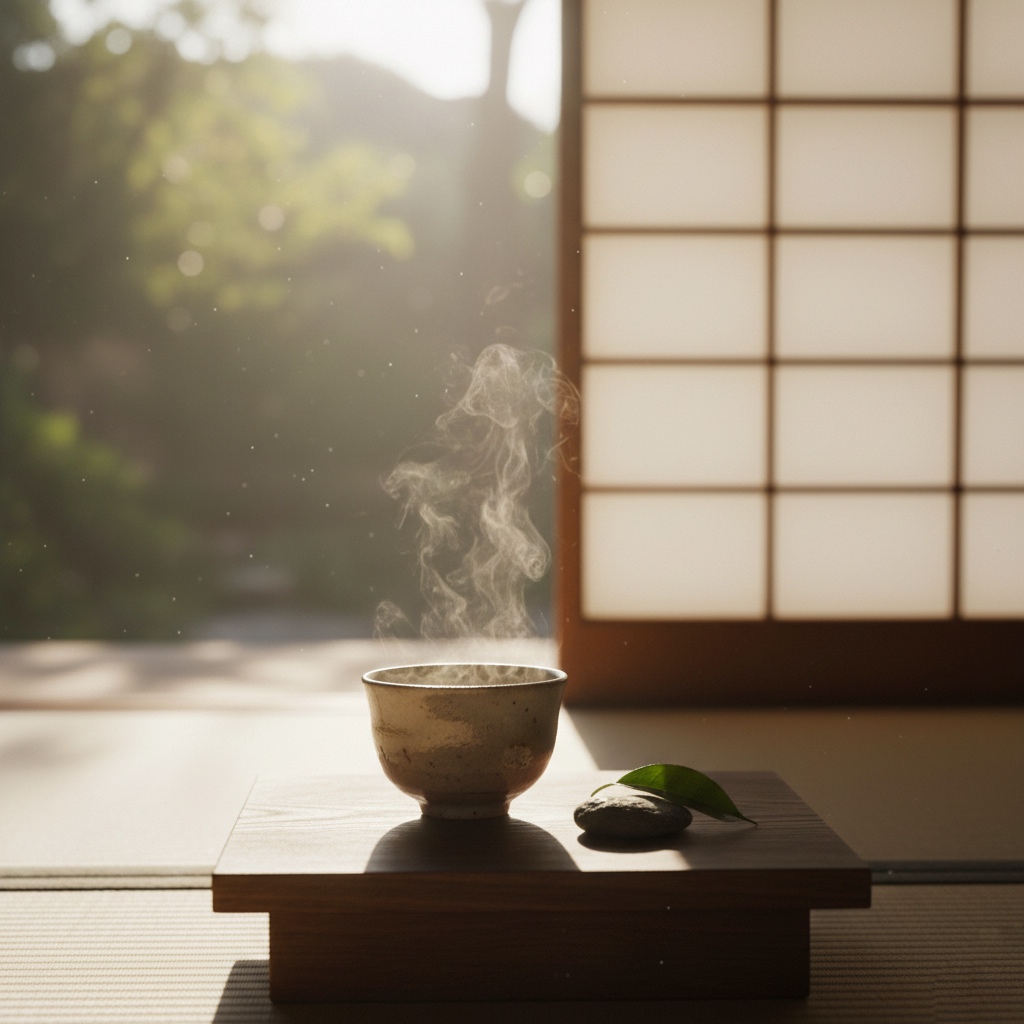
At Eiheiji, the head temple of Sōtō Zen, a wooden board is inscribed:
“Life and death are great matters; time passes swiftly; do not let it pass in vain.”
Modern life feels like a race against time.
But in retreat, we rediscover the art of breathing with time.
A cup of tea, a change in light, a bird’s song — these become the bells of the day.
Through repetition, we learn that no two moments are the same.
Even folding your futon in the morning becomes an act of awareness:
a choice between returning to chaos or returning to calm.
When you stop measuring time, time begins to hold you.
In Zen, this awareness is called Jikon — being completely present with what is now.
This moment is not a path to peace; it is peace.
Nature as the Mirror of Stillness
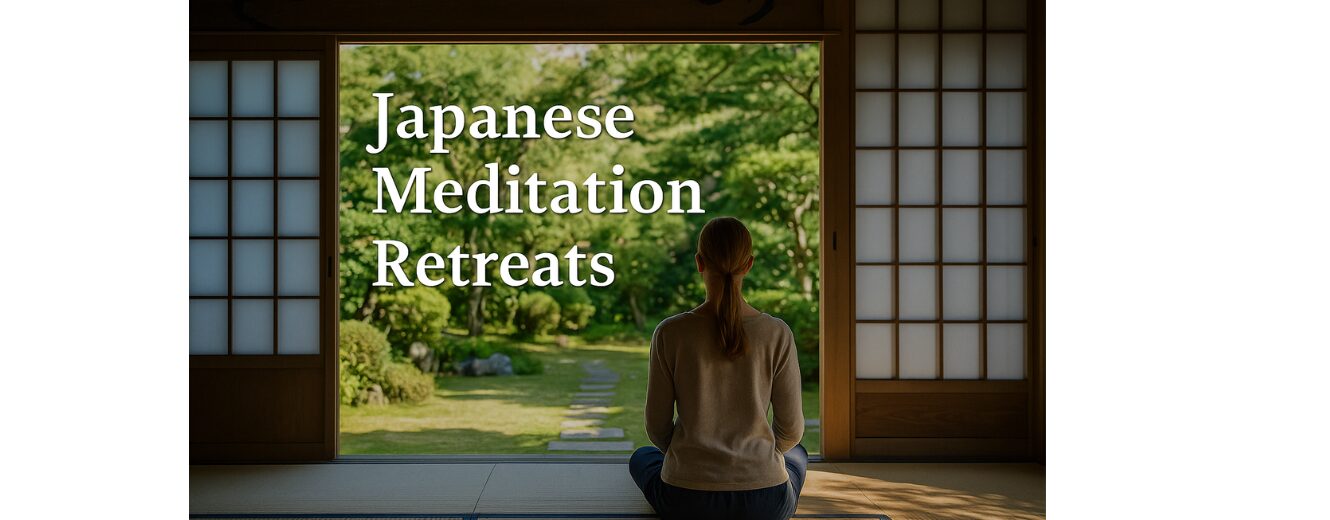
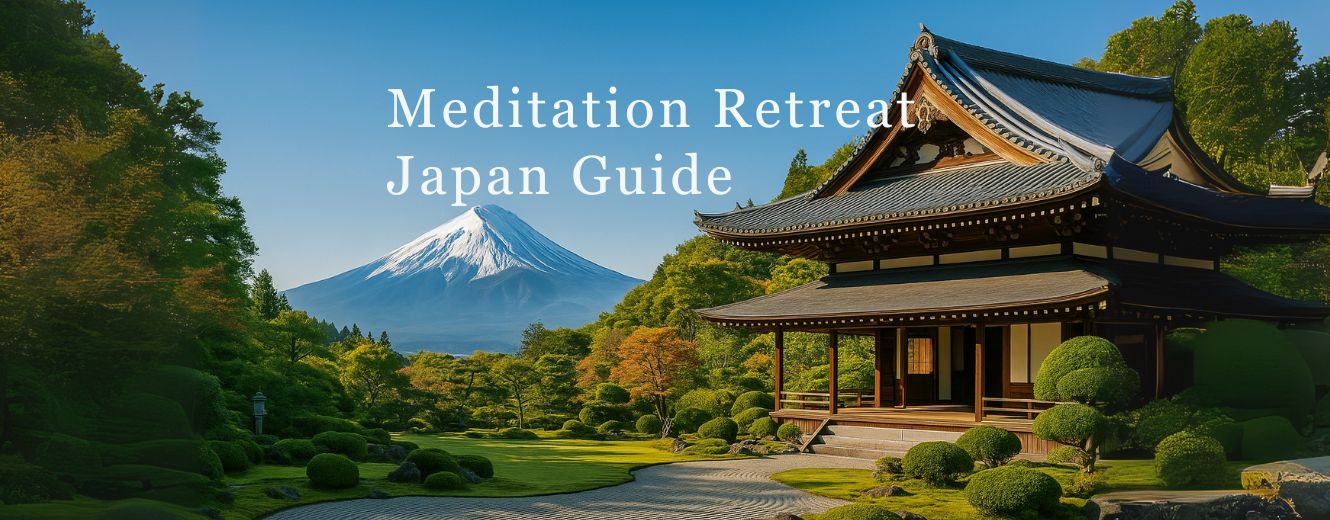
What makes a spiritual retreat in Japan unique is that nature sits with you.
At the foot of Mt. Fuji, in the forests of Tsuru, the air itself becomes a teacher.
Wind chimes, birds, insects, the sound of snow —
each reveals the quiet rhythm of impermanence.
In Zen, nature is not simply healing; it is a mirror.
It shows us what we already are: ever-changing, yet rooted.
Zen master Dōgen said, “The eyes are horizontal, the nose is vertical.”
Truth is not hidden — it stands before us, as plainly as our own face.
When you sit with the wind, you realize the world has been sitting with you all along.
🌸 Discover related reflections:
Returning to the Quiet Home Within — Koun-in Temple Zen Retreat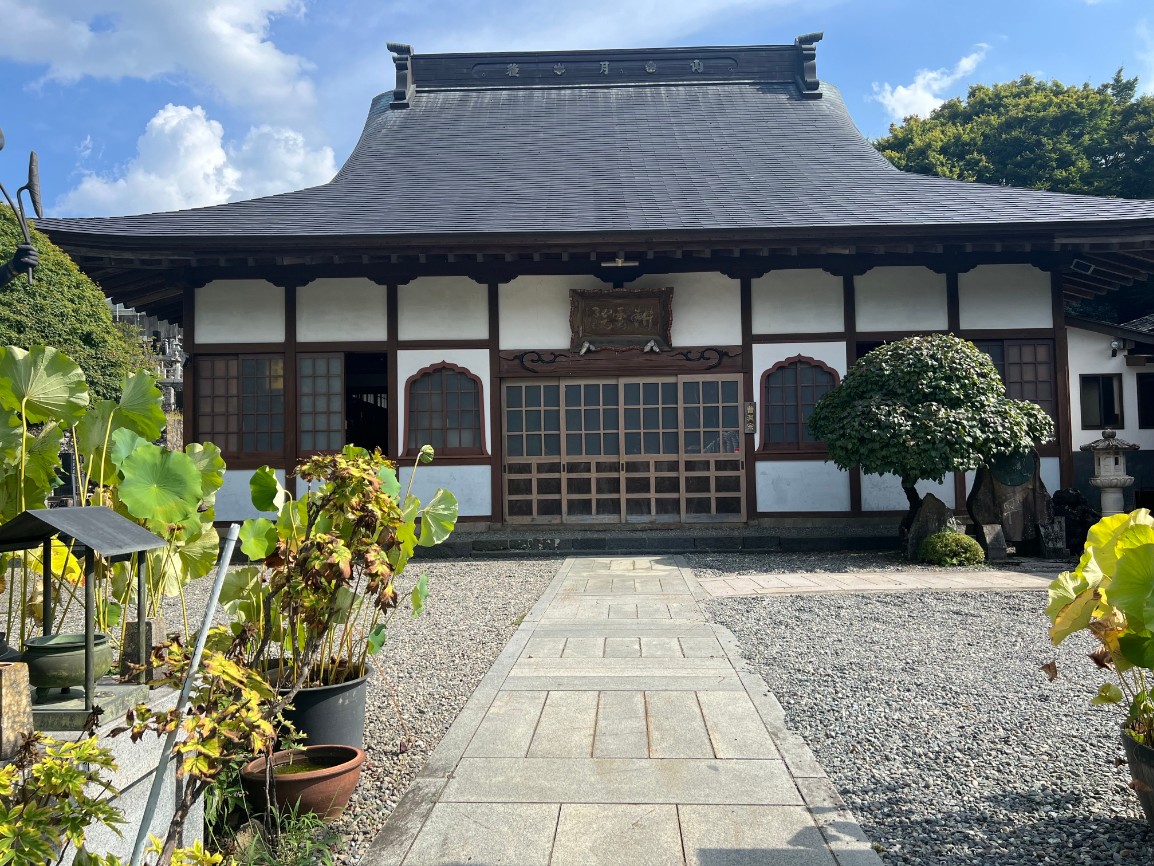
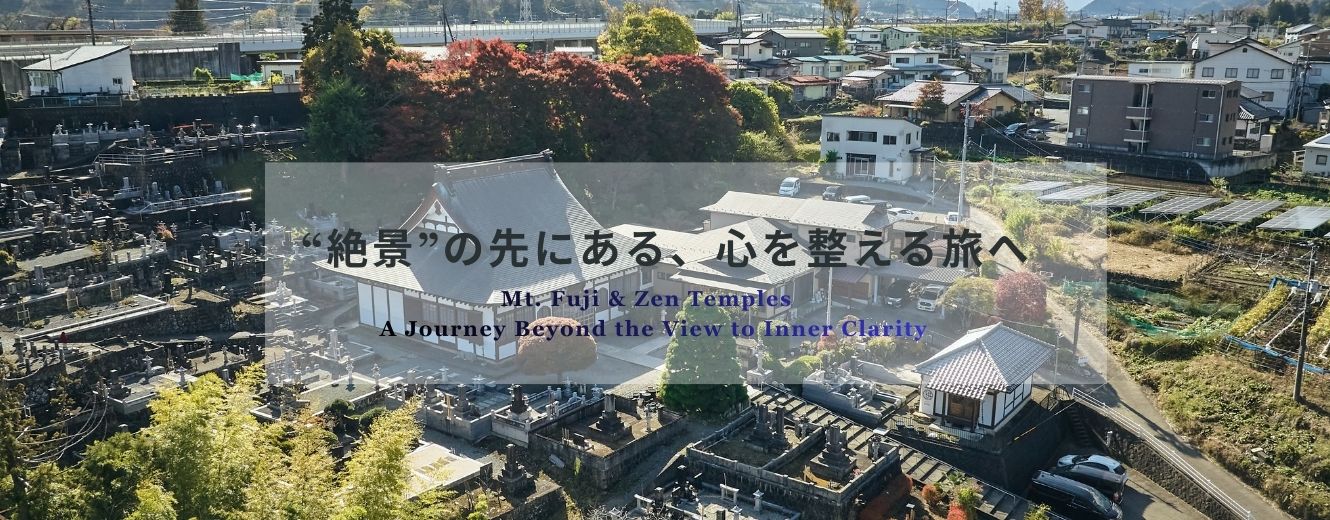
Nestled in the forests of Yamanashi, Koun-in Temple offers a peaceful setting for authentic Zen practice —
both onsite and online, guided by Vice Abbot Rev. Chiken Kawaguchi.
Through sitting, walking, and mindful eating, we learn to listen again.
Through cleaning, cooking, and simple acts, we rediscover presence in everyday life.
Zen teaches: “To study the Way is to study the self; to study the self is to forget the self.”
This is not self-erasure — it is liberation.
It is remembering that what we seek has never been absent.
A spiritual retreat is not an escape, but a return.
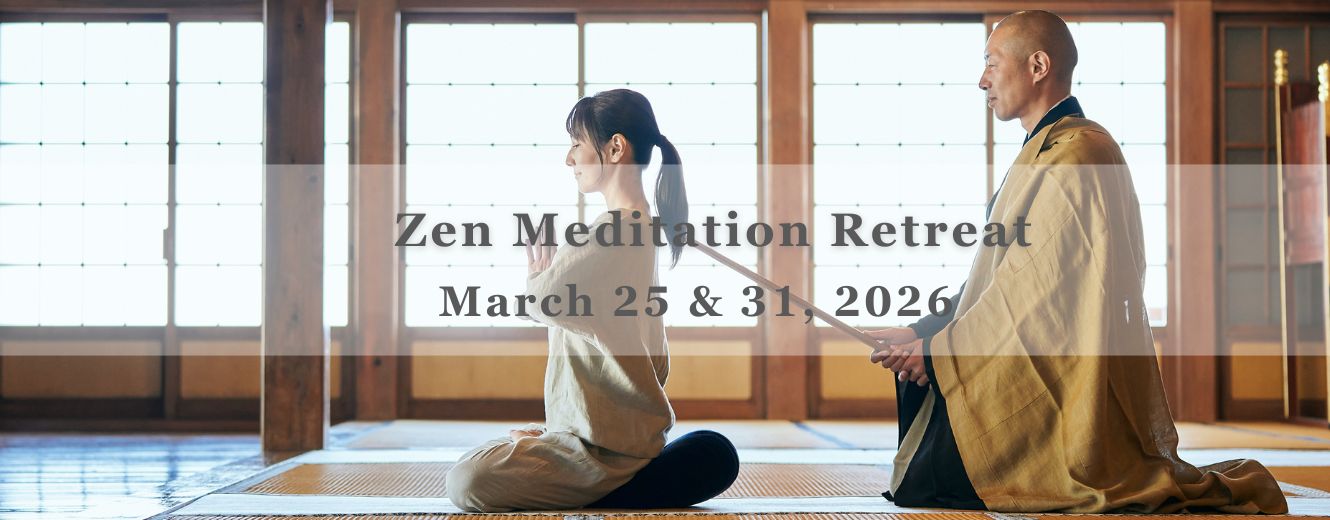
Experience at Koun-in Temple:
- Location: Tsuru City, Yamanashi, near Mt. Fuji
- Duration: 3–4 hours (ideal for travelers)
- Activities: meditation, sutra copying, tea, nature walks, temple meals
- Guidance: English-friendly, for beginners and experienced meditators alike
Voices from Participants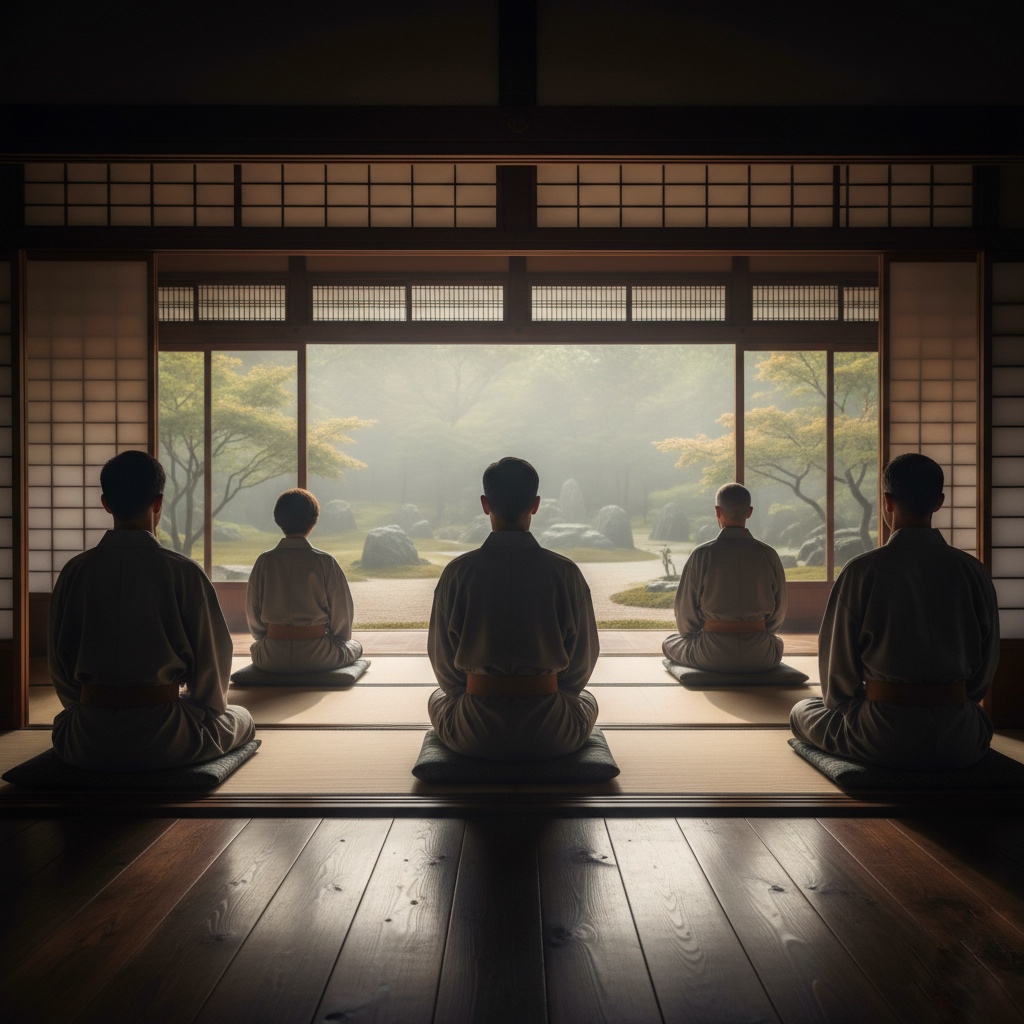
“The meditation retreat in Japan was the highlight of my trip. Sitting quietly near Mt. Fuji gave me peace I’d never felt before.”
“More than sightseeing — it felt like stepping into the living spirit of Japanese culture.”
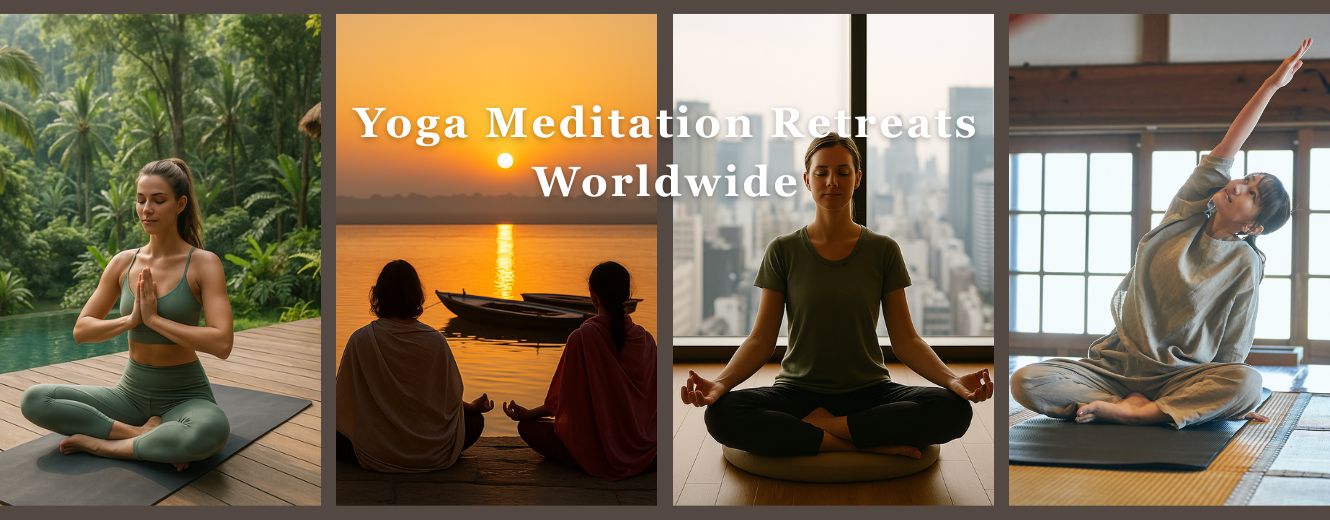
“The combination of yoga and zazen was unforgettable. It helped me experience mindfulness in a new way.”
“We joined as a couple, and sutra copying and temple food made the retreat uniquely Japanese.”
“As a senior traveler, I felt supported. Yoga prepared my body, and meditation gave me renewed energy.”
“As a yoga practitioner, the blend of movement and stillness in an authentic Zen setting was powerful.”
A Message from Rev. Chiken Kawaguchi — Vice Abbot of Koun-in Temple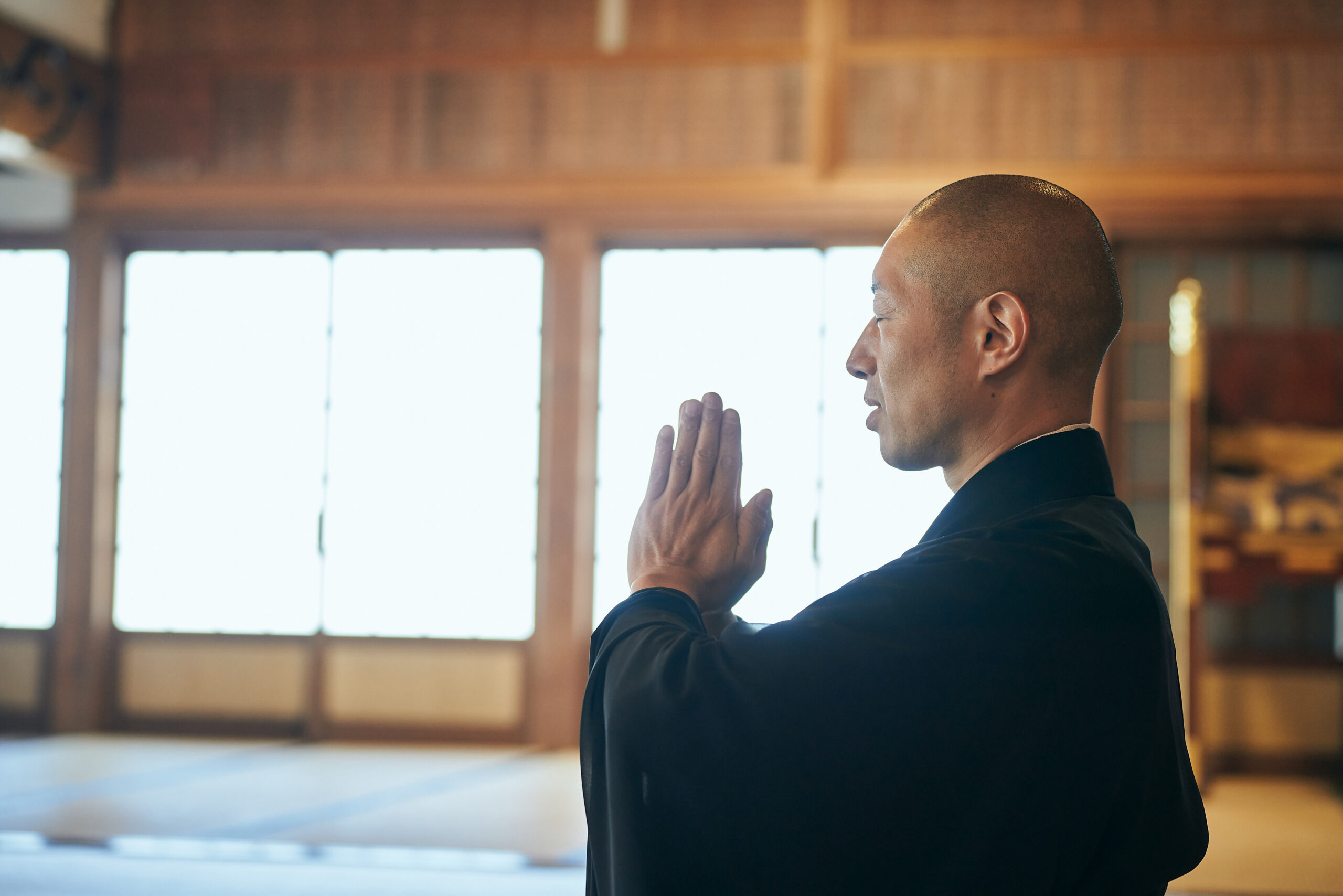
Hello, I’m Rev. Chiken Kawaguchi, Vice Abbot of Koun-in Temple, a Sōtō Zen monastery quietly resting at the foot of Mt. Fuji.
For many years, I believed peace would arrive after achievement —
once I had done enough, worked enough, proved enough.
Like a fish that never stops swimming, I was afraid that if I paused, I would sink.
But through Zen practice, I discovered something gentle and profound:
Peace does not come after effort. It appears when we pause.
At Eiheiji, the head temple of Sōtō Zen, I learned that true discipline is not severity — it is harmony.
To align body, breath, and mind (Chōshin, Chōsoku, Chōshin) is to live in rhythm with the world itself.
In that rhythm, I realized:
“The act of sitting itself is enlightenment.”
Zen is not limited to the meditation hall.
It can be found in Gyōjūzaga — the awareness of standing, walking, sitting, or resting.
When we bring attention to a single moment, even five quiet minutes can become a temple of peace.
Dōgen Zenji reminds us:
“Do not let time pass in vain.”
The invitation of Zen is simple and immediate —
the right moment to begin is not tomorrow, but now.
FAQ — About Buddhist Retreats in Japan
Q. Can I join alone?
— Yes. Many participants come solo, seeking quiet time for themselves. Beginners are warmly supported.
Q. How long is the program?
— About 3–4 hours — easy to fit into a travel schedule.
Q. Is English guidance available?
— Yes. Simple English guidance is provided.
Q. Is Shojin Ryori (temple cuisine) included?
— It depends on the plan. The meal option lets you experience mindful eating.
Q. Do I need to bring anything?
— No. Comfortable clothing is enough; all materials are provided.
Q. How do I book?
— Please make an advance reservation through our contact form. Early booking is recommended, especially on weekends and holidays.
In the End, Quiet Has Always Been With You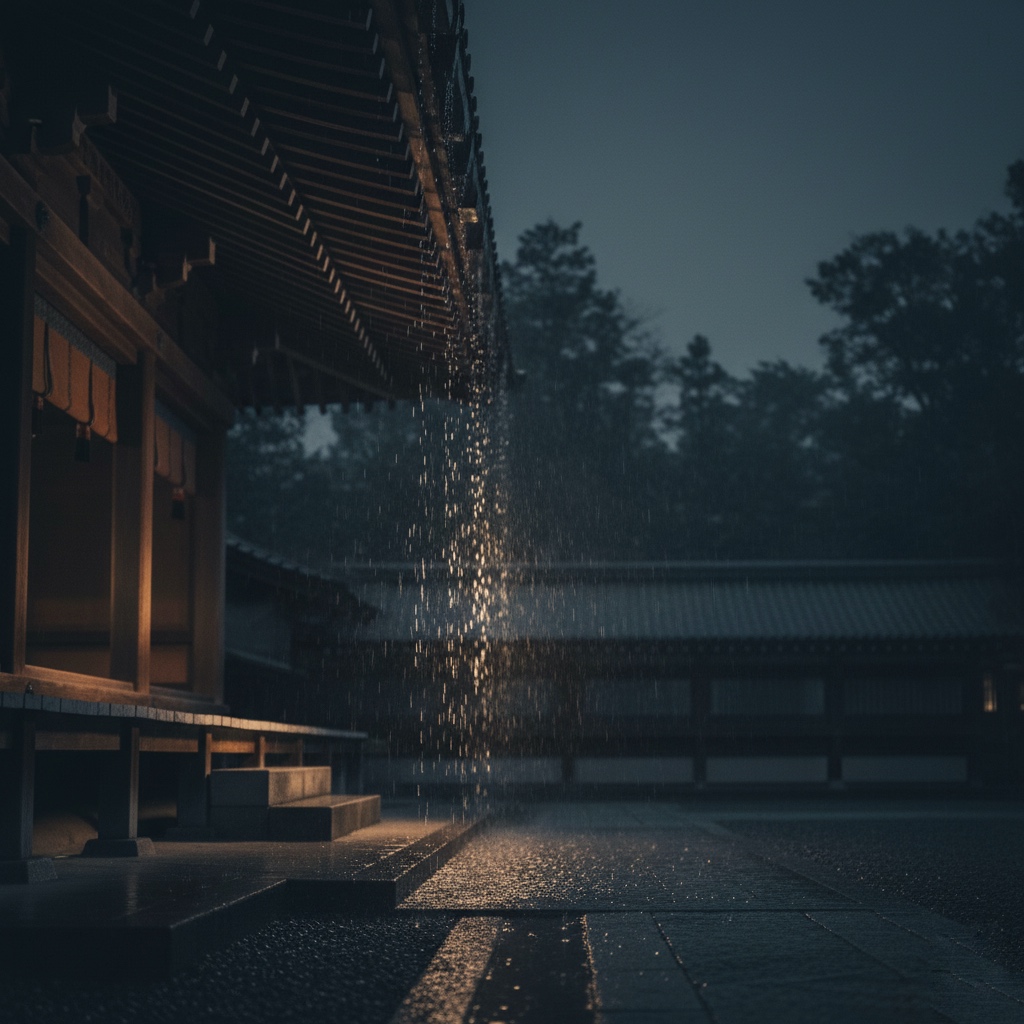
A retreat does not give you a new self — it helps you remember the one that was waiting.
When we stop chasing perfection, we rediscover grace in imperfection.
When we stop searching for peace, we remember we were already home.
Zen calls this “Being with what is here.”
To live not in the past or the future, but in the miracle of this very breath.
“You don’t find peace. You remember it.”
Even noticing the rain, or the silence between words —
that is already the beginning of your return.