
Table of Contents
- What Are “Zen Words”? — Short Teachings That Awaken the Everyday
- Zen Words at a Glance — Meanings & 1-Minute Practices
- 1. Jikon (而今) — This Very Moment
- 2. Shushō Ichin’yō (修証一等) — Practice and Realization Are One
- 3. Shujinkō (主人公) — The True Master Within
- 4. Hōgejaku (放下著) — Letting Go Completely
- 5. Shoshin Fukai (初心不改) — Never Abandon the Beginner’s Heart
- 6. Nyūnanshin (柔軟心) — The Gentle Mind
- Living the Dharma — Everyday Zen in Action
- A Living Example — Zen Practice at Koun-in Temple
- Voices from Participants
- A Message from Rev. Chiken Kawaguchi — Vice Abbot of Koun-in Temple
- FAQ — About Buddhist Retreats in Japan
- Closing Words — The Path Is Where You Stand
What Are “Zen Words”? — Short Teachings That Awaken the Everyday
“Zen words” are short, poetic phrases born from Zen Buddhism in Japan.
They are not merely quotes — they are tools for awareness, meant to be lived, not just read.
Each Zen word captures a deep truth in just a few syllables — a doorway to clarity, compassion, and stillness.
In this guide, you’ll explore five essential Zen words and learn how to apply them in modern life.
“Zen is not something to believe. It is something to practice — in how you walk, speak, and breathe.” — Dōgen Zenji
Zen Words at a Glance — Meanings & 1-Minute Practices
| Zen Word | Meaning | 1-Minute Practice |
|---|---|---|
| Jikon (而今) | “This very now.” Be fully present in this moment. | Take one full breath before opening your phone. |
| Shushō Ichin’yō (修証一等) | “Practice and realization are one.” | Do one task with full attention, then bow in gratitude. |
| Hōgejaku (放下著) | “Letting go completely.” | Write one worry on paper, fold it, and breathe it away. |
| Shoshin Fukai (初心不改) | “Never abandon the beginner’s heart.” | Ask: “What can I see as if for the first time?” |
| Nyūnanshin (柔軟心) | “The gentle mind.” Stay open even when challenged. | Relax your shoulders, soften your breath, and smile. |
👉 Related reading: Zen Buddhism — Meaning, Philosophy, and Practice for Modern Life
1. Jikon (而今) — This Very Moment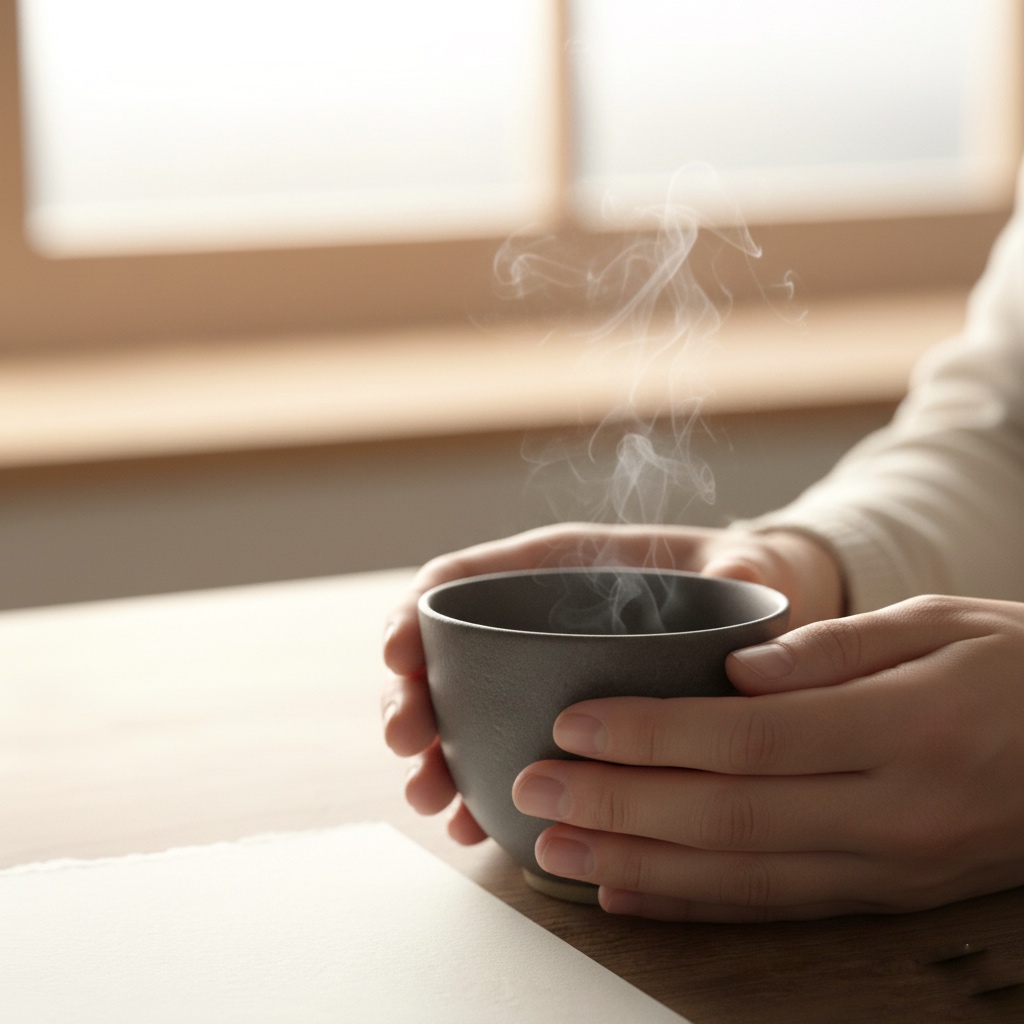
In Shōbōgenzō, Dōgen Zenji wrote of jikon — “this very now.”
It is not the clock’s “now,” but the living present — unrepeatable and complete.
When we forget this, life becomes rehearsal.
When we remember, even washing a bowl becomes sacred.
“The future is shaped not by what we wish, but by how we touch this moment.”
👉 See also: Mindfulness Practice — How to Bring Stillness Into Daily Life
2. Shushō Ichin’yō (修証一等) — Practice and Realization Are One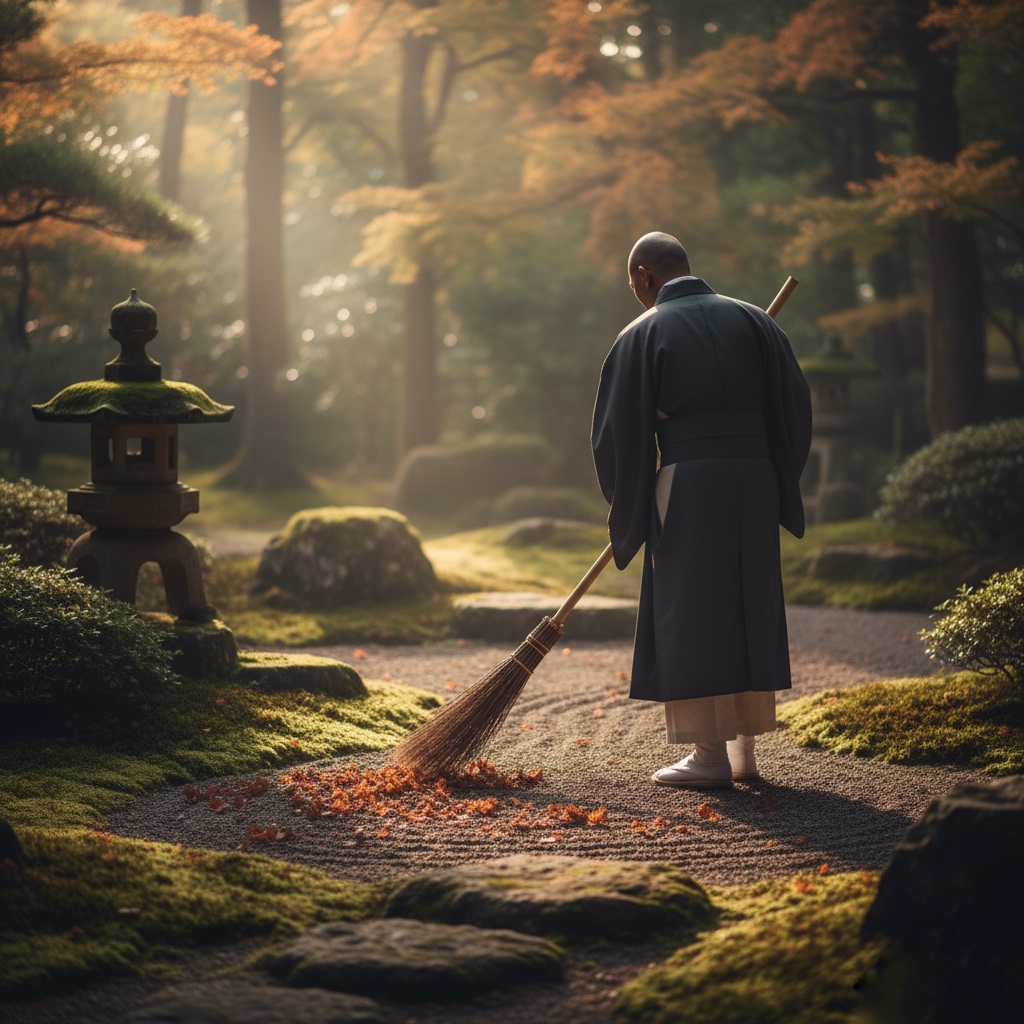
We often believe peace comes after success — after the project, after the vacation, after we’ve “done enough.”
But Zen says: the way you breathe, sweep, or listen — each is already enlightenment in motion.
You do not meditate to reach awakening.
You sit because you already are awake, and are remembering it.
“To sit in meditation is to let awakening take shape as your body.”
👉 Discover more: Japanese Meditation — The Spirit of Zen Practice
3. Shujinkō (主人公) — The True Master Within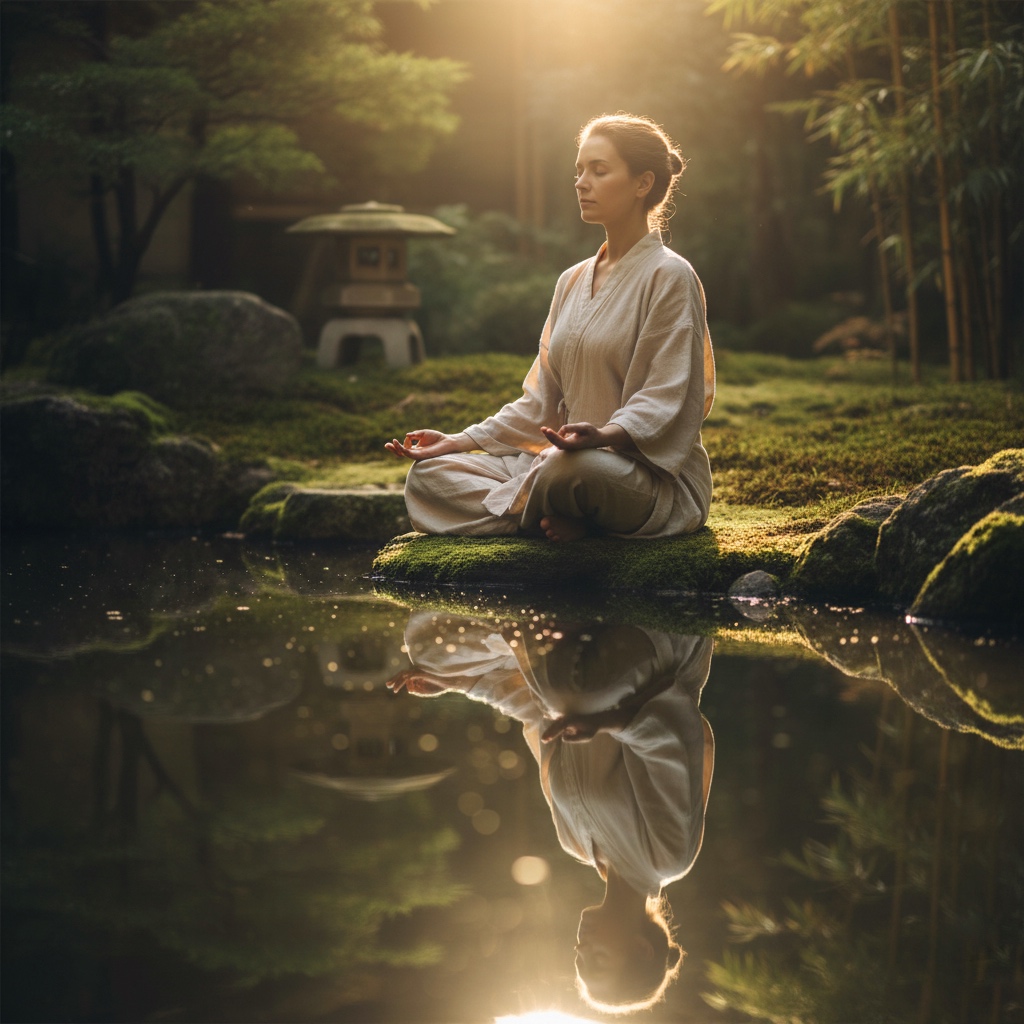
In Zen, shujinkō doesn’t mean “hero of a story.”
It means the one truly alive inside you — the self that observes, listens, and acts with clarity.
When the world pulls you into noise, ask:
“Who is breathing this breath?”
In that pause, the true master returns.
“You don’t have to find yourself; you only need to stop leaving.”
👉 Explore: Spiritual Retreats in Japan — Finding Silence in a Busy World
4. Hōgejaku (放下著) — Letting Go Completely
A monk once asked Master Jōshū, “What is Zen?”
He replied: “Drop it.”
The monk asked, “What should I drop?”
Jōshū said, “The one who asks.”
This is hōgejaku — releasing even the desire to release.
When we unclench, life flows again.
“The hand that lets go becomes open enough to receive.”
👉 Related reading: Zen Buddhism and Wabi-Sabi — The Japanese Art of Impermanence
5. Shoshin Fukai (初心不改) — Never Abandon the Beginner’s Heart
Every morning, the world is new — yet we meet it with old eyes.
Shoshin fukai means keeping that first-day wonder alive.
This is not naivety, but vitality — the heart that sees each encounter as part of one great lesson.
“The beginner’s mind is not empty — it’s endlessly alive.”
👉 You may also like: Meditation Practice as a Way of Being
6. Nyūnanshin (柔軟心) — The Gentle Mind
To have a soft heart is not weakness.
It is the courage to stay open when life invites you to close.
Flexibility is wisdom that bends, but never breaks.
A gentle mind can hold the world without shattering.
“A heart that yields is stronger than a mind that resists.”
👉 Read next: Zen Cuisine and Mindful Eating — Gratitude in Every Meal
Living the Dharma — Everyday Zen in Action

Zen does not end when the bell rings.
It continues when you fold the laundry, greet a neighbor, or prepare tea.
Gyō yaku zen, za yaku zen — “Walking is Zen, sitting is Zen.”
To live is to practice; to practice is to live.
Even five minutes of quiet can awaken the same light that shines in temples.
Not someday — now.
👉 Experience it yourself: Meditation Retreats in Japan — Stillness at the Foot of Mt. Fuji
A Living Example — Zen Practice at Koun-in Temple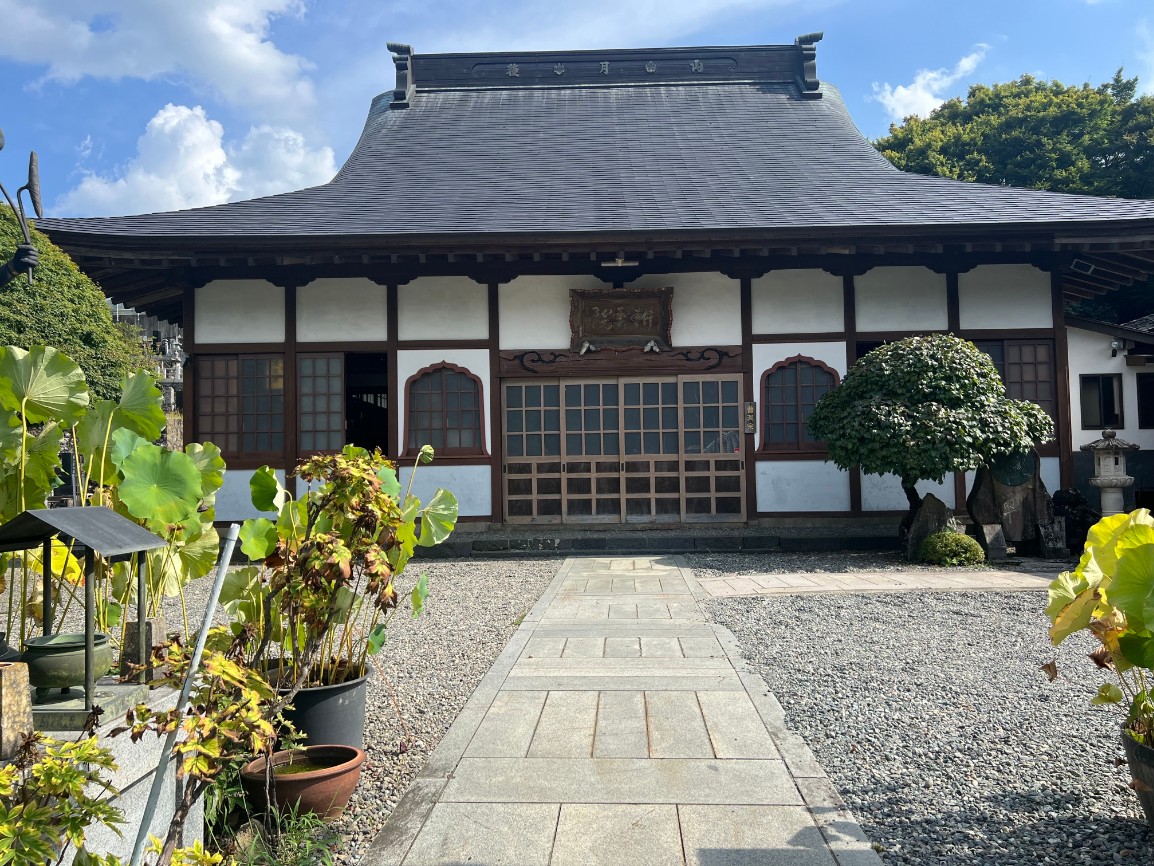
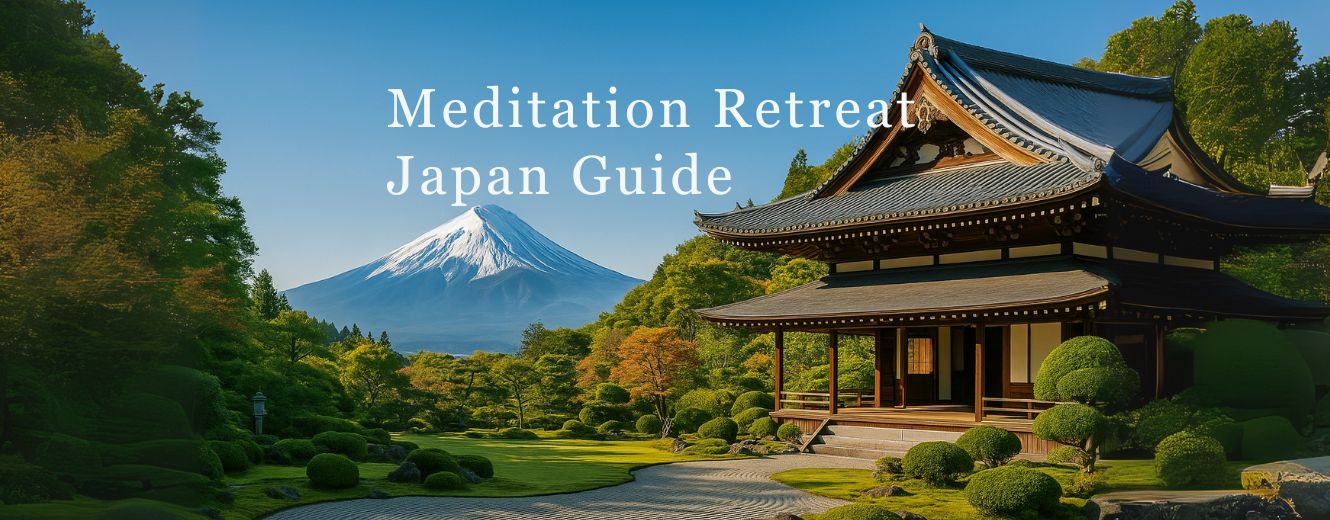
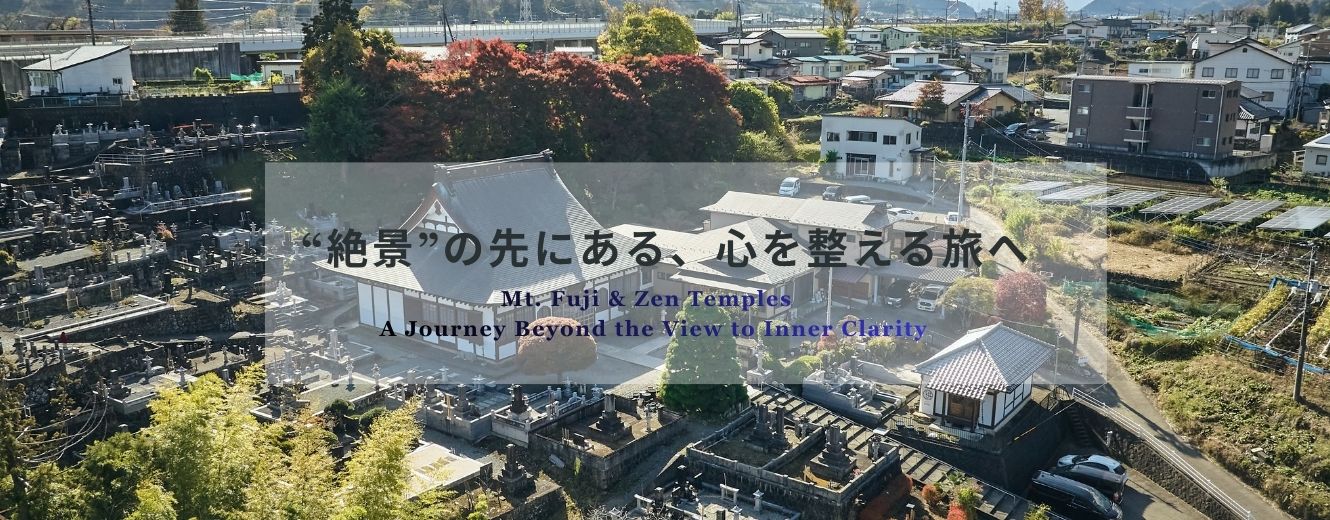
Nestled among cedar forests near Mt. Fuji, Koun-in Temple embodies this living Zen.
Here, meditation is not an escape — it’s a return.
Visitors experience awareness through:
-
-
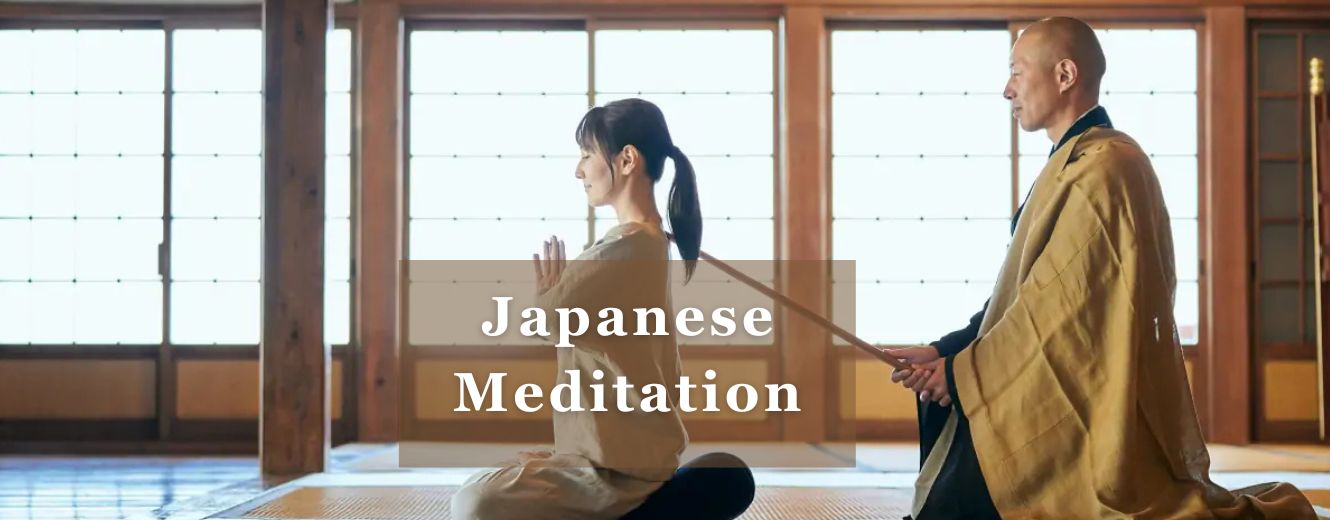
- Zazen (Seated Meditation) — short guided sessions in English
- Shakyo (Sutra Copying) — tracing the Heart Sutra as mindfulness in motion
- Shojin Ryōri (Zen Cuisine) — seasonal meals reflecting gratitude and impermanence
-
🕓 Duration: 3–4 hours 💰 Fee: ¥10,000–15,000
📍 Location: Tsuru City, Yamanashi (90 min from Tokyo / near Mt. Fuji)
Voices from Participants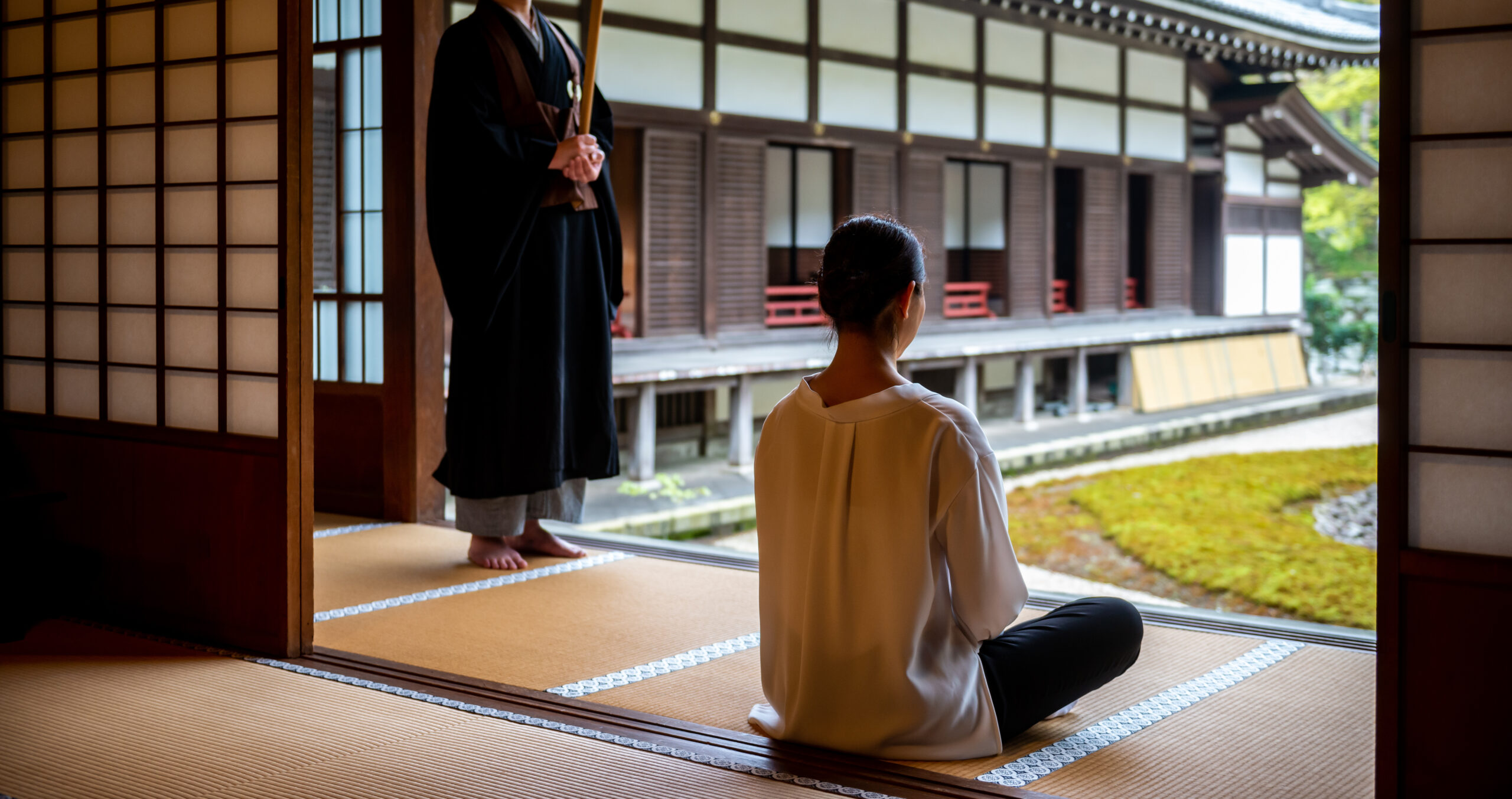
“The meditation retreat in Japan was the highlight of my trip. Sitting quietly near Mt. Fuji gave me peace I’d never felt before.”
“More than sightseeing — it felt like stepping into the living spirit of Japanese culture.”
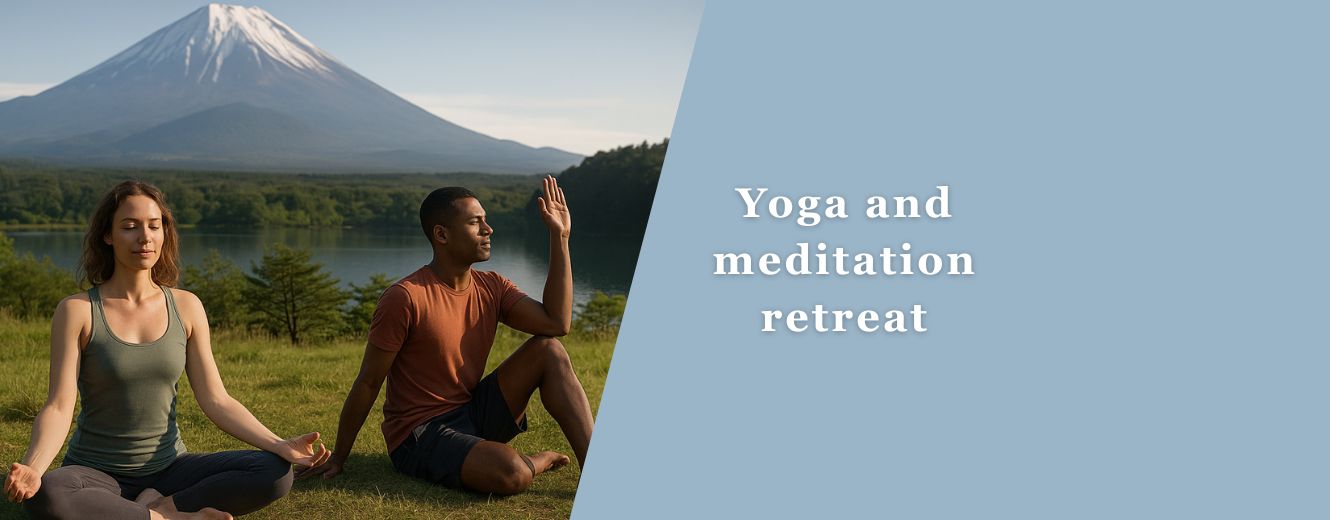
“The combination of yoga and zazen was unforgettable. It helped me experience mindfulness in a new way.”
“We joined as a couple, and sutra copying and temple food made the retreat uniquely Japanese.”
“As a senior traveler, I felt supported. Yoga prepared my body, and meditation gave me renewed energy.”
“As a yoga practitioner, the blend of movement and stillness in an authentic Zen setting was powerful.”
A Message from Rev. Chiken Kawaguchi — Vice Abbot of Koun-in Temple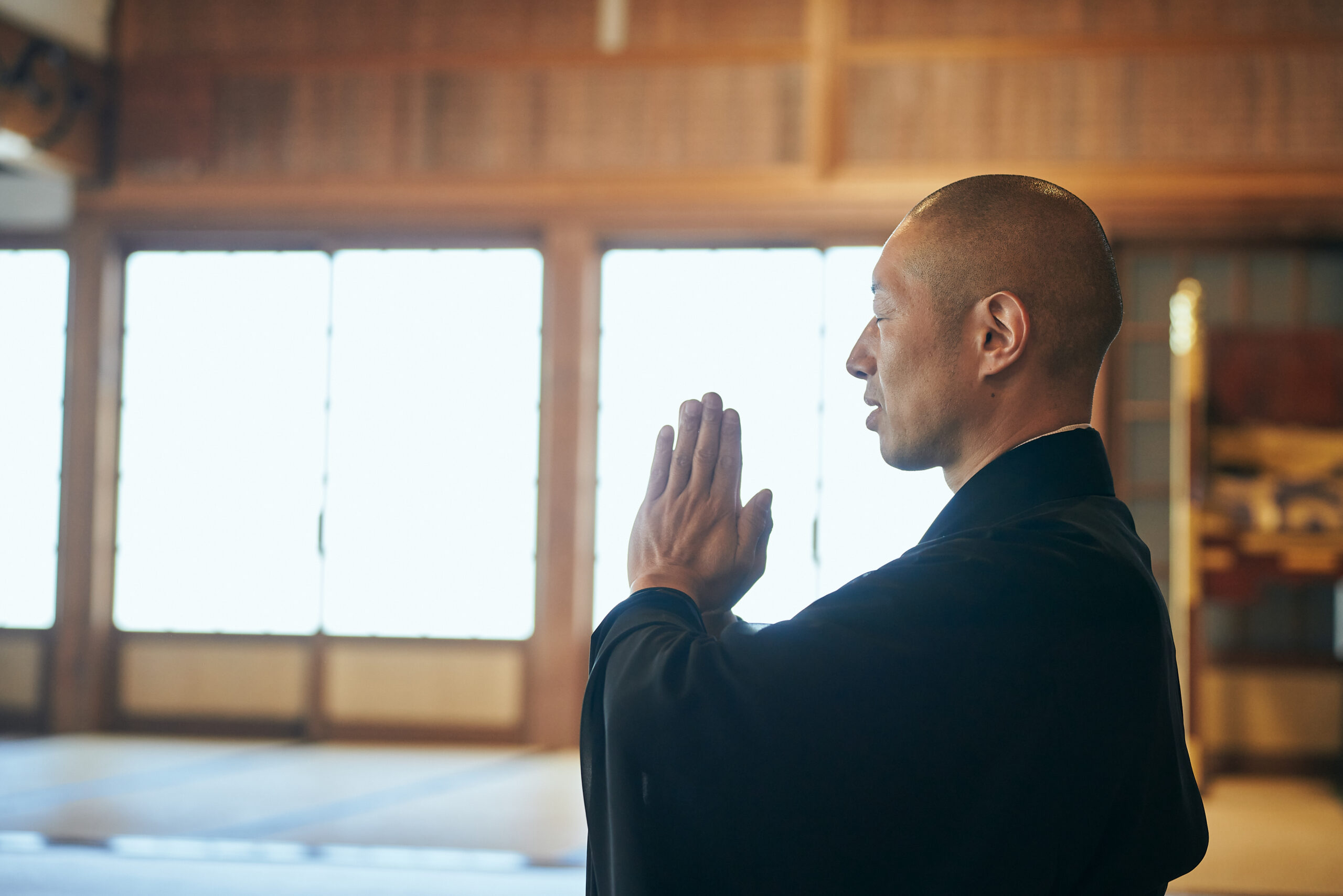
Hello, I’m Rev. Chiken Kawaguchi, Vice Abbot of Koun-in Temple, a Sōtō Zen monastery at the foot of Mt. Fuji.
Like many people, I once believed peace would come after success — after I had done enough.
I lived like a “swimming fish,” afraid to stop.
But I discovered something simple:
True peace appears when we pause.
At Eiheiji, the head temple of Sōtō Zen, I learned that discipline is not about harshness but harmony — aligning body, breath, and mind (Chōshin, Chōsoku, Chōshin).
Through this, I realized: “The act of sitting itself is enlightenment.”
Zen is not confined to the meditation hall.
“Gyōjūzaga” — every act of standing, walking, sitting, and lying down — can be practice.
Even five mindful minutes can become your own temple.
“Do not let time pass in vain.” — Dōgen Zenji
The right moment to begin is not tomorrow — it is now.
FAQ — About Buddhist Retreats in Japan
Q. Can I join alone?
Yes. Many participants come solo, seeking quiet time for themselves. Beginners are warmly supported.
Q. How long is the program?
About 3–4 hours — easy to fit into a travel schedule.
Q. Is English guidance available?
Yes. Simple English guidance is provided.
Q. Is Shojin Ryori included?
It depends on the plan. The meal option lets you experience mindful eating.
Q. Do I need to bring anything?
No. Comfortable clothing is enough; all materials are provided.
Q. How do I book?
Please make an advance reservation through our contact form. Early booking is recommended, especially on weekends and holidays.
👉 Ready to experience Zen in Japan? Book your retreat here
Closing Words — The Path Is Where You Stand
Everyday life is the monastery.
Each action, each breath, each choice is an invitation to awaken.
You are already walking the Zen path.
Quietly, completely — now.