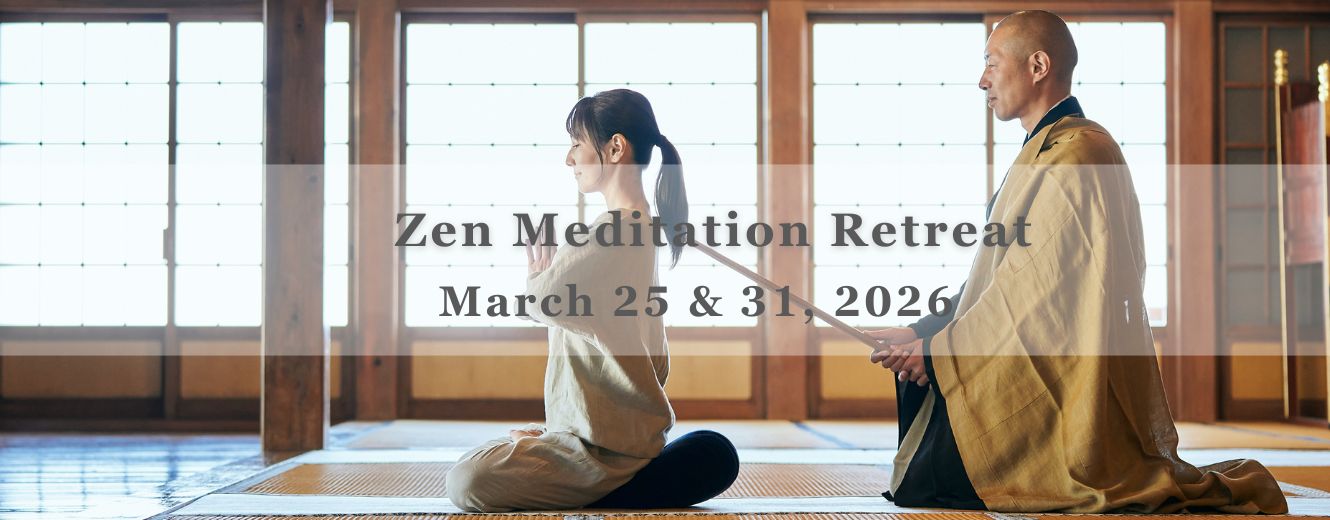

1. Introduction — Inner Stillness, Outer Dialogue

Two ripples meet upon a quiet lake and merge into one.
When we discover inner peace through meditation, that stillness naturally extends outward — becoming harmony with others, what Zen calls mediation in life itself.
In Buddhism, this connection is described as engi — the truth that everything exists through relationships.
To bring harmony to the world, we first learn to see ourselves clearly.
This meeting point between the “self” and the “other” is where real Zen practice begins.
Relationship is a mirror.
By polishing it, the world becomes clear.
2. Meditation — The Art of Inner Alignment
Meditation is not about emptying the mind, but listening to it.
In an age of noise and constant motion, sitting quietly becomes an act of courage.
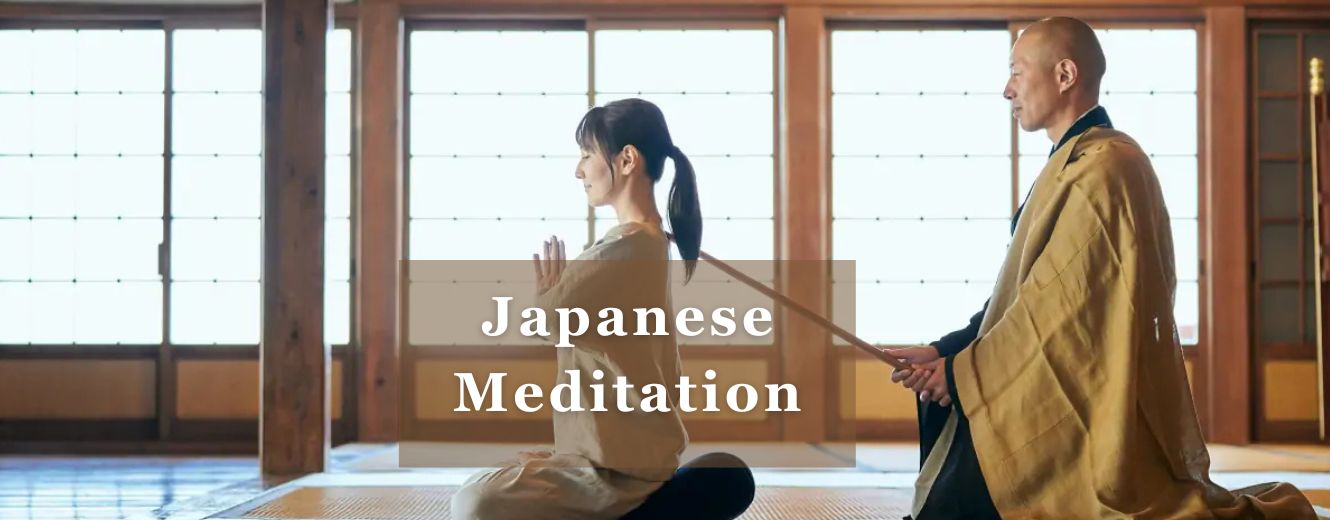
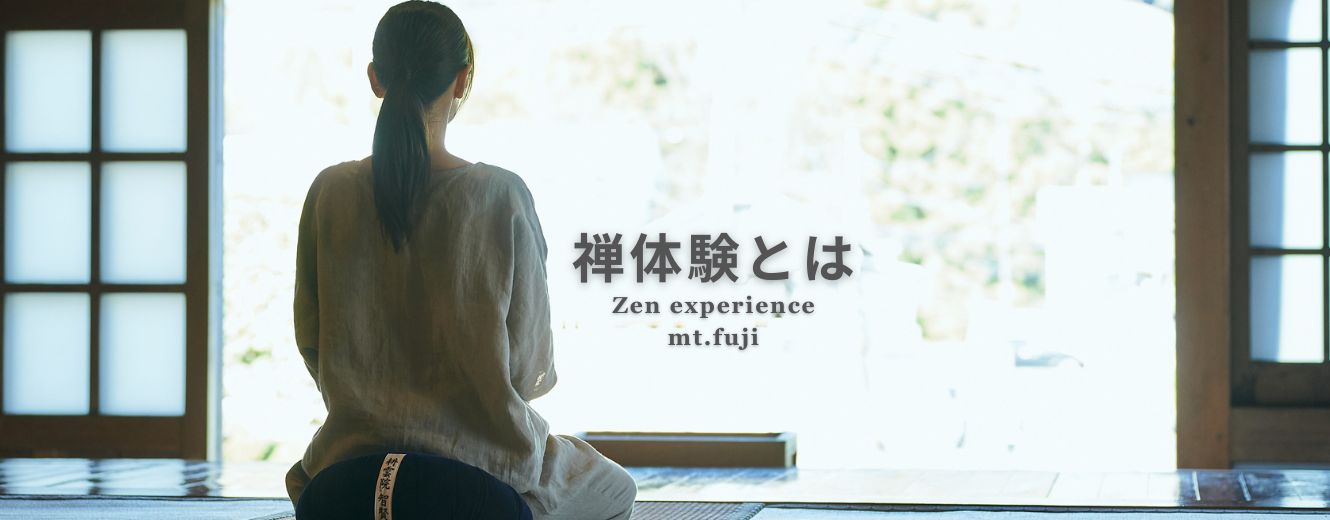
Zen meditation, or zazen, is not about achieving enlightenment — it’s about returning to balance, what Dōgen Zenji called the Middle Way.
You simply sit, breathe, and allow the mind to settle on its own.
This is inner mediation — reconciling the conflicts within yourself without judgment.
When anger or anxiety arise, we observe them gently, then return to center.
Through this repetition, we develop a second self — the quiet witness behind emotion.
When the mind is calm, action becomes clear.
When the inner world is ordered, the outer world reflects it.
👉 Related reading:
Japanese Meditation — The Spirit of Zen in Japanese Culture
Japanese Meditation Retreat — Short Zen Experiences in Japan
3. Mediation — Extending Stillness into Relationship
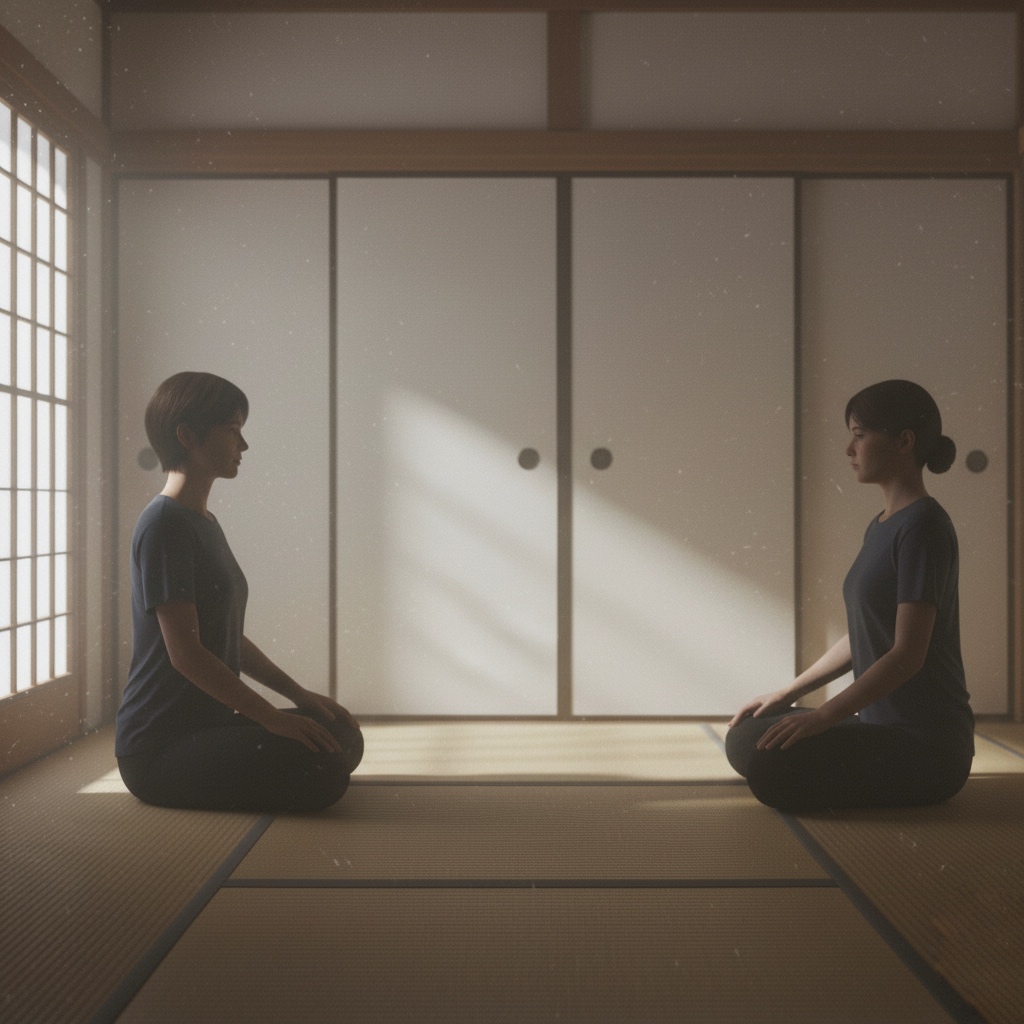
Mediation means resolving conflict through understanding rather than control.
Zen calls this dōji — “sharing the same work.”
In daily life, harmony starts not from speaking, but from listening.
Meditation cultivates the ability to pause before reaction — the space where empathy grows.
Dōgen taught: Before speaking in anger, reflect three times.
That single breath can transform emotion into awareness.
Each pause becomes a bridge between people.
To recognize that others, too, wish not to suffer — this is the essence of altruism.
👉 Related reading:
Meditation Retreats in Japan — Authentic Zen Experiences
Yoga and Meditation Retreats — Balancing Body and Mind
4. Where the Two Meet — The Philosophy of Inner & Outer Harmony
Meditation and mediation are not opposites; they complete each other.
Inner stillness gives birth to empathy, and empathy sustains stillness.
“The power of silence transforms the quality of dialogue.”
In Zen, everything is impermanent (shogyo mujo).
Because the world constantly changes, we train a quiet mind that does not cling.
This is how stillness adapts — soft, flexible, responsive.
When you change within, relationships shift without.
Peace becomes not a condition but a practice.
To align yourself is the first act of changing the world.
5. Practice Guide — Cultivating Harmony in Daily Life
Bring this philosophy into ordinary moments through three mindful steps:
Step 1 — Introspection
Begin your morning with five minutes of sitting.
Observe without judgment — let thoughts rise and fall like clouds.
Step 2 — Empathy
At work or at home, listen fully before responding.
Find yourself in the other person’s story.
Step 3 — Harmony
When emotion surges, take one mindful breath before speaking.
That pause can change the tone of a relationship — and of a day.
In Zen we practice dōgyō dōshū — walking the path together.
Join others in online zazen or at a temple retreat, where silence is shared rather than solitary.
👉 Related reading:Meditation + Yoga Retreats in Japan — Restoring Balance
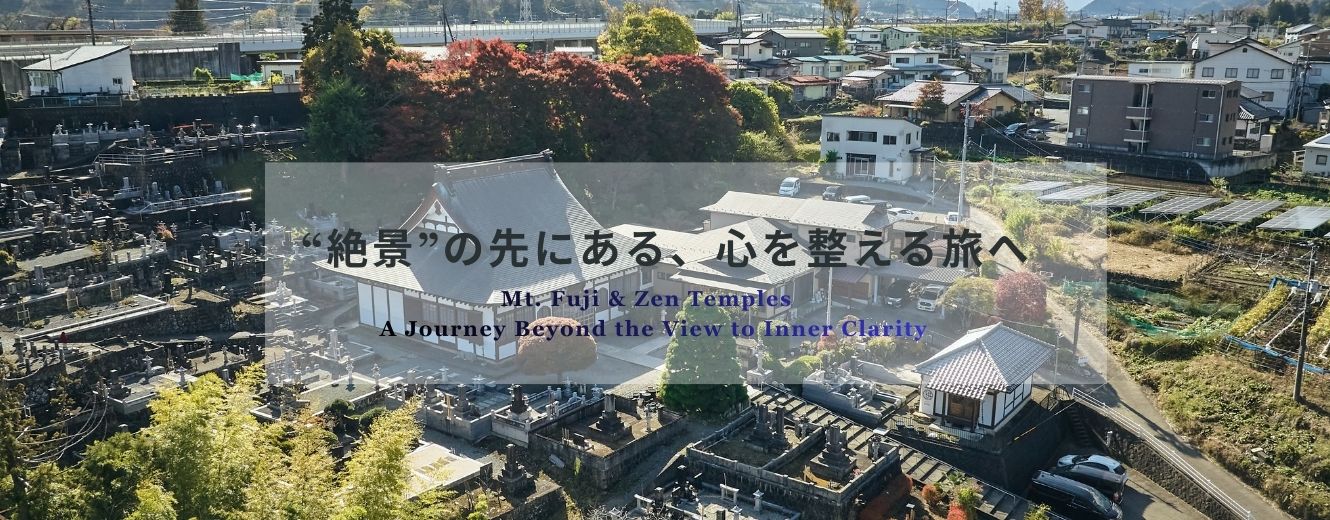
6. A Place of Quiet — Koun-in Temple, Foot of Mt. Fuji
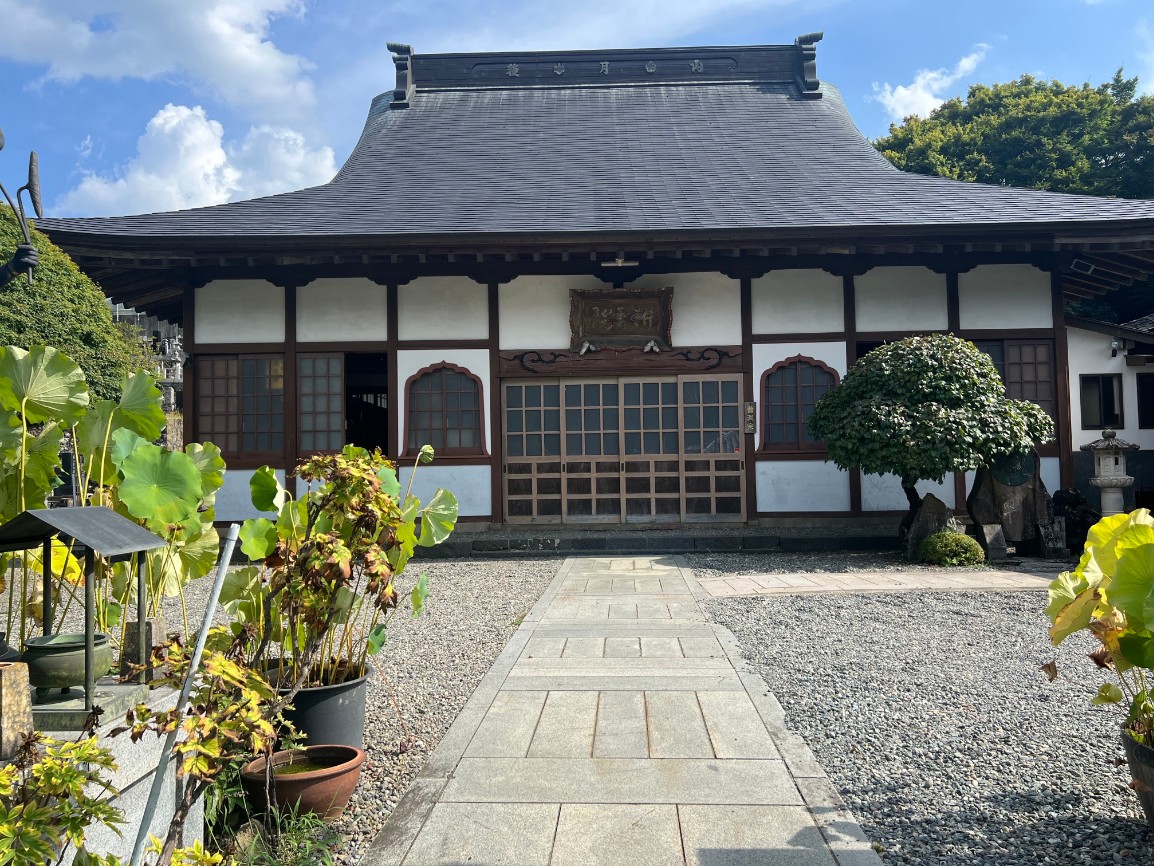
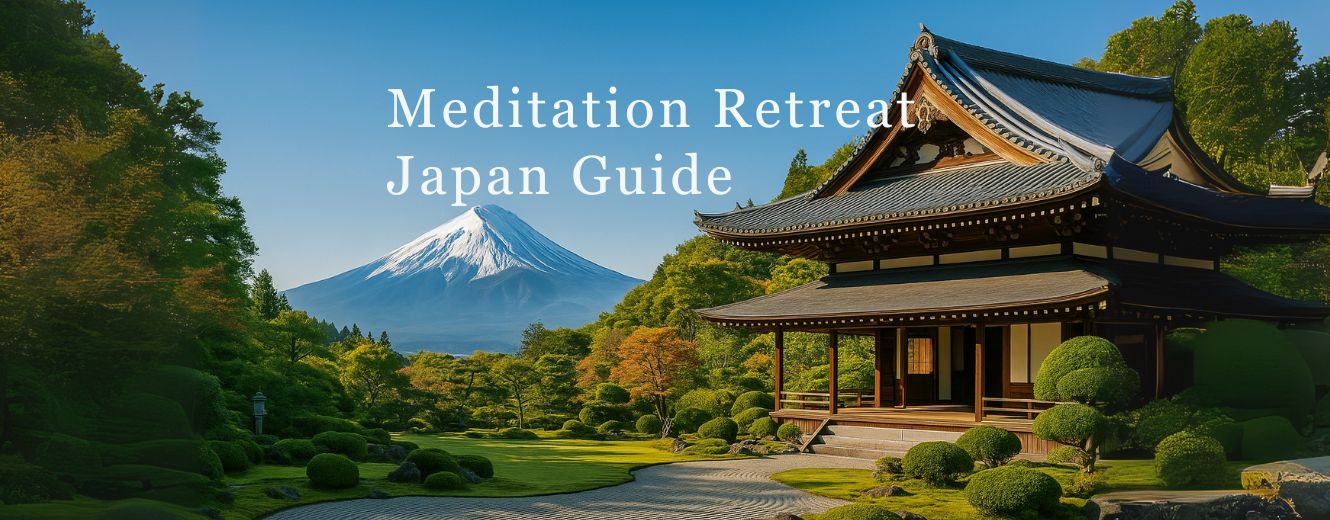
Nestled among the cedar forests of Yamanashi Prefecture stands Koun-in Temple —
a place where sound and silence coexist.
When the temple bell rings, the mountain answers once,
and even the wind seems to bow.
Here, Zen is not explained — it is felt.
Stillness takes form in how monks move, in how rice is washed,
in how breath meets morning light.
“Where you stop seeking, stillness begins.”
👉 While visiting Koun-in Temple, explore nearby cultural and nature experiences:Things to Do Around Mt. Fuji
7. A Living Example — Mindfulness Training in Japan
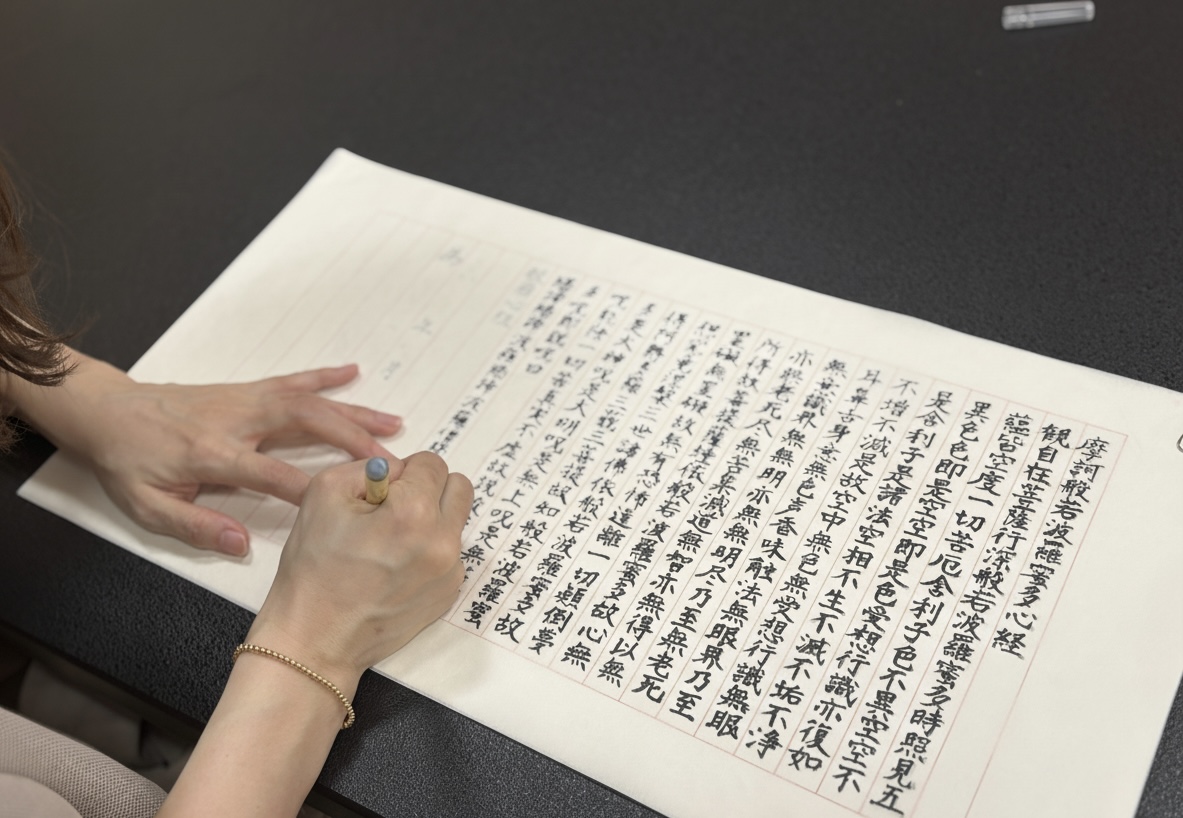
Those who wish to experience this discipline of stillness
can join the Zen Retreat at Koun-in Temple,
a Sōtō Zen monastery at the foot of Mt. Fuji.
Program Highlights
- Zazen Meditation — short guided sessions in English
- Sutra Copying (Shakyo) — patience and precision in ink
- Mindful Actions — awareness through simple work
- Shojin Ryori (Zen Cuisine) — plant-based gratitude meals
🕓 3–4 hours 💰 ¥10,000 – 15,000 📍 Tsuru City, Yamanashi (90 min from Tokyo)
👉 Visit Koun-in Temple Zen Retreat
8. Voices from Participants — Zen Retreat Experiences in Japan

“The meditation retreat in Japan was the highlight of my trip. Sitting quietly near Mt. Fuji gave me peace I’d never felt before.”
“More than sightseeing — it felt like stepping into the living spirit of Japanese culture.”
“The combination of yoga and zazen was unforgettable. It helped me experience mindfulness in a new way.”
“We joined as a couple, and sutra copying and temple food made the retreat uniquely Japanese.”
“As a senior traveler, I felt supported. Yoga prepared my body, and meditation renewed my energy.”
“As a yoga practitioner, the blend of movement and stillness in an authentic Zen setting was powerful.”
9. A Personal Note — From Rev. Chiken Kawaguchi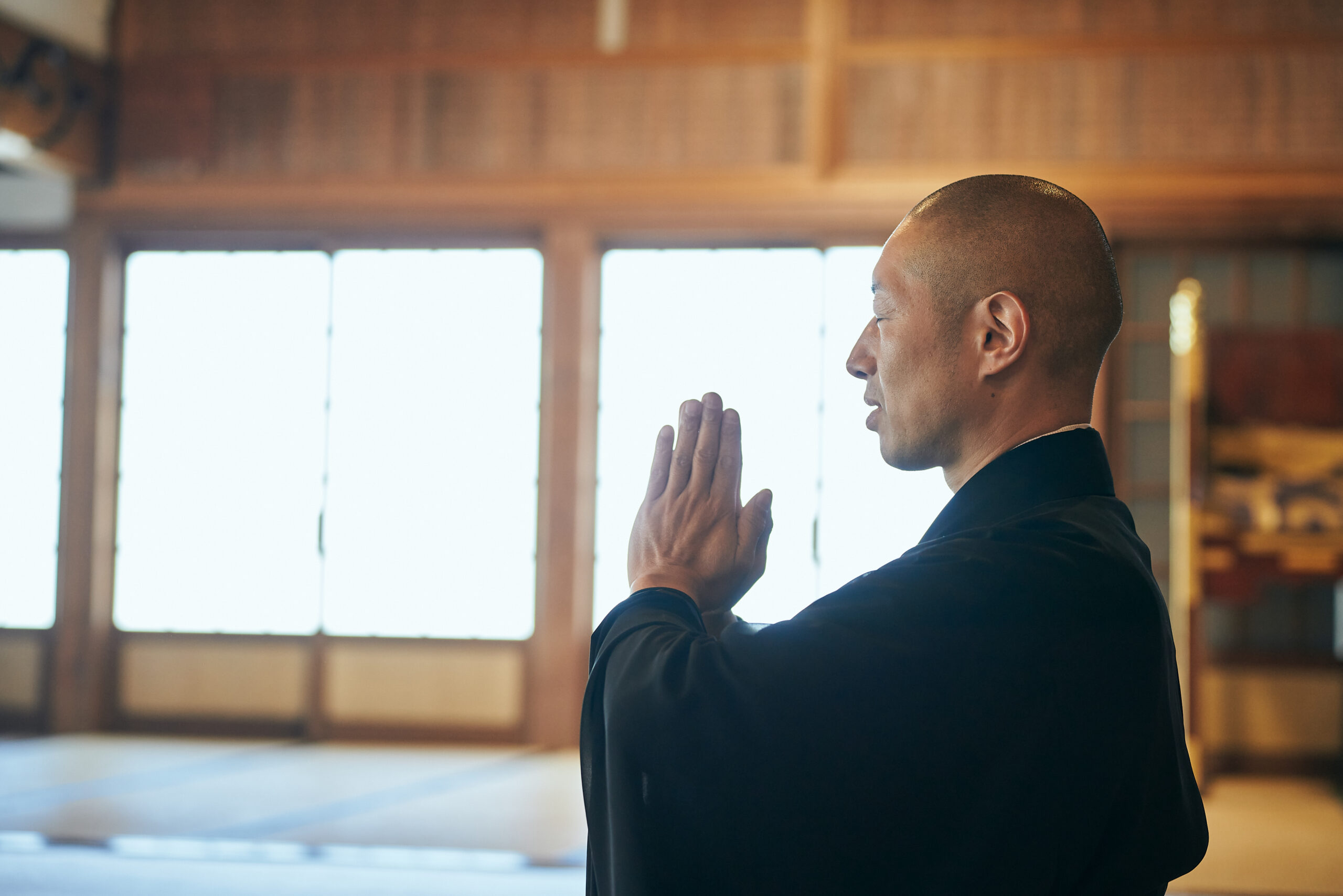
“For years I lived in constant motion — chasing growth, deadlines, achievement.
Like many professionals, I believed peace would come after success.
But true calm begins before success — in the discipline of stillness itself.”
At Eiheiji, the head temple of Sōtō Zen, I learned that discipline isn’t restriction; it’s alignment.
Each bow, each breath, each repetition revealed where my mind had wandered — and how to return.
“Practice is not preparation for life — it is life itself.”
You don’t need to quit your job or family to begin.
Five mindful minutes a day can become your temple.
Each pause and breath trains awareness — not escape, but engagement.
Wherever you are — office, home, or travel — begin there.
Don’t wait for calm. Train it.
👉 Join Online Zazen from Japan — Experience Corporate Mindfulness at Its Roots
10. Conclusion — Silence as Dialogue
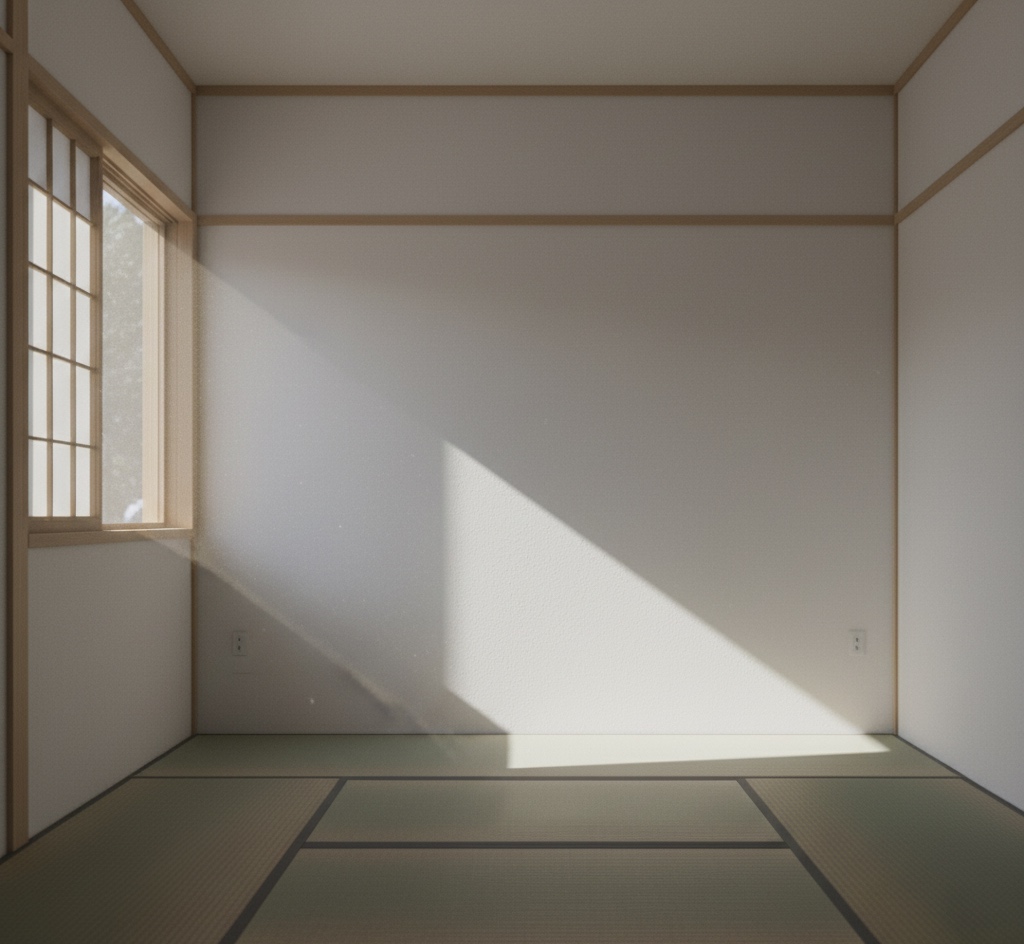
Meditation is reconciliation with yourself.
Mediation is reconciliation with the world.
Both begin with listening.
When you calm the mind, you create space for others.
When you listen deeply, the world becomes your mirror.
“To harmonize within is to harmonize without.”
Begin with silence.
Begin where you are.
That is the way of Zen.