Mindfulness Retreat — Beyond Noise, Toward Genuine Stillness


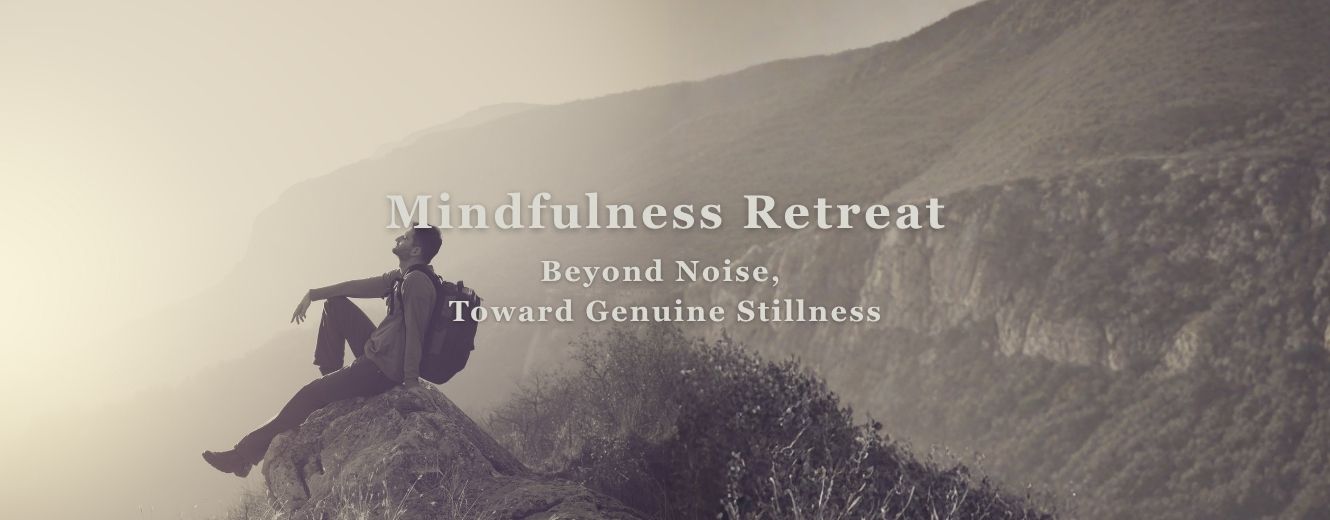
Why Many Seek a Mindfulness Retreat TodayYoung professional taking mindful pause from technology during mindfulness retreat for digital detox
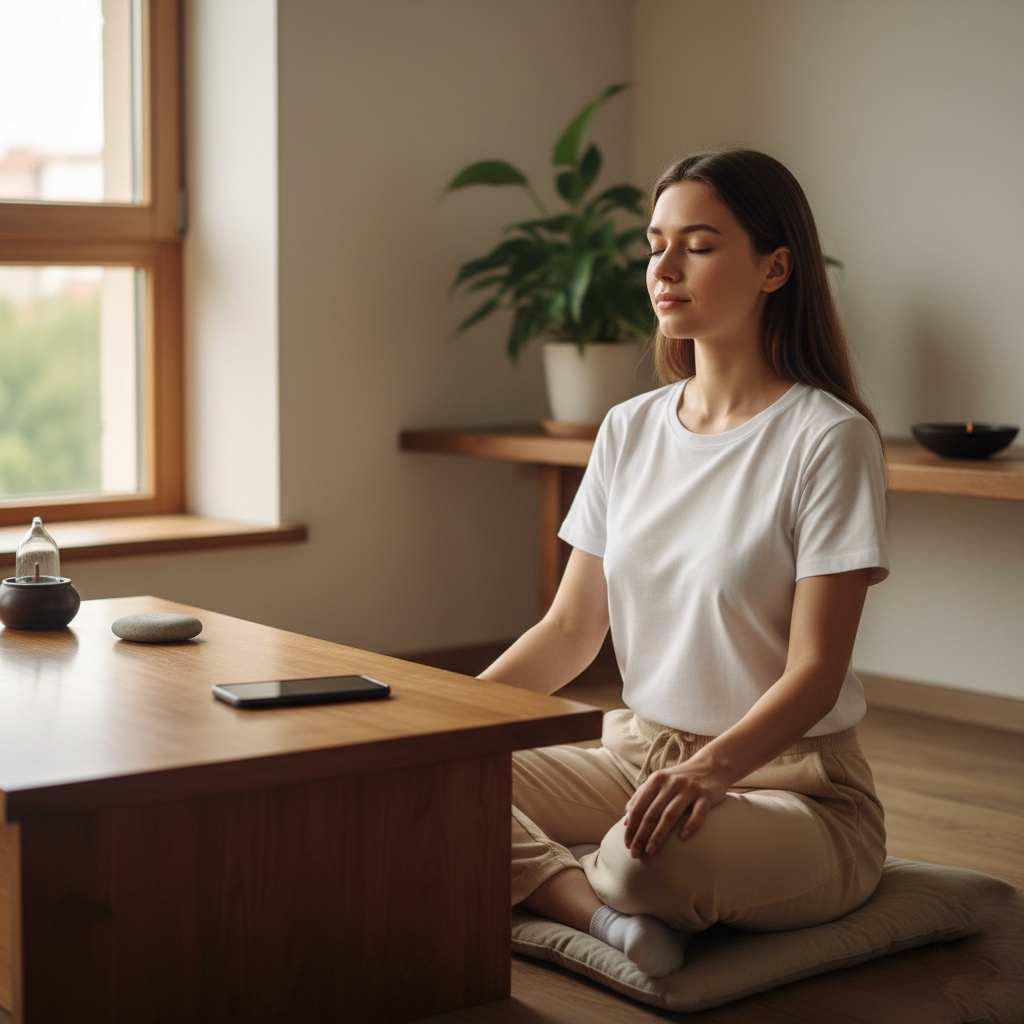
You’ve read the books, tried the apps, maybe even joined a weekend workshop or a silent retreat.

And yet — the moment you return to your inbox, that sense of calm slips away.

You already understand gratitude, awareness, and the value of slowing down.

Still, somewhere inside, a quiet unease remains — a sense that something essential is missing.

You’re not looking for another tool or technique.

You’re looking for something real — a place where silence doesn’t have to be forced.

That’s when many people begin searching for deeper experiences through “mindfulness retreat.”

Not as an escape from life — but as a way to return to it, fully awake.

The Evolution of Mindfulness Retreats — From Comfort to ClarityGlobal mindfulness retreats from forest monasteries to Zen temples offering true clarity beyond comfort
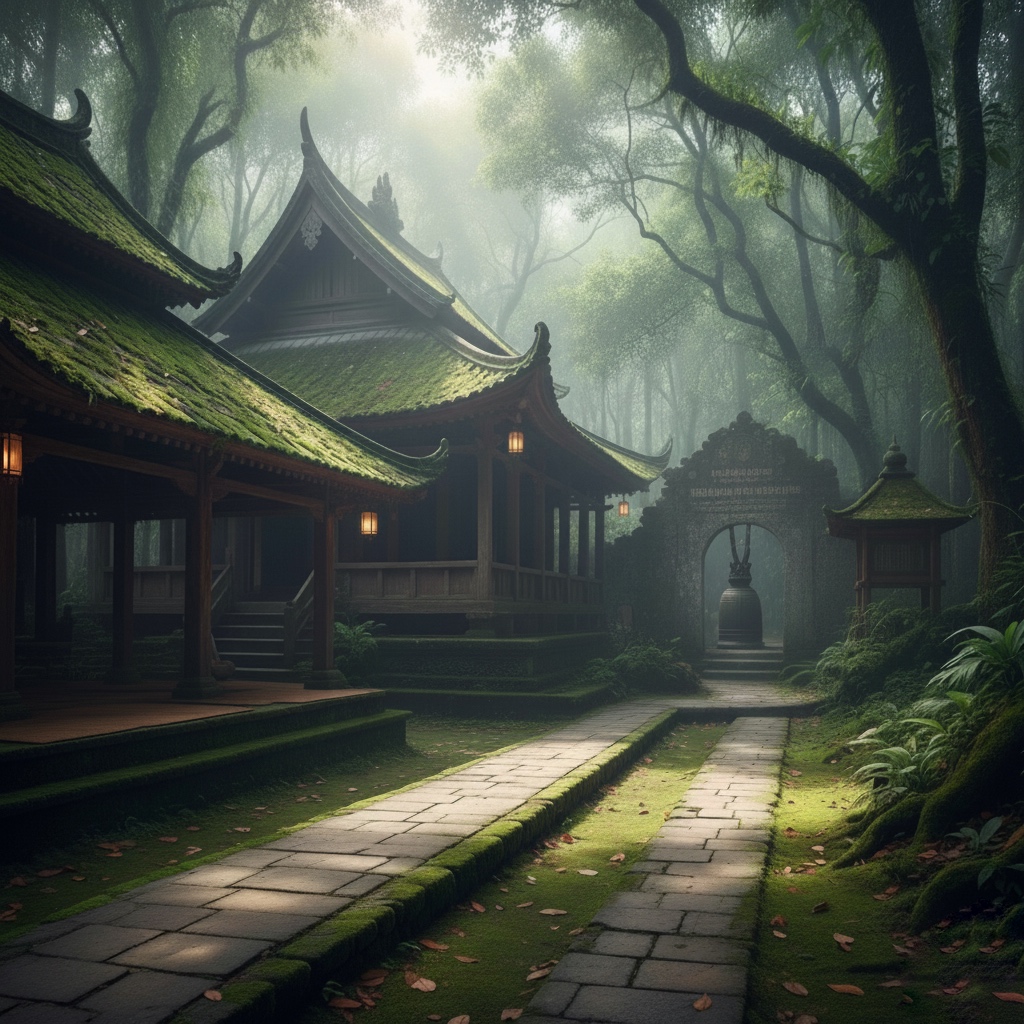
From Spirit Rock in California to forest monasteries in Thailand, mindfulness retreats are now everywhere.

Some take place in luxury resorts; others in simple temples deep in nature.

Each promises peace, but what people truly seek is not comfort — it’s clarity.

“Not to appear calm, but to truly be calm.”

Apps can remind you to be mindful.

But a retreat allows you to remember what it feels like to be human — to reconnect body, breath, and awareness.

👉 For combined yoga and mindfulness experiences, explore our Yoga and Meditation Retreats in Japan

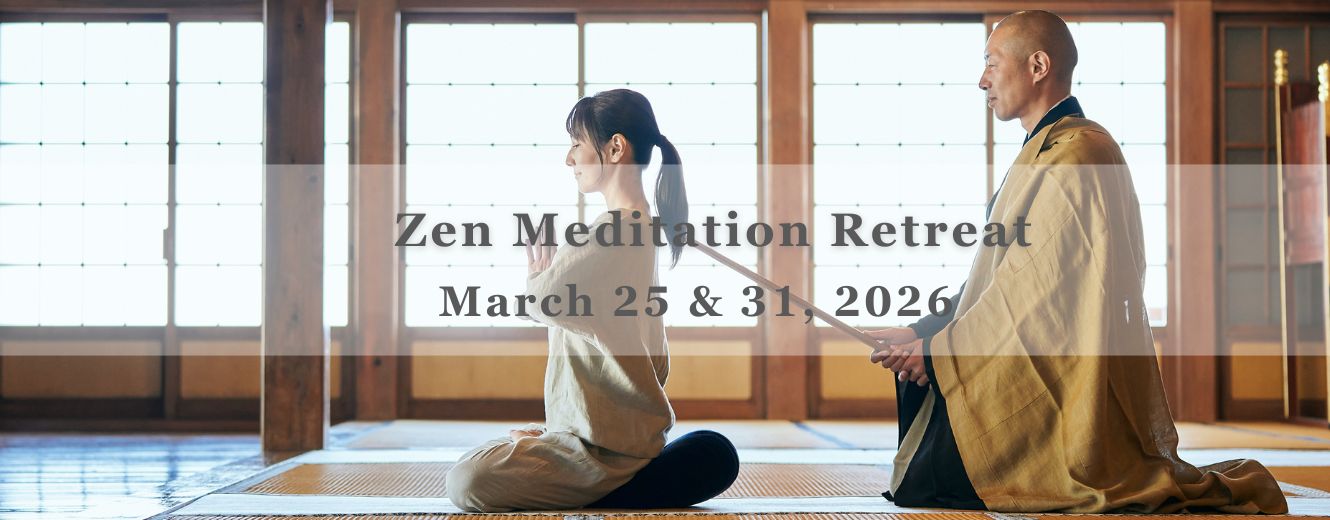
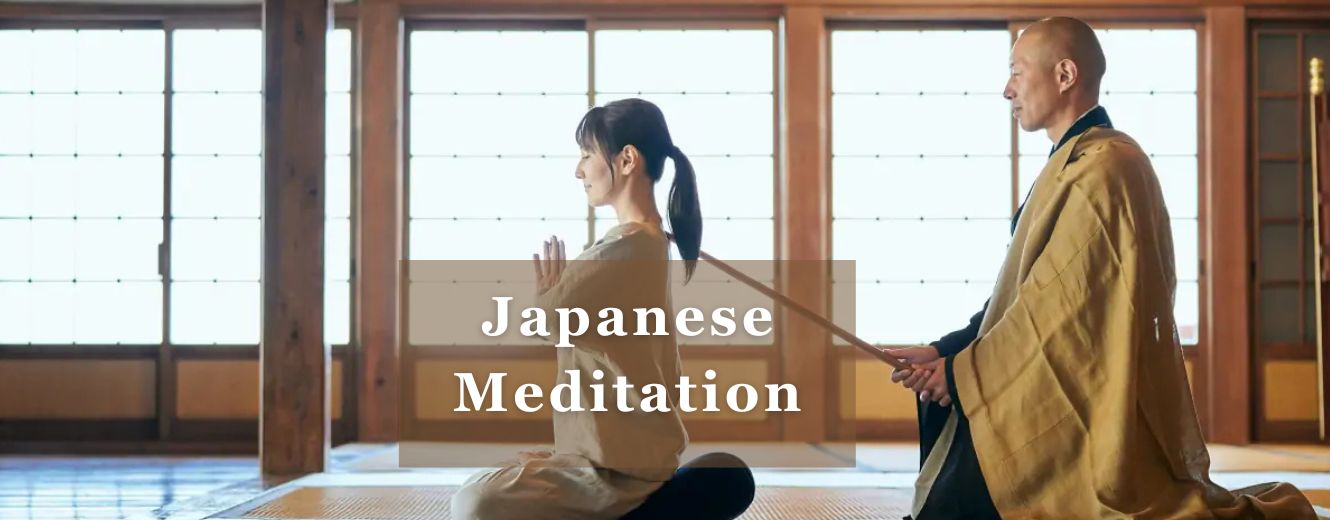
What Happens During a Mindfulness RetreatMorning zazen meditation during mindfulness retreat at Japanese temple near Mt. Fuji
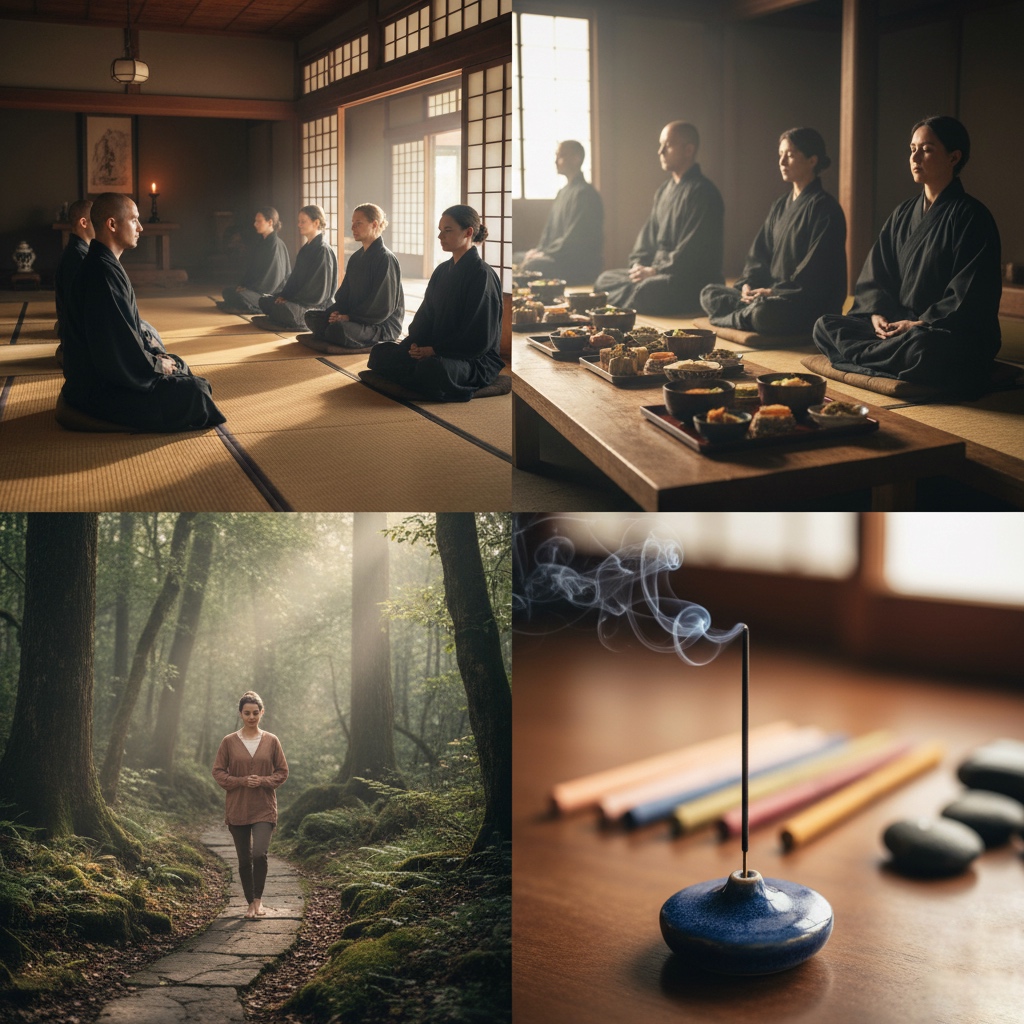
A retreat isn’t about escaping reality.

It’s about returning to it — moment by moment. You wake up early.

You sit, breathe, eat in silence. At first, your inner noise feels louder than ever.

But after some time, that noise begins to soften.

You start to notice the sound of wind, the scent of incense, the simple rhythm of your breath. The world feels alive again.

Science confirms what the body already knows: mindfulness retreats lower cortisol, improve sleep, and help reset the nervous system.

But the deepest transformation isn’t measurable — it happens when you realize stillness was never missing; it was simply waiting beneath the noise.

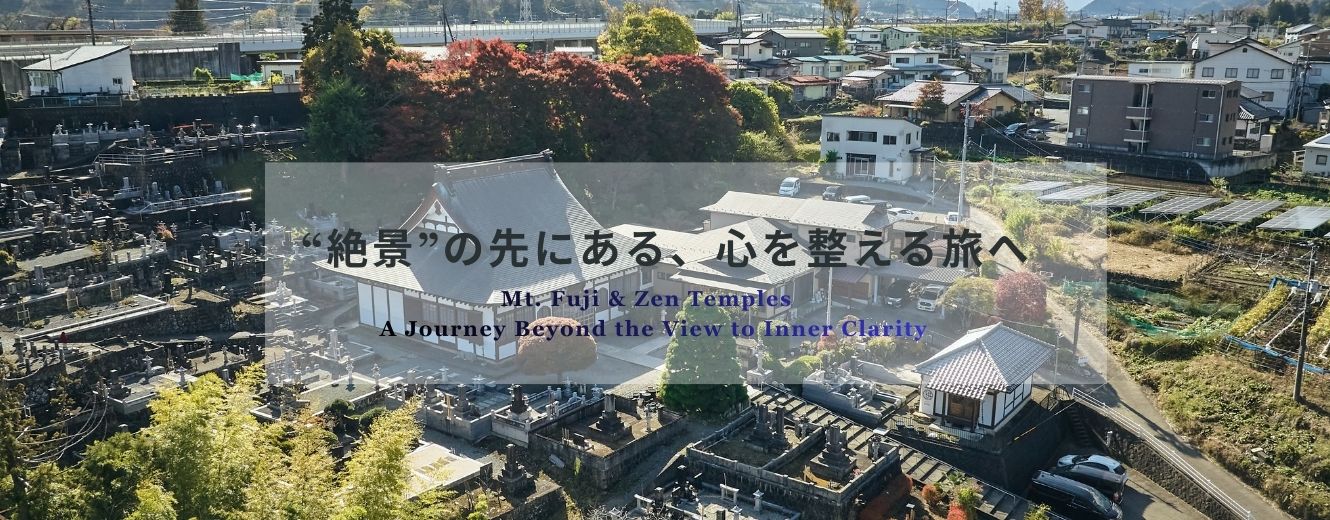
Where Zen Meets Mindfulness — A Retreat Near Mt. FujiKoun-in Temple Soto Zen monastery near Mt. Fuji offering authentic mindfulness retreats in Japan
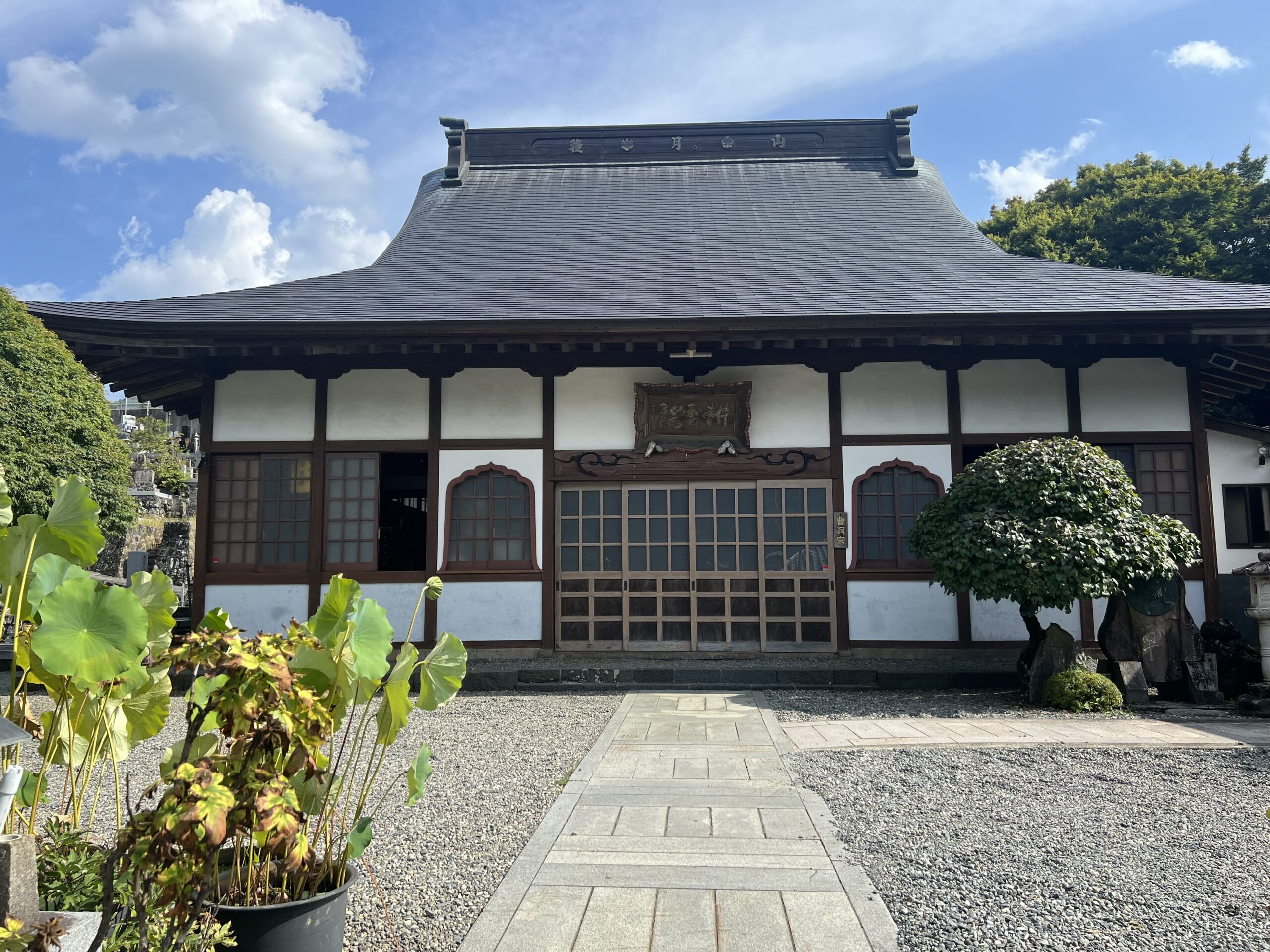
Just 90 minutes from Tokyo, in the forested foothills of Mt. Fuji, stands Koun-in Temple, a Soto Zen monastery founded in 1398.

For centuries, pilgrims stopped here to purify body and mind before climbing the sacred mountain.

Today, that same tradition continues — through short, beginner-friendly mindfulness retreats designed for modern travelers.

👉 To understand the roots of Zen, see our Zen Buddhism Temples in Japan article

Program Highlights

      • Incense & mindful actions — using fragrance to shift from daily life into calm presence
      • Yoga — gentle movements like Sun Salutations to prepare body and mind
      • Zazen meditation — short guided sittings in English for beginners
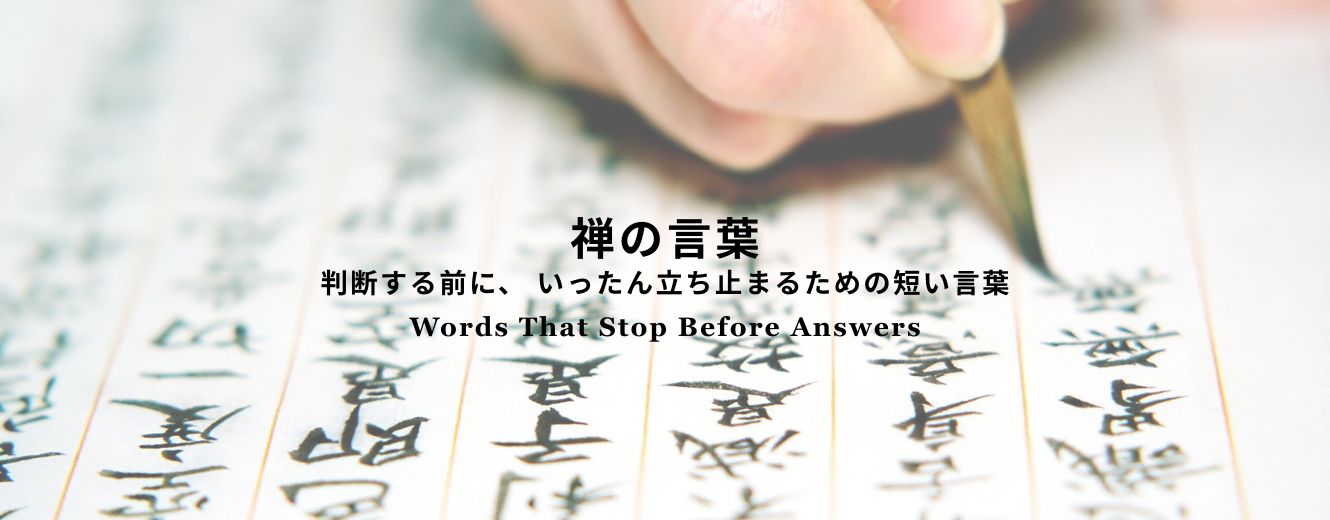
      • Sutra copying (Shakyo) — tracing the Heart Sutra to cultivate focus and compassion
      • Shojin Ryori (Zen cuisine) — seasonal plant-based meals, vegan and Halal friendly


        • 🕓 Duration: 3–4 hours
        • 💰 Fee: ¥10,000–15,000
        • 📍 Tsuru City, Yamanashi — 90 min from Tokyo / near Mt. Fuji

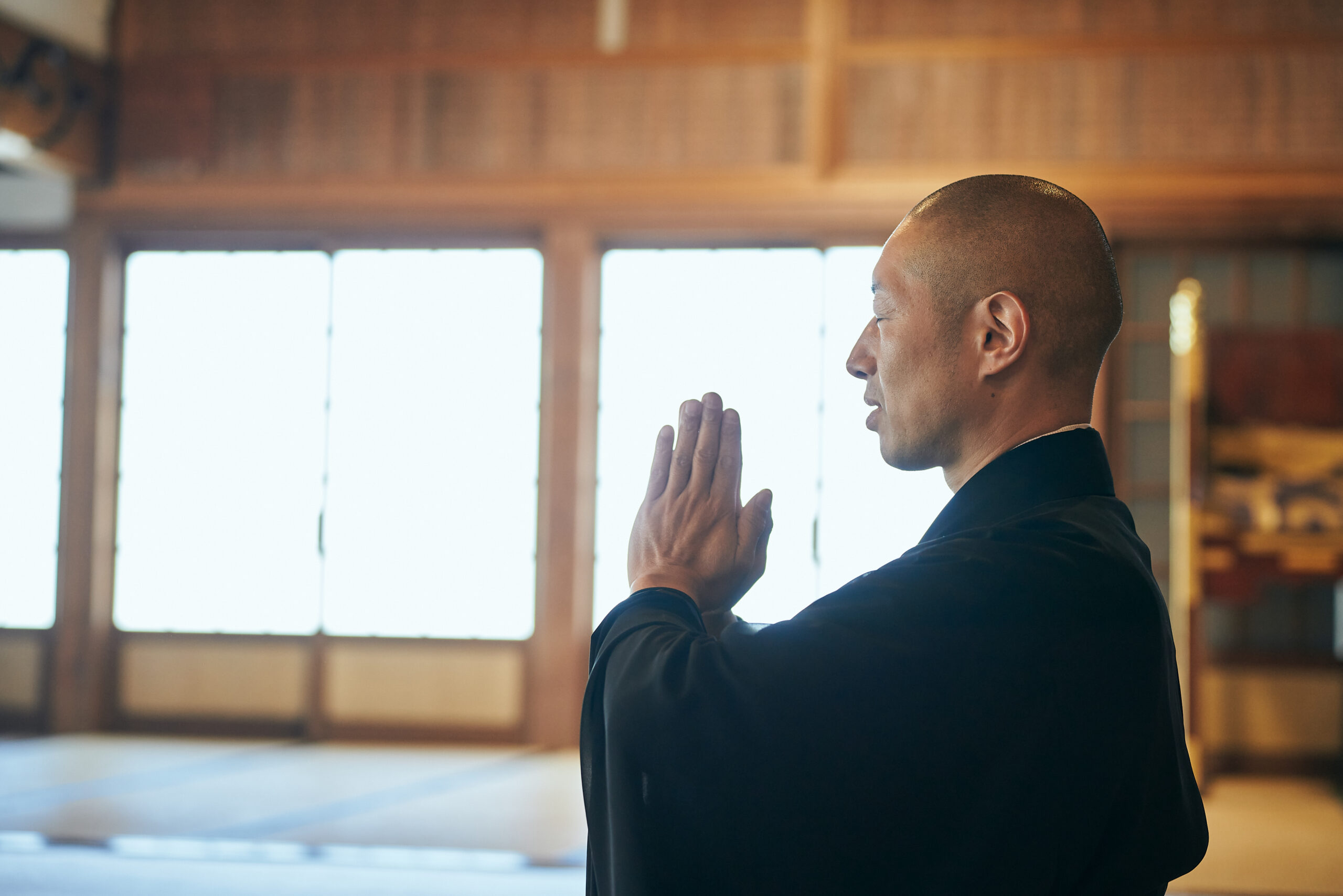
A Personal Note — From Rev. Chiken KawaguchiRev. Chiken Kawaguchi, Zen monk and vice abbot of Koun-in Temple in Japan, sharing mindfulness guidance near Mt. Fuji
“Before becoming a monk, I was just like you.”

Hello — my name is Rev. Chiken Kawaguchi, Vice Abbot of Koun-in Temple, a Soto Zen monastery located at the foot of Mt. Fuji, about 90 minutes from Tokyo.

In my 20s, I lived far from anything resembling Zen life. Surfing, fashion, nightlife — I chased stimulation, freedom, success. Outwardly, I looked alive; inwardly, I was restless.

What I learned was this: peace doesn’t come from adding more — it comes from subtracting. Fewer noises. Fewer comparisons. Less rushing.

Eventually, I entered Eiheiji, the head temple of Soto Zen, and spent four years training under strict discipline. Through zazen and shojin ryori, I discovered that peace is not comfort — it’s the ability to accept each moment as it is.

Cooking, cleaning, breathing — each became a path back to presence.

Now, through online zazen, yoga-and-Zen retreats, and local community programs,I share this way of living with others.

“You don’t need to be a monk to find stillness.
You just need a space to breathe — and a place to come home to.”

Voices from Participants

“The meditation retreat in Japan was the highlight of my trip. Sitting quietly near Mt. Fuji gave me peace I’d never felt before.”

“More than sightseeing — it felt like stepping into the living spirit of Japanese culture.”

“The combination of yoga and zazen was unforgettable. It helped me experience mindfulness in a new way.”

“We joined as a couple, and sutra copying and temple food made the retreat uniquely Japanese.”

“As a senior traveler, I felt supported. Yoga prepared my body, and meditation gave me renewed energy.”

“As a yoga practitioner, the blend of movement and stillness in an authentic Zen setting was powerful.”

FAQ — About Koun-in Temple Mindfulness Retreat in Japan

Can I join alone?

Yes. Many participants come solo, seeking quiet time for themselves. Beginners are warmly supported.

How long is the program?

About 3–4 hours — easy to fit into a travel schedule.

Is English guidance available?

Yes. Simple English guidance is provided.

Is shojin ryori included?

It depends on the plan. Choosing the meal option allows you to experience mindful eating.

Do I need to bring anything?

No. Comfortable clothing is enough — all materials are provided.

How do I book?

Please make an advance reservation through our contact form. Early booking is recommended, especially during weekends and holiday seasons.

Plan Your Visit — A Morning of Stillness at the Foot of Mt. FujiPeaceful morning mindfulness retreat near Mt. Fuji inviting travelers to plan their visit
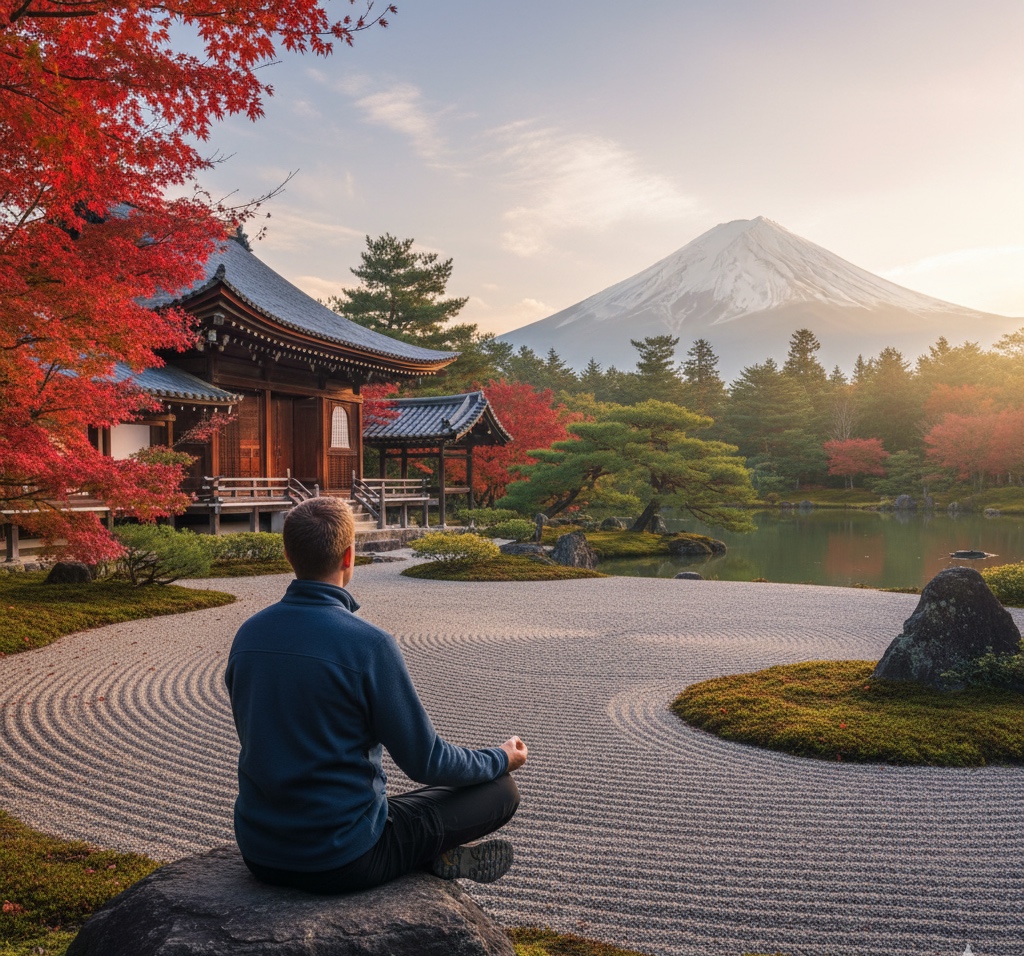
Life moves fast. Taking a few hours to breathe may be the most productive decision you’ll ever make. Join a Zen Retreat at Koun-in Temple, and reconnect with presence and peace.

👉 Visit the Official Zen Retreat Page: Koun-in Temple Zen Retreat

👉 While in the area, explore our Things to Do Around Mt. Fuji guide
その他のニュース

Japanese Meditation — Discover Zen in Japanese Culture

Japanese Meditation Retreats in Japan | Compare Short & Long Programs and How to Choose

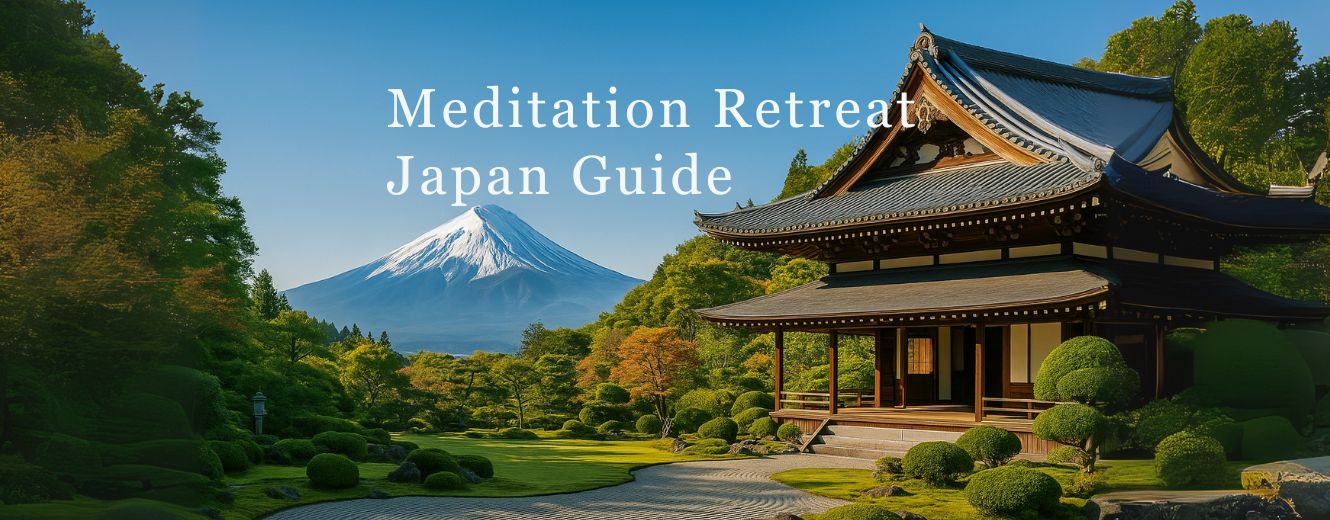
Meditation Retreat Japan Guide|Zen, Wellness & Temple Experiences

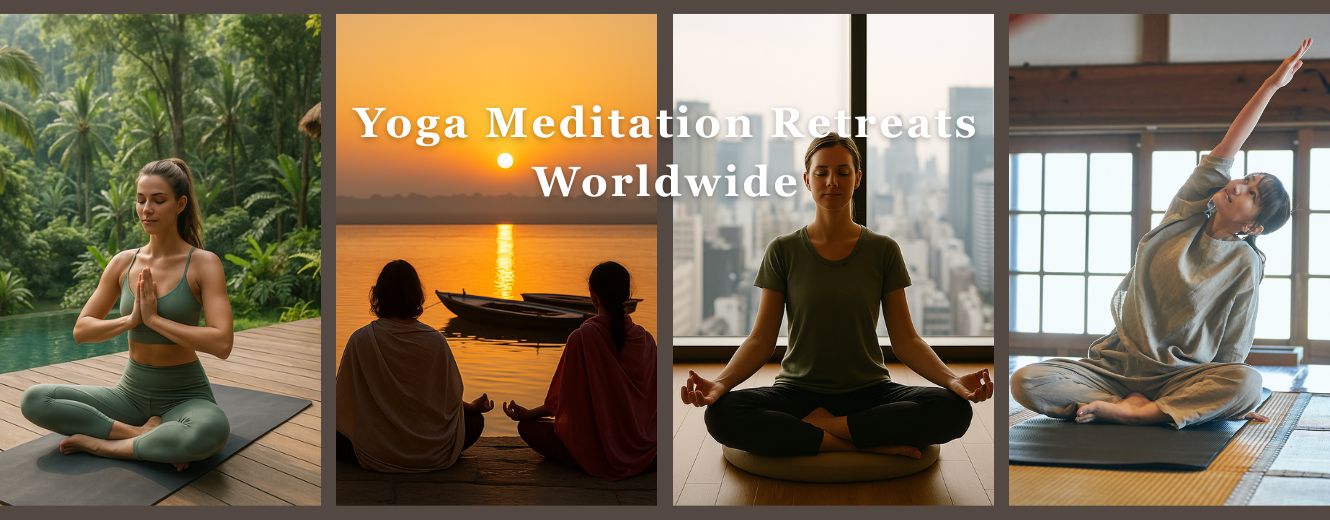
Yoga Meditation Retreats Worldwide | Unique Zen Retreat in Japan

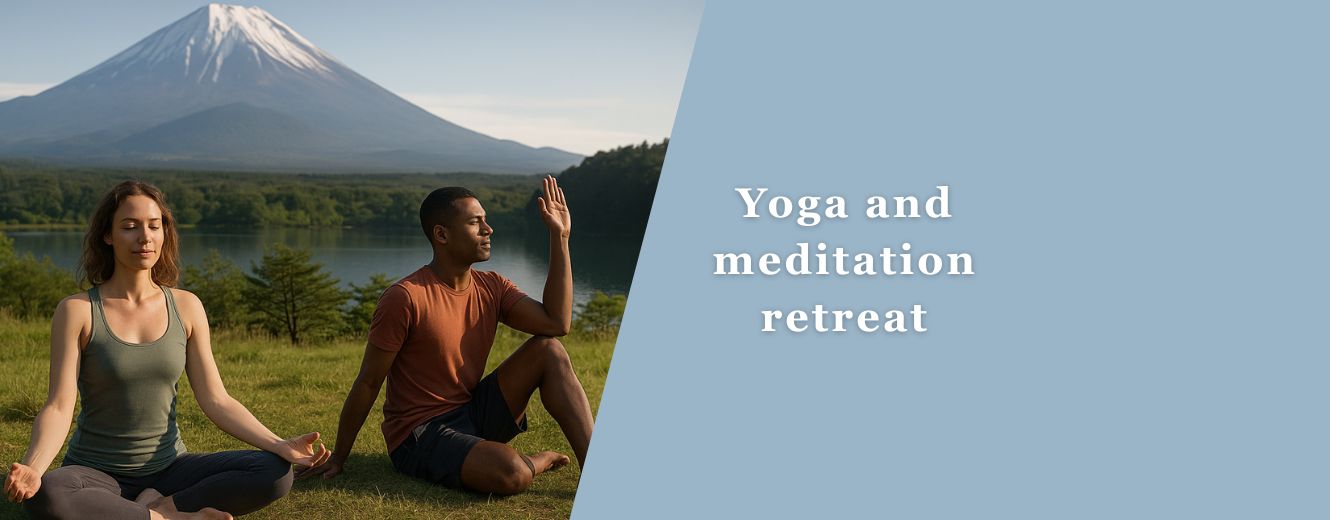
Yoga and Meditation Retreats — Balance Body and Mind in Harmony

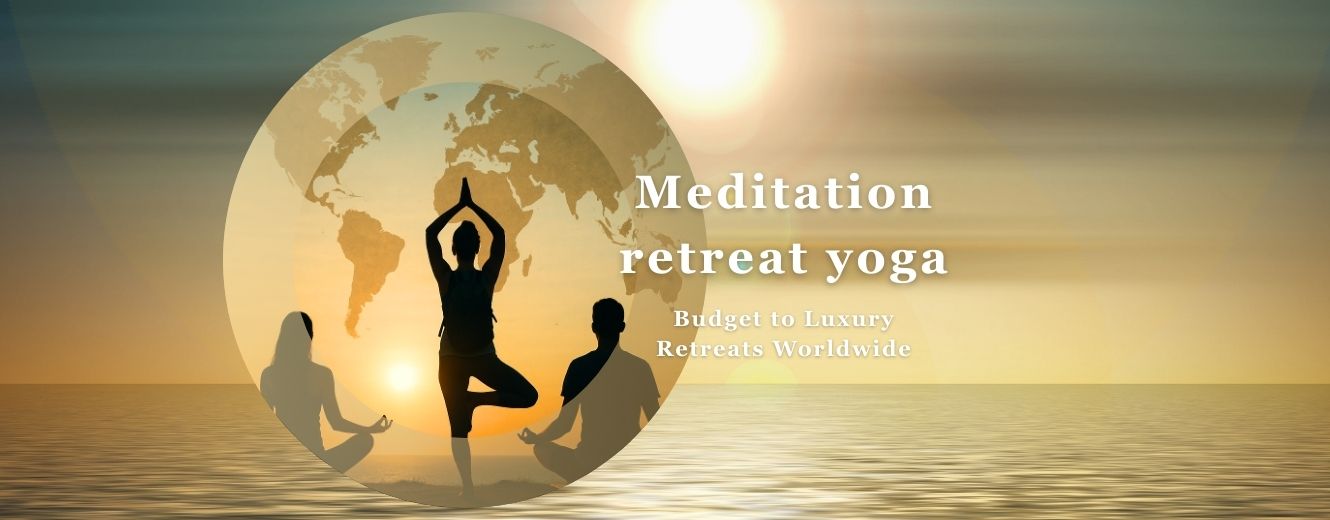
Meditation Retreat Yoga — Budget to Luxury Retreats Worldwide (Cost & Examples Guide)

Zen temples in Japan: Kyoto and Kamakura scenery with Mt Fuji in the distance

Zen Temples in Japan-Kyoto, Kamakura & Mt. Fuji Retreats

Zen Buddhism temples in Japan

Zen Buddhism Temples in Japan — History & Practice

Japan spiritual retreats with mountains, forest, and sacred places at sunrise

Japan Spiritual Retreats — The Transformative Power of Sacred Places

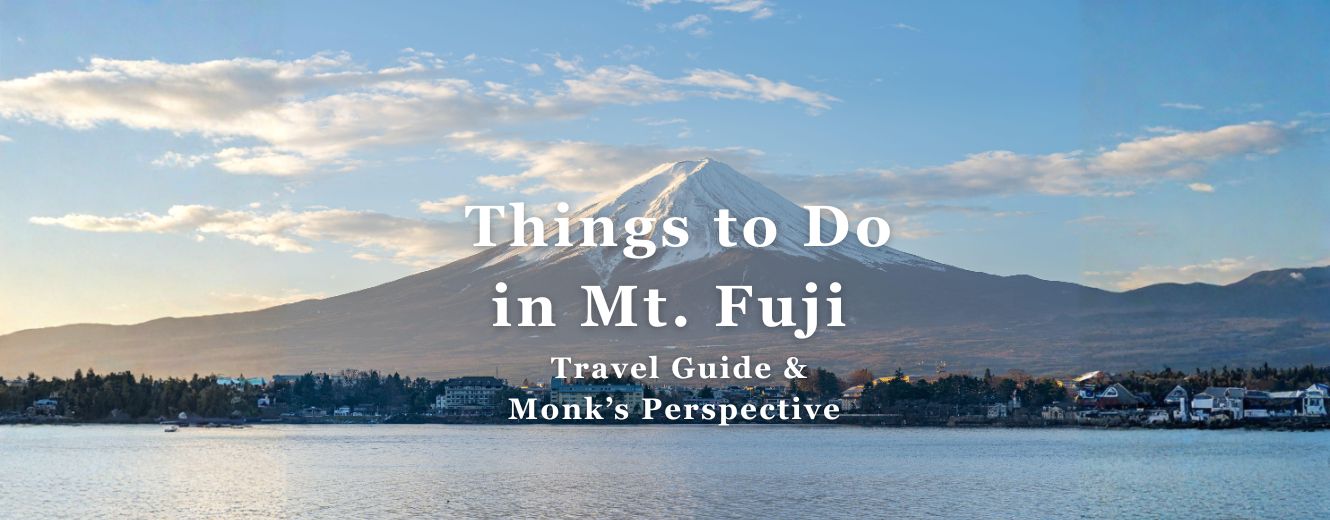
Things to Do in Mt. Fuji — Travel Guide & Monk’s Perspective

Things to Do Around Mt. Fuji — Iconic Views & Hidden Gems Off the Beaten Path

Quiet hidden view of Mt. Fuji beyond the crowds

Things to Do in Fuji — Hidden Trails, Quiet Lakes, Zen Retreats & More

Beginner practicing mindfulness meditation in Japan, simple daily techniques for stress, sleep, and anxiety

Mindfulness Practice for Beginners — Simple Daily Practices to Ease Stress, Improve Sleep, and Calm Anxiety

Person practicing mindfulness meditation in morning light, finding calm beyond daily stress

Mindfulness How to Practice — Simple Daily Steps to Calm the Mind

Mindfulness Retreat — Beyond Noise, Toward Genuine Stillness

Abstract illustration of moon over mountain at night, symbolizing inner peace and transformation during a spiritual retreat in Japan.

Spiritual Retreat — A Journey from Chaos to Clarity

Japanese tea set on tatami mat, symbolizing mindfulness, simplicity, and stillness during a Buddhist retreat in Japan.

Buddhist Retreat in Japan — Where Stillness Becomes Practice

Calm water ripple at sunrise symbolizing inner stillness and mindfulness in Buddhist retreats

Buddhist Retreats — From Over-Optimization to Inner Stillness

Zen garden view from a Japanese temple, symbolizing calm focus and the beginning of a meditation practice.

How to Start a Meditation Practice — Simple Steps for Busy Minds

Soft morning light and gentle ripples symbolizing the rhythm of breath and consistency in meditation practice

Meditation Practice as a Way of Being — Beyond Mindfulness Toward Clarity

Minimal scene symbolizing mental training — repetition and balance as the foundation of mindful leadership

Mindfulness Training for Leaders — Build Focus, Emotional Control, and Clarity at Work

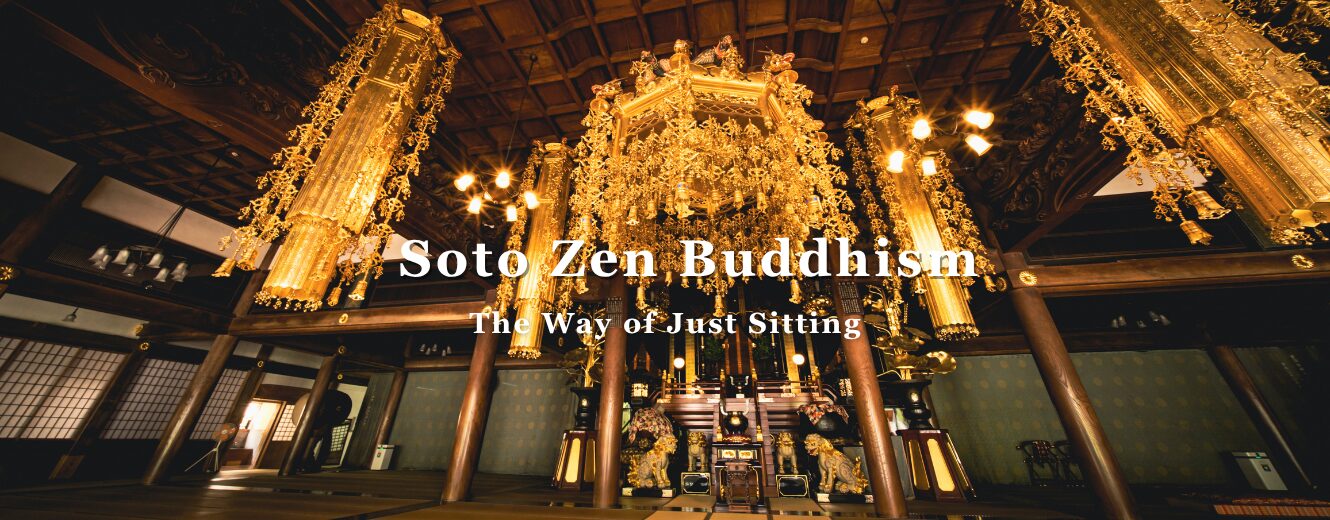
Interior of Koun-in Temple’s main hall near Mt. Fuji — a sacred space of Soto Zen Buddhism and Dōgen’s “just sitting” practice.

Soto Zen Buddhism — The Way of Just Sitting

Meditation and Meditation — Finding Inner Peace and Outer Harmony

Elegant Japanese black and gold pattern symbolizing Zen Buddhism and the art of mindful presence

Zen Buddhism and the Art of Presence — Calligraphy, Tea, and Gardens

Weathered wall texture symbolizing the Zen Buddhist aesthetic of wabi-sabi — beauty in imperfection and impermanence

Zen Buddhism and Wabi-Sabi — The Japanese Art of Impermanence

Abstract blue and gold wave pattern symbolizing Zen words — timeless teachings for mindful living

Zen Words — Timeless Teachings for Living Now

Zen garden with smooth stones and sand ripples symbolizing a spiritual retreat — a quiet journey back to yourself

A Spiritual Retreat — A Quiet Journey Back to Yourself

Pink lotus flower floating on calm water symbolizing Zazen meditation — a quiet journey back to yourself

Zazen Meditation — The Way to Sit, Breathe, and Return Home

Zen garden sand patterns symbolizing the calm, clarity, and philosophy of Zen Buddhism in Japan

Zen Buddhism — Meaning, Philosophy, and Practice for Modern Life

Single green leaf floating on still water, symbolizing the art of learning Zen through stillness and awareness

How to Learn Zen — The Art of Seeing Through Stillness

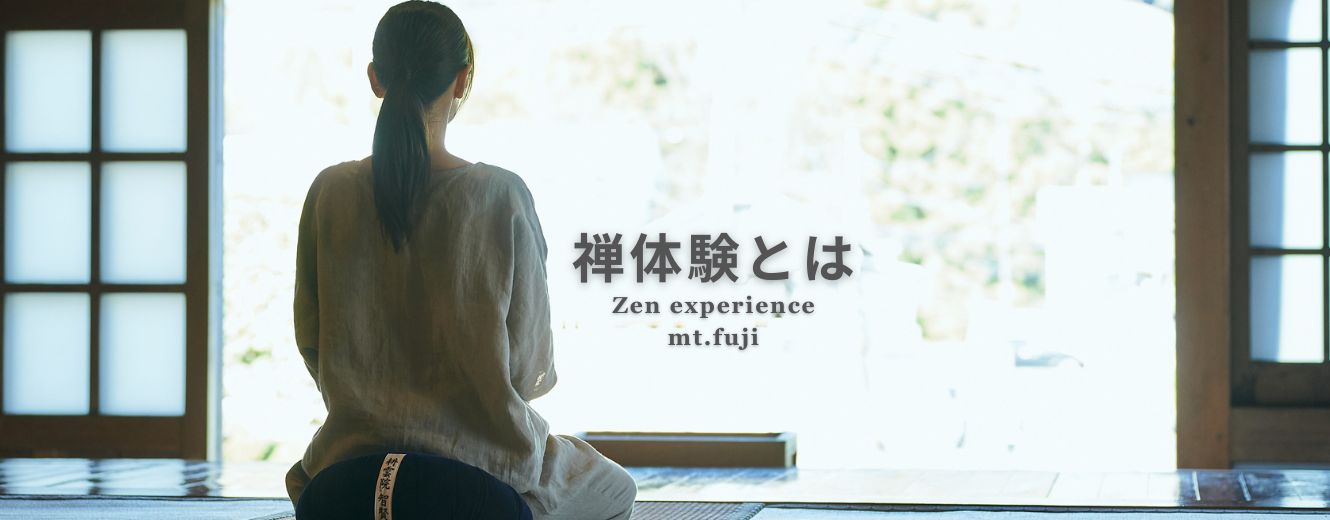
Woman practicing Zen meditation at Koun-in Temple near Mt. Fuji, experiencing calm and mindfulness in a traditional Japanese setting

禅体験とは|初心者にも安心。富士山麓・耕雲院で坐禅と写経を体験

Tatami room sunlight and shadows at Koun-in Temple near Mt. Fuji — mindfulness and Zen practice in silence

マインドフルネスは寺にある—静けさに帰るということ

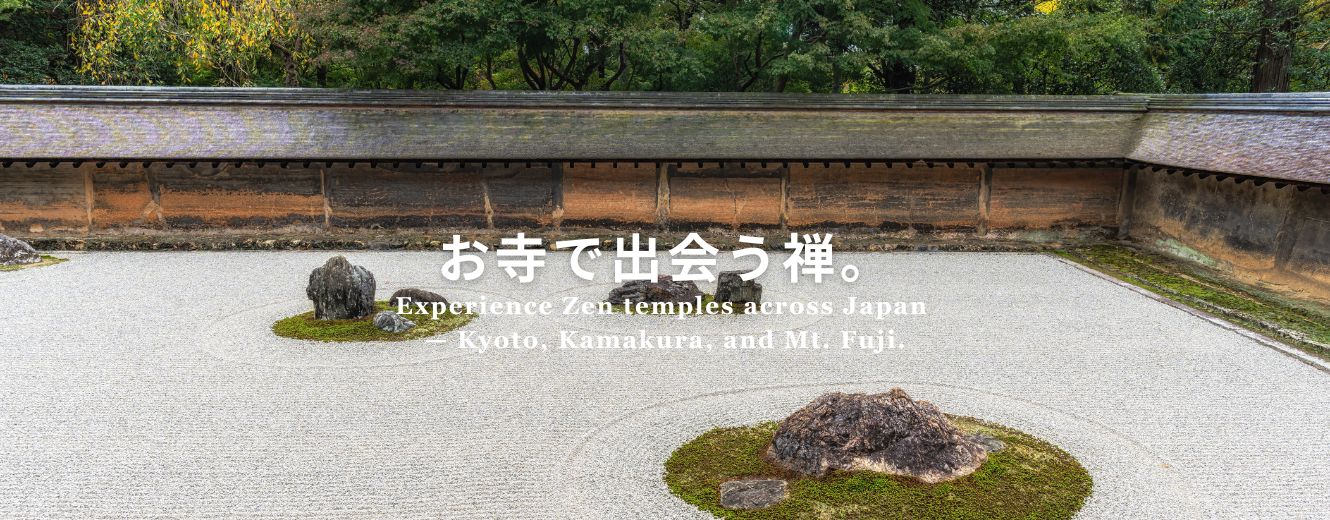
Zen rock garden in Kyoto representing Japanese Zen temples across Kyoto, Kamakura, and Mt. Fuji — experience the spirit of Zen in Japan

お寺で出会う禅 | 京都・鎌倉、そして富士山麓へ—日本の禅を体験する旅

A person practicing zazen meditation outdoors in a peaceful natural setting, sitting in a lotus posture with hands in a mudra for a beginner-friendly zazen experience.

体験 坐禅|初心者でもできるやり方と流れ【富士山麓・耕雲院】

Hands of a Zen monk holding prayer beads in gassho posture at a temple, symbolizing the meaning and practice of zazen.

禅寺 座禅|永平寺修行僧が語る、“修行としての坐禅”の意味

A traditional Japanese pine tree photographed in a minimalist style, symbolizing Zen temple architecture and the aesthetics of simplicity and silence.

禅宗のお寺とは—禅の思想をかたちにした建築文化

Calm ocean at sunrise symbolizing stillness, presence, and the meeting of movement and meditation in yoga and Zen practice.

ヨガと禅—身体と心が出会う、静けさの体験

Temple retreat in Japan with quiet garden and greenery, offering a peaceful meditation experience.

お寺リトリートとは?観光しない旅という選択|整えるための過ごし方

A view of tall forest trees from below, used as a hero image for an article explaining the difference between Zen and mindfulness.

禅とマインドフルネスの違い|“気づく技術”と“手放す生き方”

Sunrise view of Mount Fuji reflected on the lake with a peaceful dock in the foreground, used as a hero image for a guide to yoga and Zen experiences in the Mount Fuji area.
富士山ヨガガイド|体験できるヨガの種類とリトリート案内

Zen sand garden with raked ripple patterns, symbolizing calm awareness and a mind not driven by thoughts.

禅の考え方とは|思考に振り回されない生き方と日常でできる実践法

【企業向け】リトリート研修とは?禅×富士山で整う法人向けお寺リトリート

Foggy forest landscape representing the quiet atmosphere of Zen and Zazen

禅宗 坐禅|なぜ今、世界中で求められているのか?沈黙の知性と心を立て直す方法

Abstract illustration of a human head with colorful lines symbolizing thoughts, representing a shift from mindfulness to deeper healing through Zen

「マインドフルネス」で物足りない人へ。禅の実践がもたらす”心の根治”と最適な選び方

Fujikyu Railway train with Mt. Fuji in the background, symbolizing active travel around the Fuji area

【非日常の癒やし】富士山周辺アクティビティ10選!観光の「動」の疲れを「静」の禅で満たす旅